Do Roof Warranties Cover Storm Damage?
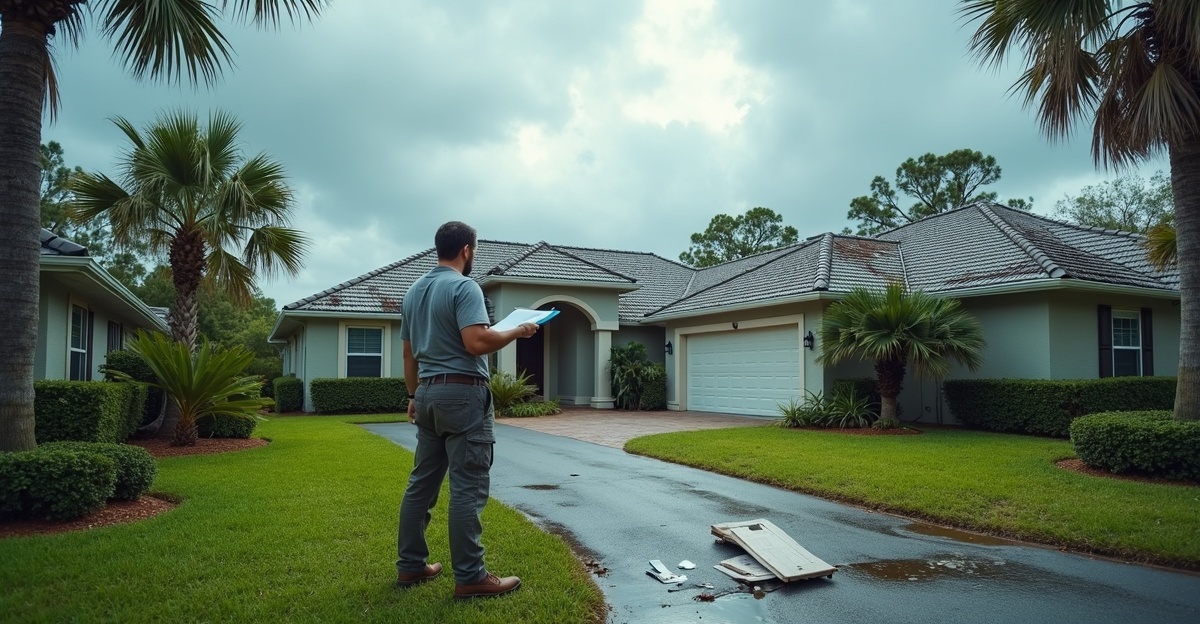
Many Florida homeowners often discover too late that roof warranties don’t automatically protect against damage from storms or high winds. Coverage after a hurricane usually depends on the fine print—and in most cases, warranty providers exclude weather-related damage. That’s where property insurance becomes essential.
Key Takeaways
- Roof warranties usually address manufacturing flaws or installation issues, but not loss from storms or hurricanes.
- Problems caused by wind, flying debris, and leaks follow storms and typically fall outside warranty protection.
- In Florida, property insurance—not a warranty—serves as the go-to resource for storm recovery.
- Differentiating between warranty coverage, insurance policies, and routine upkeep helps avoid denied claims and unexpected repair costs.
- Going over both warranty terms and insurance policies each year—especially before hurricane season—keeps the coverage ready when it matters most.
When Storms Hit: Will Your Roof Warranty Help?
Many Florida property owners believe their roof warranty automatically covers storm damage. That’s a common misunderstanding—and it can lead to frustration after a major weather event. The truth is, coverage for roof warranty storm damage Florida homes experience depends entirely on the specific terms of the warranty itself.
There’s no one-size-fits-all answer. Some warranties offer limited protection under certain wind conditions; others offer none. And no warranty, no matter how strong, guarantees coverage for every storm-related issue.
At Pyramid Roofing Fla, we often hear from clients after hurricanes wondering if their warranty will cover missing shingles or water damage. The answer is almost always: “It depends on what’s written in your warranty paperwork.”
It’s an anxious time for homeowners. We understand. That’s why this post serves as a starting point—so we can all better understand our protection options before and after a storm throws debris or rain through our roofs.
Also important: Roof warranties aren’t a replacement for homeowners or commercial property insurance. You’ll need both to stay protected.
Distinguishing Roof Warranties from Insurance: Know Who Covers What
Understanding the difference between a roof warranty vs insurance storm damage coverage can save time and stress.
A roof warranty is a limited agreement between either the manufacturer or the installer and the property owner. Its goal is to protect against defects in roofing materials or the installation workmanship. On the flip side, property insurance covers accidental damage from external sources—think wind, hail, or falling branches.
Think about it like this: a roof warranty is like a car warranty. It helps if the transmission fails early, but it won’t help if we back into a tree. That’s where insurance steps in.
Roof Warranty vs Insurance vs Maintenance
- Roof Warranty: Covers material or installation defects (example: faulty shingles or poor flashing).
- Insurance: Covers weather events and external forces (example: hurricane damage, tree limb impact).
- Maintenance: Our responsibility as homeowners—keep gutters clean, inspect regularly, fix minor issues.
With Florida’s frequent hurricanes and heavy storms, both warranty and insurance matter—along with a reliable local roofing partner who understands our climate.
What Roof Warranties Usually Cover (And What They Don’t)
Many of us wonder: what does a roof warranty cover, and does a roofing warranty cover leaks? Both questions come down to understanding the two types of warranties:
- Manufacturer warranty: This usually applies to the roofing materials themselves—like asphalt shingles. If those fail earlier than expected due to product flaws, we may be eligible for repairs or replacement.
- Workmanship warranty: Provided by the contractor, this covers errors made during installation. That could mean poorly sealed flashing or misaligned shingles.
However, there are major limitations. Most roof warranty storm damage Florida homeowners face falls under exclusions. Here’s what’s usually not covered:
- Storm damage from wind, hail, or falling debris
- Poor maintenance or clogged gutters
- Ordinary aging and wear
- Leaks from unauthorized repairs or roof changes
We’ve helped Florida clients interpret warranty exclusions buried deep in fine print—many are surprised storm damage isn’t included. Be sure to review your policy and paperwork annually, especially before storm season begins.
How Florida’s Climate Affects Roof Protection and Warranty Relevance
Between scorching UV rays, salt spray, relentless humidity, and storm-driven winds, our Florida roofs take a serious beating. That’s why shingle roofs in Florida—and all roof types—require extra vigilance.
Understanding how hurricane roof damage Florida homes face intersects with warranty limits helps set realistic expectations. Even roofs built to code may suffer damage in a hurricane, and even new roofs can leak due to wind-driven rain.
Florida Building Code plays a big role in how roofs are installed—and may affect warranty eligibility. Depending on your location and the materials used, your roofer may need to follow more rigorous guidelines.
We’ve seen cases where a coastal homeowner had a relatively new roof damaged during a summer storm. The manufacturer honored the warranty on a specific shingle defect, but the rest of the water damage from wind-driven rain wasn’t covered. Insurance filled the rest.
If nothing else, Florida’s storm season reminds us to get regular roof inspections and maintenance—even if we think we’re covered. A warranty won’t save us from an issue discovered too late.
What To Do After a Storm: Step-by-Step Roofing Checklist
Taking calm, confident steps right after a storm makes all the difference with roof repair after storm activity. Whether we’re dealing with a few loose shingles or widespread damage, following this checklist helps us secure our home, assess the situation, and protect warranty eligibility:
- Ensure safety first. Stay clear of downed power lines or unstable roof areas until it’s safe.
- Look from the ground—signs like missing shingles, bent flashing, or interior water stains can indicate damage.
- Document everything. Use photos and video to build your case for a claim.
- Call a trusted contractor. Our storm damage roofing inspections are free and detailed.
- Review both your warranty paperwork and insurance policy. Note deadlines for claims.
- Determine whether to file a warranty claim, insurance claim, or proceed with out-of-pocket repairs.
Keep in mind that most warranties require notification soon after discovering damage. Waiting too long could void your claim. We recommend setting a reminder to review these documents each spring and fall.
Helpful Answers to Common Questions
Q: Does a roof warranty cover leaks?
A: Sometimes. If the leak is caused by a covered defect—like a faulty shingle or improper flashing—it may qualify. Storm damage typically falls outside most warranty terms.
Q: What if my warranty says “wind warranty up to 130 mph”?
A: That phrase may protect you—but only under certain conditions and documentation. Inspections are key to verifying whether warranty terms apply.
Q: Who should I call first—my roofer or my insurance adjuster?
A: Start with a qualified roofing contractor. We can inspect damage, document findings, and help guide next steps with your insurer or warranty provider.
Q: Can I void my warranty by making a quick DIY repair?
A: Yes. Many warranties are voided if unauthorized work is done. Before patching anything yourself, talk with your contractor. A quick fix could cost thousands later.
Still have questions? Let’s look at your policy together. We offer free inspections and warranty review services to make sure nothing gets missed.
Explore other helpful topics—like identifying signs of storm roof damage or learning when repair versus replacement makes more sense.
Remember, there’s no substitute for asking the right questions early. We’re here to help—before, during, and after the storm.