How Do I Know If My Roof Has Storm Damage?
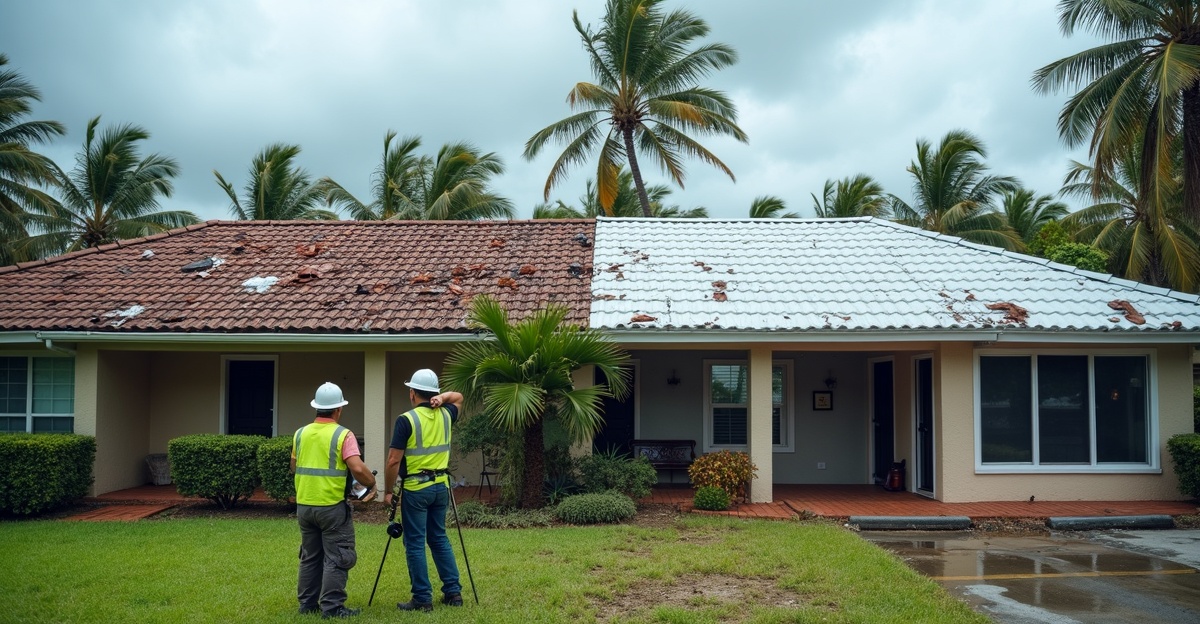
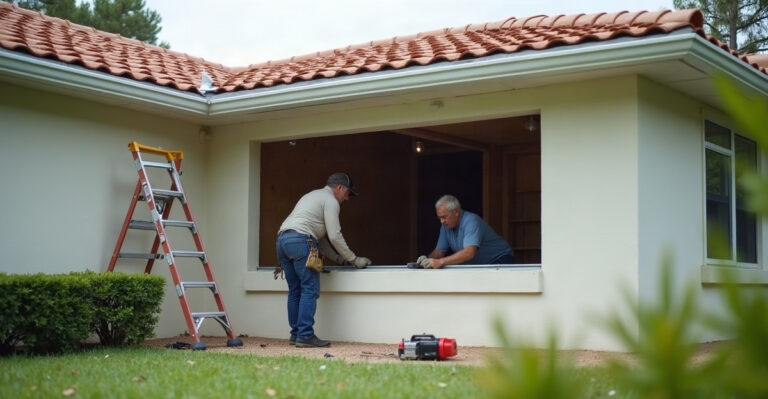
Florida roofs take a heavy beating during storms, and catching damage early helps avoid serious structural issues. From loose shingles and dented flashing to ceiling stains and weakened areas, we’ve outlined how to check for storm-related roof problems—inside and out.
Key Takeaways
- Missing, bent, or broken shingles and damaged flashing are clear exterior signs of storm impact after strong winds or hail.
- Interior clues like water spots, peeling paint, or a damp odor often point to leaks that started during recent weather events.
- Florida’s intense climate—hot, windy, humid, and salty—wears down roofing materials over time, even when signs aren’t obvious.
- Using binoculars from the ground helps spot visible damage safely, but some issues need a licensed roofing expert to inspect thoroughly.
- Waiting to fix small problems can lead to bigger repairs. A quick inspection and proper documentation help protect the roof and support insurance claims.
Warning Signs to Look for After a Florida Storm
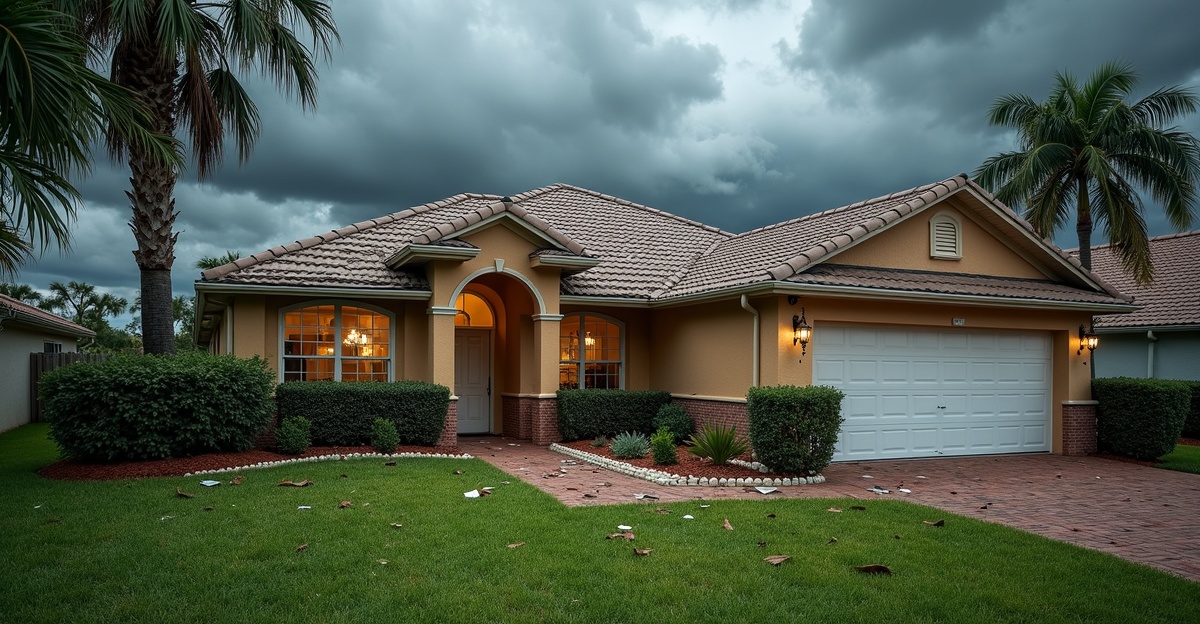
Spotting roof damage early can save us time, money, and unwanted stress. Florida storms pack a punch with high winds and heavy rains, and even if a roof looks intact from the street, there might be hidden issues brewing.
What to Look For Outside and Inside
After a storm, we recommend inspecting the exterior and interior of the property—safely from the ground where possible or by hiring a professional. Here are the common indicators that storm damage may have occurred:
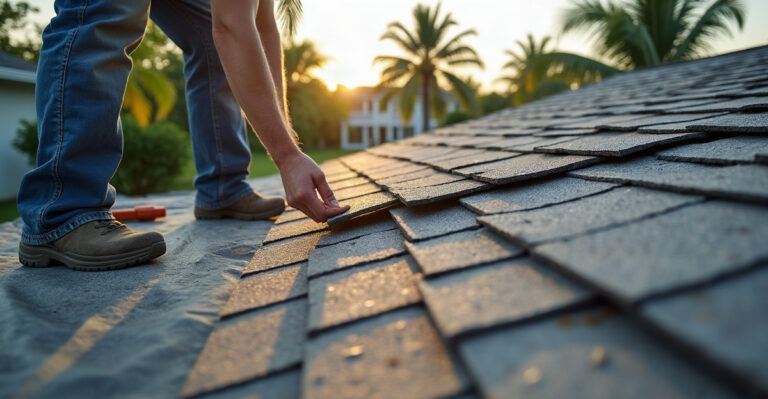
- Missing or curled shingles: High winds can rip shingles off or cause them to lift and curl. This leaves the roof deck vulnerable to moisture.
- Dented metal flashing: Hail or flying debris often strike roof flashing, compromising the roof’s water-tight seal around chimneys, vents, and skylights.
- Displaced or broken tiles: On tile roofs, strong gusts can loosen or crack tiles, disrupting the protective barrier.
- Cracked flat roof membranes: Commercial flat roofs often suffer damage to the waterproof layer, especially from debris impact or wind stress that weakens seams.
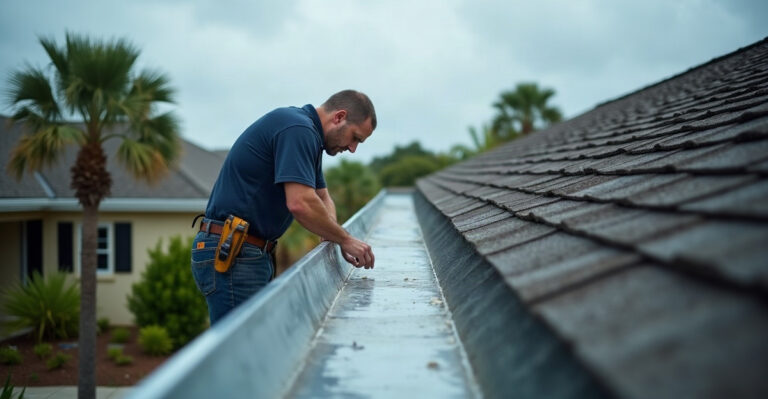
- Granule loss on shingles: If we notice black sediment in gutters or downspouts, it could be worn-off granules. Granules provide crucial UV protection and losing them can accelerate the roof’s age.
- Ceiling stains or paint bubbles: Inside the home, discoloration or bubbling on ceilings and walls often signals water intrusion above the living space.
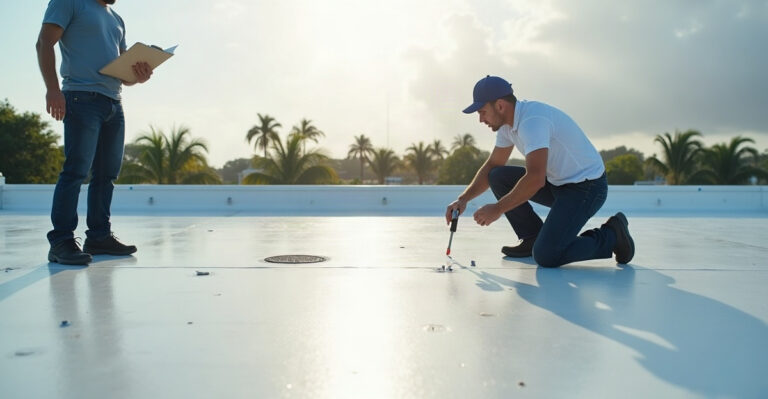
- Ponding water on flat roofs: Water that doesn’t drain after 48 hours is a red flag for drainage issues or potential sagging areas.
- Soft spots or visible cracks: If parts of a flat roof feel spongy to walk on or show signs of tearing or open seams, it’s time for a closer evaluation.
- Loose or lifted flashing on edges: On both residential and commercial roofs, flashing tends to separate from the edges or around rooftop equipment after storms.
These symptoms—big or small—signal roof vulnerabilities that shouldn’t be ignored. See something concerning? Our team can help with a quick evaluation, whether the issue is minor or calls for a full storm damage repair.
We also encourage Florida homeowners to stay proactive. Reviewing signs like how hurricanes damage shingle roofs or exploring early symptoms such as bubbling paint or ceiling stains helps us make smart, timely roof care decisions.
How Florida’s Storms Uniquely Impact Roofs
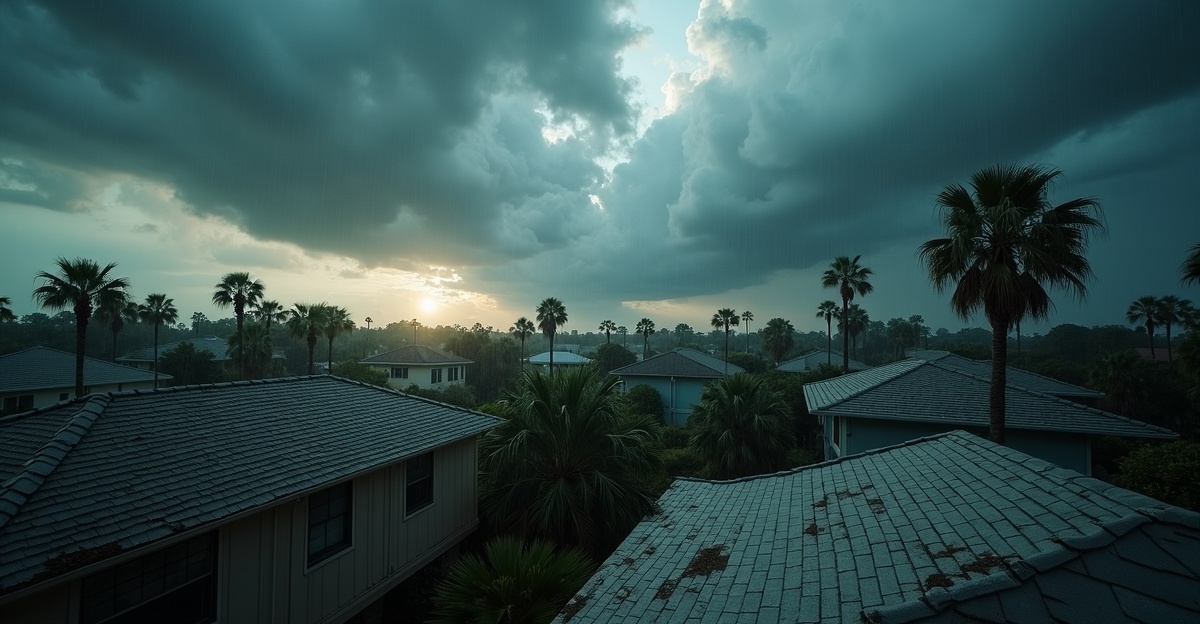
Living in Florida means preparing for intense storm activity—especially in Central and Northeast Florida. Our coastal regions face repeated exposure to tropical storms, hurricanes, dense rainbands, and relentless wind. This isn’t an occasional risk; it’s part of our reality every storm season. Even storms that aren’t classified as hurricanes can cause real damage to our roofing systems.
Common Storm-Related Roofing Issues in Florida
There are several types of storm-related damage that tend to show up in our part of the state. Some are obvious right after a weather event. Others creep in quietly over time. Here’s what makes Florida’s storms uniquely rough on our roofs:
- Wind Stress, Even Without Hurricanes:
Winds don’t have to reach Category 3 hurricane wind speeds as defined by NOAA’s Saffir-Simpson Hurricane Wind Scale to push shingles, tiles, or flashing out of place. Sustained gusts from strong thunderstorms or tropical systems weaken roofing materials gradually. Over several events, even well-secured shingles or tiles can start to shift or curl, opening gaps for water to seep in. - Hail Damage That Hides:
While hail isn’t as frequent here as in some other states, it still makes an appearance—especially during strong summer storms. Hailstones can bruise asphalt shingles or cause surface granule loss—a condition the National Roofing Contractors Association identifies as a common indicator of hail impact damage. These changes don’t always show up from ground level, but left alone, this kind of damage can shorten a roof’s lifespan and lead to leaks. A professional inspection is often the only way to spot it early. - Storm Surge and Driving Rain:
For coastal homeowners, storm surge adds another layer of concern. Saltwater driven into your roof structure accelerates wear, especially for exposed fasteners or corrodible flashing. Meanwhile, wind-driven rain finds its way underneath lifted shingles or ripped underlayment, sometimes unnoticed until water stains show up inside. - Moisture and Mold on Flat Roofs:
High humidity and heavy rainfall can trap moisture inside flat or low-slope roofing systems common in commercial properties. Without proper drainage or post-storm ventilation, we often see rot, mold, or insulation deterioration. These issues are especially common after back-to-back storm events, when drying time is limited.
To prevent costly long-term damage, it’s smart to get routine assessments—not just when major weather makes headlines. Catching issues early can make all the difference. We recommend checking out how often roofs should be inspected—seasonal inspections go a long way here in Florida.
If you’re unsure whether the damage to your roof qualifies for insurance help after storms, take a look at this guide on storm damage coverage for some practical insights.
Our team at Pyramid Roofing offers expert storm damage repair services across Central and Northeast Florida. We know what to look for, how to handle various roofing types after high winds and rain, and how to help keep restoration headaches to a minimum.
For shingle systems in particular, post-storm evaluation is especially important. Learn more about what can happen during heavy weather in our article on how hurricanes damage shingle roofs in Florida. Whether you suspect damage after a passing system or just haven’t had a roof checkup in a while, we’re here to help you stay ready before the next storm hits.
How to Safely Inspect Your Roof After a Storm
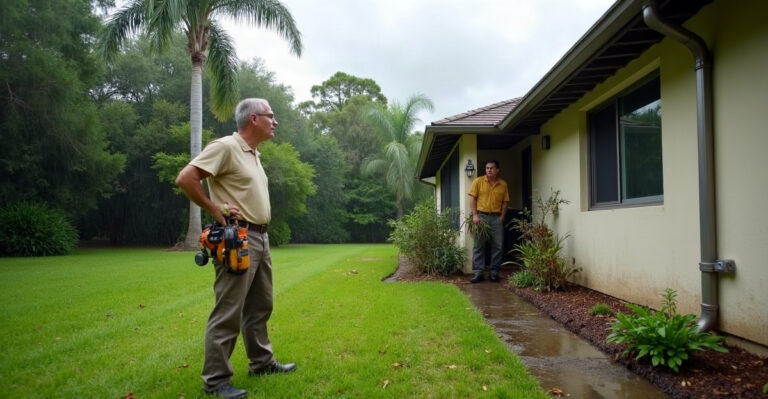
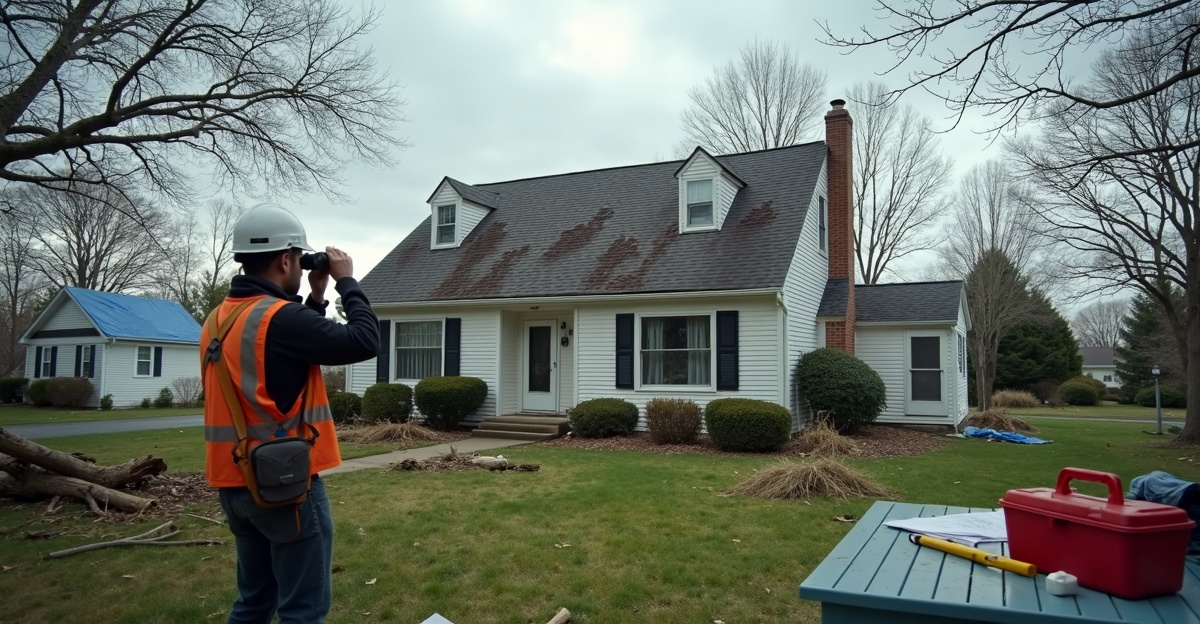
After a storm, it’s important to check your roof for damage—but safety comes first. We recommend starting from the ground. That way, we minimize risk while still spotting the most obvious red flags.
Ground-Up Inspection Tips
Begin with a careful walk around the property. Take your time and look for these visible issues:
- Shingles that have fallen off or are lying in the yard
- Pieces of fascia or flashing scattered around
- Exposed or warped roof decking
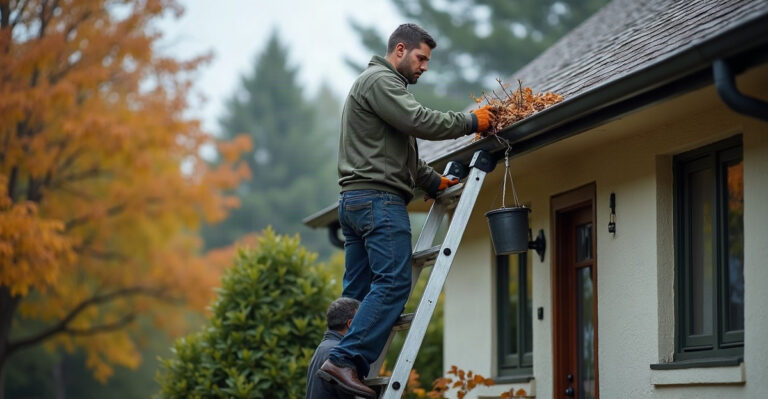
- Gutters sagging or filled with debris
- Branches or foreign objects stuck on the roof
Use binoculars to scan your roof without needing a ladder. Look for misaligned or curling shingles, tears along the edges, and discolored areas. These small signs are often indicators of serious wear after high winds or flying debris. If your home has a shingle roof, you can explore common storm-related issues in more detail through this guide on how hurricanes damage shingle roofs.
We advise against climbing onto the roof unless you’re trained and the structure shows no sign of weakness. Even if it looks stable from the outside, storm damage can hide below the surface.
Checklist for a More Thorough Look
Whether you’re dealing with a residential home or managing a commercial space, organization helps. Keep a list to make your inspection thorough and to build the case for a repair or insurance claim if needed.
Your checklist should include:
- Exterior signs: Check shingles, flashing, vents, chimney caps, and skylights. Look for dents, misalignment, missing parts, or rust.
- Attic inspection: Go safely into the attic and look for water stains, dark spots, wet insulation, or a musty smell.
- Ceilings and walls inside: Watch for discoloration, soft patches, bubbling paint, or new water stains that weren’t there before.
If you notice any of these problems, your next step could be deciding between fix or full replacement. Learn how to weigh both options by reading about whether a roof can be repaired instead of replaced.
For commercial properties or larger residential complexes, we strongly recommend contacting professionals right away. Trying to inspect a flat or low-slope roof without experience could lead to injury or further damage. Instead, coordinate with licensed contractors who can perform a full storm damage inspection safely and accurately.
We’ve worked with property managers across Florida who rely on us to provide honest assessments and help avoid liability risks. A skipped step can lead to missed leaks or insurance denial later down the road.
Once you’ve completed your inspection, document everything. Take clear photos, label them with dates, and keep any storm alerts or weather service data related to the event.
If you’re seeing signs that your roof is no longer holding up the way it used to, our guide on the signs your roof needs replacement can offer clear direction.
Taking these steps quickly can prevent minor issues from becoming emergencies. And prompt inspection plays a key role in navigating insurance too. If you’re unsure how coverage works, we walk through that in detail in our article on whether storm damage is covered by insurance.
A storm might leave more than just visible roof damage. Sometimes, we don’t notice the effects until weeks later—and by then, repairs can cost a lot more. That’s why we always encourage regular professional evaluations. If it’s been a while, consider reading more on how often roofs should be inspected to stay ahead of problems year-round.
When It’s Time to Call a Professional
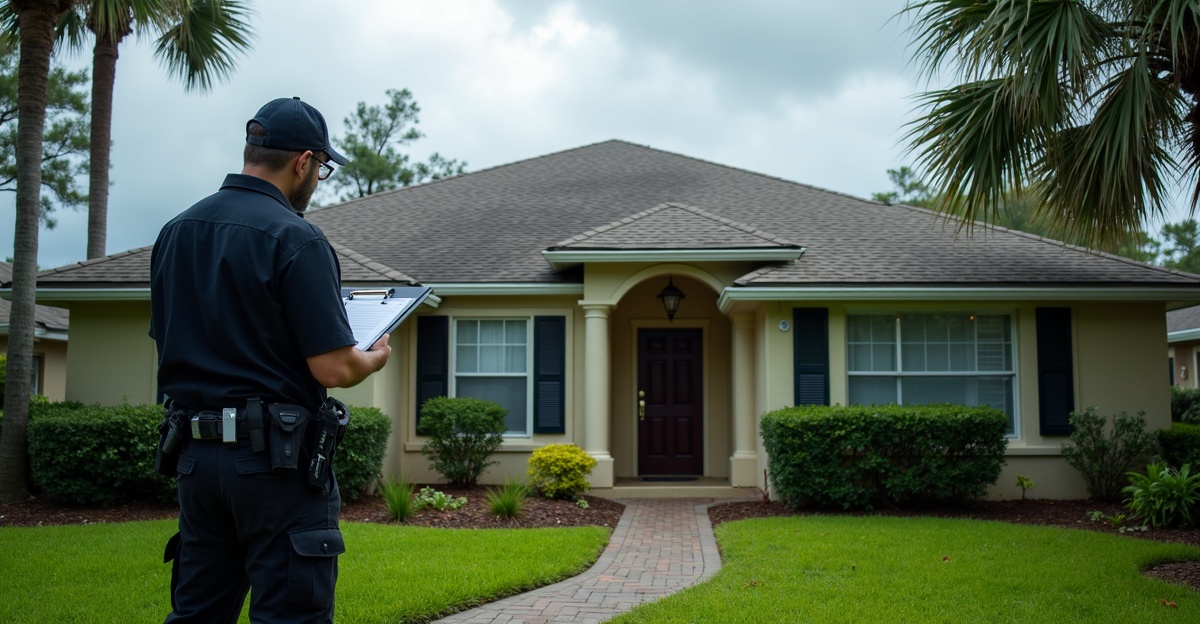
Storms don’t always leave obvious, gaping holes in a roof. Sometimes, the signs are subtle but serious. If we notice any of the following, it’s time to bring in a roofing expert:
- Consistent leaks after a storm, even if they seem small
- Sagging or uneven sections on the roofline
- Spots where sunlight shines through attic boards
- More than a few missing, curled, or cracked shingles
Even what seems like minor damage can turn into a bigger issue fast. With Florida’s frequent rain and high humidity, water intrusion can spread quickly. With Florida’s frequent rain and high humidity, water intrusion can spread quickly and create conditions for mold growth, as outlined in CDC guidance on moisture and mold after storms. Ignoring it doesn’t save money—it usually costs more in the long run. Early action helps preserve not only the roof, but the layers underneath: decking, insulation, and even structural framing.
Why Professional Help Matters
Local roofing professionals know how Florida’s storms work—and how roofs are supposed to hold up here. From wind uplift ratings to code-required fasteners outlined in the Florida Building Code roofing requirements, licensed contractors understand how materials perform in our hot, wet climate. More importantly, an experienced crew knows where damage hides.
Some signs of storm damage can’t be spotted from the ground or even from a ladder. Wind can loosen shingles, peel back underlayment, or dislodge flashing without tearing things completely apart. Water can sneak under layers before it shows inside. A trained inspection, especially after severe weather, can catch problems in the early stages and recommend if a quick roof repair is enough—or if something larger is needed.
We always recommend a documented inspection after major storms for peace of mind and protection. Florida insurance carriers sometimes require clear proof when filing a claim. Knowing what qualifies as storm-related issues, and confirming them quickly, can help streamline that process. Here’s more on what insurance may cover after a storm.
Don’t Wait and Hope It Holds
We’ve seen too many neighbors put off calling for help, thinking a small leak would just dry up or that missing shingles weren’t urgent. In truth, delays can make things worse. If we’re unsure, we should have it checked out. Regular assessments help, especially if we live somewhere that catches the brunt of summer squalls. Learn more about how often our roofs should be inspected.
If there’s any doubt after a storm, we’re here with reliable storm damage repair services. Our team takes pride in doing things right, keeping homes safe through every season Florida throws our way.
Residential vs. Commercial Storm Roof Damage
Different Roof Types, Different Issues
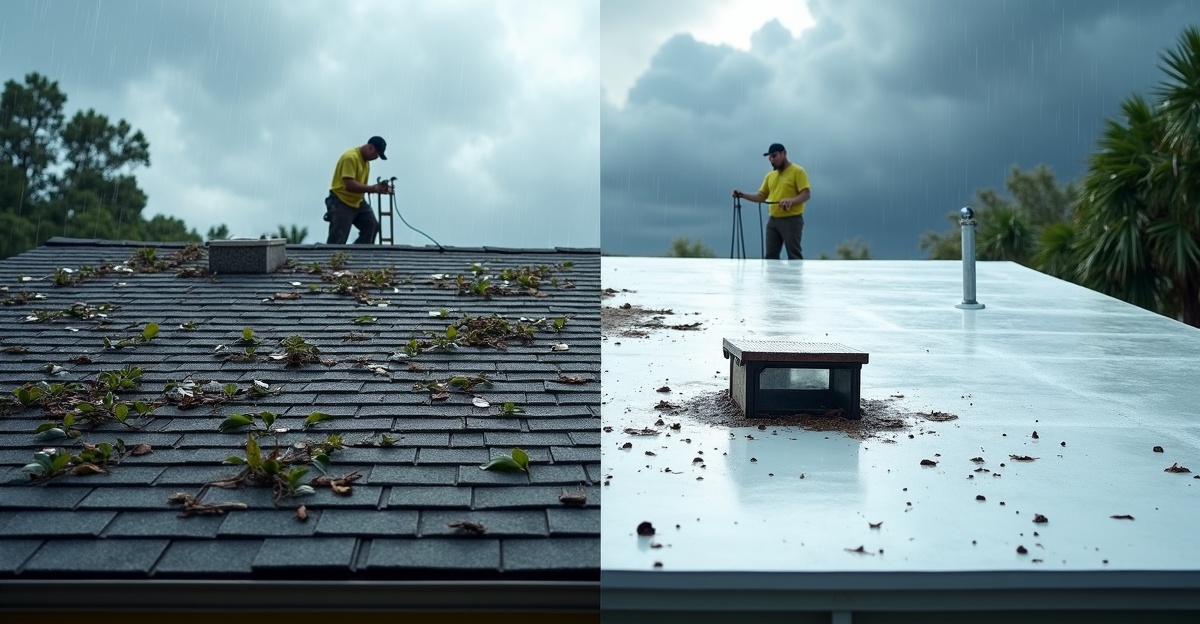
Storm damage looks very different depending on the type of property. For homes, materials like asphalt shingles, tile, or metal shape how a roof responds to wind, rain, and flying debris. On houses, we often spot:
- Missing or lifted shingles
- Nail pops pushing shingles up
- Curling along the roof edges
- Cracked or displaced tiles
- Dented metal panels from hail or broken branches
These problems can allow water to slip into the structure, and they often go unnoticed until a leak forms. You can read more about the impact of storms on shingle roofs in our piece on how hurricanes damage shingle roofs.
Commercial roofs tell a different story. These typically use flat roofing systems like TPO (Thermoplastic Polyolefin), PVC, EPDM (rubber roofing), or built-up roofing. Damage tends to appear as:
- Separated seams allowing water intrusion
- Pooling water from clogged drains or poor slope
- Failed or lifted flashing around edges and penetrations
- Punctures or rips from flying debris
Because flat systems don’t shed water as quickly as pitched ones, even minor damage can escalate quickly if water collects and lingers.
Timing and Responsibility Matter
Repair needs also differ between homes and businesses. Homeowners sometimes hesitate, especially if the problem seems small. But waiting can lead to mold growth, internal damage, or voided warranties. We often help by pointing to early signs a roof may need replacement—key in deciding what action to take.
On commercial properties, delays usually aren’t an option. Damage can pause tenant operations or affect customers, making it urgent to fix problems fast and according to the system’s warranty guidelines. Records of inspections and maintenance can also play a role in insurance claims or lease agreements.
In both settings, routine inspections keep small issues from becoming bigger. We recommend checkups at least twice a year, especially before and after hurricane season, consistent with National Roofing Contractors Association maintenance guidelines. Here’s how often roofs should be inspected—a solid starting point for proactive plans.
It helps to partner with a local team that understands Florida’s storm patterns and roofing materials. We live here, we roof here, and we know what to look for. From tile on a beach house to foam coatings on a strip mall, our team offers inspections, documentation, and honest repair assessments.
If you’ve noticed damage—or just want peace of mind after a storm—our storm damage repair services cover both residential and commercial properties, helping keep your structure protected long after the storm has passed.
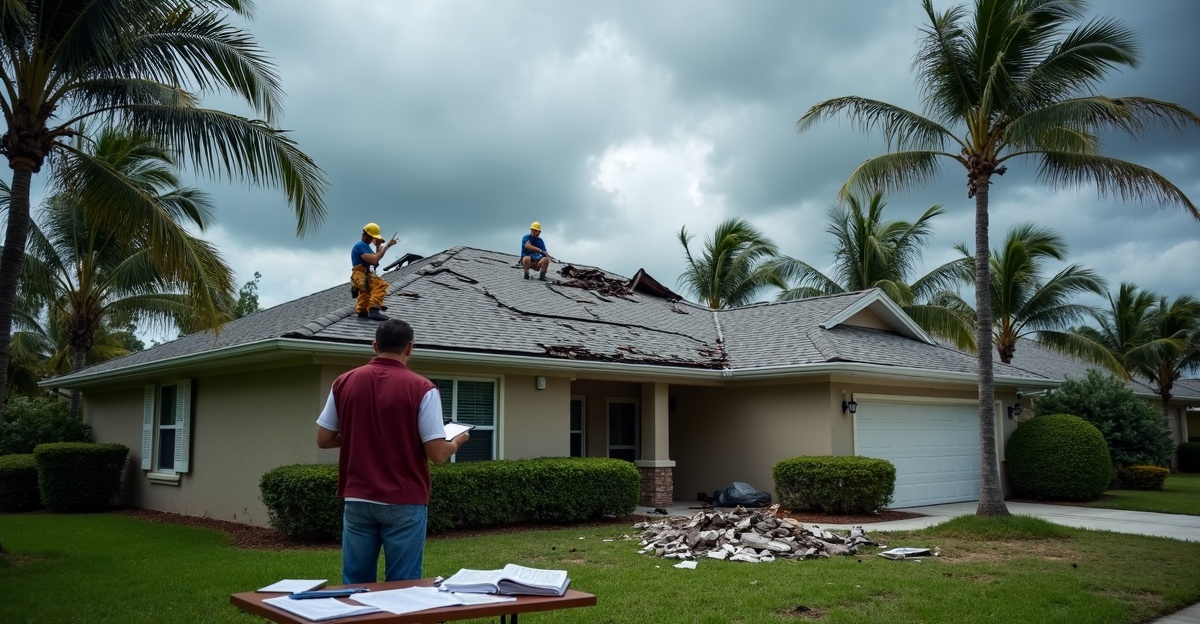
Next Steps: Protecting Your Roof and Property
Once storm damage is suspected—or even if it’s just a concern after high winds—it’s smart to take action quickly. Every hour counts after a major weather event. Delayed repairs can allow moisture to seep in, worsening issues that could have been minimized with immediate attention.
How to Move Forward After a Storm
The recovery process doesn’t need to feel overwhelming. Here’s how we recommend securing your roof and avoiding further trouble:
- Schedule a professional inspection. Reach out to a Florida-based roofing company like ours. We’re familiar with local building codes, insurance policies, and how Florida’s climate affects different roofing materials. A certified inspection can identify both visible and hidden damage, including missing shingles, weakened flashing, or compromised underlayment. We know what wind uplift and water intrusion look like here, and we’ll check every layer of your roofing system—not just the surface. Scheduling an inspection also creates an official record that can help if you’re filing insurance claims later.
- Get support for your insurance claim. Documentation is key. A thorough inspection report will establish proof of storm damage. We take photos of problem areas, note dates, and provide repair estimates that meet insurance standards. If your policy covers storm damage (and most do), the Florida Office of Insurance Regulation explains how storm-related claims are typically handled, and our team can assist with that process. Check out more details in our guide on storm-related coverage.
- Keep a detailed repair history. Hang on to your inspection reports, repair receipts, and communication records. This paperwork protects your warranty and helps validate any future insurance claims. If you’re ever considering selling your home, it also offers proof of proper maintenance.
- Take fast, local action. Don’t wait weeks for a roofer from out of town. Working with a trusted provider in Florida means faster turnaround times and a better understanding of local requirements. Our team is available to respond quickly to storm calls—whether it’s for an emergency tarp, a full inspection, or assessing whether replacement is needed.
If you’re unsure whether damage has occurred, we recommend reviewing the common ways hurricanes can impact shingle roofs. Even small punctures or lifted shingles can set the stage for long-term problems. And with Florida’s rainy season, there’s rarely time to spare.
Throughout the year, it’s smart to schedule regular checkups. Learn why in our guide on when and how often to inspect your roof. Being proactive keeps big surprises and major repair costs at bay.
We’re here to help protect what matters. Tap into our storm damage roofing service for fast action and guidance every step of the way.
Frequently Asked Questions
The most common signs include missing, lifted, or curled shingles, dented flashing, cracked tiles, and granule buildup in gutters. Inside the home, water stains on ceilings, bubbling paint, or musty odors can signal leaks caused by storm damage. These issues often appear after high winds, heavy rain, or hail and should be inspected promptly.
Yes, a roof can have storm damage without active leaks. Wind can loosen shingles, damage underlayment, or separate flashing without immediately allowing water inside. These hidden issues may take weeks or months to show up as leaks, which is why post-storm inspections are important even if the interior looks normal.
You should inspect your roof as soon as it is safe after the storm passes. Early checks help catch damage before rain or humidity worsens the problem. Prompt inspections also make it easier to document storm-related issues accurately, which is important if you need to file an insurance claim later.
Missing shingles are often caused by strong winds or storm-related uplift, especially if they appear suddenly after severe weather. However, older roofs with worn materials may also lose shingles more easily during storms. A professional inspection can determine whether the damage is storm-related or due to normal aging and wear.
Yes, even minor-looking damage should be evaluated by a professional roofer. Small issues like lifted shingles or loose flashing can allow water intrusion that leads to rot, mold, or structural damage over time. Early repairs are usually less expensive and help prevent more extensive roof repairs or full replacement later.