Will insurance cover a 20 year old roof in Florida?
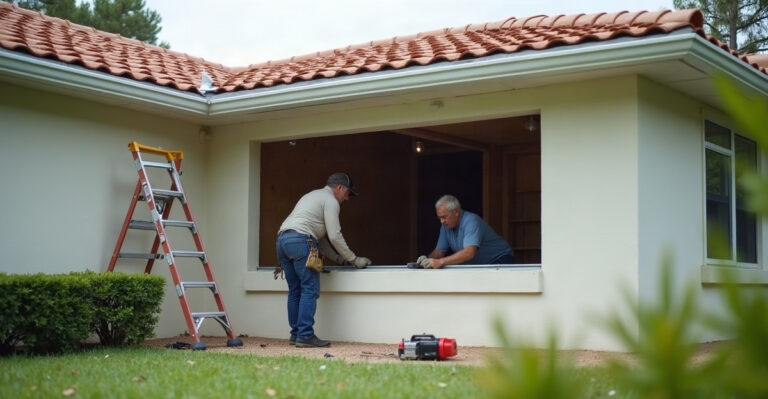
Many homeowners ask if insurance will cover a 20-year-old roof in Florida. The answer depends on policy terms, roof condition, and whether a covered event caused the damage. These factors shape how insurers handle older roof claims in Florida. Age alone does not trigger an automatic denial. However, carriers closely review roofs older than 15 to 20 years. They focus on inspection results, maintenance history, and whether the claim involves storm damage or simple deterioration.
Key Takeaways
- Insurance may cover a 20-year-old roof if a sudden, covered peril like wind or hail causes the damage—not gradual deterioration.
- Many Florida insurers now rely on condition-based inspections instead of strict age limits.
- Policies may shift from Replacement Cost Value (RCV) to Actual Cash Value (ACV) as a roof ages, which lowers potential payouts.
- Documentation—inspection reports, maintenance records, and photos—can strengthen renewal chances and improve claim outcomes.
- A professional inspection clarifies the roof’s remaining service life and helps determine whether repair or full replacement makes better financial sense.
It Depends: When a 20-Year-Old Roof Is Covered in Florida
Coverage for an older roof depends on age, condition, policy type, and the cause of damage. Age alone does not automatically mean insurance will not pay. Many Florida homeowners ask, “will insurance cover a 20 year old roof in Florida?” The honest answer is: sometimes.
Most carriers look closely at roofs once they reach 15 to 20 years old. In the past, some insurers relied on strict age cutoffs. Today, many have shifted toward condition-based inspections instead of automatic denial. That shift has helped property owners with well-maintained roofs continue coverage, even past 20 years.
Insurance typically covers sudden damage from a covered peril, such as hurricane-force winds, hail, or wind-driven debris. It does not cover gradual deterioration from aging. Understanding that distinction matters when evaluating insurance cover old roof Florida situations.
Policies vary widely. Some pay full replacement cost. Others reduce coverage to depreciated value after a certain age. Commercial policies operate under similar principles but often include maintenance documentation requirements. Coverage terms also change frequently, so we always recommend reviewing the actual policy language and endorsement pages rather than assuming based on past renewals.
If a 20 year old roof insurance claim Florida scenario arises, the cause of damage and the policy settlement terms will likely determine the outcome, not just the roof’s birthday.
Florida Roof Insurance Rules: Age Limits, Inspections, and Recent Trends
In Florida, roof age plays a role in underwriting. It does not always trigger automatic cancellation, but it does prompt review.
Common roof age limit insurance Florida standards include:
- Around 15 years: Asphalt shingle roofs often trigger a required inspection.
- Around 20 years: Some policies require documentation of remaining useful life or may adjust coverage terms.
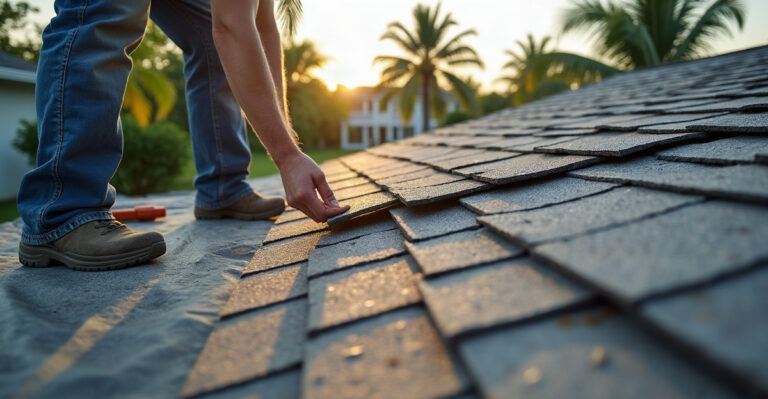
Shingle systems are common statewide, especially shingle roofs, and insurers understand their average lifespan. That is why inspections become more frequent once shingles approach two decades in service.
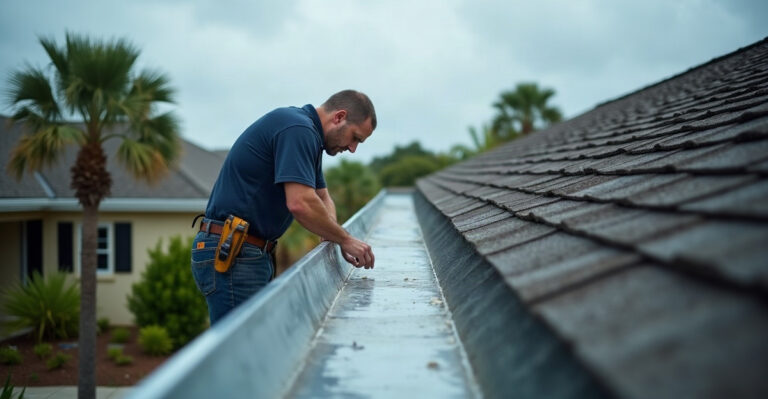
We have also seen growing reliance on roof inspection insurance Florida reports for both new policies and renewals. Carriers may request a licensed contractor’s certification stating how many years of useful life remain. A clear, professional inspection often makes the difference between renewal approval and non-renewal.
Florida roofing law insurance shifts in recent years show movement away from blanket age-based denials, particularly following guidance from the Florida Office of Insurance Regulation regarding roof underwriting practices. Instead, insurers verify condition. A well-maintained 20-year-old roof may pass inspection, while a poorly maintained 14-year-old roof can raise red flags.
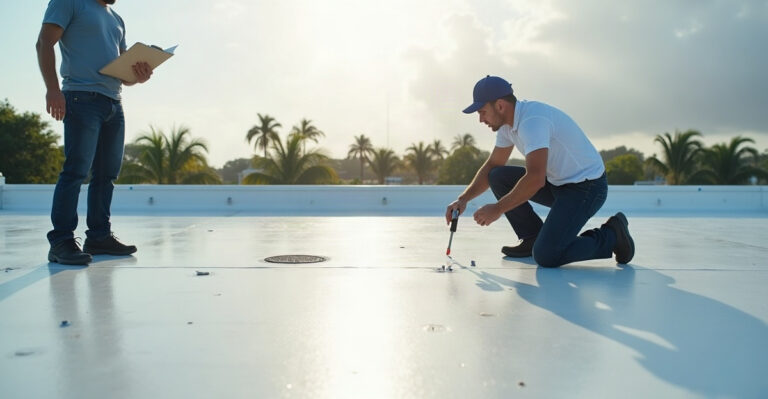
Commercial roof insurance Florida policies involve additional considerations. Flat roof systems such as TPO, modified bitumen, or built-up roofs are heavily evaluated on drainage performance and maintenance history. Ponding water, patchwork repairs, or undocumented service can affect eligibility.
From our experience working with Central and Northeast Florida property owners, documentation matters. Clear records. Recent photos. Verified inspections. Those details strengthen renewal discussions and claims conversations.
Actual Cash Value vs. Replacement Cost: What You Will Really Be Paid
Understanding actual cash value vs replacement cost roof coverage is essential before filing a claim.
Replacement Cost Value (RCV) typically pays the full cost to replace the roof at current market pricing, minus the deductible. After work is completed, recoverable depreciation is often released if the policy includes that feature.
Actual Cash Value (ACV) pays the depreciated value of the roof. That means the insurer subtracts wear and age from the payout. On a 20-year-old shingle roof, that depreciation can be significant.
Some Florida insurers automatically convert policies to ACV settlement once a roof passes a certain age threshold. Others allow RCV coverage if inspection reports confirm the roof remains in good condition.
Consider this example. A hurricane damages a 20-year-old shingle roof:
- If the policy provides RCV and storm damage is verified, the insurer may fund full replacement after the deductible.
- If the policy is ACV, the payout could reflect heavy depreciation, leaving the property owner with only partial repair funds.
That difference can equal thousands of dollars.
Before starting a Florida storm damage roof claim, review policy declarations carefully. For those wondering does insurance cover roof damage from storms, the answer depends heavily on the settlement type and cause of loss.
We also help property owners evaluate whether repair is practical or if full replacement makes more sense. In many cases, reviewing repair or replace a 20-year-old roof options clarifies the financial path forward.
Wear and Tear vs. Storm Damage: Why Claims Get Approved or Denied
The most important distinction in any claim is roof wear and tear vs storm damage. Insurance covers sudden and accidental loss, while standard homeowners policies exclude wear, deterioration, and maintenance issues according to the Policygenius.
Below is a quick reference guide that often determines whether a Florida storm damage roof claim succeeds or leads to a roof coverage denial Florida decision:
When Insurance Typically Covers
- Sudden wind uplift from a named storm
- Hail-created punctures or fractures
- A verified storm-created opening that leads to interior water damage
When Insurance Typically Does Not Cover
- Curling, brittle, or deteriorating shingles from age
- Ongoing maintenance neglect
- Gradual water intrusion without a documented storm event
Carriers look for evidence of a defined event. They examine shingle creases, impact marks, and collateral damage. They also check for pre-existing issues.
For property owners wondering can insurance deny roof replacement claims, the answer is yes, especially if the damage appears age-related rather than storm-specific.
That is why prompt inspections matter. After a major weather event, we recommend scheduling a documented evaluation through professional storm damage repair services. Early documentation strengthens the claim and creates a clear timeline of loss.
What Residential and Commercial Owners Should Prepare Before Filing a Claim
Preparation strengthens outcomes. Clear records reduce disputes.
Before filing, gather:
- Recent roof photos showing overall condition
- Maintenance records and past repair invoices
- Prior inspection reports
- Documentation of the date of last replacement
Roof inspection insurance Florida reports can support both underwriting and claims discussions. Commercial managers should also maintain flat roof inspection logs, drainage documentation, and manufacturer warranty records. For flat systems, documented maintenance often carries significant weight.
We recommend three practical steps:
- Schedule a professional inspection.
- Request a written condition report.
- Ask whether targeted repairs could extend remaining service life.
These steps also support discussions about how to get insurance to pay for roof replacement Florida scenarios. Insurance carriers want evidence. Licensed contractors provide that clarity.
If damage is confirmed, timely filing is critical. Our guide on how to file a roof insurance claim after a storm outlines practical next steps.
When repairs are appropriate, documented roof repair services can stabilize the system and improve underwriting outcomes. When full replacement is necessary, informed planning prevents rushed decisions.
We do not guarantee claims. No reputable contractor should. Instead, we provide transparent assessments so property owners can move forward confidently.
Insurance policies change. Carrier rules evolve. The strongest approach is simple: maintain the roof, document everything, and consult both the insurance provider and a licensed local roofing professional. If an inspection or evaluation is needed, we can coordinate next steps through our main office at our contact page.
Frequently Asked Questions
Homeowners insurance in Florida may cover an old roof if the damage results from a sudden covered event, such as wind, hail, or hurricane debris. Policies generally do not pay for problems caused by aging, poor maintenance, or gradual deterioration. Insurers often require inspections for older roofs and may adjust coverage terms based on the roof’s condition and remaining service life.
Florida insurers inspect older roofs to evaluate their condition and remaining lifespan before approving coverage or renewal. Roof systems naturally deteriorate over time, increasing the risk of leaks or storm damage as documented in building durability guidance from the Skyline Roofing. Inspections help insurers determine whether the roof is well maintained, structurally sound, and still eligible for coverage under the current policy guidelines.
Actual Cash Value (ACV) coverage pays the depreciated value of a roof rather than the full replacement cost. When a roof is older, depreciation significantly lowers the amount an insurer pays after a covered loss. For example, a 20-year-old roof may receive only a portion of the replacement cost because the insurer subtracts age and wear when calculating the claim settlement.
Insurance companies can deny a roof claim if the damage appears to result from wear, deterioration, or lack of maintenance rather than a covered event. Age alone does not automatically trigger denial, but older roofs face closer scrutiny during claims. Insurers often look for clear evidence that wind, hail, or another sudden event caused the damage.
Homeowners can improve the chances of maintaining insurance coverage by keeping detailed maintenance records and scheduling regular roof inspections. Repairing minor issues promptly and documenting the roof’s condition with photos and contractor reports can demonstrate proper upkeep. Insurers often rely on this documentation when deciding whether an older roof still qualifies for coverage.