Can Poor Ventilation Cause Roof Damage?
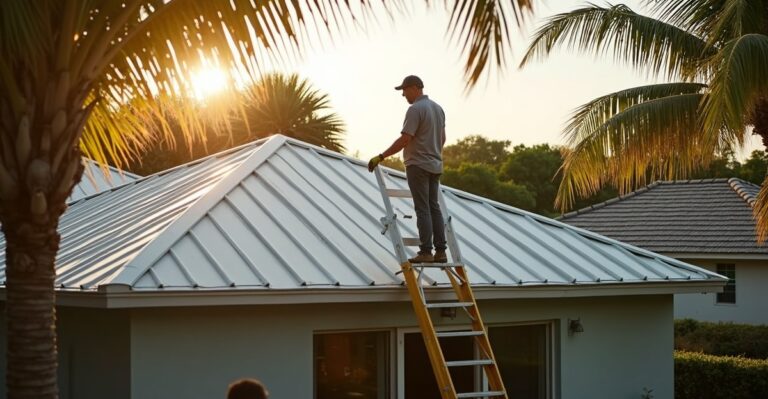
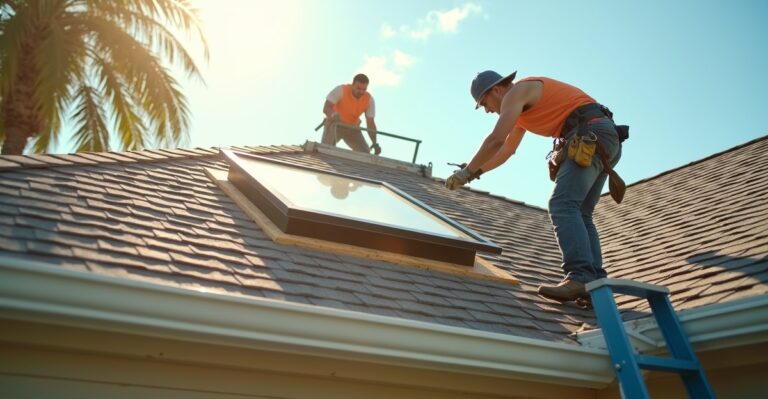
Poor ventilation roof damage Florida property owners face often starts with trapped heat and constant humidity that quietly degrade shingles, decking, insulation, and flat roof membranes. We see how Florida’s heat and storm season strain roofing systems year-round. Unbalanced intake and exhaust airflow create condensation, mold, higher energy bills, weakened materials, and even warranty issues. Proper ventilation protects long-term roof performance.
Key Takeaways
- Trapped heat and moisture in Florida attics accelerate shingle aging, dry out underlayment, and weaken sealants, which shortens roof lifespan.
- High humidity creates condensation on decking and fasteners. That moisture fuels mold growth, wood rot, rust, and structural decline.
- Poor ventilation drives up cooling costs, damages insulation, and lowers energy efficiency in residential and commercial buildings.
- Flat and low-slope commercial roofs face high risk from trapped moisture. That buildup can cause membrane blistering and concealed leaks.
- Early inspections and balanced intake and exhaust ventilation upgrades usually cost far less than major structural repairs or premature roof replacement.
How Poor Roof Ventilation Damages Homes and Commercial Buildings in Florida
Poor ventilation roof damage Florida properties experience is common—and preventable. In our hot, humid, storm-prone climate, trapped heat and moisture put steady pressure on roofing systems year-round.
During Florida’s long cooling season, attic heat buildup Florida homes face can push attic temperatures far above the outdoor air. That excess heat rises from the living space and radiates from the roof surface. Shingles absorb it. Underlayment dries out. Sealants age faster. Over time, this shortens the life of even quality systems like shingle roofs.
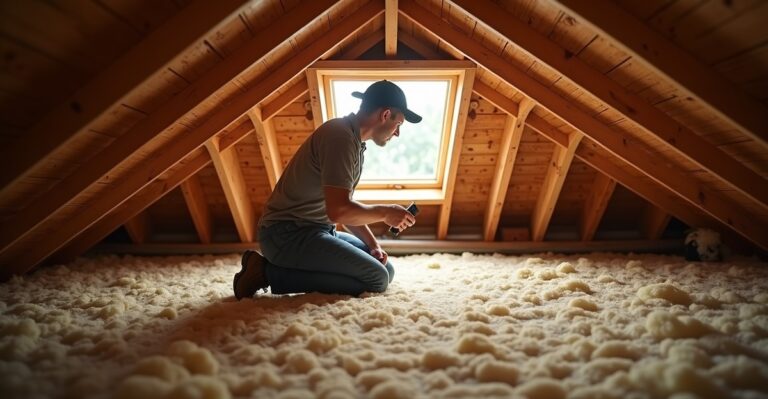
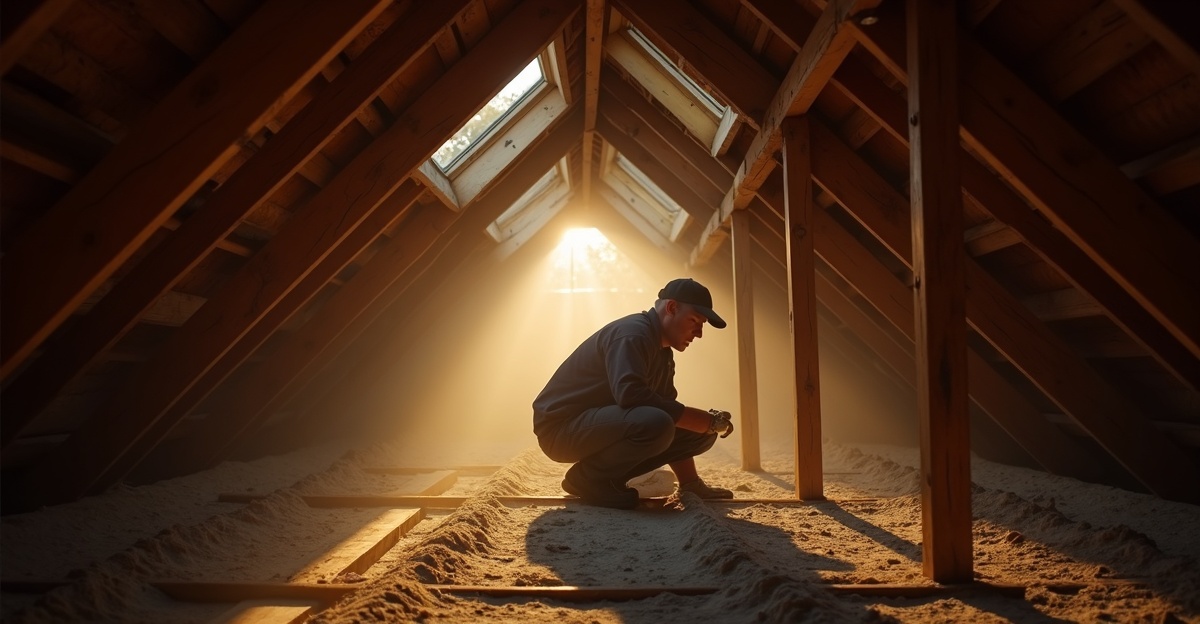
Humidity creates an even bigger problem. When warm, moist air has nowhere to go, condensation forms on the underside of decking and around fasteners, as explained in building science research on attic moisture and condensation. That moisture leads to mold growth, wood rot, rusted nails, and soft decking. We often see this in homes that appear fine from the street but hide damage in the attic.
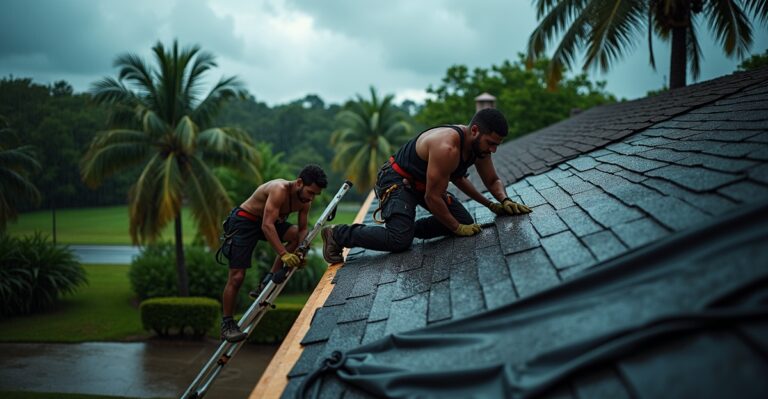
Hurricane season roof ventilation concerns add another layer. Poorly balanced systems can allow wind-driven rain to enter. At the same time, excess internal moisture may have already weakened materials before a storm ever arrives.
For commercial roof ventilation Florida properties, especially warehouses and retail buildings, heat and humidity can damage insulation, membranes, and even interior assets. Flat roofing assemblies are especially vulnerable when moisture gets trapped beneath the surface of flat roofs.
Not every poorly ventilated roof is failing. Still, ignoring warning signs increases the risk of structural damage and premature roof replacement. Early action protects both the building and the budget.
Clear Signs of Poor Roof Ventilation You Shouldn’t Ignore
Ventilation problems rarely stay hidden for long. The signs usually show up in subtle, expensive ways.
Common warning signs include:
- Rising cooling costs or high energy bills linked to roof ventilation concerns.
- Curling, blistering, or prematurely aging shingles.
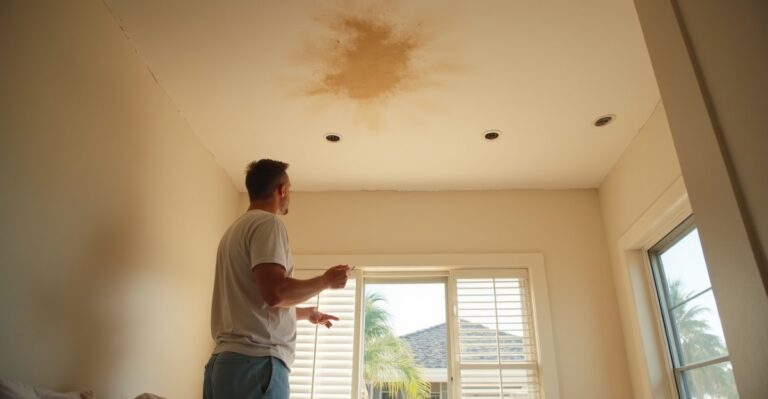
- Water stains on ceilings or darkened roof decking.
- Musty odors or visible mold—issues discussed in roof mold prevention insights.
- Rusted nails or corroded metal components in the attic.
- Moisture trapped beneath flat roof membranes.
- Interior condensation near HVAC units in commercial buildings.
- Insulation saturation or compressed insulation.
Florida roof humidity damage often shows up after long stretches of heat followed by intense afternoon storms. Moist air builds up during the day. Storm systems then shift pressure quickly, driving moisture deeper into small openings.
These symptoms frequently appear before structural failure. A professional inspection at this stage can prevent major structural repairs and business interruptions.
Why Florida’s Climate Makes Ventilation Problems Worse
Florida’s environment amplifies small ventilation issues.
High humidity floats in the air almost year-round. Once that moisture enters an attic or roof cavity, it condenses when temperatures drop at night. Repeated cycles create hidden damage. We explain this dynamic in detail in our discussion on how humidity affects roofing materials.
Afternoon storms and hurricane-driven rain push water into vulnerable openings. Coastal salt exposure accelerates corrosion on fasteners and metal flashing. This combination compromises structural integrity faster than in drier climates.
The long cooling season keeps attics hot for extended periods. That worsens attic heat buildup Florida properties already struggle with. Without proper airflow, temperatures stay elevated day after day.
Balanced ventilation is simple in concept. Fresh air enters through soffit vents at the eaves and exits through ridge vents or exhaust systems near the peak, following the balanced intake-and-exhaust ventilation principles recommended by building science experts. Intake and exhaust must work together. If soffits are blocked or ridge vents are insufficient, airflow stalls and heat becomes trapped.
Damaged eaves and trim can also interfere with intake. That’s why we often pair ventilation evaluations with fascia and soffit repairs. Healthy airflow starts at the edges.
What Poor Ventilation Does to Roofing Materials and Warranties
Shingle systems absorb direct sun daily. When attic temperatures spike, asphalt shingles “bake” from below. Granules loosen. Edges curl. Sealant strips weaken. Over time, the roof ages well before its expected lifespan.
Underlayment and decking suffer from trapped moisture. Wood fibers swell and soften. Mold feeds on organic material. Structural strength declines gradually, often without visible exterior warning signs.
Commercial membranes such as TPO or modified bitumen can blister when moisture gets trapped beneath the surface. Seams experience stress as materials expand and contract. Service life shortens, and leaks become harder to isolate.
Moisture-damaged insulation loses R-value, a problem documented in buildingscience resources on insulation performance. That increases cooling loads and operational costs. Energy use rises, creating a chain reaction of expenses.
Some manufacturers specify minimum ventilation requirements. If those standards aren’t met, warranties may be reduced or voided. That’s an unpleasant surprise many property owners discover only after a claim.
Ventilation upgrades usually cost far less than structural deck replacement or emergency roof repairs. The comparison is straightforward: correct airflow early or pay for compounded damage later.
Understanding Costs: Minor Fixes vs. Major Repairs
Many ventilation corrections are practical and affordable. Clearing blocked soffits. Adding ridge vents. Increasing exhaust capacity. Each step improves airflow and reduces stress on the system.
Our experienced team often resolves issues through targeted roof ventilation services rather than large-scale construction. Balanced intake and exhaust can restore performance quickly.
Minor corrections typically cost far less than replacing rotted decking or tackling mold remediation. Once structural damage sets in, labor and material expenses rise sharply.
Commercial flat roof ventilation issues may require partial insulation tear-off and membrane repair. If moisture has spread widely, restoration becomes more complex and disruptive.
We always encourage proactive budgeting. Addressing roof ventilation problems Florida properties face early protects long-term value and reduces future maintenance surprises. It’s a practical investment in the building’s lifespan.
When to Schedule a Roof Inspection in Florida
A professional roof inspection Florida property owners trust should happen when warning signs appear. Energy bills spike unexpectedly. Mold odors spread. Water stains become visible. Hurricane season passes and concerns linger.
Roofs older than 10 years deserve closer attention, especially if they’ve endured multiple storm cycles. Mid-life systems often reveal ventilation shortcomings first.
A thorough inspection includes attic airflow evaluation. We measure intake versus exhaust balance. Moisture readings help identify condensation patterns. Decking condition is assessed from below and above where possible. Exterior shingles or membranes are reviewed for early deterioration. Documentation supports insurance claims and keeps warranty requirements clear.
Some ventilation upgrades may look simple from the ground. Yet balanced airflow calculations and moisture detection require experience and proper tools. DIY adjustments often solve one problem while creating another.
Our approach stays transparent. We explain findings clearly. We outline options with pros and cons. Then we move forward together.
For Central and Northeast Florida homeowners and property managers, scheduling an evaluation with a trusted local contractor makes sense. Reach out through our contact page or learn more about our team at Pyramid Roofing FLA. Protecting roofs in our community isn’t just work for us—it’s a responsibility we take seriously.
Frequently Asked Questions
Yes, poor roof ventilation can cause significant roof damage in Florida’s hot and humid climate. When heat and moisture become trapped in the attic, roofing materials deteriorate faster. Shingles can curl or blister, decking may rot, and mold can develop. Over time, this hidden moisture and heat buildup can shorten the roof’s lifespan and lead to costly structural repairs.
Attic heat buildup in Florida can raise attic temperatures far above outdoor conditions. Excess heat radiates into roofing materials from below, accelerating shingle aging and weakening sealants. It can also dry out underlayment and damage insulation. Proper attic ventilation allows hot air to escape, helping protect roofing components and improving overall energy efficiency in the home.
Common signs of poor roof ventilation include rising energy bills, curling or blistering shingles, mold or musty smells in the attic, and rusted nails or damp insulation. Homeowners may also notice water stains on ceilings or condensation on attic surfaces. These symptoms indicate trapped heat and moisture that can gradually damage roofing materials and structural components.
Yes, poor ventilation can damage flat and low-slope commercial roofs in Florida. Trapped moisture beneath roofing membranes may cause blistering, seam stress, and hidden leaks. Over time, insulation can become saturated and lose its thermal performance. Proper airflow and moisture control are essential for protecting flat roof systems and preventing premature membrane failure.
Florida homeowners should consider a roof inspection when they notice signs like higher cooling costs, mold odors, or visible roof wear. Roofs older than about ten years should also be evaluated regularly, especially after severe storm seasons. A professional inspection can identify ventilation imbalances early, helping prevent moisture damage and extending the roof’s service life.