Can Skylight Installation Increase Energy Costs?
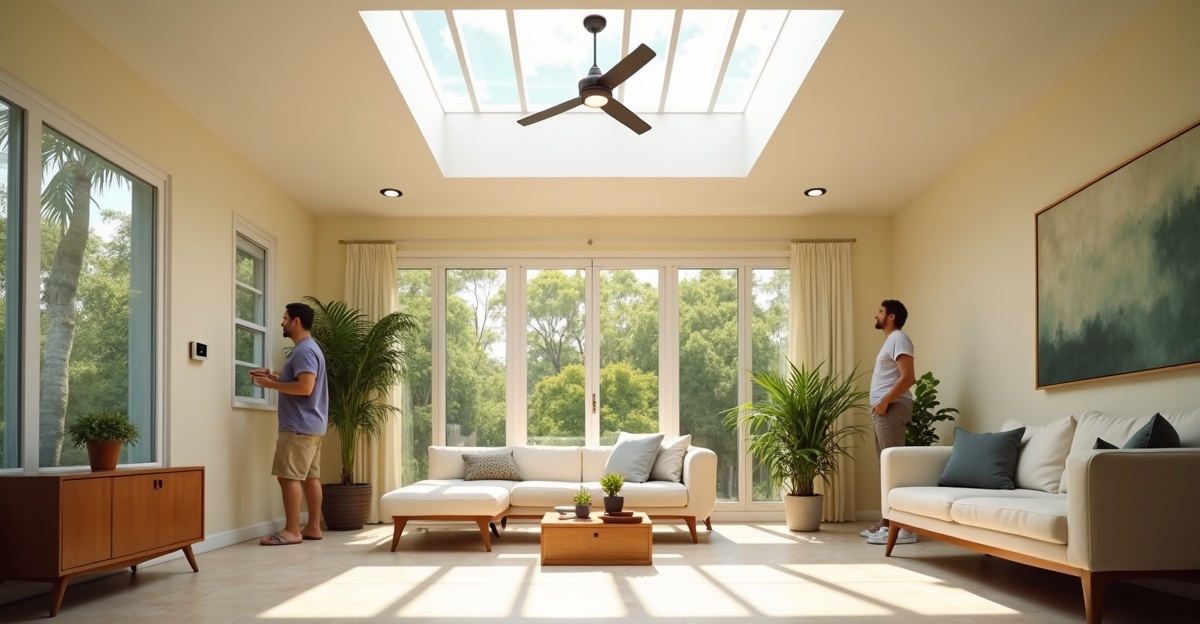
Skylight energy cost in Florida depends on product quality, glass specifications, placement, insulation, and installation quality, not simply the decision to add a roof window. Florida’s hot, humid climate puts pressure on cooling systems. Poorly selected or badly installed skylights can raise cooling bills. Well-built, energy-efficient models with proper sealing and smart orientation can control heat gain and reduce daytime lighting use.
Key Takeaways
- Poorly chosen or outdated skylights, especially single-pane or high SHGC models, can increase cooling loads during Florida’s long, hot seasons.
- Proper specifications like a low U-factor, low SHGC, double-pane glass, Low-E coatings, and hurricane-rated seals limit heat gain and air leakage.
- Placement and roof orientation matter, since south- and west-facing skylights receive intense afternoon sun that raises indoor temperatures.
- Professional installation with correct flashing, shaft insulation, and airtight sealing prevents drafts, moisture intrusion, and energy loss.
- Lighting savings can offset some costs in commercial buildings with high daytime lighting demand, while residential bill changes usually remain modest.
The Short Answer: Yes, Skylights Can Increase Cooling Costs in Florida—But Not Always
Yes, skylights can increase cooling costs in Florida if they’re poorly selected or installed. They can also maintain efficiency or even offset some lighting expenses when optimized for our climate.
The real question is this: do skylights increase cooling costs in Florida? The honest answer is that skylight energy cost in Florida depends on several factors. Product quality matters. Placement matters. Roof design, insulation levels, and HVAC efficiency all play a role. Professional installation makes a major difference.
Results vary between homes and commercial properties as well. A retail space with lights running all day may see benefits from daylighting. A small home hallway may not see major savings. That’s why we always look at the full roofing system before making recommendations.
We believe in balance. Skylights can add beauty and natural light. They can also increase heat gain if the wrong glass or orientation is used. The outcome depends on smart planning, not guesswork.
How Florida’s Heat, Humidity, and Storms Impact Skylight Performance
Florida brings high solar exposure, long cooling seasons, heavy humidity, and hurricane risks. Those conditions place extra demands on any roof opening.
Skylight heat gain in Florida is a real concern. Sunlight entering through glass adds warmth to interior spaces. That added heat makes air conditioners run longer and work harder, especially during peak summer afternoons.
Several technical terms help explain performance:
- According to the U.S. Department of Energy, U-factor measures how well a skylight prevents heat transfer, with lower values indicating stronger insulation performance.
- SHGC (Solar Heat Gain Coefficient) measures how much solar radiation passes through the glass. In hot climates like ours, a lower SHGC reduces unwanted heat gain.
- Low-E coatings are thin metallic layers on the glass. They reflect infrared heat and block many UV rays while still allowing visible light inside.
Storm protection also affects efficiency. Hurricane-rated skylights in Florida use impact-resistant glass and reinforced frames designed to meet Florida Building Code impact protection requirements. Tight seals limit air leakage and water intrusion. In a humid climate, even small flashing gaps can allow moisture to enter. That moisture reduces insulation performance and can damage surrounding materials.
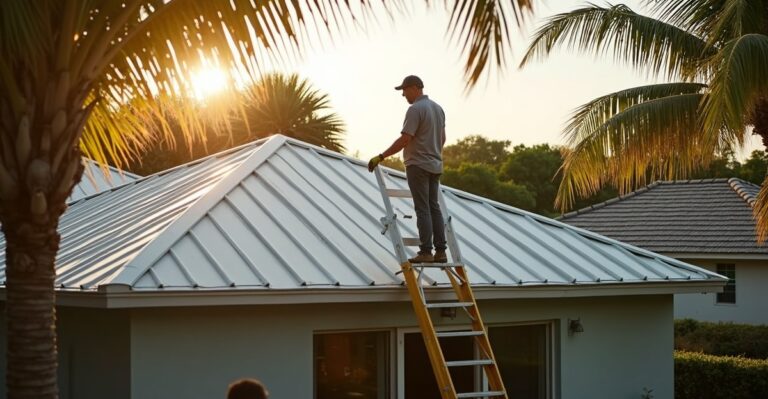
Roof type matters too. We commonly install skylights on shingle roofs, metal panels, tile systems, and low-slope commercial membranes. Each requires different flashing details to maintain watertight performance and energy efficiency.
When flashing and sealing are done correctly, skylights can perform well even in Florida’s demanding climate.
What Increases Energy Costs After Skylight Installation
Certain conditions are more likely to raise cooling bills.
- Outdated or single-pane skylights allow significant heat transfer.
- Older acrylic domes often lack modern insulating features.
- High SHGC ratings in our climate can push more solar heat indoors, increasing AC loads.
Placement plays a major role. South- or west-facing skylights receive intense afternoon sun. Without tinting or shading, they may contribute to higher indoor temperatures. Roof slope also affects how directly sunlight enters the home.
Air leakage is another common problem. Improper flashing, weak seals, or gaps around the curb allow conditioned air to escape. That forces HVAC systems to compensate.
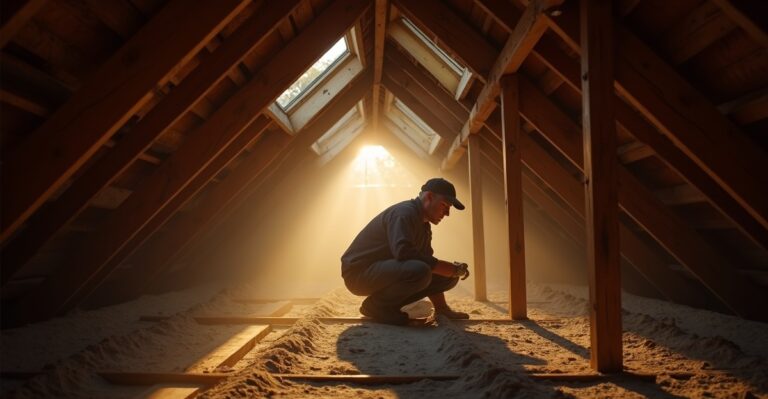
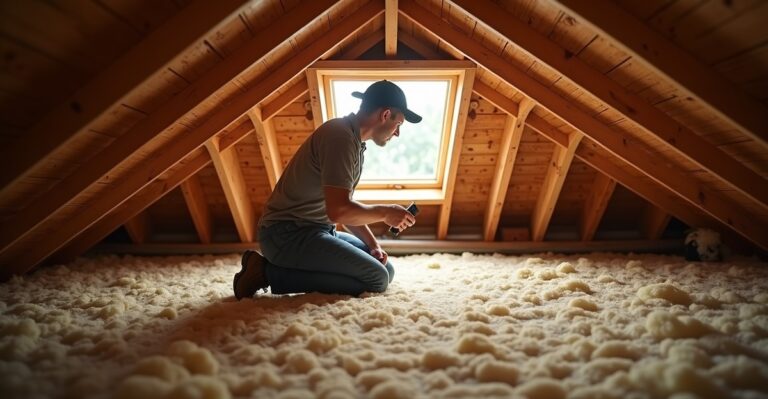
Insulation details matter as well. If attic insulation is cut back or poorly sealed around the skylight shaft, heat can move freely between roof and living space.
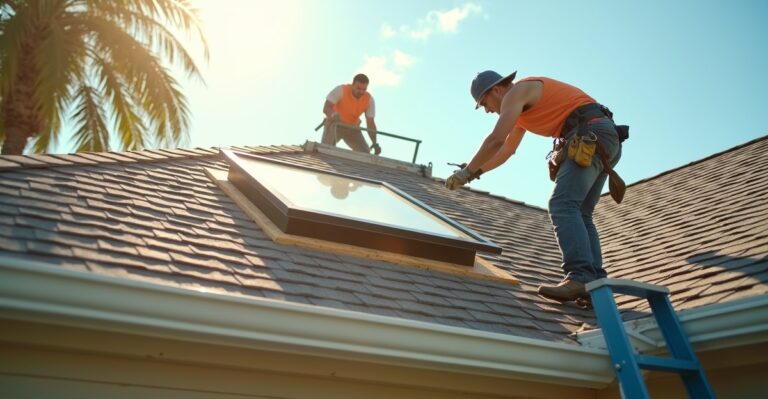
We’ve seen issues caused by rushed or inexperienced work. That’s why professional skylight installation in Florida is essential. Proper integration with the roofing system prevents drafts, moisture intrusion, and unnecessary energy loss.
These risks are preventable. With the right products and craftsmanship, we can minimize or eliminate most of them.
What Protects or Even Improves Florida Skylight Energy Efficiency
Today’s skylights are far more efficient than older models. The right specifications make a noticeable difference.
- Double- or triple-pane glass improves insulation.
- Low-E glass blocks UV rays and reduces solar heat gain without sacrificing brightness.
- Selecting a lower SHGC rating suited for Florida helps control indoor temperatures.
Vented skylights offer additional benefits. When opened, they allow trapped hot air to escape. This passive airflow can reduce heat buildup near ceilings and may help manage humidity in kitchens or bathrooms.
Hurricane-rated, tightly sealed units limit air leakage. Secure flashing keeps water out and preserves insulation performance. Proper curb construction and air sealing protect the surrounding roof assembly.
Roof insulation and skylights must work together. If insulation around the shaft is continuous and sealed, the system performs much better. In some cases, adjusting attic airflow through professional roof ventilation services further improves overall energy behavior.
Homeowners interested in daylighting often review natural light and savings considerations alongside cooling loads. A balanced view helps set realistic expectations.
Balancing Lighting Savings vs. Cooling Load
Natural daylight can reduce the need for electric lighting during daytime hours, a concept widely recognized in commercial building daylighting strategies. That creates a skylight vs. electric lighting cost comparison worth considering.
In commercial buildings, commercial skylight energy savings may be more noticeable. Large retail spaces, warehouses, and offices often run lighting systems all day. Replacing artificial lighting with daylight can offset part of the cooling impact, depending on the building design.
Residential benefits are usually smaller. Hallways, bathrooms, and kitchens see improved brightness. However, most homes already use limited daytime lighting, so total utility bill changes may be modest.
Increased natural light does not automatically equal lower total energy bills. Cooling demand must be factored in. HVAC efficiency, insulation levels, and roof color all influence results.
For property owners exploring broader energy improvements, comparing skylights with other options is wise. Articles like cool roof benefits or roof coatings and cooling costs provide additional context. Sometimes combining strategies yields the best performance.
Every building behaves differently. Usage patterns and design details determine whether daylighting offsets added cooling loads.
Residential vs. Commercial Considerations and Smart Next Steps
Homes typically feature pitched roofs, attic insulation, and HVAC systems sized for family use. Homeowners often focus on predictable monthly cooling bills. Skylight placement, shaft insulation, and glass specifications are critical in these settings.
Commercial properties often have flat or low-slope membranes with larger roof spans. Lighting runs longer hours. In those environments, daylight can offset a portion of artificial lighting demand, especially in open interiors.
In both cases, we evaluate the entire roofing system. We look at insulation, ventilation, roof covering, and structural layout before recommending changes. A skylight should complement the roof, not compromise it.
We encourage a careful assessment and energy-focused consultation before moving forward. Our team at Pyramid Roofing FLA works with homeowners and business owners across Central and Northeast Florida to review Low-E options, ideal SHGC levels, and hurricane-rated models suited for local conditions.
Questions about sizing, placement, or pricing are always welcome. We provide clear guidance and warranty-backed workmanship without pressure. For a personalized evaluation, connect with us through our contact page and schedule a roof and skylight assessment built around Florida’s unique climate.
Frequently Asked Questions
Skylights can increase energy costs in Florida if they allow excessive solar heat into the home. Poorly insulated or single-pane skylights can raise indoor temperatures and force air conditioners to run longer. However, modern energy-efficient skylights with Low-E glass, double panes, and low Solar Heat Gain Coefficient (SHGC) ratings can limit heat gain and keep cooling costs relatively stable.
Skylight energy cost in Florida depends on glass type, SHGC rating, U-factor, placement, and installation quality. Skylights that face strong afternoon sun or lack proper sealing can increase cooling demand. Energy-efficient glazing, airtight flashing, and insulated skylight shafts help reduce heat transfer and prevent unnecessary strain on HVAC systems.
Energy-efficient skylights can be worth installing in Florida when they are properly specified for hot climates. Features like Low-E coatings, double-pane glass, and hurricane-rated frames reduce solar heat gain while allowing natural daylight inside. When installed correctly, they can improve indoor lighting without causing major increases in cooling costs.
The effect skylights have on air conditioning use varies by design and placement. Skylights with high SHGC ratings or direct west-facing exposure may increase cooling loads during hot afternoons. Well-designed skylights with low SHGC glass and proper insulation usually cause only modest changes in cooling demand for most residential homes.
Several features help reduce skylight energy costs in Florida. Double-pane or triple-pane glass improves insulation, while Low-E coatings reflect infrared heat and block UV rays. A low SHGC rating helps control solar heat gain, and professional installation with sealed flashing and insulated shafts prevents air leakage that could raise cooling bills.