Can Skylights Improve Natural Light and Savings?
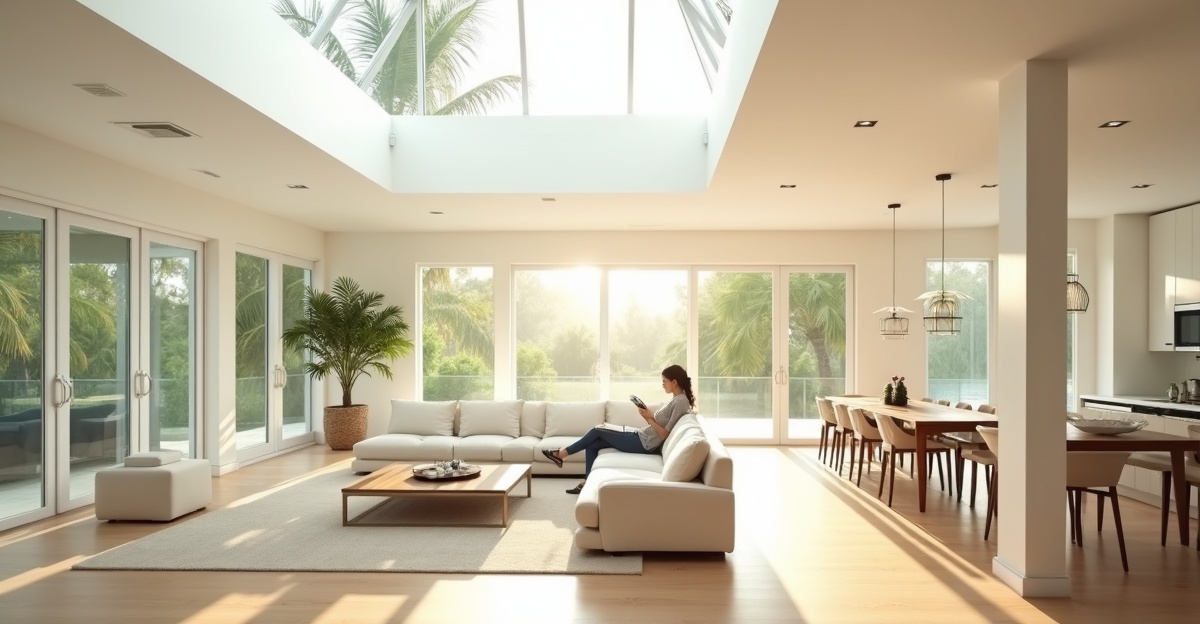
Florida property owners see clear gains from skylights because we bring in 35–50% more daylight than vertical windows and push that light deeper into interior spaces. We cut the need for artificial lighting during peak sun hours, and when we pair proper placement with impact-rated, energy-efficient glazing built for Florida’s heat and storms, we improve comfort while keeping cooling demand in check.
Key Takeaways
- We capture overhead sunlight and spread it deeper into rooms, which often lowers daytime lighting use in homes, warehouses, and retail spaces.
- We determine energy performance in Florida by orientation, glazing type, and ENERGY STAR ratings so we balance daylight with controlled heat gain.
- We get softer, consistent light from north-facing units, while south- and west-facing skylights require tinted glazing or shades to manage glare and excess heat.
- We install hurricane-rated, impact-resistant skylights with proper flashing and underlayment to prevent leaks and meet Florida building codes.
- We see installed costs range from $1,500 to $3,500 or more per unit, and we achieve the strongest return in properties that rely heavily on daytime lighting.
How Skylights Change a Room’s Light — and Why That Matters in Florida
Skylights deliver 35–50% more daylight than vertical windows of the same size because they capture light from above. That overhead placement allows sunlight to spread deeper into the room instead of stopping at the wall.
We see it across Central and Northeast Florida. A dark hallway in a suburban home becomes bright and usable during the day. A warehouse or retail space cuts back on overhead lights during peak sun hours. In both cases, the shift feels immediate. Rooms look larger. Colors appear truer. People feel more alert and comfortable.
These improvements drive real skylight natural light savings Florida property owners appreciate. Reduced reliance on artificial lighting during the brightest parts of the day can lower daytime electricity use. Light also distributes more evenly, which minimizes harsh shadows and glare.
Florida’s climate makes placement critical. Strong UV exposure and intense sun can be a gift or a problem. Proper orientation and glazing determine whether we gain balanced daylight or excess heat. With the right configuration, skylights enhance comfort. With poor planning, they can overwhelm a space. That’s why evaluation always comes first.
Do Skylights Lower Energy Bills in Florida’s Hot, Humid Climate?
Skylights can reduce lighting-related energy costs. At the same time, we must measure their impact on cooling demand. Achieving skylight energy efficiency in a hot climate requires balance.
Natural daylight reduces the need for electric lighting during daytime hours. In homes with high vaulted ceilings or commercial spaces that operate long daytime hours, this can create noticeable savings. Warehouses and retail stores often see the clearest benefits because lights would otherwise stay on all day.
However, skylight heat gain Florida property owners experience can increase air conditioning usage if the unit is outdated or poorly placed. Solar heat entering through glass adds strain to the HVAC system. We often explain this as HVAC load and skylights working together. Gains in one area may increase demand in another.
Modern products minimize those tradeoffs:
- Low-E coatings reflect infrared heat while allowing visible light through, as explained by the U.S. Department of Energy’s guidance on energy-efficient window technologies.
- Tinted glazing reduces glare and solar gain.
- Double- or triple-pane glass improves insulation.
- ENERGY STAR skylights rated for southern climate zones are tested for high-heat environments.
Results always depend on size, orientation, insulation levels, and building usage patterns. We never promise guaranteed savings. What we do recommend is selecting products specifically rated for Florida’s climate and installing them correctly. In many cases, especially where daytime lighting needs are high, well-selected skylights can modestly reduce total energy use.
For homeowners evaluating overall efficiency, roof design also matters. Reviewing energy-saving roof options helps ensure the entire system works together.
Placement, Glazing, and Venting: What Makes or Breaks Performance
In Florida, direction makes a difference. North-facing skylights provide consistent, softer daylight with less heat gain. South- and west-facing units receive stronger afternoon sun. Those often require tinted glazing or interior shades to control glare and temperature spikes.
Product configuration also plays a role. Fixed skylights remain sealed and focus purely on light. Vented models open manually or electronically. In hot climates, vented units can help release trapped ceiling heat and support airflow. That’s especially helpful in rooms with high ceilings where warm air collects.
Humidity adds another layer. Proper sealing prevents condensation buildup inside the shaft or along the frame. Roof flashing for skylight installation is the metal and waterproof barrier system that directs water away from seams and protects against intrusion. When flashing fails, leaks follow.
Integration matters as well. Installing skylights during a roof replacement is often more cost-effective than retrofitting later. The roofing system is already open, underlayment can be integrated smoothly, and disruptions stay minimal.
Both residential skylight benefits and commercial skylights Florida property owners consider depend on this coordination. For ventilation-focused projects, combining the skylight plan with proper roof ventilation services can further stabilize temperatures and manage attic moisture. Balanced airflow supports performance across the entire roofing system.
Are Skylights Safe in Hurricanes and Heavy Rain?
Florida’s storm exposure makes durability a top concern. When properly selected and installed, hurricane-rated skylights Florida homes use can meet Florida Building Code impact-resistance requirements for roof glazing systems.
Impact-resistant skylights use laminated, debris-rated glass designed to withstand windborne debris as defined in wind-impact glazing standards referenced by the Guardian Shield Windows And Doors. This construction helps resist damage from windborne objects. Reinforced frames and tested assemblies improve performance under extreme pressure changes during storms.
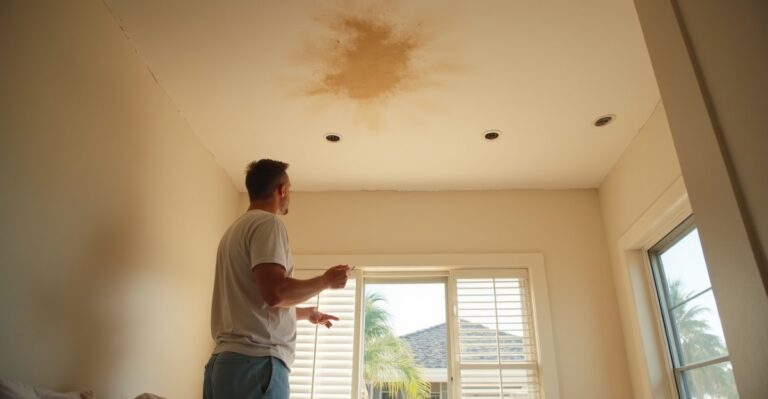
Skylight leaks prevention comes down to professional installation, underlayment integration, and proper flashing details. Aging seals and poor workmanship cause most issues, not the skylight itself. We often clarify myths about leakage in discussions like do skylights cause leaks, because the cause is usually installation quality.
Secondary water barriers and manufacturer-backed warranties provide added peace of mind. Some insurance providers also request documentation confirming compliance with impact ratings. Keeping paperwork on file supports smoother claims if storms cause roof damage elsewhere.
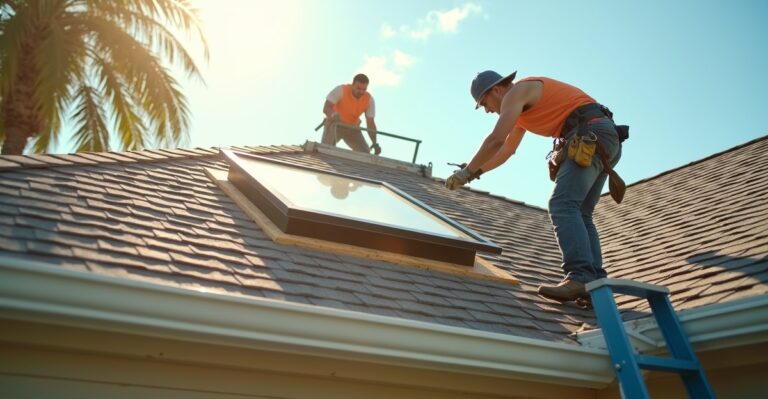
Professional skylight installation ensures the system aligns with both building code and long-term durability expectations. Cutting corners here is risky. Proper installation protects both the opening and the entire roofing assembly.
What Do Skylights Cost in Florida — and What’s the Real ROI?
Residential skylight cost Florida homeowners can expect typically ranges from $1,500 to $3,500 or more per unit installed. Larger, custom, or commercial systems may reach several thousand dollars and increase based on size and complexity.
Several factors influence pricing:
- Roof pitch and material type
- Structural framing adjustments
- Impact-rated or energy-efficient glazing upgrades
- Interior drywall and finishing work
New installations cost more than replacements performed during re-roofing. Adding a skylight while completing a broader roof installation often reduces labor overlap and material duplication. Retrofitting into an older roof may require more demolition and structural modification.
Return on investment depends on how the space is used. Homes may see modest lighting savings and improved visual appeal. Many buyers respond positively to well-placed skylights, and property value questions often arise in discussions like home value impact.
Commercial properties, particularly warehouses and retail stores with high daytime lighting demand, typically experience clearer operating cost offsets. In those settings, consistent daylight can significantly reduce artificial lighting hours.
Understanding full project costs helps set expectations. Reviewing skylight installation cost details provides a deeper breakdown of pricing variables.
Pros, Cons, and When a Skylight Makes Sense for Your Property
Every roofing upgrade deserves a balanced look. Skylights bring clear advantages along with practical considerations.
Pros:
- Strong natural light improvement
- Reduced daytime lighting dependence
- Attractive architectural feature
- Potential ventilation support with vented models
Cons:
- Possible heat gain if poorly positioned
- Upfront installation investment
- Ongoing seal inspection and maintenance
- Leak risk if installation lacks proper flashing
Skylights perform best when integrated into a broader roofing strategy. Florida’s heat, humidity, and storm exposure demand climate-appropriate products and careful placement.
We always recommend evaluating roof condition, structural support, and energy impact together. Planning within the context of the full roofing system prevents future headaches and supports long-term performance.
A thoughtful assessment makes all the difference. Scheduling a professional roof and skylight review through our contact page allows us to evaluate structural suitability, code compliance, and realistic energy expectations. From there, we can decide as a team whether a skylight fits the property’s goals.
Upgrades work best when they’re informed. Careful planning brings the light in without bringing problems along with it.
Frequently Asked Questions
Skylights typically deliver 35–50% more daylight than vertical windows of the same size. Because they capture sunlight from above, light spreads deeper into interior spaces instead of stopping at a wall. This helps brighten hallways, kitchens, and living areas during the day, reducing the need for artificial lighting and improving overall indoor brightness in Florida homes.
Yes, skylights can reduce daytime electricity use by decreasing reliance on artificial lighting. By allowing natural sunlight to illuminate interior spaces, homes, warehouses, and retail buildings may keep lights off during peak daylight hours. The greatest savings often occur in large or window-limited spaces where electric lighting would otherwise remain on throughout the day.
Energy-efficient skylights with Low-E coatings, tinted glazing, and double-pane glass are usually best for Florida’s hot climate. These features allow visible light to enter while limiting infrared heat transfer. ENERGY STAR–rated skylights designed for southern climate zones also help control solar heat gain and support better indoor comfort without significantly increasing air-conditioning demand.
North-facing skylights generally provide the most balanced daylight with minimal heat gain. South- or west-facing skylights receive stronger afternoon sun and may require tinted glass or interior shades to control glare and temperature increases. Proper orientation and sizing help maximize natural light benefits while maintaining energy efficiency in Florida homes.
Skylights can be worth the investment when natural lighting needs are high. Installed costs typically range from about $1,500 to $3,500 or more per unit, depending on size and installation complexity. Homeowners often benefit from brighter interiors, reduced daytime lighting use, and improved home appeal, while commercial spaces may see clearer energy savings due to extended daytime operations.