How Much Does Skylight Installation Cost?
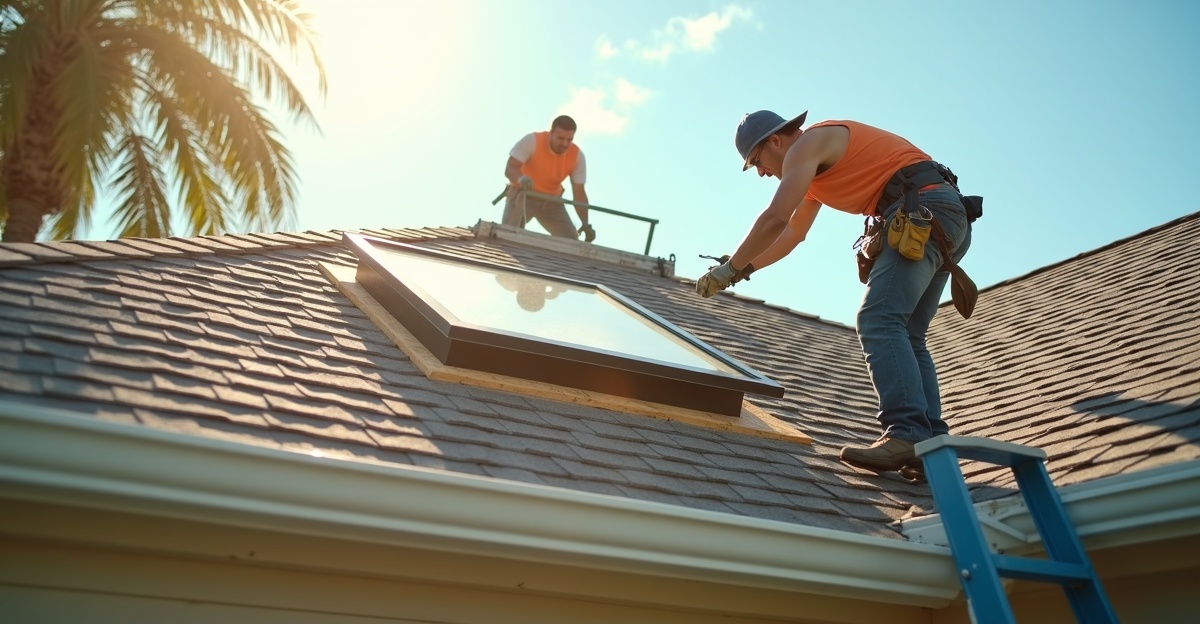
Skylight installation cost in Florida typically ranges from $1,000 to $5,000 or more per unit. Pricing depends on skylight type, roof material, structural changes, and local code requirements. Across Central and Northeast Florida, we see costs shift based on hurricane-rated products, permit fees, interior finishing, and whether we cut a new opening or replace an existing unit.
Key Takeaways
- Basic fixed skylights on standard shingle roofs usually cost between $1,000 and $2,500. Vented or hurricane-rated models often exceed $3,500 to $5,000+.
- Roof type directly affects labor costs. Tile, metal, and flat roofing systems require specialized flashing and waterproofing.
- Florida building codes, permit requirements, and hurricane-impact standards raise upfront costs, yet they improve storm protection and ensure compliance.
- Additional expenses may include electrical work for motorized units, drywall finishing, repainting, and minor roof repairs we uncover during installation.
- A detailed on-site inspection from a licensed Florida contractor delivers the most accurate estimate and protects roof warranties and long-term performance.
What Homeowners and Property Managers in Florida Are Really Paying
Skylight installation costs in Florida typically range from $1,000 to $5,000 or more per unit depending on the type and roof conditions. These are realistic price ranges we see across Central and Northeast Florida, not vague national averages.
Here’s what most property owners are paying:
- Basic fixed skylight: $1,000 to $2,500 per unit on a standard shingle roof with no major framing changes.
- Vented skylight (manual or electric): $1,800 to $3,500+ depending on size and electrical work.
- Florida hurricane rated skylights or impact resistant skylights Florida: $2,500 to $5,000+ based on size and glass type.
- Skylight replacement cost Florida (using an existing opening): often $800 to $2,000 if the framing remains intact.
- Commercial skylight installation cost: $3,000 to $10,000+ depending on size, flat roof system like TPO or metal, and site access.
Final pricing depends on roof type, structural modifications, interior finishing, and skylight permit requirements Florida. After an on-site evaluation, most homeowners who search for the cost to install a skylight in Florida fall within these ranges.
Every roof is different. A detailed inspection from a Central Florida roofing contractor or Northeast Florida skylight installation specialist determines exact pricing with confidence.
What Drives Skylight Cost in Florida: Materials, Labor, and Roof Type
Material selection and roof construction play a major role in skylight labor cost Florida.
Fixed skylights cost less because they don’t include moving parts. They’re sealed units with fewer components and lower long-term mechanical risk. Vented skylights increase cost due to hardware, crank systems, electric motors, or smart controls. Electrical work adds another layer of labor.
Roofing material significantly impacts installation:
- Asphalt shingle roofs are generally the most straightforward. Shingles are easier to lift and reset around new flashing.
- Tile roofs require careful tile removal and reinstallation. Labor is higher because tiles can crack and must be handled with precision.
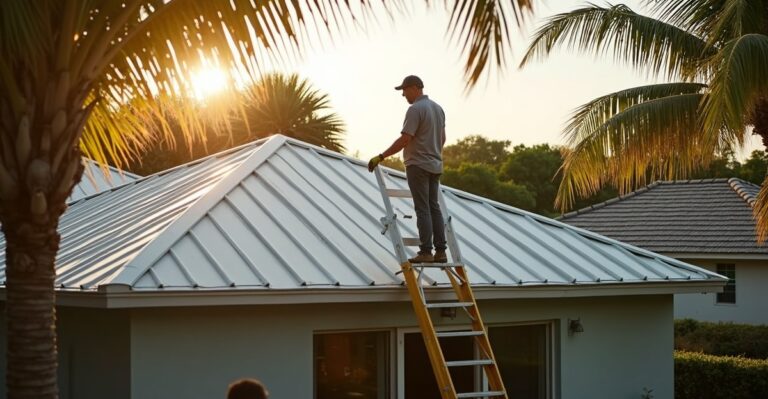
- Metal roofs need specialized flashing systems that integrate cleanly with panels. That expertise affects pricing.
- Flat or low-slope roofs such as TPO or modified bitumen require curb-mounted systems. These builds take additional waterproofing steps.
Roof penetration cost Florida increases when structural framing must be modified. Cutting rafters, adding headers, or building a light shaft through attic space adds carpentry hours. Interior finishing also matters. Drywall must be installed inside the shaft, then textured and painted to match the ceiling.
Access challenges can further influence cost. Multi-story homes or commercial buildings may require lifts, additional safety gear, or more crew members.
Labor and insurance costs in Florida are generally higher than in many other states. That reality factors into overall square-foot pricing.
Florida-Specific Requirements That Add to the Price
Florida building standards influence skylight selection and installation methods.
According to the Florida Building Code wind resistance requirements, hurricane rated skylights and impact resistant skylights are often required or strongly recommended in coastal and high-wind zones. These units include reinforced glass, stronger frames, and better anchoring systems. Wind uplift ratings and engineered flashing systems are built for storm resilience.
Most Florida local building departments require permits for roof penetrations such as skylight installations, which helps verify compliance with state building codes. Local building departments require permits and inspections to confirm compliance with the Florida Building Code. This process adds permit fees and coordination time. For homeowners curious about the broader impact of code rules, our guide on how building codes affect roof repairs explains why these steps matter.
HOA approval may also be necessary in planned communities. Some associations regulate exterior modifications.
We often install additional waterproofing layers to guard against wind-driven rain. These precautions increase upfront cost but significantly reduce long-term risk.
Skylights are safe when properly selected and installed to Florida code standards. Proper flashing, sealed underlayment, and impact-rated glass make a difference.
Hidden or Overlooked Costs to Plan For
Transparent budgeting prevents surprises during installation.
- Electrical work is a common add-on for motorized vented skylights or solar-powered blinds. Licensed electricians may be required.
- Interior repainting often follows drywall work. Even careful crews sometimes need to recoat surrounding ceiling areas for a consistent finish.
- Minor roof repairs may surface once shingles or panels are removed. Soft decking or aging flashing around nearby penetrations should be addressed immediately to protect the investment.
For general expectations, our article on roof repair cost in Florida offers helpful context.
Warranty protection is another factor. Improper installation can void a roof warranty. Professional crews help preserve both roofing and skylight manufacturer coverage.
Maintenance also plays a role long term. We recommend periodic seal inspections and clearing debris after major storms. That simple upkeep supports performance and longevity.
Understanding these factors builds trust around skylight cost Florida and helps property owners plan realistically.
Is a Skylight Worth It in Florida?
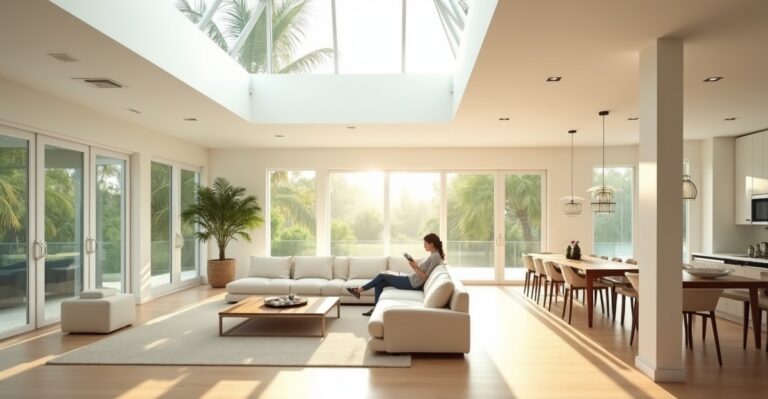
Skylights can transform interior spaces. Natural light reduces daytime dependence on artificial lighting, and the U.S. Department of Energy notes that daylighting strategies like skylights can reduce the need for electric lighting in homes.
In resale scenarios, bright, open interiors often attract buyers. We’ve explored this in detail in our article on skylights and home value in Florida.
Commercial properties can benefit as well. Natural daylight may improve comfort and overall workplace experience. For homes, properly placed, energy-efficient glazing can support HVAC balance without promising dramatic savings.
There are pros and cons.
A skylight adds architectural interest and visual impact. At the same time, any roof penetration carries risk if poorly installed. Correct flashing and material integration prevent the common concerns described in our guide on whether skylights cause roof leaks.
Energy-efficient glass coatings and thoughtful placement minimize heat gain in Florida’s climate. When planned well, the long-term value often outweighs the upfront skylight installation cost Florida for homeowners across Central and Northeast Florida.
Choosing the Right Contractor and Getting an Accurate Estimate
The right contractor makes a measurable difference in performance and price clarity.
We recommend working with a licensed and insured team experienced in Florida hurricane-rated systems and local code requirements. When reviewing proposals, confirm that the estimate clearly itemizes labor, materials, and permit fees. Our guide on what should be included in a roofing estimate outlines what to expect.
Expect a thorough site visit. We assess roof condition, attic space, structural framing, and access before finalizing numbers. That step ensures pricing reflects reality, not guesswork.
Many property owners choose to combine skylight work with a broader project such as roof replacement or scheduled roof maintenance. Bundling projects can improve efficiency and potentially reduce overall labor costs.
For those ready to explore options, our team provides professional skylight installation services across Central and Northeast Florida. An on-site evaluation gives a clear, confident understanding of the total cost to install a skylight in Florida based on the property’s unique structure and goals.
Frequently Asked Questions
The average skylight installation cost in Florida ranges from about $1,000 to $5,000 or more per unit. Basic fixed skylights installed on asphalt shingle roofs are typically the least expensive, while vented or hurricane-rated models cost more. Prices also increase if structural framing changes, electrical wiring, or interior finishing such as drywall and painting are required.
Skylight installation in Florida often costs more because contractors must follow the Florida Building Code and hurricane-impact standards. Many homes require impact-resistant glass, reinforced flashing systems, and additional waterproofing layers. Permit fees, inspections, and higher insurance and labor costs also contribute to the overall price compared to installations in states with fewer storm-related regulations.
Replacing an existing skylight in Florida usually costs between $800 and $2,000 if the original opening and framing remain intact. Replacement projects are generally cheaper because the roof structure is already prepared. However, costs can increase if the surrounding roofing material is damaged or if homeowners upgrade to larger, vented, or hurricane-rated skylight models.
Yes, roof material significantly affects skylight installation pricing in Florida. Asphalt shingle roofs are typically the easiest and least expensive to work with. Tile, metal, and flat roofing systems require specialized flashing, waterproofing methods, and careful material handling, which increases labor time and installation complexity.
Vented skylights can be worth the higher price because they provide both natural light and ventilation. These units help release hot air from upper levels, which can improve indoor comfort in Florida’s warm climate. While they cost more due to mechanical components and possible electrical work, many homeowners choose them for bathrooms, kitchens, and loft spaces.