What Are Energy-Efficient Roofing Options?
Energy-Efficient Roofing in Florida: What Matters Most for Immediate Savings and Long-Term Protection
Energy-efficient roofing in Florida means choosing a system that reflects more sunlight, releases absorbed heat quickly, and supports proper insulation and ventilation. It’s a coordinated approach, not a single product. Materials with high solar reflectance and strong thermal emittance reduce surface temperatures, while attic insulation and ventilation reduce heat transfer into living spaces.
Florida’s climate makes this critical. We deal with intense UV exposure, high humidity, heavy rain, hurricanes, and salt air near the coast. All of that accelerates roof wear and increases cooling demand inside the home or building. In the hottest months, cooling can account for 40–50% of household energy use, so roof performance directly affects utility costs.
Energy savings don’t happen by accident. Reflectivity limits how much heat the roof absorbs. Insulation slows that heat from reaching indoor spaces. Ventilation removes trapped heat and moisture from the attic. When these three elements work together, HVAC systems run less often and with less strain.
Homeowners and property managers often compare lifespan, storm durability, insurance requirements, and the difference between repair and full replacement. There isn’t one solution that fits every property. The right choice depends on roof slope, structural capacity, age, budget, and long-term plans. We always recommend looking at the entire roofing system before making a decision.
Cool Roof Systems Designed for Florida Heat and Sun
A cool roof system in Florida uses materials specifically engineered to reflect more sunlight and release heat efficiently. That keeps the roof surface temperature significantly lower than traditional dark roofing, as documented in the EPA’s ENERGY STAR cool roof guidance. For a deeper breakdown, we often point property owners to the benefits of a cool roof, which explains how reflectivity impacts performance in hot climates.
Cool Asphalt Shingles and Single-Ply Membranes
Cool asphalt shingles are an affordable entry point among energy-saving roofing materials. They use reflective granules that reduce heat absorption compared to traditional dark shingles. Lifespan typically ranges from 15 to 30 years, depending on product quality and storm exposure. For many homeowners evaluating Florida roof replacement options, reflective shingles offer a strong balance of cost and performance. More details on options are available through our shingle roofing systems page.
For flat and low-slope commercial buildings, TPO and PVC membranes are common in energy-efficient systems. These light-colored, reflective surfaces perform especially well under constant sun exposure. They typically last 20–30 years with proper maintenance and allow easier access for rooftop equipment. We often install them as part of our flat roof systems tailored for commercial properties.
Pros and Considerations
Before selecting a cool roof system, it helps to weigh the advantages and trade-offs:
- Lower roof surface temperatures in direct sun
- Potentially reduced HVAC strain
- Improved comfort in upper floors and attic-adjacent rooms
- Strong performance in Florida heat
At the same time, reflectivity can decline if dirt and debris accumulate. Routine maintenance helps preserve performance. Building codes and wind uplift ratings must also meet Florida Wind Uplift Codes hurricane wind resistance requirements. Efficiency is important, but storm protection always comes first.
Metal Roofing: High Reflectivity and Hurricane Resilience
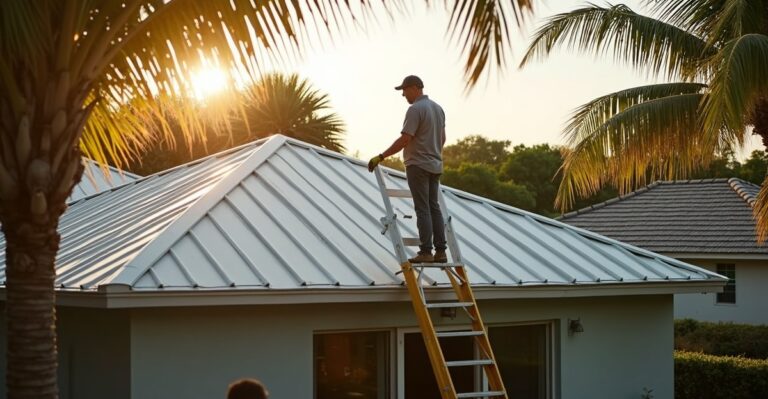
Metal roofing Florida heat performance stands out because of its natural reflectivity and factory-applied reflective finishes. Modern painted coatings increase solar reflectance while adding corrosion resistance. When properly installed, metal roofs often last 40–70 years.
Wind resistance is another major advantage. Many metal systems are rated for high-wind conditions, supporting Florida roofing for hurricane resistance. Insurance carriers may also consider wind ratings when evaluating coverage and mitigation credits under Florida’s wind mitigation inspection program.
Metal roofs perform well under extreme sun and heavy rain. They’re lighter than tile, which can reduce structural load demands. Coastal properties especially benefit from corrosion-resistant finishes that stand up to salt air. We often recommend reviewing metal roofing options for long-term homeowners planning to stay in place for decades.
There are trade-offs. Upfront costs are typically higher than asphalt shingles. Some properties may need added sound insulation under panels to soften heavy rain noise. Even so, lifecycle costs often balance out because of durability and longevity. For property owners comparing materials, our guide on the best roof for withstanding heat provides helpful context.
Tile Roofing: Thermal Performance with Classic Florida Style
Clay and concrete tile roofing fits naturally with many Central and Northeast Florida architectural styles. Tile offers built-in thermal mass, which slows heat transfer into the attic space. That delay reduces peak heat gain during the hottest parts of the day.
With proper maintenance, tile roofs often last 40–50 years or longer. They resist rot, insects, and UV damage well. Curb appeal remains a strong advantage, and resale value benefits from the appearance and longevity.
The system is heavier than shingles or metal. That means a structural assessment may be needed before installation. Material and labor costs are also higher. Still, for homeowners who prioritize durability and traditional aesthetics alongside energy performance, tile remains a solid option.
Ventilation matters just as much with tile as with any other system. Without proper airflow, attic heat buildup reduces the energy advantage. Our breakdown of how roof ventilation affects energy bills explains how airflow supports every roofing type. When needed, we integrate upgraded roof ventilation systems during installation to maximize efficiency.
Reflective Roof Coatings, Spray Foam, and Flat Roof Solutions for Commercial Properties
Reflective roof coatings in Florida offer a practical option for extending roof life without a full tear-off. Silicone, acrylic, and elastomeric coatings can be applied over existing flat roofs if the underlying structure remains sound. They improve reflectivity, seal minor leaks, and cost less upfront than a full replacement. Property managers evaluating this route often review whether roof coatings reduce cooling costs before committing.
Spray polyurethane foam (SPF) is another option for commercial energy-efficient roofing systems. It adds insulation and forms a seamless waterproof layer. That combination supports both thermal resistance and air sealing, which improves overall performance.
Flat roof coating applications can minimize disruption to tenants and business operations. However, coatings aren’t suitable if decking is severely deteriorated or if moisture intrusion is widespread. Regular inspections and periodic reapplication are necessary to maintain performance. Our roof coating services are typically recommended after a full assessment confirms the structure is still viable.
For owners asking whether flat systems can truly perform well in Florida heat, we often reference energy-efficient flat roofs to clarify what’s realistic and what requires additional insulation or ventilation support.
Ventilation, Insulation, and the Repair vs. Replacement Decision
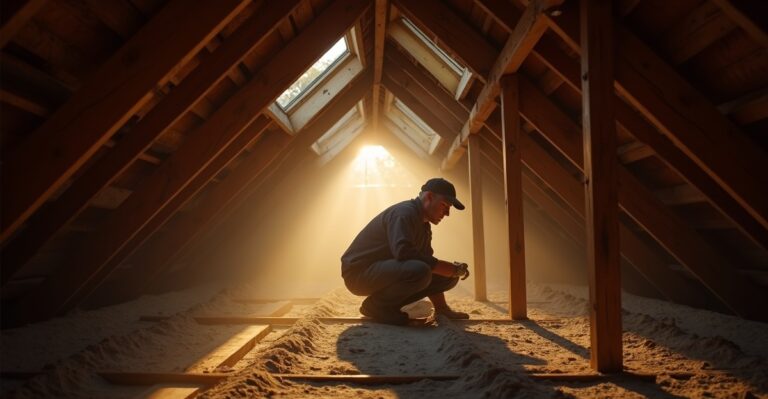
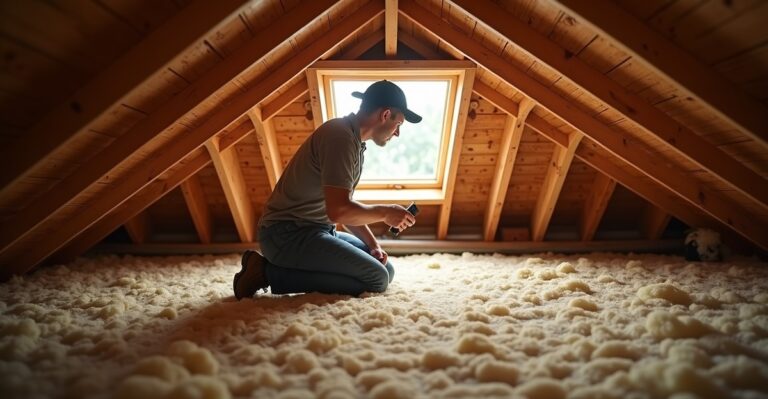
Ventilation and insulation are the quiet drivers of energy efficiency. Reflective materials help, but they won’t solve everything on their own. Ridge vents, soffit vents, and attic fans reduce trapped heat and humidity inside the attic. Insulation upgrades increase R-value and slow heat transfer into living spaces.
Insulation slows the movement of heat. Ventilation removes excess heat and moisture. Together, they reduce thermal stress on roofing materials and HVAC systems. That pairing strengthens any roofing material’s performance, whether it’s shingle, metal, tile, or flat membrane.
When deciding between roof repair and full replacement in Florida, we focus on clear factors:
- Roof age and remaining service life
- Extent of storm or wind damage
- Signs of energy loss, such as overheated attics or uneven cooling
- Insurance and wind mitigation requirements
If damage is isolated and the system is relatively young, repairs or coatings may be appropriate. If the roof is nearing the end of its lifespan or showing widespread deterioration, replacement often makes better long-term financial sense.
Every property is different. The best next step is a professional roof inspection that evaluates structure, ventilation, insulation, and surface condition together. From there, we can compare repair, coating, or full roof installation strategies based on condition and budget. For personalized guidance, scheduling an inspection through our roofing team keeps the process straightforward and pressure-free.
Frequently Asked Questions
Metal roofing is often considered one of the most energy-efficient roofing materials for Florida homes. Its natural reflectivity helps deflect sunlight, reducing heat absorption on the roof surface. Cool asphalt shingles, reflective membranes, and tile roofing can also perform well when combined with proper insulation and attic ventilation. The best option depends on roof design, budget, and how long the homeowner plans to stay in the property.
Energy-efficient roofing in Florida can lower cooling costs by reducing the amount of heat entering the home. Reflective materials and proper attic ventilation help maintain lower roof surface temperatures and reduce HVAC workload. In hot climates like Florida, where air conditioning often accounts for a large share of electricity use, improved roofing performance can lead to noticeable reductions in monthly energy bills.
Metal roofing typically provides better reflectivity than traditional asphalt shingles, which helps reduce heat absorption in Florida’s intense sun. Many metal roofs include reflective coatings that further improve solar reflectance. However, modern cool asphalt shingles also offer improved performance through reflective granules. The right choice depends on cost, expected lifespan, storm resistance, and whether the roof structure supports the material.
Yes, cool roofs are designed specifically for hot climates like Florida. They use materials with high solar reflectance and thermal emittance, which allow the roof to reflect sunlight and release absorbed heat more quickly. This helps keep roof surface temperatures lower and reduces heat transfer into the attic. When paired with insulation and ventilation, cool roofs can significantly improve indoor comfort.
Replacing a roof can improve energy efficiency if the existing system is aging, poorly ventilated, or absorbing excessive heat. New roofing systems often include reflective materials, upgraded insulation, and better ventilation design. However, if the roof structure is still in good condition, targeted upgrades like reflective coatings, insulation improvements, or ventilation adjustments may provide efficiency gains without a full replacement.