How Does Roof Ventilation Affect Energy Bills?
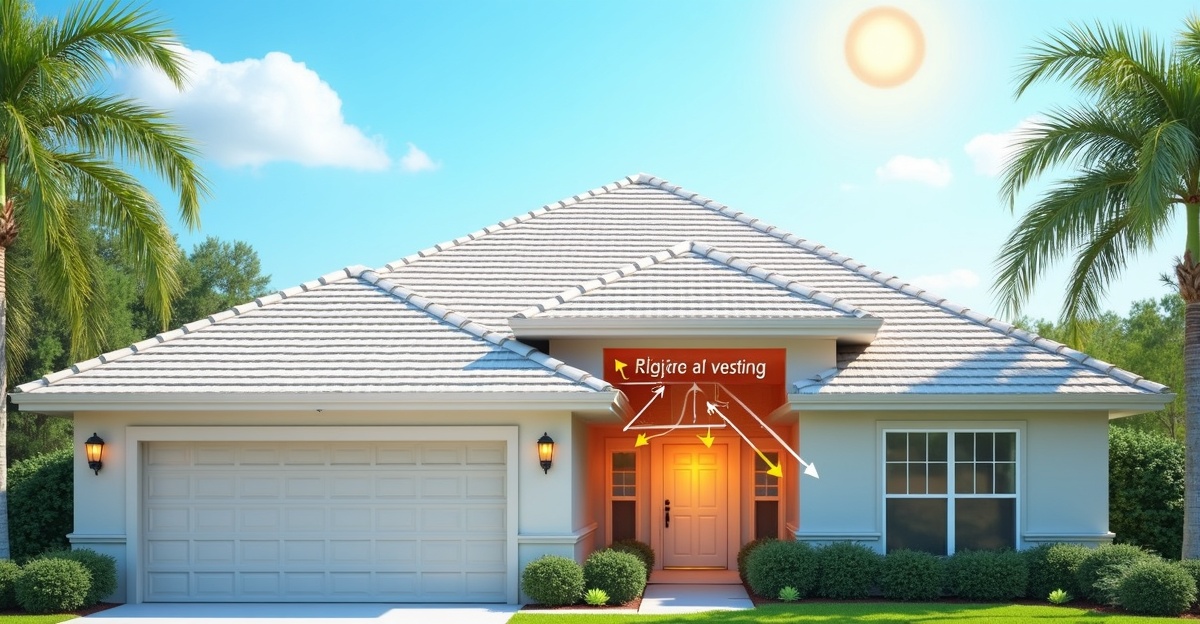
Florida’s extreme heat and heavy humidity push air conditioners to their limits. Improving attic airflow can cut cooling costs and boost long-term system performance. Proper roof ventilation helps move trapped hot air and moisture out of the attic. This keeps indoor temperatures steadier and reduces strain on your HVAC system. At the same time, it protects roof materials from premature damage.
Key Takeaways
- Effective roof ventilation can reduce summer cooling bills in Florida by 10–15% by limiting attic heat buildup.
- Moving moisture out of the attic helps prevent mold, protects insulation, and avoids excess energy consumption.
- A combination of ridge and soffit vents offers the most balanced passive airflow setup for Florida homes.
- High A/C use, warm upstairs rooms, and early roofing wear are common signs of poor attic ventilation. These problems grow worse over time.
- A qualified assessment of your ventilation setup can reveal simple, lasting upgrades that lower long-term energy costs while preserving your home’s structure.

Why Proper Roof Ventilation Lowers Energy Bills in Florida
Florida homes deal with high heat and heavy humidity most of the year. That puts a strain on everything—from air conditioning to insulation. One of the most effective ways to fight these issues is by improving attic airflow. Proper roof ventilation gives your HVAC a break and keeps energy bills in check.
How Roof Ventilation Helps Lower Cooling Costs
Well-designed ventilation systems bring attic temperatures closer to the outside air—even when summer highs push over 90°F. That keeps trapped heat from radiating into your living spaces.
Here’s how that leads to real roof ventilation energy savings in Florida:
- By letting heat escape, it reduces how hard your air conditioning has to work. That can lower your summer cooling bills by 10–15% in some Florida homes, as explained in U.S. Department of Energy guidance on attic ventilation and cooling efficiency.
- Less heat soaking through into your ceilings means more consistent comfort indoors, without cranking the thermostat.
- The air flowing up and out helps extend your roof’s lifespan by reducing stress on shingles and decking.
When hot air stays stuck in the attic, energy use spikes. It heats the space below your roof and makes your A/C cycle more frequently. That steady run time drives up utility bills and wears out cooling systems faster, a concern highlighted in ENERGY STAR’s air conditioner efficiency guidance. Swapping it for a steady breeze through rooftop and soffit vents can make a clear difference month to month.
Why Moisture Control Also Matters
In Florida, it’s not just the heat—it’s also the humidity. Without proper ventilation, humid air gathers in the attic. That leads to condensation, mold risks, and insulation that’s too damp to do its job, as outlined by the CDC’s guidance on mold and moisture control.
Good airflow reduces those risks:
- Keeps insulation dry so it performs at full strength, keeping heat out.
- Helps HVAC systems run smoother by reducing indoor humidity.
- Prevents long-term damage to wood, drywall, and attic structures.
We’ve seen households drop energy use once trapped moisture was addressed through better attic air movement. And in many cases, these fixes cost far less than running the A/C harder year after year.
If you’re unsure whether your home has enough airflow in the attic, we offer roof ventilation evaluations and upgrades that match Florida’s tough climate.
For homes with flat rooftops, pairing proper ventilation with a tougher roofing solution makes a smart investment. See how efficient options can work together in our post on flat roof system benefits for Florida.
Keeping your attic cool and dry isn’t just about comfort—it’s a cost-saving solution built into the roof. With the right system in place, we help families manage how to reduce cooling costs while improving overall home performance.
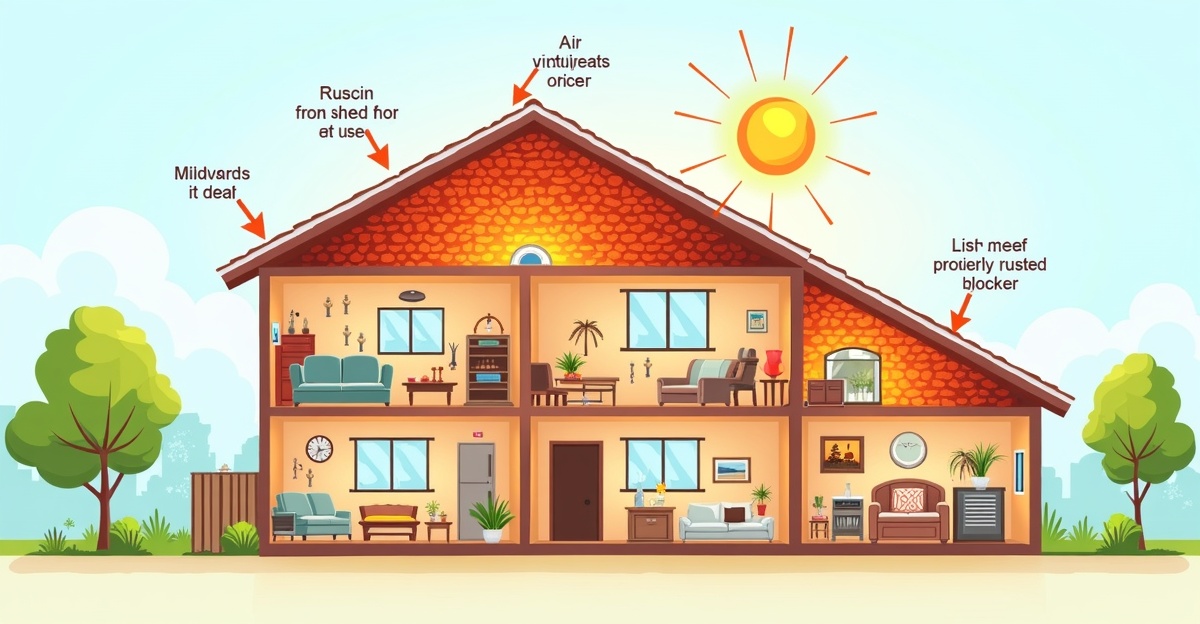
Signs Your Roof Ventilation Isn’t Working
Poor airflow in your attic can quietly drive up cooling costs and damage your roof long before you spot the problem from the street. Spotting the signs of bad roof ventilation early helps us avoid bigger repairs and keep our homes energy-efficient year-round.
What to Watch for Inside and Out
If our attic isn’t breathing properly, the warning signs often show up in subtle but costly ways. Keep an eye out for these indicators:
- Rooms upstairs feel hot and stuffy, even with AC running
- Cooling bills spike during summer without added use
- Mold, mildew, or musty smells in attic or ceiling corners
- Rust forming on HVAC parts or nails in the attic
- Shingles look wavy, warped, or are wearing out too early
Each of these points ties directly to trapped heat and moisture—not just comfort issues, but real threats to both our roof and budget. For example, when heat lingers in the attic, it forces our AC to work harder. Over time, that directly raises bills and overworks systems that we rely on during Florida’s hottest months.
Why It Matters Before Summer
Don’t wait until midsummer heat sets in to act—by then, we’re already paying the price. The impact of poor roof ventilation isn’t limited to discomfort. It shortens roofing life, warps building materials, and can even shorten asphalt shingle warranties if moisture damage sets in.
Before the heat peaks, it’s worth doing a quick room-to-attic check. If we notice hot spots around upstairs rooms or find rust on exposed attic hardware, it might be time for an inspection. Early attention can prevent us from needing a major roof repair down the line.
Roof design and ventilation are tightly linked. If you’re considering improvements or planning a new build, adding proper ventilation during roof installation ensures better airflow from day one. Homes with older systems might need added vents or updated solutions to match Florida’s humidity and heat.
If moisture’s already lingering, a roof coating may help protect materials and reflect heat better—but it works best when paired with balanced attic ventilation. We dig into how coatings contribute to energy savings in this article.
Ventilation doesn’t just cool the attic. It protects everything—from shingles to savings. Think of it as letting your roof breathe so your wallet doesn’t have to.
How Roof Ventilation Works (Explained Simply)
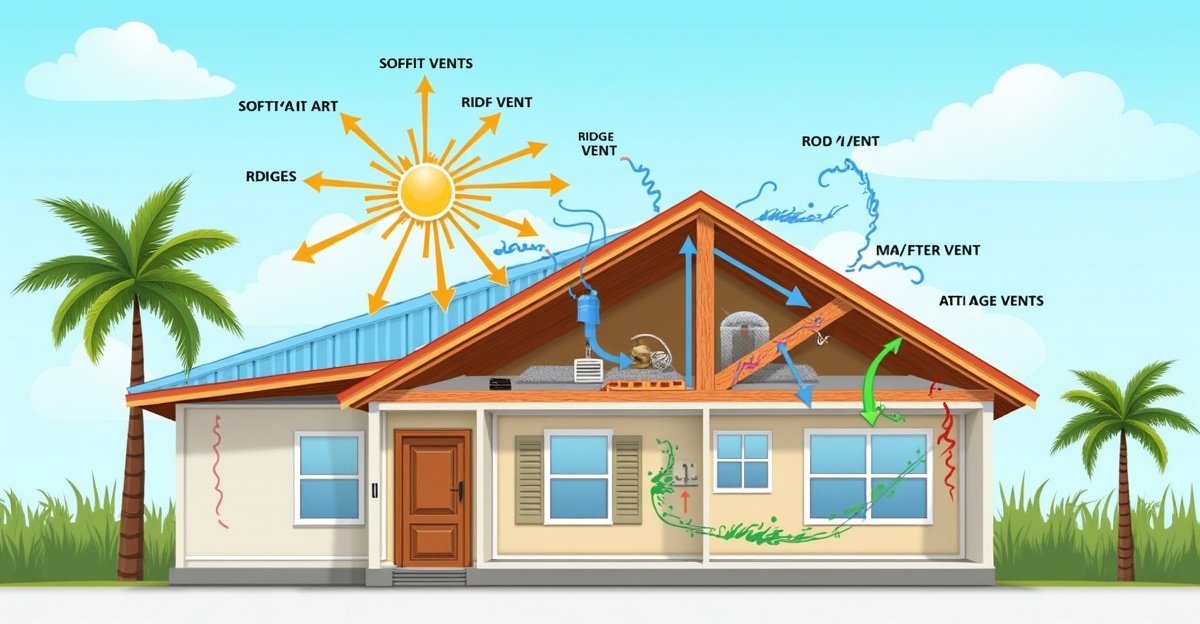
A well-designed roof ventilation system works like a natural breathing cycle for your home. Cool air comes in through intake vents installed along the lower edge of the roof—usually under the eaves, called soffit vents. This fresh air pushes trapped hot and humid air upward and out through exhaust vents at the top, like ridge vents or gable vents. Picture it like a chimney effect—what building scientists call the stack effect in attic ventilation systems—with cooler air flowing in low and warmer air rising out high.
This simple airflow does a lot behind the scenes. It helps regulate attic temperatures, especially under the intense Florida sun. By releasing hot air, roof ventilation eases the burden on your air conditioning. It also reduces moisture buildup, which is common in Florida’s humid climate. Moisture that hangs around too long in the attic can lead to mold, warped wood, and insulation damage.
Key Components of Florida Roof Ventilation Systems
Each vent type plays a specific role in keeping air moving. Here’s a quick breakdown of what we use regularly in Florida homes:
- Soffit vents: Located under the roof’s overhang, these allow cool outside air to enter the attic.
- Ridge vents: These run the length of the peak of the roof and let warm air escape naturally.
- Gable vents: Found near the peak on the exterior walls of the attic, useful for releasing air if a ridge vent isn’t enough.
- Attic fans: Powered fans that help pull air through the attic faster, sometimes necessary in homes with limited venting.
We often recommend a balanced system with both intake and exhaust, especially in a moisture-heavy environment. Without proper airflow, hot air collects and moisture lingers—both of which can drive up cooling costs and shorten your roof’s life.
Why Attic Ventilation Matters in Florida
Living in Florida means dealing with heat, humidity, and storms year-round. That puts extra pressure on roofs and insulation. A properly installed ventilation system fights back against those elements. Here’s how it helps daily energy efficiency and long-term structure health:
- Reduces attic heat buildup, keeping indoor temps cooler
- Helps extend the life of your roofing materials
- Prevents moisture-related damage like mold and wood rot
- Supports better air quality inside the home
Improper or blocked ventilation does the opposite—it traps hot, damp air and leads to higher cooling bills. That’s why we stress reliable intake and outflow designs specific to local weather patterns.
Need to upgrade or install proper airflow systems? Our roof ventilation service in Florida puts efficiency and durability at the front of every job. And if you’re curious whether venting issues are affecting your energy use, we also offer roof repair assessments to check for blockages or damage that may be holding your system back.
For more insight into choosing the right Florida roofing solutions, visit our blog on roofing materials that handle Florida’s climate.
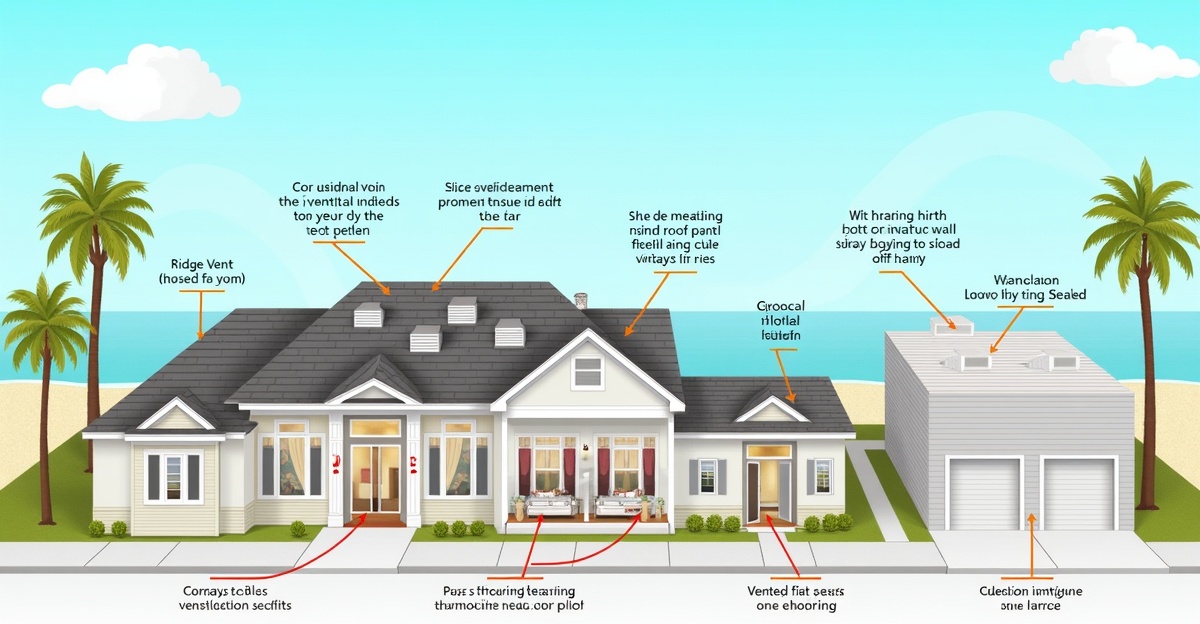
Ventilation Options for Florida Homes and Businesses
Choosing the right ventilation can make a surprising difference in both comfort and cost. Proper airflow doesn’t just protect your roof—it improves energy efficiency year-round. For Florida homeowners and business owners, the local heat, humidity, and storm risk all affect which options work best.
Common Ventilation Types and Where They Work Best
Here’s a quick breakdown of popular vent configurations used in Florida, along with key advantages and what type of building they suit best:
- Ridge Vent + Soffit System
This passive system uses natural air movement. Hot air escapes through ridge vents while cooler air enters from soffit vents below the eaves.
Best For: Most shingled residential roofs
Pros: Quiet, energy-efficient, no electrical parts
Cons: Relies on proper attic insulation and air sealing - Gable Vents
Installed on the gable ends of an attic, these offer basic circulation in older home designs.
Best For: Older homes without full soffit-to-ridge ventilation systems
Pros: Lower upfront cost
Cons: Less effective at removing heat and moisture - Attic Fans (Roof or Gable Mounted)
These powered fans actively push hot air out—helpful in homes with limited passive airflow.
Best For: Homes with complex rooflines or inadequate ridge/soffit access
Pros: Improves performance of existing vents, helps cool attics
Cons: Uses electricity, requires proper sealing to avoid negative pressure - Mechanical Ventilation for Commercial Roofs
Large buildings, especially those with flat roofs, benefit from mechanical systems built to code.
Best For: Warehouses, offices, apartment units
Pros: Controlled airflow, supports consistent indoor comfort
Cons: Higher initial cost, requires routine maintenance
For business owners focused on commercial roof energy efficiency, investing in regulated ventilation strategies can directly lower HVAC expenses. Pairing advanced ventilation with reflective roof surfaces or rooftop coatings further cuts electric bills.
Vented vs. Unvented Attics in Florida
Both vented and unvented (sealed) attic systems are used in Florida, depending on the building type and roof design.
- Vented Attics are more common and often more affordable for traditional pitched-roof homes. When properly installed with insulation and air sealing, they significantly reduce cooling loads by pushing hot air out before it reaches the living space.
- Unvented Attics rely on spray foam insulation applied directly under the roof deck. This model creates a thermal barrier, keeping attics cooler and often used in newer homes or with complex rooflines. It’s a good match for homes with ductwork in the attic.
Each option must follow local building codes, especially in hurricane-prone areas under the Florida Building Code ventilation requirements. Seal tight doesn’t mean skip ventilation—unvented designs simply shift where the airflow is controlled. Regardless of choice, insulation plays a major role. Inadequate or misplaced insulation reduces the performance of even the most energy-efficient roofing in Florida.
Insulation and Code Considerations
For any ventilation system to work efficiently, it needs to mesh with insulation type and placement. For example:
- Soffit airflow should never be blocked by blown insulation.
- Spray foam must be installed with moisture control membranes in humid zones like coastal Florida.
- Roof openings must meet wind-uplift requirements, especially along eaves and ridgelines.
Projects like adding a ridge vent or converting an attic into a sealed system often stir up these details. That’s where talking to an expert pays off. We handle upgrades like roof ventilation improvements with code compliance in mind, so your structure stays safe and efficient even in rough weather.
Thinking long-term? Roofing features like insulation pairing, ventilation retrofits, or cool roof coatings stand out in their payback value. More and more property managers are comparing roof options that boost energy-efficient roofing in Florida by combining passive airflow with UV-resistant materials.
Whether you own a small beach bungalow or run a large warehouse, we know how to improve performance without guesswork. Proper ventilation upgrades, smart material choices, and system checks all add up to lower energy bills—and a more comfortable home or workspace.
Real Results: Energy Savings From Improved Ventilation
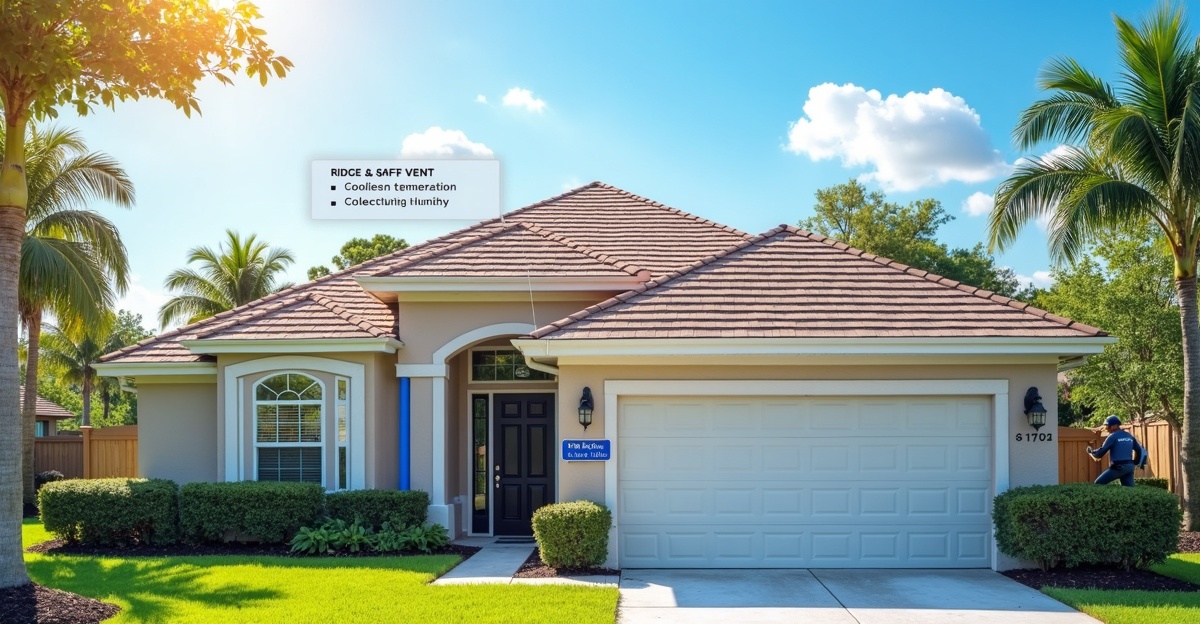
Upgrades to roof ventilation can lead to real savings—in comfort, utility costs, and even long-term roof health. One Sarasota homeowner saw a noticeable difference after switching to a ridge-and-soffit vent system. Their summer electric bills dropped by 12%, and the musty smell from attic mold vanished within weeks. That’s how balancing airflow and reducing attic heat buildup can make a financial difference, especially in Florida’s long, humid summers.
That said, energy savings won’t look the same for every household. They depend on a mix of factors:
- Home size and layout
- Existing insulation and attic sealing quality
- HVAC system efficiency and age
- Type and configuration of the ventilation upgrade
We’ve seen homes with barely functioning vents see dramatic improvements, while homes in better shape benefit more modestly. Still, in Florida’s climate, poorly vented attics often trap excess heat and humidity. That forces air conditioners to work harder, which raises bills and can shorten system life.
A professional inspection gives the clearest picture of how much a roof ventilation upgrade could help. It considers your current roofing materials, attic temperatures, and airflow balance. Our experienced team can recommend whether passive options like ridge or soffit vents—or even a powered exhaust fan—make sense for your home’s needs. You can learn more about options and services through our roof ventilation service page.
Even if the energy savings vary, most Florida homeowners with insufficient ventilation see noticeable benefits. Beyond lower cooling bills, good ventilation protects roof shingles, reduces condensation that leads to mold, and helps prevent warping in your sheathing or rafters. Over time, these advantages can delay the need for costly roof replacement or mold remediation.
To better understand how ventilation fits in alongside other energy-saving improvements, check out our post on flat roof system benefits for Florida homes. It’s another great example of how smart upgrades can lower energy bills while protecting what matters most—our homes.

What to Do Next: Schedule Your Ventilation Assessment
Not sure if your attic is properly ventilated? We can help you find out. A short inspection now could lead to long-term savings and comfort. Poor ventilation isn’t always obvious, but it can drive up cooling costs and wear down your roofing materials faster than you’d expect.
We’re a licensed Florida roofing contractor with decades of hands-on experience in our communities. From the drift of salt air near the coast to the thick humidity inland, we understand how Florida’s climate affects your roof. And we shape every recommendation around that local insight. Our team knows how to factor in tropical storms, high heat, and state code requirements to ensure your ventilation system is doing its job.
An assessment doesn’t lock you into anything. It just gives you clear answers. We look at your attic’s airflow, roof structure, and insulation levels to figure out what’s working—and what needs help.
How to Get Started
Taking the first step is easy. Here’s how we simplify the process:
- Visit our roof ventilation page to learn more about how airflow impacts roof health and energy use.
- Not ready for that yet? Use our contact form or give us a call, and we’ll answer any questions.
- During the visit, we’ll inspect your attic space, assess current vent systems, and explain what we find in plain language.
Plan for the Bigger Picture
Often, ventilation is tied to other parts of the roofing system. If we see opportunities to improve insulation or identify signs of aging shingles, we might suggest exploring related improvements. That could include repairs, or if it’s time, a full roof replacement with modern ventilation in mind.
Many Florida homeowners don’t realize how interwoven roofing materials, insulation, and airflow are—especially in our climate. If you’re researching better options, it helps to check out our piece on the best roofing materials for Florida homes. It’s full of insight we’ve gathered from real work across the state.
A ventilation inspection isn’t just about catching problems—it’s about making your home work smarter. With the right setup, your air conditioner doesn’t have to work as hard. That means lower energy bills and a longer-lasting roof. Let’s tackle it together.
Frequently Asked Questions
Proper roof ventilation can lower cooling costs in Florida homes by about 10–15% by reducing attic heat buildup. When hot air escapes instead of radiating into living spaces, air conditioners run less often and for shorter cycles. This reduced workload directly lowers electricity use during long, hot summers and helps HVAC systems operate more efficiently.
Excess attic heat transfers downward into ceilings and walls, forcing air conditioners to counteract that added warmth. Even efficient HVAC systems must run longer when attic temperatures soar. Roof ventilation limits this heat transfer by exhausting trapped hot air, helping indoor temperatures stay stable and reducing unnecessary energy consumption.
Yes, roof ventilation helps control attic moisture, which directly affects energy efficiency. Damp insulation loses effectiveness and allows more heat to enter the home, since wet insulation can significantly reduce R-value performance. By removing humid air, ventilation keeps insulation dry and working properly, reducing cooling demand and preventing the AC from using extra energy to manage indoor humidity.
A balanced system using soffit vents for intake and ridge vents for exhaust provides the most reliable energy savings in Florida. This setup promotes steady passive airflow without using electricity. It works especially well in hot, humid climates by continuously removing heat and moisture from the attic before they raise cooling costs.
Common signs include unusually high summer electric bills, hot or stuffy upstairs rooms, and an air conditioner that runs constantly. You may also notice musty attic odors or premature roof wear. These symptoms often indicate trapped heat and moisture, both of which increase cooling demand and drive up energy expenses.