How to Prepare a Roof for Hurricane Season
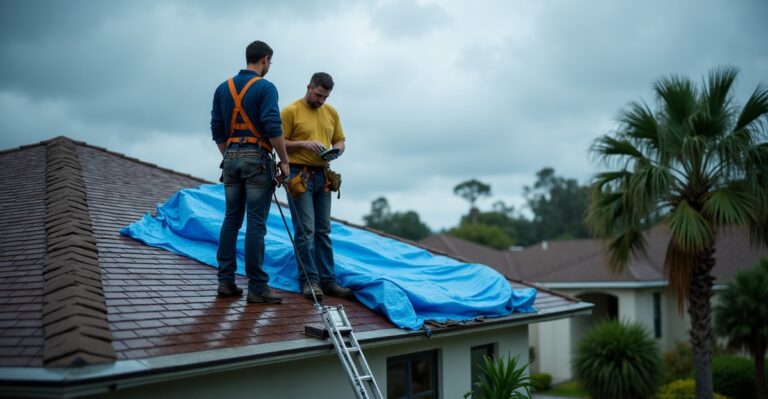
Florida homeowners and property managers aiming to get roofs hurricane-ready should begin with a detailed inspection. Spotting issues early—like damaged shingles, cracked flashing, or poor drainage—helps prevent expensive repairs when storms arrive. Staying ahead with smart upgrades and consistent upkeep can lower the risk of serious storm damage.
Key Takeaways
- Look for loose or missing shingles, corroded flashing, sagging sections, and blocked gutters. Fixing these before storms arrive can make a big difference.
- Remove leaves and branches, cut back overhanging limbs, and seal any openings where water could get in.
- Know which roofing material you have. Shingle, metal, and flat roofs each need a specific inspection and maintenance approach.
- Book inspections before June. Early scheduling helps avoid long waits and keeps everything up to code in high-risk areas.
- Think ahead with improvements like sealed decking, storm-rated shingles, and fasteners that resist corrosion. These features make your roof stronger against hurricanes.
Assessing Your Roof’s Readiness: What to Inspect Before Hurricane Season Hits
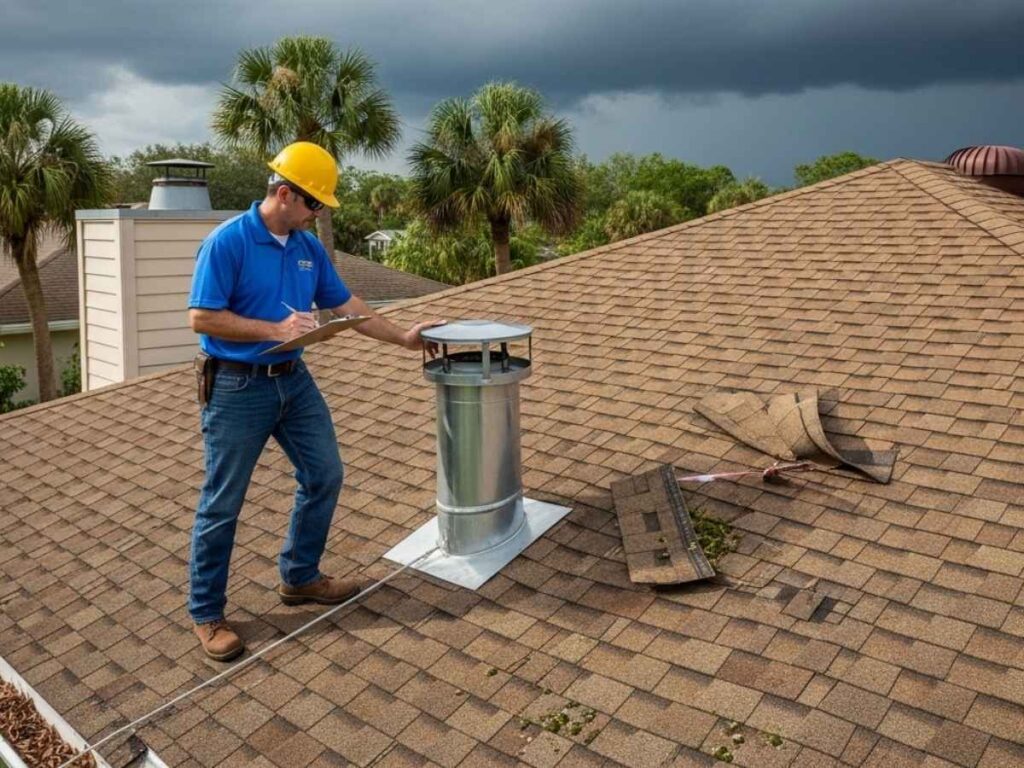
Before hurricane season barrels in, a full roof assessment is one of the smartest steps we can take. A proper inspection helps us find small issues before they become expensive problems, especially during periods of high winds and intense rainfall. Catching those problems early can save thousands in damage repair and months of stress.
Here’s what to look out for during a Florida roof inspection before storm season:
- Missing, curled, or loose shingles—these are stress points where wind can begin to lift or tear pieces away.
- Damaged or rusted flashing—flashing is the thin metal installed around vents, chimneys, and valleys to keep water out.
- Sagging or softened areas—a sign that the decking under your roof could be compromised.
- Moss, algae, or mold growth—these suggest trapped moisture that could weaken structures.
- Clogged gutters or slow drainage—if water can’t flow away, it may end up inside.
- Underlayment wear—this is the water-resistant layer beneath shingles and other roofing types that adds vital protection in Florida’s storm-prone climate.
Another smart move is reviewing the history of your roof. Check the last time it was serviced or repaired. If you’re a recent homeowner or managing older properties, dig into past repair records. Roof damage prevention during a hurricane starts with knowing where your weaknesses may lie.
Florida’s unique climate adds an extra layer of pressure, as data from the National Oceanic and Atmospheric Administration (NOAA) shows Florida consistently ranks among the most hurricane-prone states in the U.S. Along with heavy rains and wind uplift, many rooftops near the coast face salt corrosion. These stressors underscore why timely inspections matter.
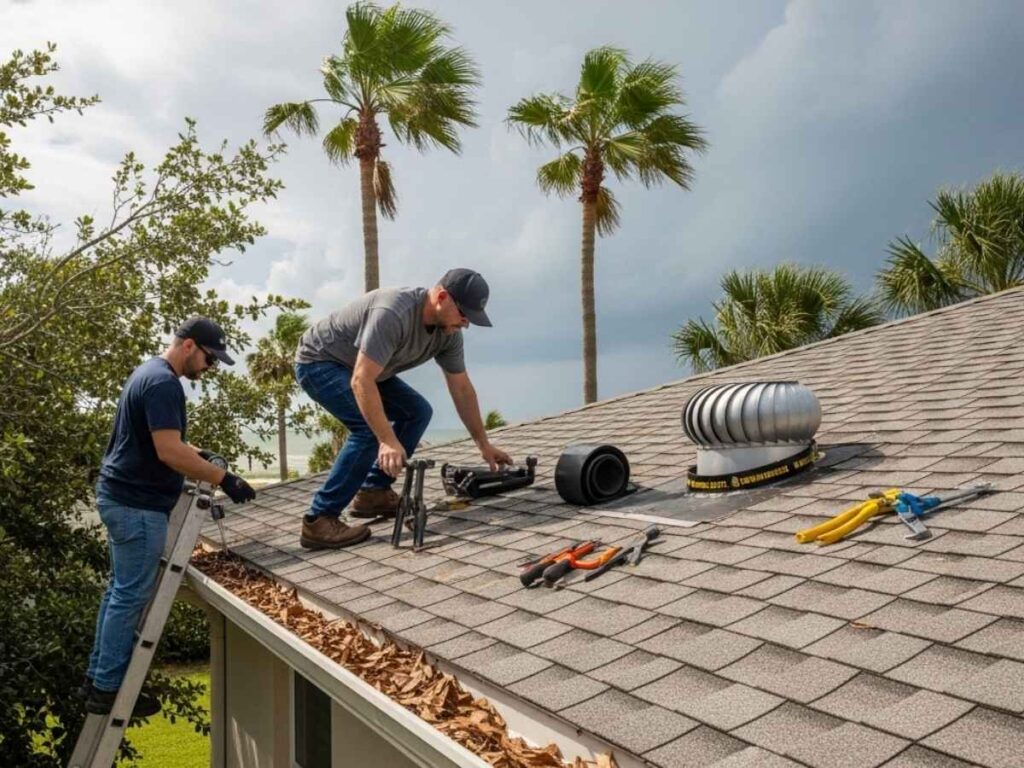
Hurricane Roof Preparation Steps for Florida Homeowners & Property Managers
A solid hurricane roof preparation checklist helps us stay ahead of the storm. These practical steps work for homeowners and commercial property managers alike.
Hurricane Roof Preparation Checklist
Here’s a quick guide to get your property storm-ready:
- Clear gutters and downspouts to prevent water buildup.
- Trim back trees and overhanging branches near the roofline.
- Secure or remove outdoor items that can turn into wind-driven debris.
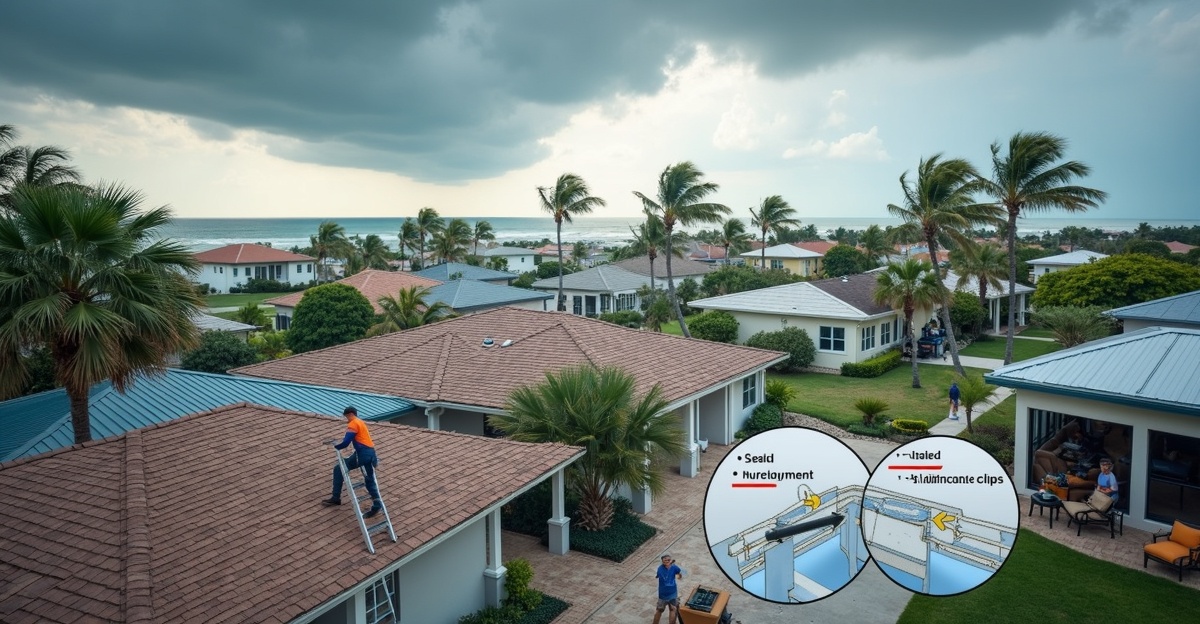
- Inspect and seal all roof penetrations—including vents, pipes, and chimneys.
- Confirm hurricane straps or clips are installed if your roof structure requires them.
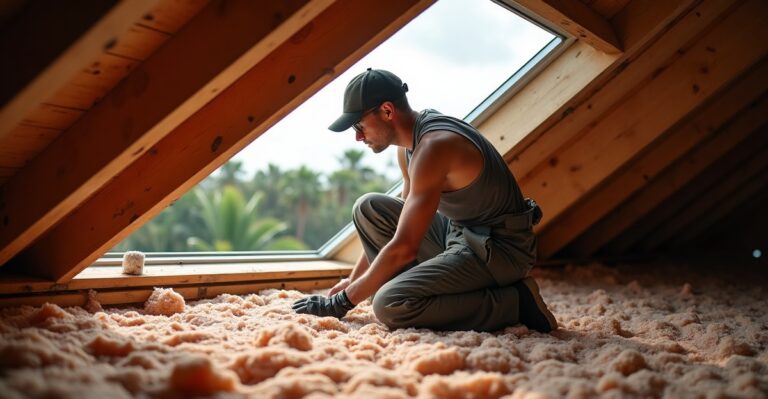
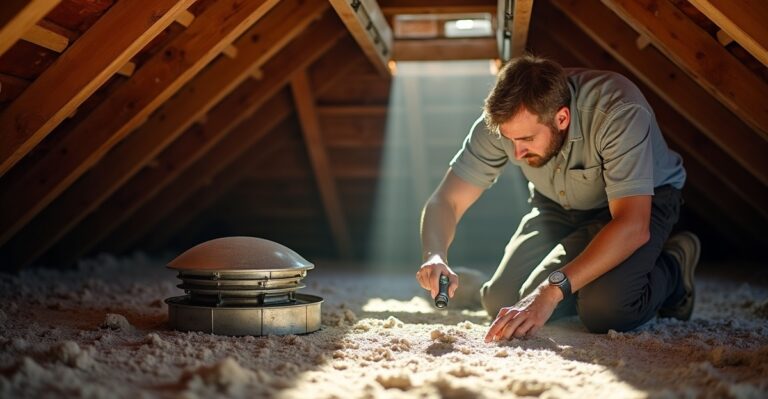
- Examine attic ventilation and insulation to maintain airflow and prevent moisture buildup.
- Check ceilings and top-floor walls for signs of internal leaks like stains or mildew.
- Have your insurance policy on hand and review coverage specifics for storm events.
Each roof type requires slightly different attention:
- Shingle roofs: Look for granule loss, lifted corners, or loose tabs. Even a few inches of wind exposure can cause shingles to rip away.
- Metal roofs: Inspect fasteners, check for rust, and closely look at overlapping seams. Anchoring systems must be locked down tight.
- Flat or TPO roofs: Watch for membrane bubbles or soft spots, which are signs of trapped water. Remove standing water quickly to avoid leaks or deck collapse.
For commercial property managers handling multi-unit buildings or flat-roofed facilities, it’s essential to coordinate preparation across the site. Inventory rooftop units, ensure all drainage pathways are working, and double-check that parapet walls and coping don’t have cracks or loose sections.
More guidance on preparation for flat and shingle systems can be found in our post about how hurricanes damage shingle roofs in Florida.
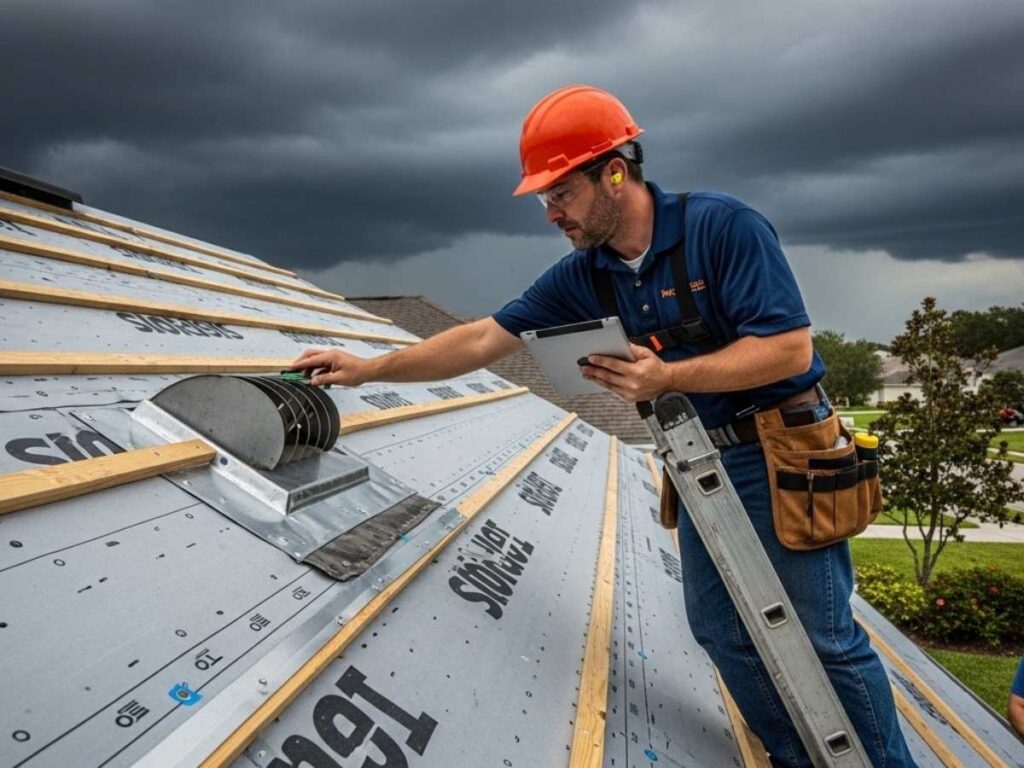
When to Call a Pro: Roofing Inspections and Repair Timing
We strongly recommend scheduling a professional inspection before June—right before storm season peaks. That early timeline gives us time to fix problems before contractor schedules tighten and material supplies run low.
A licensed Central Florida roofing contractor will conduct an in-depth check. They’ll look for:
- Proper ventilation and decking support
- Flashing tightness and corrosion
- Fastener patterns that meet Florida code
- Underlayment condition
- Installation history and structural integrity
There are clear signs it’s time to bring in an expert:
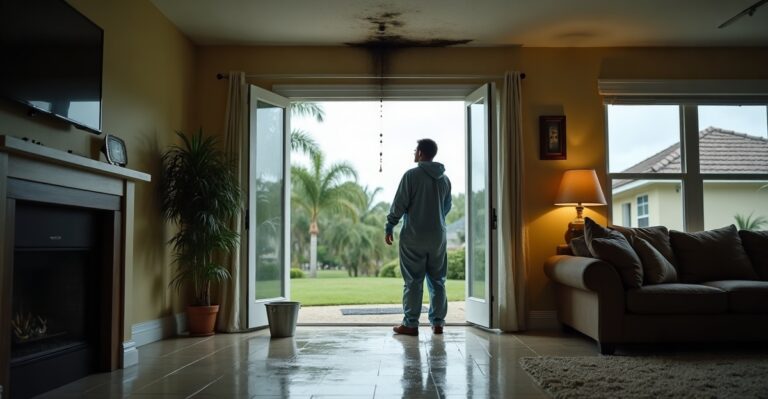
- Dripping water or brown ceiling spots
- Sagging rooflines or softened decking
- Prior storm repairs that are peeling, cracking, or failing
- Any issues we’re unsure about—better to ask than risk it
Local roofers like Pyramid Roofing Fla know how coastal winds, regional codes, and material wear all affect performance. We offer no-pressure inspections and free estimates, so there’s no cost to better peace of mind.
For serious leaks or damage already identified, prompt action can prevent interior mold and structural issues. Our roof repair services focus on storm mitigation, not temporary shortcuts.
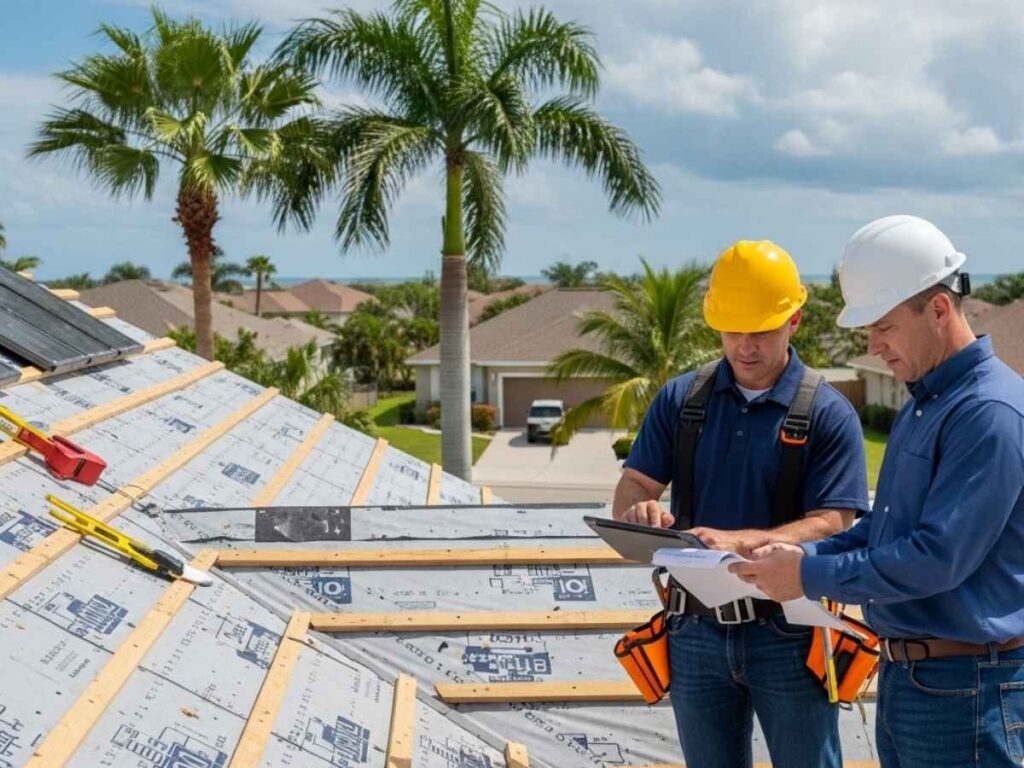
Florida-Specific Building Codes, Insurance Policies, and Permitting Considerations
Florida’s roofing regulations are some of the country’s strongest—and for good reason. Building codes here address extreme wind conditions, especially within high-velocity hurricane zones (HVHZ), as defined by the Florida Building Code’s HVHZ provisions. These rules impact material selection, underlayment layering, and how roofs must be fastened.
Wind uplift protection is a principal focus, following structural guidance outlined in ASCE 7 wind load design standards. This means using nails over staples, applying secondary water barriers, and reinforcing corners and edges—all designed to help keep roof covers intact even during major cyclones.
If you’re thinking about updates, there are insurance perks to doing so. Most homeowners’ policies include hurricane deductibles and may offer discounts for wind-mitigation improvements, as outlined by the Florida Office of Insurance Regulation. These can include:
- Installation of impact-rated shingles
- Sealed roof decks that act as barriers if shingles blow off
- Secondary water-resistant underlayments
- Proper vent sealing and gable-end bracing
To be confident in your insurance expectations, read the fine print. Look at your deductible breakdown and ask your carrier which upgrades qualify for premium discounts. If unclear, a roofing consultation can help prioritize cost-effective improvements.
Permits are also key. Many roof repairs, ventilation installations, and reinforcements need city or county permits—especially in HOA-regulated areas. Don’t risk noncompliance, especially after storm damage when inspections become stricter.
Learn more about solutions and materials that meet Florida requirements in our post on the best roofing materials for Florida storms.
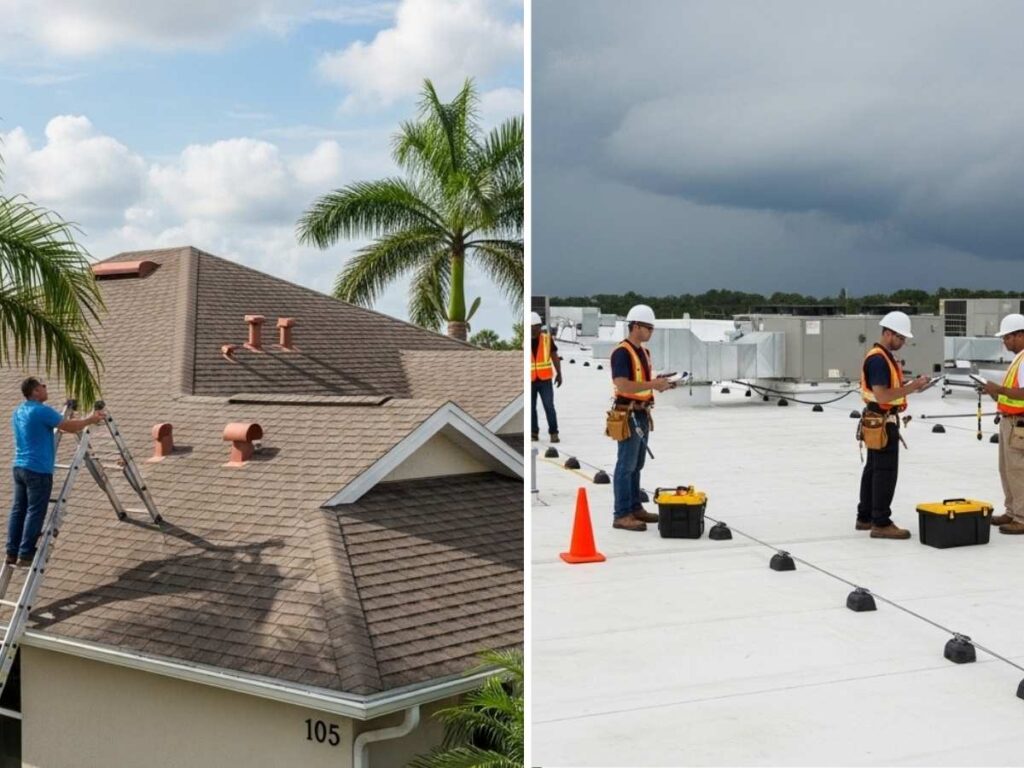
Residential vs. Commercial Roof Prep: Similar Goals, Different Strategies
Hurricane prep shares common goals across property types: keep people safe, reduce water intrusion, and minimize repair costs. That said, the approach often diverges between single-family homes and commercial or multifamily buildings.
Residential roofs emphasize aesthetics, comfort, and indoor air quality. Here we focus on:
- Proper attic ventilation through vent systems
- Leak protection to safeguard family spaces
- Energy efficiency and storm-related insurance claims
- Pet and child safety during storm periods
Commercial structures need a broader scope. Rooftop equipment like HVAC systems, solar panels, and satellite receivers all create additional leak opportunities if not sealed appropriately. Preparation strategies include:
- Maintaining a prep log and inspection reports
- Ensuring rooftop access doors and hatches are secured
- Monitoring membrane roofs—like TPO or modified bitumen—for seam cracks, lifting edges, and drainage blockages
- Verifying warranties remain in effect with proper seasonal inspections
For property managers of office parks, apartment complexes, or retail plazas, repeating these inspections every few months—and logging maintenance—can help stay ahead of costly emergency repairs. More information is available in our blog on common Florida roofing problems.
Upgrades That Pay Off: Long-Term Roof Improvements That Boost Storm Resistance
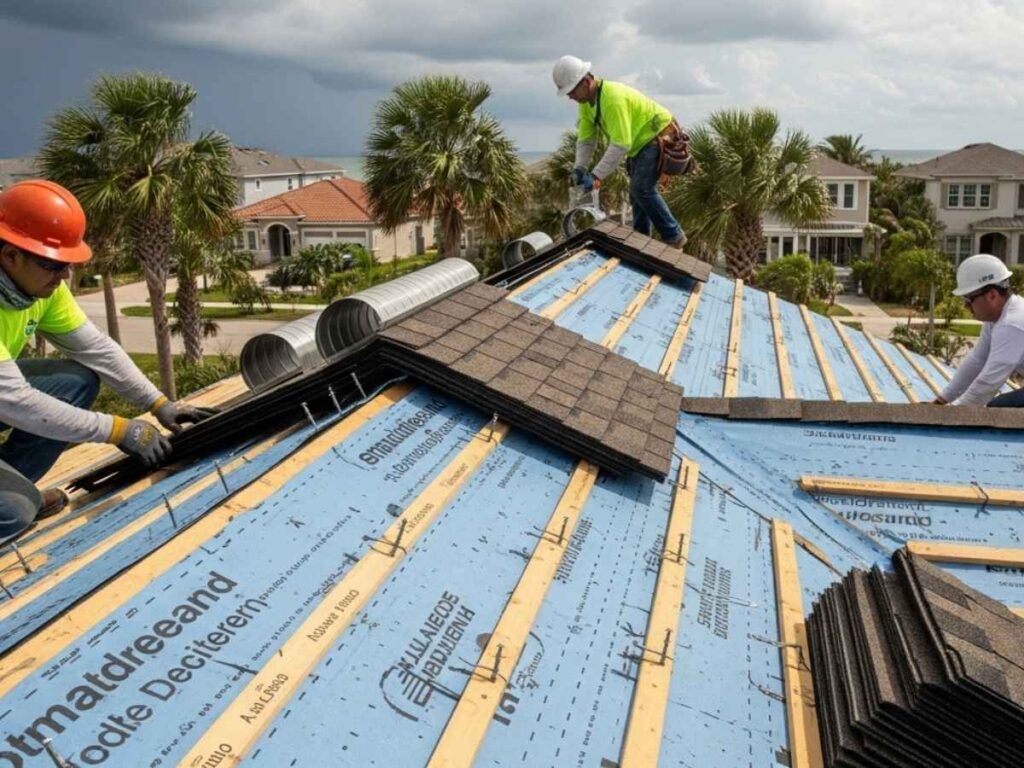
Permanent storm-proofing upgrades offer better value than piecemeal repairs over time. These enhancements are especially useful for homes nearing the end of their roof lifespan or for coastal areas consistently in storm paths.
Here are some of the top hurricane roof protection upgrades to consider:
- Impact-resistant shingles—often tested under UL 2218 impact resistance standards—are designed to withstand wind-blown debris and hold up better under heavy strain.
- Sealed decking systems—recognized in Florida wind mitigation guidelines for secondary water resistance—add a backup water barrier below shingles or tiles.
- Ridge cap ventilation: These protect against uplift and improve attic airflow during high humidity days.
- Corrosion-resistant fasteners: Galvanized or stainless steel nails minimize rust, especially in salty air.
Frequently Asked Questions
To prepare a roof for hurricane season in Florida, start with a full inspection for loose shingles, damaged flashing, and clogged gutters. Secure roof penetrations, trim nearby trees, and address minor repairs early. These steps reduce wind uplift and water intrusion during severe storms common in Florida.
The best time to inspect your roof in Florida is late spring, before June. Scheduling early allows time for repairs before hurricane season peaks and contractors become booked. Early inspections also help ensure your roof meets current wind-resistance and building code requirements.
The most common roof damage during Florida hurricanes includes missing shingles, lifted flashing, water leaks, and damaged underlayment. High winds create uplift pressure, while heavy rain exploits weak points. Poor drainage can also lead to interior leaks and structural damage.
Yes, roof upgrades can significantly reduce hurricane damage in Florida. Impact-rated shingles, sealed roof decking, and corrosion-resistant fasteners improve wind resistance and water protection. These upgrades also lower the chance of interior damage if outer roofing materials fail.
Florida homeowners should hire a professional roofer if they notice leaks, sagging areas, or prior storm repairs. Professionals can identify hidden structural issues, ensure code compliance, and recommend storm-resistant improvements that DIY inspections may miss.