Can I Finance a Roof Replacement in Florida?
Replacing a roof in Florida costs a lot, but several financing choices can help manage that burden. Homeowners can choose from options like contractor payment plans, loans from outside lenders, PACE programs paid through property taxes, or government help. Each option has unique pros, risks, and requirements. Knowing these details helps us decide what works best for our budget and timeline.
Key Takeaways
- Local contractors may offer in-house financing with flexible terms and simpler approvals. These are helpful for homeowners with less-than-perfect credit.
- Florida PACE programs provide financing without credit checks and collect repayment through property taxes. However, they place a lien on the home, which can affect future sale options.
- Outside financing, like personal loans or home equity lines of credit (HELOCs) or personal loans may offer higher funding amounts, but interest rates and fees vary. These loans might also carry higher interest rates.
- Insurance sometimes covers roof replacement after storm damage. Still, delays or high deductibles often mean we need financing to begin work fast.
- Government support, like grants or emergency loans, may be available in specific cases. These are often tied to disaster recovery and aren’t always easy to get.
Understanding Your Roof Financing Options in Florida
Living in Florida means staying ahead of storms and humidity, and that includes keeping our roofs in strong condition. Roof replacements can come at unexpected times, especially after hurricanes or years of harsh weather. Fortunately, there are several roof financing options in Florida that can make this major investment more manageable.
In-House Roof Financing in Florida
Contractors like Pyramid Roofing offer in-house roof financing in Florida, making it easier to budget without going through a third-party lender. These plans often feature:
- Flexible terms
- Guidance on down payments
- No-cost estimates and inspections
In-house plans can be ideal for homeowners needing more personal support or wanting to work directly with a contractor they trust.
Third-Party Lending
Traditional lenders offer personal home improvement loans, home equity lines of credit (HELOCs), or credit card options. These loans usually require a credit check and may offer higher funding amounts, but interest rates and fees vary. Make sure to compare several options before choosing a lender.
Florida PACE Roofing Programs
Florida’s official PACE program guidelines explain that Property Assessed Clean Energy (PACE) financing is available in certain counties and allows repayment through property tax assessments. They allow homeowners to repay a roofing project through their property taxes. No credit score is required, and repayment terms often stretch up to 20 years. However, a lien is placed on the property, which may impact future refinancing or resale options.
Hurricane Roof Damage Insurance
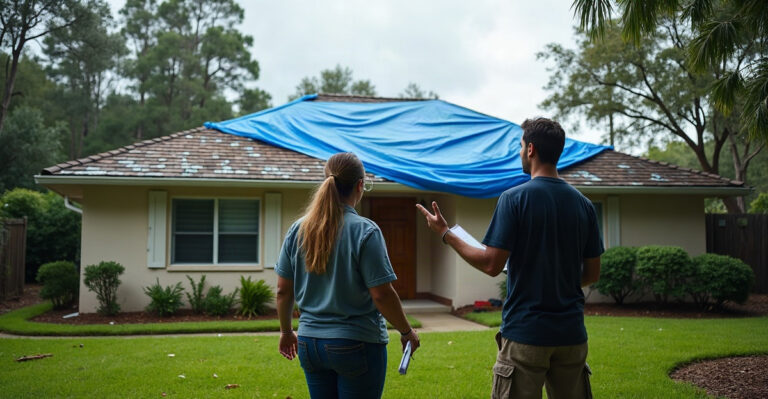
If your roof is damaged during a storm, insurance often covers replacement. However, High deductibles and processing delays are common, as outlined in consumer guidance from the Florida Office of Insurance Regulation. Financing helps bridge that gap—helping us act fast even if an insurance settlement is weeks away. Learn more about signs your roof needs replacement after a storm.
Government Grants or Emergency Loans
In some post-disaster or low-income situations, homeowners might qualify for state or federal aid. These opportunities vary and are typically time-sensitive. Grants may cover part or all of the cost, though availability is limited.
Urgency matters in Florida. Aging shingles, rising insurance deductibles, and the start of the Atlantic hurricane season, as defined by NOAA, can all create stressful timelines. A solid financing option can prevent further damage and give homeowners peace of mind while protecting their biggest investment.
What to Expect: Terms, Qualifications, and Timelines
Every financing route comes with its structure and expectations. Knowing what’s involved helps make smarter decisions.
How Different Financing Types Compare
Here’s how common options differ:
- In-house payment plans usually come with minimal credit checks. They’re helpful for homeowners with limited access to traditional credit. Repayment terms are simpler but require reliability.
- Third-party loans vary widely by lender. They can offer fast access and larger loan values, especially if tapping home equity. However, interest rates may be higher, and late fees can add up.
- PACE programs don’t depend on your credit score, which helps many Floridians. However, these plans only cover designated areas and legally attach a lien to the home.
- Insurance funding delays make it difficult to act fast after a storm. Financing can cover deductibles, help us choose higher-quality materials, and schedule work sooner.
How Financing Impacts Roofing Choices
Financing might influence:
- Start dates: Quick approval means faster scheduling, crucial after storm season.
- Material selection: With monthly payments, some homeowners choose higher-grade products like metal or upgraded asphalt.
- Warranty quality: Financing frees up upfront cash, letting us invest in stronger warranties or long-term guarantees.
For insight into what materials and project phases look like, view the full roof replacement process in Florida.
Pros and Cons of Each Financing Route
Let’s break down the key advantages and limitations of the main options homeowners consider for roof replacement financing in Florida:
Overview of Popular Financing Options
In-House Financing
- Pros: Local guidance, flexible approvals, easy direct communication.
- Cons: Limited plan variety, may only cover specific project scopes.
Florida PACE Roofing Programs
- Pros: No credit check, long repayment terms, pays through property taxes.
- Cons: Places lien on home, limited by region, affects home resale.
Third-Party Loans
- Pros: Broader funding amounts and terms, available statewide.
- Cons: Credit required, higher interest rates possible.
Insurance Funds
- Pros: Can cover most or all of the cost if the damage is storm-related.
- Cons: Slow processing, doesn’t always cover upgrades, may exclude older roofs.
Emergency or Government Grants
- Pros: Funding assistance with no repayment in some cases.
- Cons: Rare, slow to access, eligibility restrictions.
Being aware of these trade-offs protects budgets and ensures smarter decisions, especially during high-risk seasons like hurricane months.
How to Choose the Right Fit for Your Budget
Affordability is about more than interest rates—it’s about fitting the payment to your life.
Ask yourself critical questions before selecting financing:
- How fast does the roof need replacing?
- Can we afford a monthly payment, and for how long?
- Do we qualify for PACE, based on our county and home equity?
- Would a third-party loan or in-house option be simpler?
When deciding on how to pay for a new roof in Florida, it’s smart to consider long-term ownership plans too. If you’re planning to sell in a few years, a lien-based program like PACE might not be ideal.
Watch out for signs of predatory financing—rushed paperwork, unclear terms, or promises that sound too good to be true—similar to warnings issued by the Federal Trade Commission about home improvement financing scams. Vulnerable homeowners, especially after storms, are often the target of aggressive offers.
We recommend reviewing this blog on what should be in a roofing estimate so you know exactly what’s included before locking in any financing.
Tips for Navigating the Process Like a Pro
Getting roof financing isn’t hard—but doing it right takes thoughtful steps. Here’s how to approach it confidently:
Steps to Secure a Smart Roofing Loan
- Ask contractors and lenders for documents showing APR, loan term, and total repayment amount.
- Compare lenders. Not all home improvement financing companies offer equal terms.
- Use online loan prequalification tools to check estimated monthly payments.
- Work with a trusted contractor like Pyramid Roofing Fla who understands Florida codes and disaster recovery timelines.
- Stay updated. The Florida Office of Insurance Regulation occasionally posts funding alerts or temporary recovery initiatives.
Consider real stories too. For example, one Jacksonville homeowner used the PACE program to fund a complete roof replacement after hurricane damage blocked roads for two weeks. Their contractor helped bridge the upfront cost while waiting for insurance.
Whatever path you choose—storm damage repair support, in-house payment plans, or a PACE program—getting expert advice makes a major difference.
Common Questions About Roof Financing in Florida
Can I finance a roof with bad credit in Florida?
Yes. In-house payment plans or Florida PACE roofing programs are both viable for those without strong credit histories.
Does insurance cover hurricane roof damage?
Often, yes. But it depends on your specific policy. High deductibles and policy exclusions are common, especially for older roofs. Learn more about hurricane-related repair costs in Florida.
Will financing delay my roof replacement?
No. In fact, having financing in place can speed things up, especially after a destructive storm.
Are government grants available?
Sometimes. After major hurricanes, programs through FEMA’s home repair assistance program or HUD disaster recovery initiatives may provide funding for qualifying homeowners.
Financing decisions shouldn’t feel rushed or risky. For specific support on roofing types that fit your property or local code considerations, connect with our team. We’re here to help make affordable roof replacement in Florida a smooth, stress-free experience. Reach out through our contact page to speak with a local roofing expert.
Frequently Asked Questions
Yes, roof replacement financing in Florida is possible even with bad credit. Many roofing contractors offer in-house financing with flexible approval requirements, and Florida PACE programs do not require a credit check at all. These options focus more on home equity or property taxes rather than your credit score.
The best option depends on your financial situation and timeline. In-house contractor financing works well for quick approvals, while PACE programs offer long repayment terms through property taxes. Home equity loans or personal loans may be better for homeowners with strong credit seeking lower interest rates.
Florida PACE financing allows homeowners to pay for a roof replacement through an assessment added to their property tax bill. Approval is based on home equity, not credit score, and repayment terms can last up to 20 years. A lien is placed on the property until the balance is paid.
Yes, insurance can reduce the amount you need to finance, but it rarely eliminates the need entirely. High deductibles, exclusions, and claim delays often require homeowners to use financing to start repairs quickly, especially after storm or hurricane damage.
Yes, financing before hurricane season can be a smart decision. Early replacement helps prevent further damage, meets insurance requirements, and avoids emergency pricing. Financing allows homeowners to act quickly without waiting to save the full upfront cost.