Can Insurance Deny Roof Replacement Claims?

Insurance companies deny roof replacement claims when policy terms, roof age limits, or documentation gaps apply. We often see denied roof insurance claim Florida homeowners receive tied to exclusions for wear and tear instead of sudden storm damage. We review how insurers assess hurricane impact, maintenance history, and reporting timelines so we can judge whether a full replacement, partial repair, or appeal makes sense under our specific policy.
Key Takeaways
- Florida policies usually cover sudden and accidental storm damage but exclude gradual wear, poor upkeep, and long-term deterioration.
- Roof age limits and actual cash value clauses can reduce payouts or restrict eligibility for full replacement.
- Insurers may approve a repair and deny full replacement if they decide the roof can be patched.
- Missing photos, late reporting, and poor maintenance records often lead to claim denials.
- A thorough independent inspection and organized documentation can strengthen an appeal or supplemental review.
Do not modify or enhance the wording; the text must remain identical except for the HTML markup.
Do not convert the first sentence or introductory text into a heading — it must remain a normal paragraph (<p>).
When and Why Roof Replacement Claims Get Denied in Florida
Insurance companies can deny roof replacement claims. Approval depends on the exact terms of the policy and how the damage occurred.
A denied roof insurance claim Florida property owners receive often comes down to policy limits, roof age restrictions, or missing documentation. Most homeowners policies cover sudden and accidental damage, such as windstorms or hurricanes, as outlined by the Florida Office of Insurance Regulation’s guidance on homeowners insurance coverage. They typically exclude gradual deterioration, poor maintenance, or long-term wear.
Florida adds another layer. Our exposure to hurricanes increases the number of claims. That has led many carriers to tighten guidelines on older roofs and clarify exclusions for wear and tear. Recent legislative updates have also affected how roof claims are evaluated and paid under recent Florida property insurance reform legislation.
There’s also a difference between a full denial and a partial denial. In some cases, insurers approve a repair but deny a full replacement. They may decide the roof can be patched rather than replaced. For homeowners expecting a full insurance claim for roof replacement Florida approval, that can feel like a setback.
Coverage varies by carrier, endorsement, deductible structure, and roof system. No two policies read the same. Before assuming approval or denial, we always recommend reviewing the specific language tied to the property.
The Most Common Roof Insurance Claim Denial Reasons
Understanding roof insurance claim denial reasons helps reduce confusion and financial stress. In our experience across Central and Northeast Florida, several issues show up repeatedly.
One of the most common is the roof claim wear and tear exclusion. Insurers distinguish between storm damage and deterioration, a distinction explained in standard homeowners insurance wear-and-tear exclusions described by the Insurance Information Institute. Curled shingles, slow granule loss, and long-term leaks are often labeled as maintenance issues, not covered losses.
Age-related limitations also play a major role. Some policies reduce payouts or limit replacement coverage once a roof reaches a certain age, often 15–20 years depending on material and policy terms. For example, older shingle roofs may be evaluated differently than newer systems.
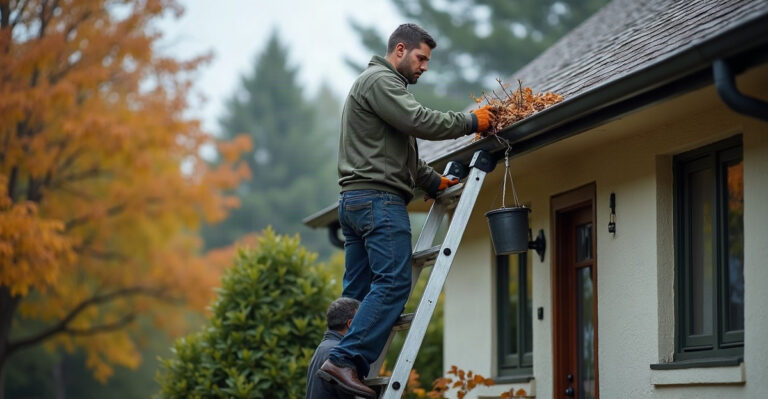
Improper maintenance is another factor. Clogged gutters, unresolved flashing issues, or visible patchwork repairs suggest neglect. Insurers may argue that preventable problems worsened the damage.
Documentation gaps can trigger a denied roof insurance claim Florida decision. Missing photos, no inspection history, or incomplete reports make it harder to prove when and how damage occurred.
Timing matters. Delayed reporting after a storm can lead an adjuster to question whether the damage is recent.
Previous claims or prior unrepaired damage may also affect the outcome. If similar issues were reported before, insurers may attribute new damage to older events.
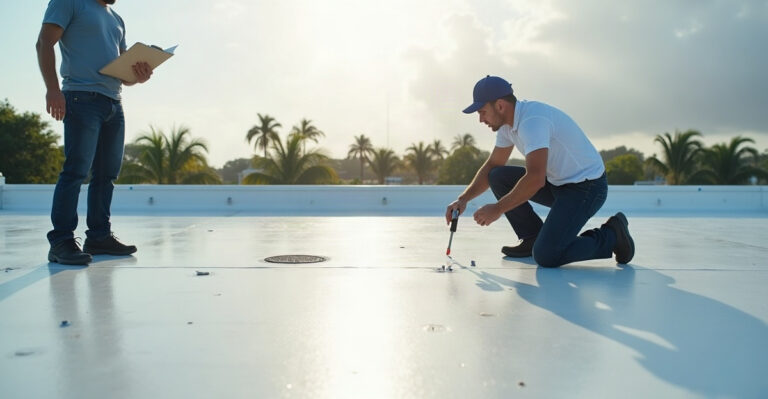
Commercial roof insurance claim Florida cases bring added scrutiny. Flat roofs, membrane systems, and drainage design are closely reviewed. Insurers usually expect maintenance logs, inspection records, and documentation showing adherence to manufacturer guidelines. Without those records, they may question the cause of loss.
In plain terms, insurers are looking for clear evidence of a sudden event. If the damage looks gradual or poorly documented, the claim faces challenges.
Storm Damage vs. Wear and Tear: Understanding What’s Actually Covered
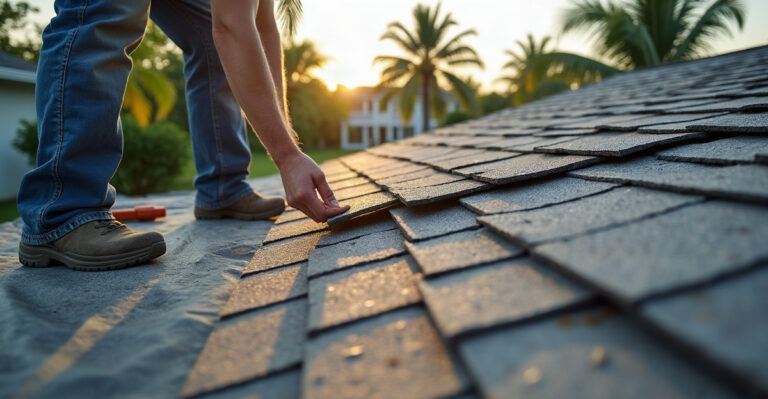
Policies generally cover a hurricane roof damage insurance claim when strong winds lift shingles, hail leaves impact marks, or debris punctures the surface. Those are sudden, identifiable events.
Gradual deterioration tells a different story. Sun exposure can make shingles brittle. Metal components may corrode over time. Flat commercial roofs may develop ponding water due to slow structural settling. These conditions usually fall under maintenance, not insurable loss.
Adjusters look for patterns. Creased shingles aligned with wind direction, impact marks consistent with hail size, and interior moisture tracking back to a single storm event support a hurricane roof damage insurance claim. Random cracking, uniform aging, or widespread granule loss across the entire roof often signal wear.
Strong documentation immediately after a storm makes a difference. Dated photos, contractor inspection notes, and prompt reporting strengthen a claim. Our guide on how to file a roof insurance claim after a storm explains the process step by step.
Florida roof insurance laws and policy forms have evolved due to high storm frequency. Carriers now define storm damage carefully and may separate cosmetic damage from functional damage.
Ultimately, coverage depends on policy wording and endorsements. We always encourage property owners to review their declarations page and exclusions so there are no surprises.
What to Do After Insurance Claim Is Denied
A denial is frustrating, but it doesn’t always end the process. Knowing what to do after insurance claim denied decisions arrive can change the outcome.
Start by reviewing the denial letter and policy details. Insurers must state why the claim was declined. Look for specific language referencing exclusions or limitations.
Next, request a written explanation if anything is unclear. Clear communication keeps everyone aligned.
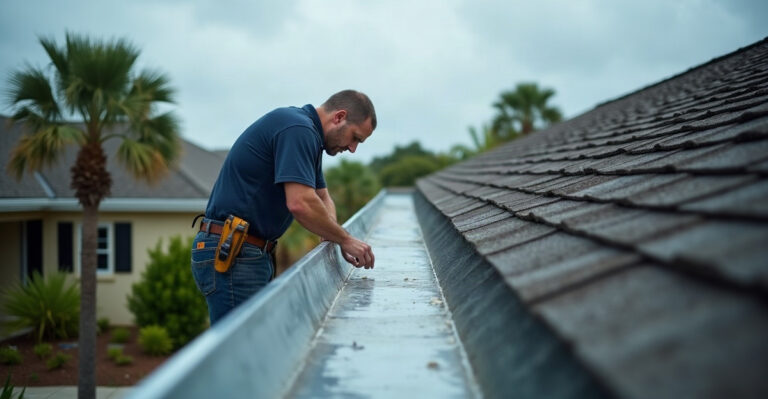
An independent roof inspection for insurance claim documentation is often the turning point. A detailed assessment with photos, moisture readings, and damage mapping can clarify whether the issue stems from storm impact or wear.
Take the following practical steps:
- Photograph all visible damage with date stamps.
- Gather prior maintenance or repair invoices.
- Collect any earlier inspection reports.
- Keep records of all insurer correspondence.
For those weighing next steps, our resource on storm damage insurance coverage outlines what policies typically include.
Appealing a roof insurance claim in Florida may involve submitting additional documentation or requesting a supplemental review. If the insurer approved a repair but denied replacement, further evidence may justify a reassessment.
Commercial property owners should assemble maintenance logs, service contracts, and manufacturer documentation. These records demonstrate responsible ownership and can support reconsideration.
We take a solution-focused approach. Some denials stand. Others change once better documentation is presented.
Residential vs. Commercial Claims: What Property Owners Should Know
Residential claims often center on roof age, storm exposure, and protecting home value. Insurers examine shingle condition, attic ventilation, and code compliance. Local building codes may require upgrades during major repairs, which can affect claim scope. Understanding how building codes affect roof repairs helps set expectations.
Commercial claims prioritize operational continuity. Business owners need to prevent interior damage, keep tenants safe, and manage budgets. Flat or low-slope systems must show proper drainage and membrane integrity. Insurers frequently expect documented inspections under maintenance contracts.
The insurance claim for roof replacement Florida process differs between property types. Residential claims may rely heavily on visual storm indicators. Commercial claims often require engineering reports or moisture scans.
Both benefit from detailed inspections and clear reports. Whether for a home or business, accurate documentation strengthens the file and reduces back-and-forth delays.
Local Support, FAQs, and Next Steps
As a Florida-based team, we’ve worked through countless storm seasons. We understand regional weather patterns, insurer expectations, and local building requirements.
Frequently Asked Questions
Can insurance deny a hurricane roof damage insurance claim?
Yes. If the insurer determines the damage resulted from wear, prior issues, or policy exclusions, they may deny the claim.
How long do we have to file a roof claim in Florida?
Deadlines vary by policy and recent legal updates. Reporting damage promptly after a storm is always the safest course.
Does roof age automatically disqualify coverage?
No. Older roofs may face limitations or actual cash value payouts, but age alone doesn’t always mean automatic denial. Policy terms control.
Can we reopen or supplement a denied roof insurance claim Florida decision?
In many cases, yes. Additional documentation, updated inspections, or clarification can support a supplemental review.
While every claim won’t be approved, many denials can be clarified with better information. A thorough inspection helps determine whether the issue is storm-related or maintenance-based. Our team provides detailed assessments through our roofing services, including storm damage repair and full roof replacement options when needed.
We’re proud to serve communities across Central and Northeast Florida. Our certified professionals document findings carefully, explain options clearly, and back our work with solid warranties. No exaggerated promises. Straight answers.
If claim concerns are creating uncertainty, we encourage scheduling a professional inspection. We’ll review visible conditions, provide a clear written report, and help organize documentation so informed decisions can be made. Reach out through our contact page to set up a consultation and move forward with confidence.