How to Protect a Roof During a Storm

Florida storms hit hard with wind, rain, debris, and salt air that wear down roofing systems fast. We prepare early and fix small issues before they grow into structural problems. Strong planning helps us avoid rushed repairs and unsafe decisions as a storm approaches.
Key Takeaways
- High winds create uplift that loosens shingles and membranes, which breaks seals and lets water enter the structure.
- Preventive steps such as clearing gutters, trimming branches, securing loose yard items, and scheduling roof inspections help us limit unnecessary storm damage.
- Flat and commercial roofs need open drains, sealed seams, and firmly anchored rooftop equipment so we can prevent standing water and membrane failure.
- We avoid climbing onto the roof during active storms; instead, we document visible damage from the ground and wait for safe weather.
- After the storm passes, we complete a ground-level inspection, photograph damage for insurance claims, and arrange professional repairs or roof replacement if aging materials or structural issues compromise performance.
Why Florida Storms Put Your Roof at Risk
Florida storms place extreme pressure on roofing systems. High winds, wind-driven rain, flying debris, heavy rainfall, and salt-air corrosion all work together to test even well-built structures across Central and Northeast Florida.
Wind uplift is one of the primary causes of wind damage roof Florida homeowners see each year, according to research on wind uplift forces on roofing systems. As strong gusts move across the roof surface, they create pressure differences that can pull shingles, tiles, or membranes up and away from the decking. Once that seal breaks, water can move in quickly.
Wind-driven rain adds another layer of risk. Rain forced sideways by high winds can enter through small gaps in flashing, underlayment, and fasteners. Flashing directs water away from roof joints and transitions, a key function of properly installed roof flashing systems. Underlayment acts as a secondary barrier beneath shingles or tile. Decking supports the entire roofing system. If any of these components are compromised, leaks can follow.
Coastal salt air accelerates corrosion. Metal flashing, fasteners, and rooftop equipment often deteriorate faster in these areas. Over time, corrosion weakens attachment points and increases the chance of failure during a storm.
The Florida Building Code is built for high-wind regions, but no system is storm-proof. Age matters. In our climate, many shingle roofs begin to show significant wear around 10–15+ years, especially when roof maintenance before storm season has been limited.
Many homeowners search how to protect roof during storm Florida when a system is already aging or after damage has started. Acting early provides the best protection. Waiting until shingles start lifting or water begins dripping limits options and raises costs.
How to Prepare Your Roof Before a Storm Hits
Preparation is the most cost-effective roof storm damage prevention strategy. Florida hurricane roof preparation works best when done before a storm watch is issued.
Homeowner Steps for Safer Storm Season
We recommend practical, safe actions that don’t require climbing onto the roof:
Before storm season begins, focus on these priorities:
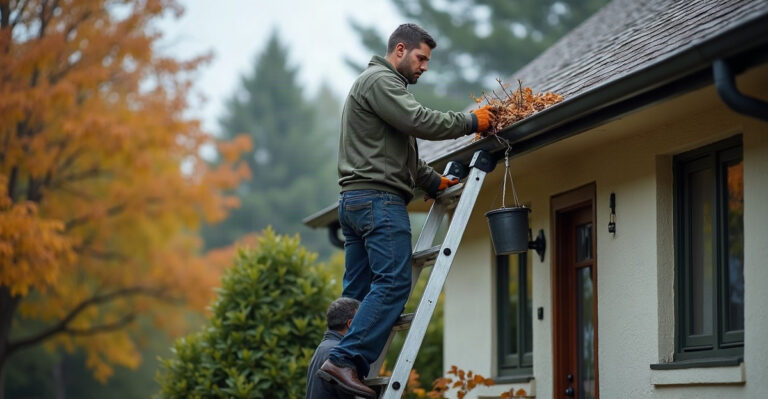
- Clear gutters and downspouts to prevent water backup that can rot fascia and decking. Our gutter services team can help if buildup is significant.
- Trim overhanging branches to reduce impact from falling limbs and flying debris.
- Secure outdoor furniture, grills, and yard items so they don’t become airborne hazards.
- Check the attic for damp insulation, water stains, or daylight showing through the decking.
- Take date-stamped photos of the current roof condition for a potential roof insurance claim Florida if damage occurs later.
These steps help protect shingles from high winds and reduce avoidable impact damage. For a more detailed seasonal checklist, review our guide on how to prepare a roof for hurricane season.
If the roof is 10–15+ years old, schedule a professional inspection. Aging systems are more vulnerable to uplift and water intrusion.
Commercial and Flat Roof Preparation
Commercial properties require additional commercial roof storm protection measures, especially on low-slope systems.
Flat roof storm protection Florida plans should include:
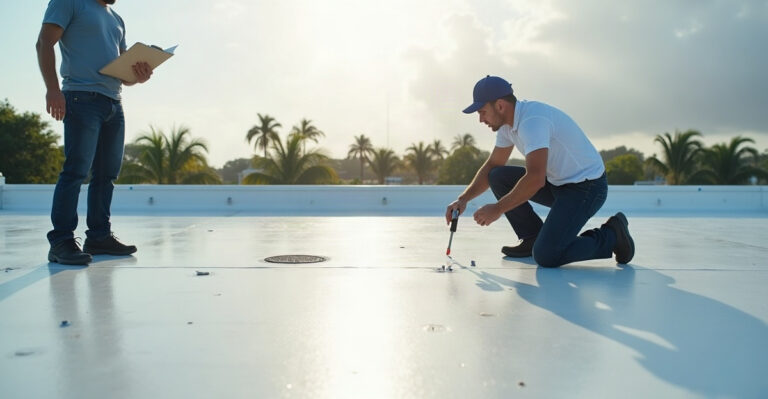
- Inspecting internal drains and scuppers to ensure water flows freely.
- Checking membrane seams, flashing, sealants, and penetrations.
- Securing rooftop HVAC units and equipment.
Flat roofs are built to manage water, but performance depends on clear drainage and intact seams. Our article on flat roofs and heavy rain explains how ponding water increases risk when maintenance is delayed.
Commercial owners benefit from a Florida storm roof inspection before peak hurricane season. Small seam separations or loose flashing can often be repaired quickly. Left unaddressed, they turn into large interior repairs.
What to Do as a Storm Approaches
As winds begin to pick up, safety becomes the top priority. We do not recommend climbing onto the roof once surfaces are wet or gusts increase. Attempting last-minute sealing or tarping in unsafe conditions often leads to injury.
If time allows and conditions remain safe, double-check a few basics:
- Confirm gutters and downspouts are clear.
- Move vehicles and loose objects away from the structure.
- Cover valuables in interior areas beneath older roof sections.
Commercial property teams should confirm drains remain unobstructed and rooftop access points are secured.
Many homeowners think about how to secure roof before hurricane conditions fully develop. Once winds accelerate, the better choice is to stay inside and out of harm’s way. Efforts to protect roof during storm Florida events should never place people at risk.
If visible damage has already occurred before the storm intensifies, document it from the ground and plan for emergency roof repair Florida services once conditions are safe.
What Not to Do During an Active Storm
Active storms demand patience and caution. We strongly advise against climbing onto a damaged roof during heavy rain, lightning, or strong gusts.
Never attempt emergency tarping in high winds. Temporary fixes done in unsafe weather often fail and can worsen structural damage. Sealants alone will not stop major leaks during driving rain. Water will find its way under lifted shingles or compromised flashing.
Wind damage roof Florida events can look minor from inside. A small ceiling stain may signal a much larger breach above. That said, protecting people comes before protecting materials.
Waiting until the storm passes is the safer option. Afterward, a licensed Central Florida roofing contractor or Northeast Florida roof repair team can assess the damage and deliver appropriate emergency roof repair Florida solutions without added risk.
After the Storm: Inspection, Documentation, and Insurance Steps
Once conditions are clear, begin with a ground-level inspection. Walk the perimeter and look for:
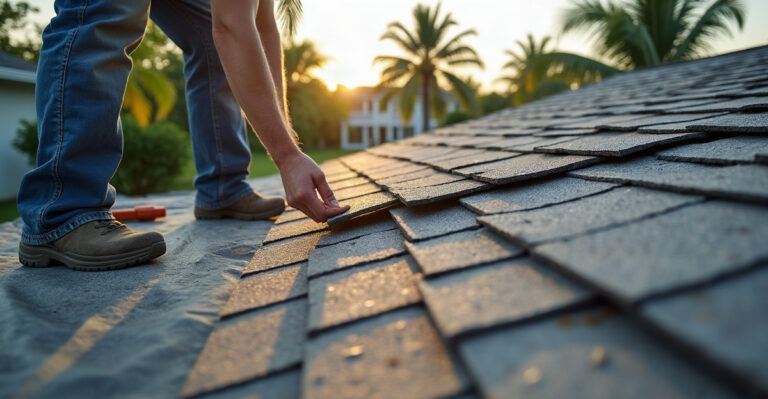
- Missing or lifted shingles or tiles.
- Bent, detached, or displaced flashing.
- Heavy debris accumulation.
- Sagging roof lines.
Inside the attic, check for moisture, dripping, or new stains. Commercial property managers should examine flat roof membranes for punctures, seam separation, and ponding water.
Take clear, date-stamped photos and detailed notes. This documentation supports a roof insurance claim Florida filing if damage qualifies.
Hidden issues often show up days or weeks later. Watch for rising energy bills caused by compromised insulation, bubbling interior paint, or mold odors. Not all wind damage roof Florida cases are obvious from the street. Our guide on how to know if a roof has storm damage outlines warning signs we frequently see across the region.
A professional Florida storm roof inspection goes deeper. We evaluate decking, underlayment, fasteners, and structural integrity. In many cases, targeted roof repair resolves the issue. In others, replacement offers better long-term value. We explain both options clearly so property owners can make informed decisions.
For urgent issues such as active leaks or exposed decking, our storm damage repair team responds quickly to secure the structure and prevent further water intrusion.
When Preventative Repairs or Replacement Make Sense in Florida
Preventative investment often costs less than emergency work. Signs it’s time to act include:
- Shingles approaching or exceeding 10–15+ years in Florida conditions.
- Loose flashing or corroded fasteners from salt-air exposure.
- Worn or cracked sealants around penetrations.
- Recurring leaks after heavy rain.
Upgrades improve wind resistance. Reinforced flashing and stronger fasteners help secure edges and transitions. Proper attic airflow from updated roof ventilation systems supports overall performance by reducing moisture buildup and heat stress.
For commercial properties, coatings can extend service life and contribute to flat roof storm protection Florida strategies. Our roof coating systems add a protective layer, but coatings are surface solutions. They do not correct structural weakness or rotted decking.
At times, full roof replacement makes better financial sense, especially when compliance with updated Florida Building Code standards improves wind resistance and insurability.
Consistent roof maintenance before storm season reduces disruption for businesses and surprise expenses for homeowners. Our overview of the benefits of roof preventative maintenance explains how routine care extends roof life in our climate.
As a local Central Florida roofing contractor serving surrounding communities, we understand how regional weather patterns affect different systems. Florida hurricane roof preparation is strongest when it’s proactive, informed, and grounded in local experience. Together, we can protect roof during storm Florida seasons and keep homes and businesses secure through every forecast.
Frequently Asked Questions
Homeowners can protect their roof during a Florida storm by preparing the property before severe weather arrives. Clearing gutters, trimming nearby branches, and securing outdoor items help reduce debris impact and water buildup. It’s also important to inspect the attic for leaks or moisture and schedule a professional roof inspection if the roof is older or showing signs of wear.
High winds are the most common cause of roof damage during Florida storms. Strong gusts create pressure that lifts shingles, tiles, or roofing membranes, breaking their seal. Once materials loosen, wind-driven rain can enter beneath the roofing layers and cause leaks, structural damage, or insulation problems inside the building.
No, climbing onto the roof before or during a hurricane is generally unsafe. Wet surfaces, strong winds, and flying debris increase the risk of serious injury. Instead, homeowners should focus on ground-level preparations such as clearing gutters, securing loose yard items, and documenting the roof’s condition before the storm for insurance purposes.
After a storm passes, start with a ground-level inspection around the property. Look for missing shingles, damaged flashing, debris accumulation, or sagging areas along the roofline. Inside the attic, check for water stains, dripping, or damp insulation. Taking clear photos helps document damage if you need to file a roof insurance claim.
A roof inspection should be scheduled before hurricane season begins as part of recommended hurricane preparedness planning, especially if the roof is more than 10–15 years old. Early inspections help identify loose shingles, deteriorated flashing, or worn sealants that could fail during strong winds or heavy rain. Addressing these issues in advance reduces the risk of costly storm damage and emergency repairs.