Does homeowners insurance pay for roof repair?
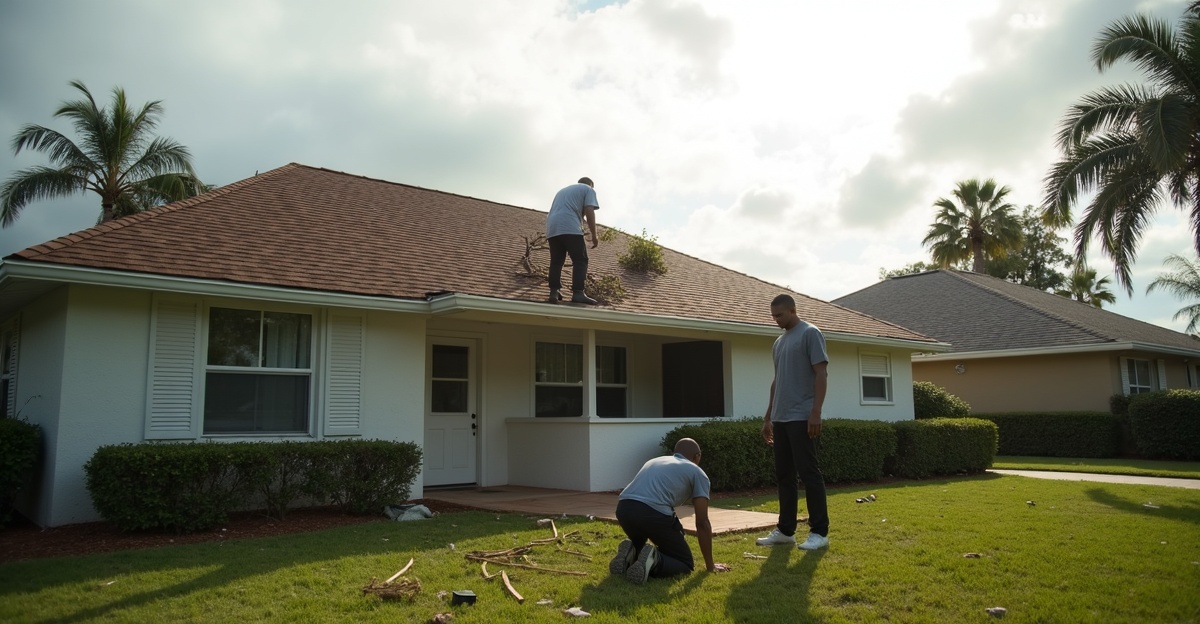
We often hear homeowners ask whether insurance pays for roof repair, and we explain that coverage depends on sudden damage caused by a listed peril. Insurance covers roof repair when a specific event triggers the damage. In Florida, policies commonly cover wind, hail, hurricanes, and falling trees. Carriers usually exclude wear and tear, aging materials, improper installation, and poor maintenance.
Key Takeaways
- Homeowners insurance usually covers roof damage caused by sudden, accidental events like windstorms, hurricanes, hail, fire, or falling debris.
- Gradual wear and tear, neglected maintenance, and pre-existing installation issues often lead to denied claims.
- Roof age, deductible type (including named storm deductibles), and whether the policy pays Actual Cash Value or Replacement Cost directly affect payouts.
- Proper documentation, timely reporting, and a professional inspection help us link the damage to a specific storm event.
- Filing a claim makes the most sense when repair costs clearly exceed the deductible and we can tie the damage to a covered peril.
When Homeowners Insurance Covers Roof Repair — And When It Doesn’t
Homeowners insurance typically pays for roof damage that happens suddenly and accidentally. It does not pay for gradual wear and tear or maintenance issues that build up over time.
Most policies work on the concept of covered perils in homeowners insurance policies. A covered peril is a specific risk listed in the policy—such as wind, hail, fire, or falling objects. If the roof is damaged directly by one of those listed events, the repair may qualify for coverage.
Here in Central and Northeast Florida, that often means:
- Hurricane and tropical storm wind damage
- Wind damage after strong afternoon thunderstorms
- Hail damage in certain areas
- Fallen trees during a storm
- Sudden debris impact
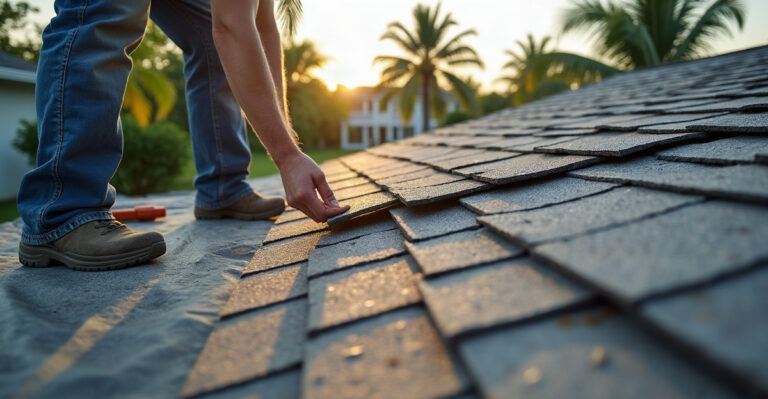
For example, if a windstorm lifts shingles and rain enters the home, that situation may qualify as storm damage roof repair in Florida. Wind is typically a covered peril, and the damage is sudden.
Compare that to an older roof where shingles have cracked and curled over many years. If water seeps in because the materials have reached the end of their lifespan, that’s usually considered maintenance. Insurance carriers view that as the homeowner’s responsibility.
Policy details matter. Coverage depends on individual policy terms, endorsements, roof age, and the deductible selected. Two neighbors on the same street can have very different outcomes based on those differences alone.
We also encourage homeowners to understand how different storms affect roofing systems. Our breakdown of how hurricanes damage shingle roofs in Florida explains why wind uplift and water intrusion are such common claim triggers.
This information is educational. Insurance policies are legal contracts, and final decisions rest with the carrier. We always recommend reviewing policy documents carefully and speaking directly with the insurer for clarification.
Common Reasons Roof Claims Are Denied in Florida
Florida’s insurance environment has changed in recent years. Carriers now review roof claims with greater scrutiny, especially on older homes.
One common reason for denial is roof age. Many companies place restrictions on roofs over a certain number of years old. Shingle and tile systems often draw close attention once they reach later stages of service life. In some cases, insurers limit payouts or apply actual cash value instead of full replacement cost.
Long-term deterioration is another frequent issue. If the roof shows signs of neglect—such as repeated patch repairs, untreated leaks, or worn-out flashing—an insurer may categorize the problem as ongoing maintenance rather than storm-related damage.
Improper installation can also complicate a claim. Construction defects or code violations may fall outside standard coverage. If shingles were not installed correctly years ago, an adjuster may argue that wind exposure simply revealed a pre-existing weakness.
Timing matters. Claims filed too long after a storm can raise red flags. Adjusters often look for evidence that ties damage to a specific event. Without that link, they may determine the cause is unclear.
There’s also a difference between cosmetic damage and functional damage. Minor granule loss on shingles may be considered cosmetic if it doesn’t affect waterproofing performance.
Insurance denied roof claim cases frequently involve:
- Limited or no documentation
- No clear storm date
- Damage patterns inconsistent with reported wind or hail
- Pre-existing issues documented in past inspections
We’ve seen many of these situations, which is why we urge homeowners to understand why insurance may deny roof replacement claims before filing.
Honesty is key. Insurance can be a valuable safety net. At the same time, it’s not a maintenance plan. Knowing that distinction helps set realistic expectations.
Understanding Deductibles, Roof Age, and Payout Types
Deductibles play a big role in deciding whether filing a claim makes sense. In Florida, many policies include two types: a standard deductible and a hurricane or named storm deductible.
A named storm deductible applies when a storm is officially given a name by the National Hurricane Center’s hurricane naming system. These deductibles are often higher than standard ones and are calculated as a percentage of the home’s insured value in many cases. That can mean several thousand dollars out of pocket before coverage begins.
If repair costs are close to the deductible, filing may not be practical. If the cost significantly exceeds it, a claim may be worthwhile. Running the numbers first helps avoid surprises.
Payout structure also matters. Policies typically fall into two categories:
- Actual Cash Value (ACV): Pays the depreciated value of the roof at the time of loss. Older roofs receive smaller payouts.
- Replacement Cost Value (RCV): Pays closer to the full cost to repair or replace, depending on policy terms and conditions.
Roof age heavily influences these outcomes. Older roofs may be paid at ACV even if the policy once included replacement cost. Some insurers also require inspections or endorsements once a roof reaches a certain age.
Before starting the process, review the declarations page and endorsements carefully. That single step can clarify coverage type, deductible amounts, and age-related restrictions.
For homeowners who want a helpful starting point, our guide on storm damage coverage explains how carriers typically evaluate wind and weather-related claims.
Step-by-Step: The Roof Insurance Claim Process in Florida
Filing a roof claim follows a consistent path. Staying organized makes it smoother.
What the process typically looks like
- Document damage immediately. Take clear photos and videos. Note the storm date.
- Prevent further damage if safe. Temporary tarping or minor repairs can help. Keep receipts.
- Contact the insurer promptly to open a claim.
- Schedule a professional roof inspection for documentation.
- Meet the insurance adjuster during their inspection if possible.
- Carefully review the estimate and settlement offer before agreeing.
Adjusters often look for a direct link between roof damage and a specific storm event. Maintenance records strengthen credibility. Prompt reporting helps avoid disputes over timing.
A qualified inspection is critical. Many homeowners ask how to confirm whether there’s actual storm impact. We explain warning signs in how to know if a roof has storm damage.
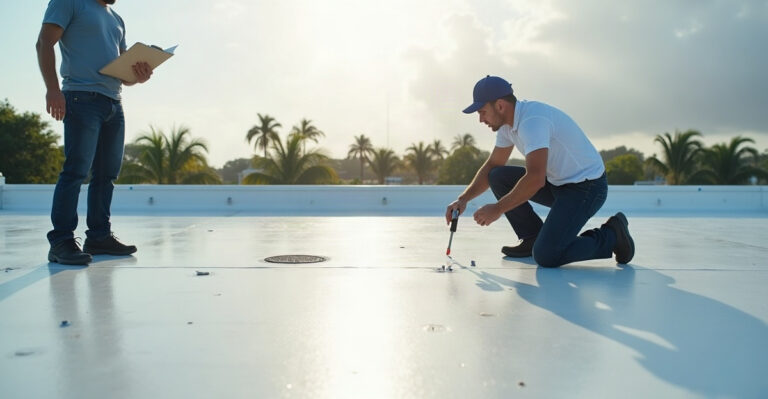
Residential and commercial properties follow similar processes, but commercial roofs—especially flat or membrane systems—require additional documentation. Small businesses should ensure seams, flashing, and drainage areas are thoroughly photographed and described.
If a claim moves forward, the carrier issues a payment based on policy terms. If disputes arise, further review or supplemental documentation may be necessary. Staying calm and organized goes a long way.
When Filing a Claim Makes Sense — And When It May Not
Filing a claim can be the right move in certain situations. It may make sense when repair costs clearly exceed the deductible and damage ties directly to a covered event, such as hurricane-related wind uplift.
In a clear hurricane roof damage insurance scenario, documentation and inspection findings often support the claim. That’s where a professional evaluation helps.
On the other hand, paying out-of-pocket may be more practical if repair costs sit near the deductible or if the issue is minor. A small repair handled through a trusted roof repair service may avoid adding a claim to the property’s history.
Each homeowner’s situation is different. Claims can influence future premiums or underwriting decisions, depending on carrier guidelines. That doesn’t mean filing is wrong. It simply means the decision deserves thoughtful consideration.
We recommend getting a professional assessment before contacting the insurer. A clear understanding of scope and cost allows for informed decisions.
For those ready to move forward, our overview of how to file a roof insurance claim outlines practical next steps.
Protecting Your Roof and Strengthening Future Claims
Preparation supports both roof performance and insurance outcomes.
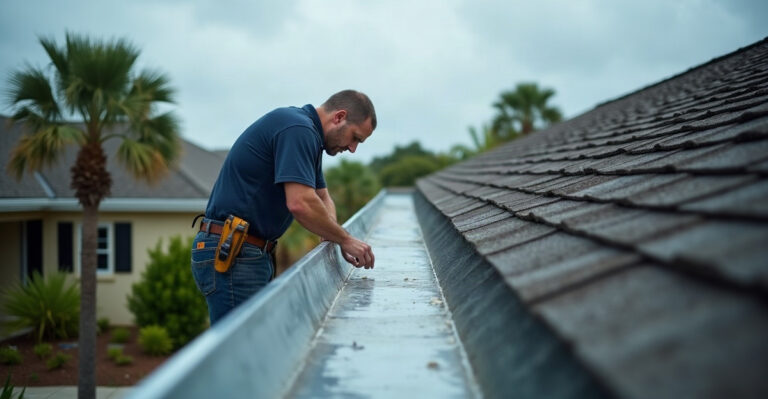
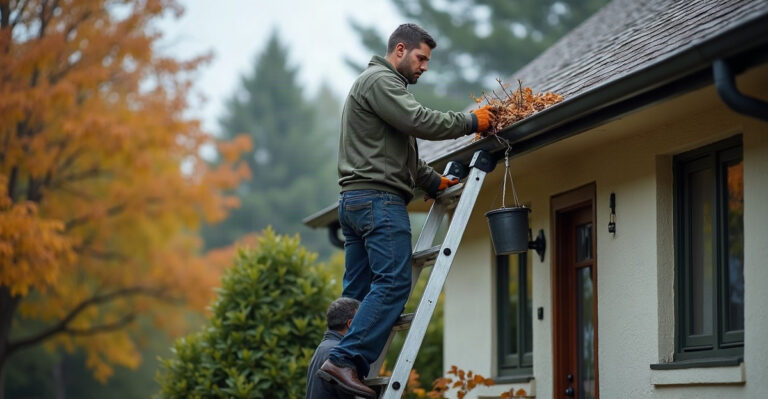
Regular maintenance makes a difference. Annual inspections catch small issues before they grow. Clearing debris and maintaining gutters helps prevent water backup. Addressing minor leaks quickly limits structural damage.
Documentation is equally important. Keep inspection reports, invoices, and dated photos on file. If a storm hits, that historical record demonstrates consistent care.
Central and Northeast Florida experience heavy rains, strong summer thunderstorms, and hurricane threats each year. Seasonal preparation reduces surprises. Reinforcing vulnerable areas and replacing aging shingles early can extend service life.
We take pride in supporting our local community with clear reporting and honest recommendations. A professional inspection provides detailed photos and written findings that homeowners can use in conversations with their insurer.
If there are concerns about storm impact or roof condition, schedule an evaluation through our main site at Pyramid Roofing FLA or reach out directly through our contact page. We work alongside homeowners and adjusters with transparency and practical solutions—no high-pressure tactics, just experienced guidance from neighbors who understand Florida roofs.
Frequently Asked Questions
Homeowners insurance may cover a roof leak if the leak results from sudden damage caused by a covered peril, such as wind, hail, or a fallen tree. If a storm damages shingles and water enters the home, repairs may qualify for coverage. However, leaks caused by aging materials, poor maintenance, or gradual deterioration are usually excluded from standard policies.
Insurance companies typically look for evidence that links the damage to a specific storm event. Adjusters review historical severe weather reports from NOAA, inspect shingle patterns, and check for impact marks or wind uplift. Documentation such as photos, inspection reports, and maintenance records can help demonstrate that the damage occurred suddenly rather than from long-term wear.
Filing a claim makes sense when the cost of roof repair clearly exceeds the policy deductible and the damage is tied to a covered event. If repair costs are close to the deductible, paying out of pocket may be more practical. Claims also become stronger when homeowners provide clear documentation and a professional inspection confirming storm damage.
Yes, roof age can significantly affect insurance payouts. Older roofs may receive payment based on Actual Cash Value, which subtracts depreciation from the claim amount. Newer roofs are more likely to qualify for Replacement Cost Value coverage. Some insurers also apply restrictions or require inspections once a roof reaches a certain age.
Most homeowners insurance policies exclude damage caused by normal wear and tear, neglected maintenance, or faulty installation. Issues like cracked shingles from aging, slow leaks that develop over time, or construction defects often lead to denied claims. Insurance generally focuses on sudden, accidental damage rather than problems that occur gradually.