Does insurance cover roof damage from storms?
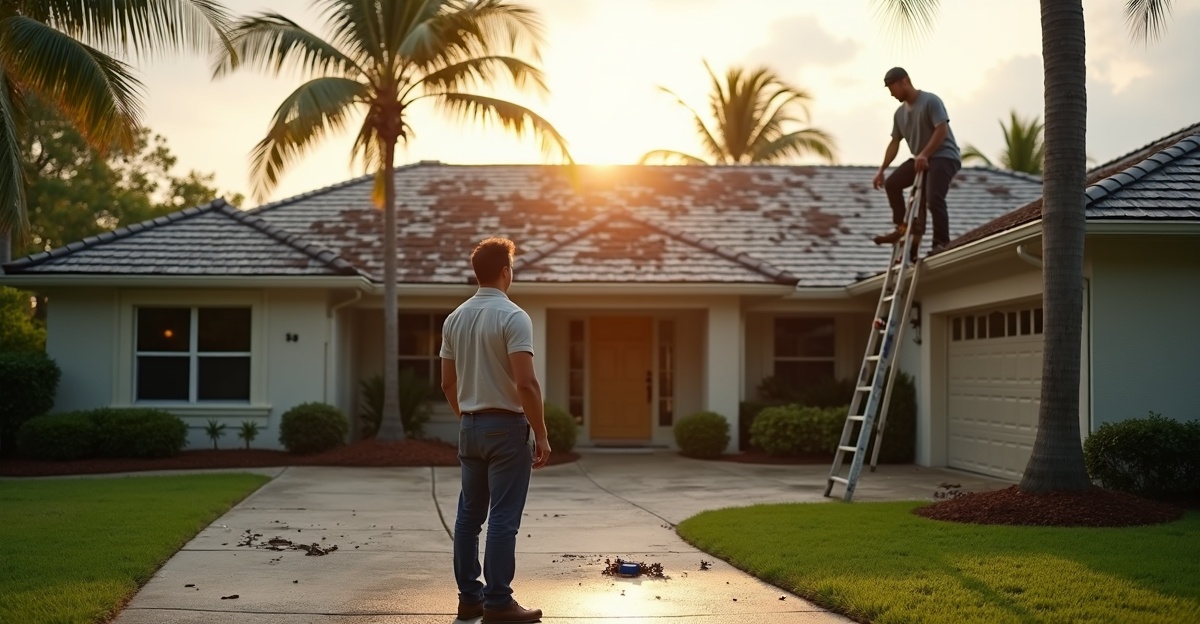
Storm damage roof insurance in Florida usually covers sudden, accidental damage from wind, hail, hurricanes, and falling debris when we can link the loss to a specific storm. Coverage depends on the perils listed in our policy, the deductible structure we chose, and whether a recent weather event caused the damage instead of age, wear, or poor maintenance. We review each policy carefully because insurers pay for storm-related damage, but they deny claims tied to long-term deterioration. A clear connection between the storm date and the roof damage strengthens our position and improves our chances of payment.
Key Takeaways
- Most Florida policies cover wind, hail, hurricane impacts, and storm-created openings that lead to interior leaks.
- Insurance does not cover wear and tear, neglect, pre-existing damage, or certain cosmetic issues.
- Hurricane deductibles are often percentage-based and can significantly affect out-of-pocket costs.
- ACV vs RCV coverage determines whether depreciation reduces our payout or full replacement cost is paid (minus the deductible).
- Prompt documentation, professional inspections, and timely claim reporting strengthen storm damage roof insurance claims.
What Storm Damage Is Usually Covered Under Florida Roof Insurance
Storm damage roof insurance typically covers sudden and accidental damage caused by wind, hail, hurricanes, and falling debris. Florida policies are structured around specific covered perils listed in the policy language. If the damage results directly from one of those events, it is often included.
In Central and Northeast Florida, we commonly see coverage for:
- Wind uplift that removes shingles or tiles
- Hail impact that fractures or bruises roofing materials
- Heavy rain intrusion that occurs after a storm creates an opening in the roof
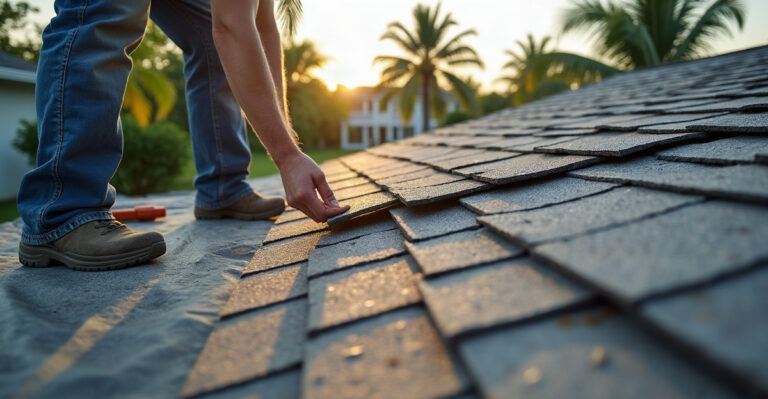
Wind damage roof claims are among the most frequent. Strong gusts can lift shingle roofs, crease tabs, or tear them off completely. Metal panels on metal roofs can also loosen if fasteners fail under pressure. Hail damage roof insurance claims often involve bruising that isn’t visible from the ground but weakens the roofing system.
Hurricane roof damage insurance Florida policies typically respond to wind-driven rain, flying debris, and fallen tree limbs. If a branch punctures the roof and water enters the home, that is usually considered a covered event.
Many homeowners ask, does homeowners insurance cover roof leaks from storms? In most cases, yes—if the leak is traced directly to storm-created damage. If the leak developed from years of wear or poor maintenance, coverage is unlikely. Insurance carriers look for a clear, sudden cause tied to a specific storm.
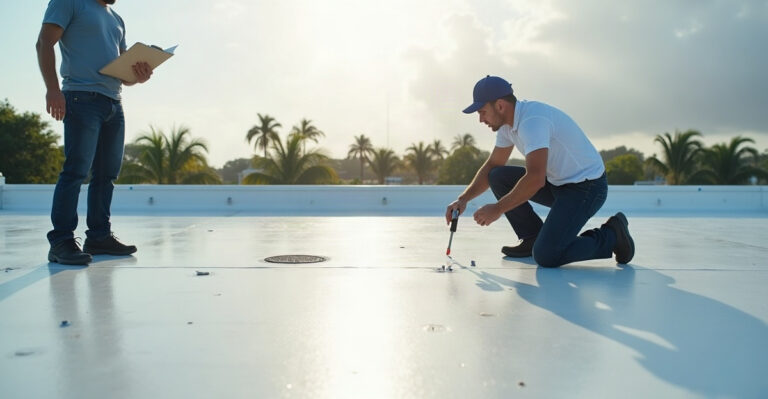
Commercial roof storm damage insurance can apply to membrane punctures on flat systems, flashing torn loose by wind, or damage around HVAC curbs. Coverage depends on the exact wording of the policy, the type of roofing system, and how well the property has been maintained.
The key principle is simple: insurance is meant for sudden and accidental damage rather than gradual deterioration, which is how homeowners policies typically define covered losses
What Florida Roof Insurance Does Not Cover
Understanding what roof insurance does not cover is just as important as knowing what it does.
Most policies exclude:
- Wear and tear or age-related deterioration
- Lack of maintenance or neglect
- Pre-existing damage
- Manufacturing defects
- Cosmetic damage, if the policy includes a cosmetic exclusion
If a roof is near the end of its service life and shows cracking, brittleness, or granule loss, insurers often classify that as age-related decline. That is different from storm-created damage. Insurance companies look for clear evidence that a specific weather event caused the issue.
Older roofs may also have limited coverage. Some Florida policies pay only Actual Cash Value (ACV) instead of full replacement cost. The ACV vs RCV roof insurance difference significantly impacts claim payouts.
Each policy is different. Coverage depends on the actual language in the contract. This information is general guidance, not legal advice. Reviewing the declarations page and endorsements is always the best next step before filing Florida roof insurance claims.
Understanding Deductibles, ACV vs RCV, and Florida Hurricane Rules
Florida hurricane deductible rules often surprise property owners. Unlike a standard “all other peril” deductible, a hurricane deductible is usually percentage-based. Common amounts are 2%, 5%, or higher of the insured dwelling value.
For example, if a home is insured for $400,000 and has a 2% hurricane deductible, the out-of-pocket responsibility would be $8,000 before insurance pays.
The difference between Actual Cash Value vs Replacement Cost coverage in homeowners insurance also plays a major role in payouts:
- Actual Cash Value (ACV) pays the replacement cost minus depreciation. Older roofs typically result in lower payouts.
- Replacement Cost Value (RCV) generally pays the full cost to replace the roof (minus the deductible), often in two payments—one for the depreciated amount and another after work is completed.
Most Florida roof insurance claims require prompt notice requirements under Florida property insurance claim rules after a storm. Policies often state that damage must be reported within a specific timeframe. Waiting too long can complicate the process. Reviewing the declarations page before filing helps clarify your hurricane deductible and valuation type.
For a deeper overview, our guide on filing a roof claim after a storm provides detailed documentation and policy review tips.
Step-by-Step: The Roof Insurance Claim Process in Florida
The roof insurance claim process in Florida typically follows clear, structured steps.
Typical Claim Steps After a Storm
- Prioritize safety first. Avoid climbing onto the roof immediately after a storm.
- Document visible damage. Take photos and videos inside and outside the property.
- Prevent further damage. Temporary tarping may be necessary. Keep all receipts.
- Contact your insurance carrier to initiate the claim.
- Schedule the adjuster inspection.
- Review the estimate carefully before approving repairs.
Professional documentation strengthens storm damage roof insurance claims. A licensed contractor can provide a detailed inspection report, identify storm-related damage, and clarify the scope of repairs. If requested, a contractor may meet with the adjuster to ensure all observed damage is addressed.
We do not promise claim approval. Approval decisions belong solely to the insurer. Our role is to provide accurate documentation and honest assessments.
If you are unsure whether damage exists, begin with an inspection. This guide on how to know if a roof has storm damage explains common warning signs across Central and Northeast Florida.
When repairs are necessary, our storm damage repair services focus on stabilizing the property quickly and restoring long-term protection.
How Storm Roof Insurance Claims Differ for Commercial Properties
Commercial roof storm damage insurance typically involves additional documentation and review requirements.
Flat and low-slope systems such as TPO, modified bitumen, and standing seam metal require specialized inspection techniques. Storm impacts may cause membrane punctures, seam separation, or flashing damage that is not immediately visible.
Insurance carriers often request:
- Maintenance records
- Inspection logs
- Pre-storm and post-storm photos
Deductibles on commercial policies are often higher, and valuation methods may differ from residential ACV vs RCV roof insurance structures. Some policies also include business interruption coverage, which applies separately from roof repair costs.
Storm recovery can feel overwhelming, but clear information makes it manageable. We encourage scheduling a post-storm inspection or requesting a detailed documentation report from a licensed and insured local contractor. Through our full range of roofing services, we support property owners across Central and Northeast Florida with straightforward guidance and dependable workmanship.
Our goal is to help our community understand their options, make informed decisions, and protect every property with confidence.
Frequently Asked Questions
Yes, if the leak is directly tied to documented storm damage. Leaks caused by maintenance neglect or aging materials are typically excluded.
The reporting window varies by policy. Claims should be reported as soon as damage is discovered. Always review specific policy language for deadlines.
It depends on the extent of the damage, coverage limits, the Florida hurricane deductible, and whether the policy uses ACV or RCV. Some claims result in targeted repairs, while widespread damage may justify a roof replacement.
Property owners can request clarification, submit supplemental documentation, or ask for a reinspection. Our article on homeowners insurance roof repair coverage explains common outcomes in more detail.