How long do I have to fix my roof after a claim?
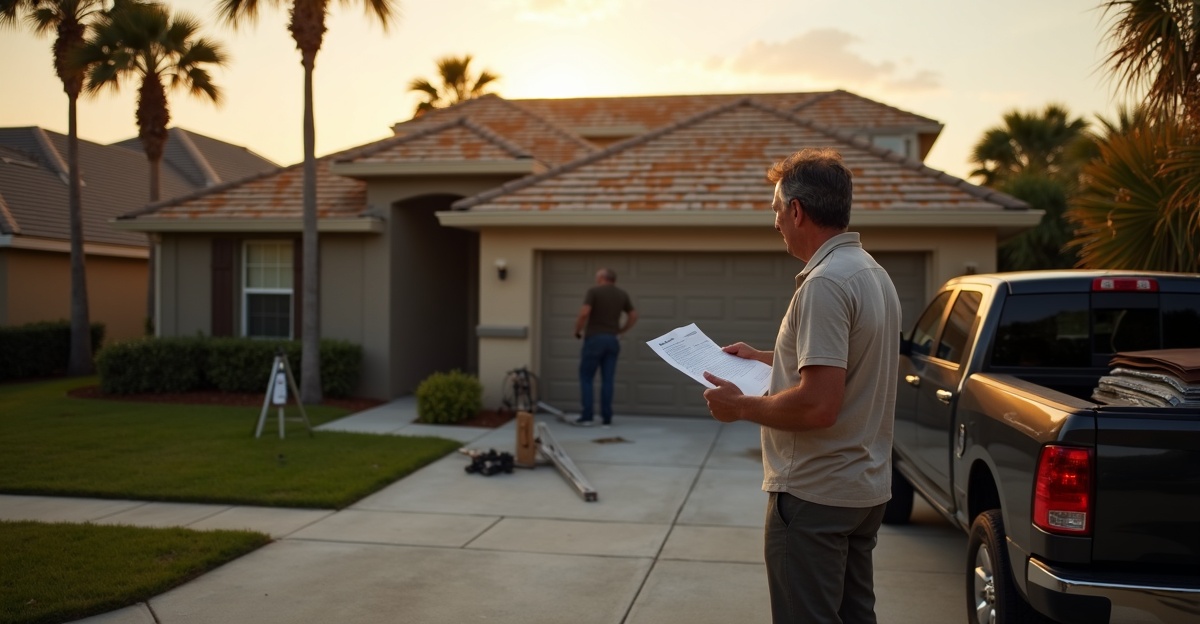
The roof insurance claim timeline determines how long we have to complete repairs and submit documentation after claim approval, and we can lose recoverable depreciation if we miss that window. In Florida, most policies require us to finish repairs within about 180 days of the loss or the first payment, while we also account for supplements, permitting, lender endorsements, and storm-related delays.
Key Takeaways
- Most Florida replacement cost policies pay ACV first and release recoverable depreciation only after we complete repairs and submit proper documentation.
- Many insurers require us to finish repairs within about 180 days of the loss or first payment, but each carrier sets its own deadline, and we must confirm it in writing.
- Supplements, mortgage company endorsements, permitting, inspections, and material shortages can delay the project and affect our timeline.
- If we fail to complete repairs on time, we risk losing depreciation funds, facing denied supplemental damage, or triggering underwriting issues at renewal.
- A clear plan keeps the claim on track: we review policy documents, confirm deadlines, schedule contractors early, and submit proof of completion promptly to protect the full payout.
What Most Florida Policies Require After a Roof Claim Is Approved
Approval of a roof claim starts an important clock. From that point forward, the roof insurance claim timeline moves from review and estimate into repair and documentation.
Every carrier sets its own terms, and each policy is a contract. Deadlines vary. This explanation reflects common Florida practices and is not legal advice. We always recommend reviewing the policy carefully and confirming requirements in writing with the adjuster.
Most Florida policies that pay replacement cost value (RCV) follow a two-step structure:
- First payment: Actual Cash Value (ACV)
- Second payment: Recoverable depreciation after repairs are complete
ACV reflects the depreciated value of the roof at the time of loss. That is typically the initial check issued after approval. The withheld portion, called recoverable depreciation in a roof claim, is paid once repairs are completed and proper proof repairs insurance roof documentation is submitted, including invoices, photos, and completion certificates.
Many insurers require work to be completed within a specific window to collect that depreciation. A common Florida roof insurance claim deadline is 180 days from the date of loss or from the date the first payment is issued. However, some carriers shorten or extend this timeframe depending on the event and policy language.
Understanding how long to complete roof repairs after insurance claim approval is essential. If repairs are not finished and documented within the allowed timeframe, the carrier may deny release of the withheld depreciation. That can mean thousands of dollars left uncollected.
The key takeaway is simple. Once approval comes through, establish a clear plan. Confirm the deadline. Schedule inspections. Start the process early rather than racing the clock at the end.
Florida-Specific Deadlines, Storm Season Pressures, and Regulatory Factors
Florida property insurance claim requirements shape how a Florida roof insurance claim deadline unfolds. the state’s weather patterns play a major role in timing, especially during the Atlantic hurricane season defined by the National Oceanic and Atmospheric Administration (June 1 through November 30).
After a declared storm event, demand surges. Roof replacement after hurricane Florida activity spikes quickly across Central and Northeast Florida. Contractors book out. Material suppliers experience shortages. Adjusters handle large volumes of claims.
Insurers sometimes issue event-specific instructions or compliance timelines after major storms. In widespread disasters, documentation requirements may increase. Some carriers tighten follow-up expectations to close claim files efficiently.
Permitting also affects timing. Local municipalities may require engineered uplift calculations, updated code compliance, or enhanced underlayment details to meet Florida Building Code roofing requirements. Inspection queues stretch after large storms. Even when homeowners move quickly, city schedules can delay final sign-off.
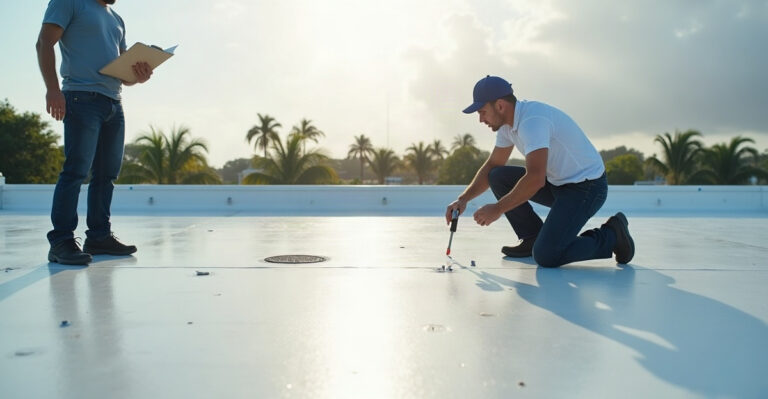
Commercial properties face additional layers. A commercial roof insurance claim timeline often includes engineering reports, manufacturer system specifications, tenant coordination, and larger municipal permitting review. Flat roof systems may require thermal scans or moisture reports. As a result, commercial schedules typically exceed those of residential homes.
Residential and commercial timelines rarely move at the same pace. Each property type carries unique regulatory and coordination demands. Planning early helps avoid unnecessary deadline pressure.
What Can Slow Down Your Roof Project After Claim Approval
Claim approval does not always mean final funding. Several factors can extend the roof insurance claim timeline if they are not addressed early.
One common issue is the insurance supplement approval timeline. During tear-off, hidden damage such as rotted decking or underlayment failure may appear. When that happens, the contractor submits a supplement request for additional funds. The carrier reviews photos, measurements, and reports before issuing updated approval. That review can take days or weeks depending on workload.
Payment processing also adds time. Most insurance checks over a certain amount include the mortgage company as a co-payee, a process tied to mortgage lender property insurance claim rights explained by consumer finance regulators. The lender typically requires endorsement and may inspect the property before releasing funds. Some lenders disburse in stages rather than in full. That extra step can slow scheduling if not anticipated.
Local permitting timelines vary across Florida counties. After major storms, inspection departments operate under heavy demand. Even routine roof replacements may wait for available inspectors.
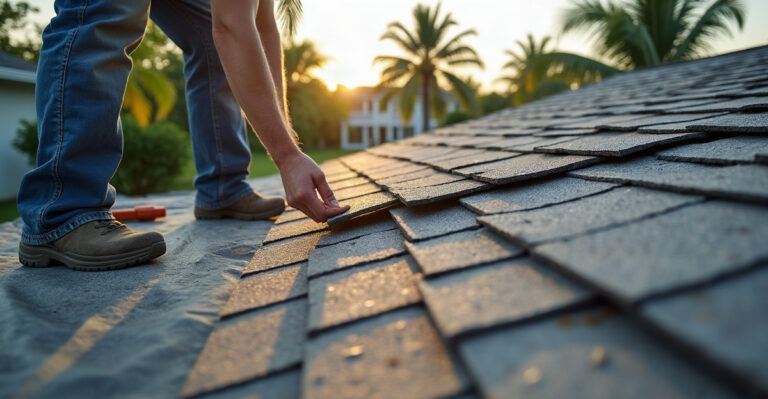
Material availability matters as well. Shingles, tile, and specialized underlayment products sometimes go on backorder after widespread storm activity. Ordering early reduces risk of delay.
Throughout the project, carriers require proof repairs insurance roof documentation. This typically includes:
Required documentation often includes:
- Signed contractor agreement
- Final paid invoice
- Photo evidence of completed work
- Permit approval and final inspection record
- Supplemental approval letters, if applicable
Submitting complete documentation promptly protects the recoverable depreciation roof claim funds and closes the file correctly.
What Happens If You Delay Roof Repairs Too Long
Homeowners sometimes pause projects due to travel, financial planning, or contractor availability. While understandable, it is important to recognize what can happen if you delay roof repairs beyond policy deadlines.
First, the carrier may close the claim file once the stated completion window passes. If repairs remain unfinished, the insurer can deny release of any recoverable depreciation that has not yet been paid.
Second, additional damage may not qualify for coverage. If a roof leak worsens and interior damage develops months later, the carrier may classify it as failure to mitigate, meaning the policyholder did not act promptly to protect the property from further loss.
Unrepaired damage can also raise underwriting concerns. At renewal, an insurer may request proof that previous claim-related damage has been corrected. In some cases, unresolved roofing issues contribute to non-renewal decisions.
Commercial property owners face added exposure. Ongoing leaks can disrupt tenant operations, damage inventory, and create contractual disputes. Prompt repairs help protect both relationships and revenue.
Step-by-Step: What to Do Once Your Roof Claim Is Approved
A structured plan keeps the roof insurance claim timeline on track. Once approval arrives, consider the following steps:
- Review claim documents carefully. Examine the scope of loss, payment breakdown, deductible application, and depreciation details. Confirm whether coverage is ACV or RCV.
- Confirm the Florida roof insurance claim deadline in writing. Ask the adjuster how long you have to complete repairs after approval and request the response by email.
- Schedule a professional inspection. Even if the carrier completed its own inspection, an independent roofing evaluation helps confirm the approved scope aligns with field conditions. If needed, coordinate appropriate storm damage repair services.
- Address supplements quickly. If tear-off reveals additional damage, submit documentation immediately to avoid prolonging the insurance supplement approval timeline.
- Plan around permitting and HOA requirements. Some Florida communities require HOA approval for materials or colors, which can affect scheduling.
- Complete the project and submit documents promptly. After installation, send final invoices, photos, and permit approvals to trigger release of depreciated funds.
A proactive approach protects eligibility and keeps funding moving smoothly.
Choosing a Contractor Who Understands Florida Insurance Restoration
Insurance restoration differs from retail roofing work. Experience matters. Working with a contractor familiar with Central and Northeast Florida insurance restoration helps prevent costly missteps.
An experienced team understands the insurance supplement approval timeline and submits proper documentation for hidden damage. Clear measurements and photo evidence reduce claim friction and speed approvals.
Contractors should also assist with mortgage company roof insurance check endorsements by providing required paperwork promptly and coordinating with lenders when inspections are needed.
Residential and commercial properties follow different paths. A commercial roof insurance claim timeline often involves technical flat roof assemblies and manufacturer documentation, while residential systems focus more heavily on building code upgrades and wind mitigation compliance.
At Pyramid Roofing FLA, we take pride in serving our Florida neighbors with straightforward guidance and realistic expectations. Whether the project involves roof replacement after a hurricane or targeted repairs, we focus on clear communication from start to finish.
Every claim is unique. Every policy differs. With the right planning and an experienced team, you can manage the roof insurance claim timeline confidently and protect the full value of your claim.
Frequently Asked Questions
The roof insurance claim timeline typically continues for several months after approval. Most replacement cost policies release the first payment as Actual Cash Value (ACV), then issue recoverable depreciation after repairs are finished. In many cases, homeowners must complete repairs and submit documentation within about 180 days. The exact timeframe depends on the insurance carrier, policy terms, and any delays involving permits, supplements, or inspections.
Missing the repair deadline in a roof insurance claim timeline can result in losing recoverable depreciation funds. Insurance companies may close the claim file if repairs are not completed within the required window. Once closed, it can be difficult to reopen the claim or request additional payments. Delays may also affect approval of supplemental damage discovered during repairs.
Yes, the roof insurance claim timeline can sometimes be extended, but approval from the insurance carrier is usually required. Homeowners should contact the adjuster before the deadline and request a written extension. Insurers may grant extra time when delays involve permitting, material shortages, storm demand, or contractor scheduling issues. Documentation explaining the delay improves the chance of approval.
Supplements can extend the roof insurance claim timeline because they require additional review by the insurer. When contractors discover hidden damage during tear-off, they submit photos, measurements, and repair documentation to justify extra funding. The insurance company must evaluate the request before approving payment. This review process can add days or weeks to the overall repair schedule.
To finalize the roof insurance claim timeline, insurers typically require proof that repairs were completed. Common documentation includes a signed contractor agreement, final paid invoice, photos of the finished roof, and permit inspection records. If supplements were approved, those documents should also be included. Submitting complete paperwork quickly helps trigger release of recoverable depreciation and closes the claim properly.