Are Metal Roofs Better Than Shingles? Pros and Cons
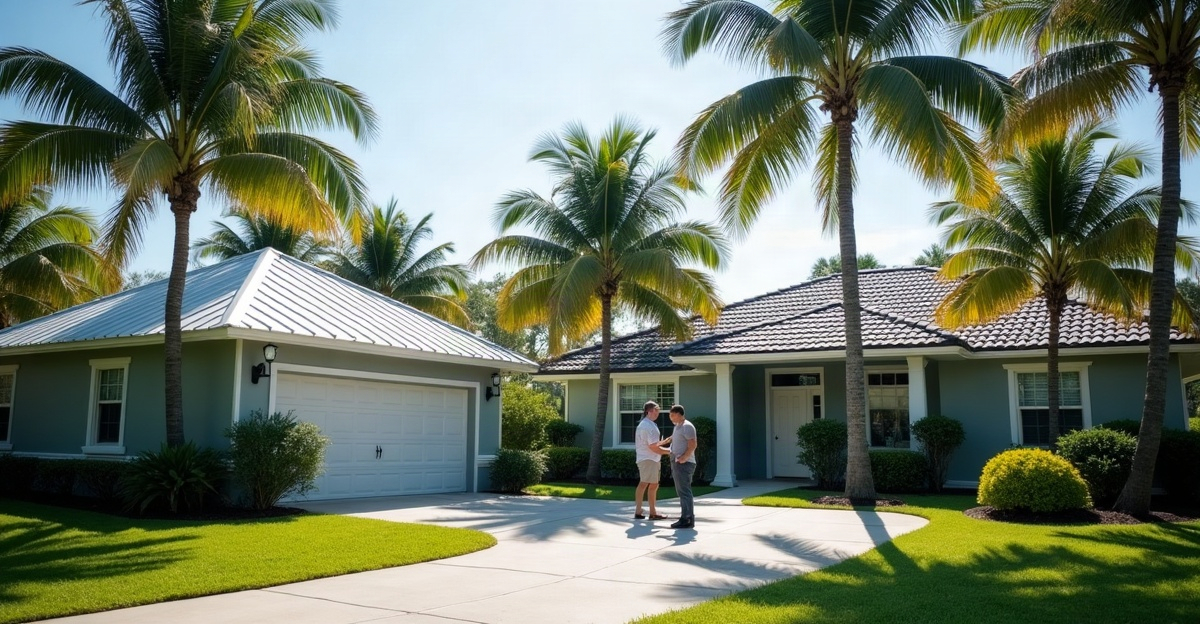
Metal roofs and asphalt shingles each offer clear benefits for Florida homes. Metal often delivers a longer service life, strong wind resistance, and heat-reflective finishes. Asphalt shingles offer lower initial costs, wide style choices, and simpler spot repairs.
We should base the decision on roof design, coastal exposure, budget, planned ownership period, and system quality. The full system includes the roof deck, underlayment, flashing, ventilation, and installation.
Key Takeaways
- Metal roofs can offer a strong long-term choice for owners who value durability, limited routine maintenance, and heat reflectivity.
- Asphalt shingles usually cost less to install and support easier small-area repairs, which makes them a practical option for budget-conscious projects.
- Neither material can prevent all storm damage. Proper engineering, fasteners, flashing, underlayment, drainage, and installation drive wind performance.
- Coastal properties need systems that resist salt-air corrosion. We recommend compatible panels, coatings, fasteners, and accessories.
- We should compare the complete project scope, expected lifespan, maintenance needs, insurance factors, and local code requirements instead of material price alone.
The Quick Answer: Metal or Shingles for a Florida Roof?
Metal roofs aren’t automatically better than shingles. A metal roof may be the stronger long-term choice for some Florida properties, while asphalt shingles can be the practical choice where upfront budget, repair flexibility, or architectural style matter most.
In a metal roof vs. asphalt shingles comparison, metal generally provides a longer estimated service life, strong wind and weather resistance, low routine maintenance needs, and reflective finish options. Shingles usually cost less to install, offer many colors and styles, and allow simpler repairs in smaller areas.
The answer to “are metal roofs better than shingles” depends on the building, roof design, structural condition, location, storm exposure, current roof condition, budget, and ownership plans. No material is fully storm-proof. Even premium materials can fail if installation details are poor.
For any roof replacement, compare the complete roofing system rather than the visible covering alone. The roof deck, underlayment, flashing, ventilation, drainage, and installation method all matter. We help property owners compare roofing material options based on the actual property, not a one-size-fits-all answer.
Metal Roof vs. Asphalt Shingles: Side-by-Side Comparison
| Factor | Metal Roofing | Asphalt Shingles |
|---|---|---|
| Installed cost | Usually higher upfront, especially for a standing seam metal roof. | Typically lower upfront cost. |
| Estimated roof lifespan | Often longer, depending on panel type, gauge, finish, climate, maintenance, and installation. | Generally shorter, with architectural shingles typically lasting longer than three-tab shingles. |
| Wind and storm performance | Can offer strong wind resistance when engineered and installed correctly. | Can perform well with the right rated system and proper installation, though lifted or missing shingles may be easier to see after storms. |
| Rain and moisture | Requires proper panel seams, fasteners, flashing, and drainage details. | Uses overlapping layers to shed water and also depends on sound underlayment and flashing. |
| Coastal roofing | Needs corrosion-resistant panels, coatings, fasteners, and routine checks near salt air. | Needs regular inspection for wind wear, moisture concerns, and algae staining. |
| Maintenance | Usually low routine maintenance, with periodic checks of sealants, fasteners, penetrations, and finish. | Requires monitoring for cracked, curled, lifted, missing, or algae-stained shingles. |
| Repair complexity | Damaged panels may require matching profile, finish, seam configuration, and approved components. | Small repairs are often simpler, though faded shingles can make color matching difficult. |
| Energy performance | Reflective finishes and lighter colors can reduce heat absorption. | Available in lighter and reflective options, though results vary by product and attic conditions. |
| Style options | Standing seam panels and metal shingles suit modern, coastal, farmhouse, traditional, and commercial designs. | Broad range of colors, textures, and profiles, especially with architectural shingles. |
| Rain noise | Sound depends heavily on deck, insulation, attic space, ceiling assembly, and installation. | Similar building factors affect indoor noise levels. |
| Weight | Often lightweight, but system selection must fit the structure. | Weight varies by product and can increase with multiple existing layers. |
| Best fit | Long-term owners prioritizing durability, low routine upkeep, and reflectivity. | Owners prioritizing initial affordability, style variety, and localized repair options. |
Metal roofing includes exposed-fastener panels, standing seam systems, and metal shingles. Standing seam metal roof systems conceal most fasteners and create a clean, raised-seam appearance. Metal shingles provide a more traditional profile. Architectural shingles are thicker, dimensional shingles, while three-tab shingles have a flatter, uniform appearance and are commonly a budget-focused option.
Estimated roof lifespan varies widely. Material quality, coating, gauge, ventilation, installation quality, storm history, and maintenance can all change how long a roof performs. For a closer look at expected material performance, review metal versus shingle lifespan and the details behind metal roof life in Florida.
How Metal and Shingle Roofs Handle Florida Weather
Florida hurricane roofing requires attention to the entire assembly. Metal systems can perform very well in high winds when properly engineered and installed, but no roof material can guarantee protection through every storm. Wind-driven rain can enter where details fail, even if the visible roof covering remains intact.
The roof deck, underlayment, flashing, fasteners, penetrations, roof geometry, and drainage all influence storm performance. Underlayment is the protective layer between the roof deck and the visible roofing material. Flashing is waterproof material installed around edges, valleys, vents, chimneys, and roof transitions. A roof deck is the structural surface beneath the roofing material.
Across Central and Northeast Florida, we commonly see heat, UV exposure, humidity, algae, wind-driven rain, and storm debris test roofs in different ways. Loose flashing, weak drainage points, damaged sealants, poor ventilation, and soft deck areas can turn a small concern into a larger leak.
Reflective metal finishes and lighter colors can reduce solar heat absorption. Actual cooling results depend on attic insulation, ventilation, roof color, roof geometry, HVAC efficiency, duct location, and building use. We recommend reviewing energy-efficient roofing options before assuming any material will produce a specific utility-bill reduction.
Both systems need effective moisture control. Proper ventilation helps manage attic heat and moisture, while well-installed underlayment and flashing help direct water away from vulnerable areas. Shingles can develop algae staining in humid conditions. Metal roofs can collect debris at valleys, gutters, and penetrations if maintenance gets delayed.
Coastal Conditions, Codes, Insurance, and Installation Quality
Coastal roofing needs added planning. Salt air can accelerate corrosion, so panel type, finish, coatings, fasteners, clips, and accessory materials must work together. Corrosion-resistant metal roofing is important near the coast, but not every metal panel or fastening system has the same suitability for that exposure.
Wind rating describes a roof system’s tested or specified ability to resist wind forces when installed as designed. It applies to the complete system, not a material name alone. Premium metal or shingle products cannot make up for incorrect fasteners, poor flashing, inadequate underlayment, weak roof deck areas, poor ventilation, or improper drainage.
Florida Building Code requirements, permits, inspections, and local amendments can vary by jurisdiction and project scope. We recommend confirming current requirements with the local building department before material selection and roof installation. Insurance credits, wind mitigation eligibility, premiums, and coverage requirements can also vary by insurer, policy, municipality, roofing system, and installation details.
A qualified roofing contractor should inspect the existing structure before presenting final recommendations. Whether we install metal roofing systems or asphalt shingle roofs, workmanship remains central to long-term performance.
Cost, Maintenance, and Long-Term Value Over Time
Metal roof cost vs. shingles involves far more than the initial estimate. A complete comparison includes installed cost, estimated service life, maintenance, repair needs, energy performance, insurance considerations, and potential replacement cycles.
Project pricing changes with roof size, pitch, complexity, tear-off needs, deck repairs, underlayment, flashing, material selection, access, permits, and location. A higher-cost metal roof may offer better lifecycle cost for owners keeping a property for decades. Shingles may provide stronger value for a limited budget, a shorter ownership period, or properties where affordable partial roof repair is a priority.
Metal roofing often needs less routine maintenance, but it still deserves periodic inspections. We check fasteners, sealants, finish condition, penetrations, drainage points, and signs of coastal corrosion. Shingle roofs need checks for missing, cracked, lifted, curled, or algae-stained shingles, along with flashing and ventilation concerns.
Resale value also varies. Some buyers value a newer metal roof and its long-term appeal. Others prefer the familiar look and price point of shingles. Neighborhood standards, property type, roof condition, and installation quality influence buyer response. We recommend comparing a detailed roof replacement scope instead of choosing only the lowest bid.
Which Roofing Material Fits Your Property and Priorities?
Metal roofing is often the right direction where long estimated service life, strong wind resistance, low routine maintenance, heat reflectivity, and long-term value are key priorities. The budget, roof design, coastal exposure, and structural condition must support the system.
Asphalt shingles often fit properties where lower upfront cost, broad design flexibility, and simpler localized repairs carry more weight. For many homes, architectural shingles offer a balanced option between appearance and performance. For additional material guidance, explore the best Florida roofing materials.
Residential roofing decisions should account for curb appeal, roof pitch, HOA requirements, storm exposure, budget, and expected ownership length. Commercial roofing requires a separate review, especially on low-slope buildings. Drainage design, rooftop equipment, penetrations, occupancy, maintenance planning, code requirements, and work scheduling all affect the best system.
Before selecting a roof, we recommend asking these questions:
- What roof system and underlayment fit this property, and why?
- What wind rating and installation method apply to this roof?
- How will flashing, valleys, edges, penetrations, and drainage be handled?
- Is the proposed metal system suitable for coastal exposure?
- Will the existing roof deck be inspected and repaired as needed?
- What manufacturer and workmanship warranties apply, and what do they cover?
- What permits, code requirements, and inspection steps are expected?
- Can the contractor provide local examples plus proof of licensing, insurance, and certifications?
Frequently Asked Questions
Are metal roofs better than shingles in Florida? Metal can be better for long-term durability and reflectivity, while shingles may be better for lower upfront cost and easier localized repairs.
Do metal roofs hold up better in hurricanes? Properly engineered and installed metal systems can provide strong wind resistance. No roof is hurricane-proof, and installation quality matters greatly.
Is a metal roof worth the higher upfront cost? It can be for long-term owners, but shingles may offer better value where immediate budget is the main concern.
Are metal roofs louder than shingles during rain? Indoor noise depends largely on insulation, attic space, roof decking, and ceiling construction.
Do metal roofs lower cooling costs in Florida? Reflective finishes may reduce heat absorption, but actual savings depend on the full building system.
Can a metal roof rust near the coast? Yes, if materials or maintenance are not suited to salt-air exposure. Coastal-grade components and inspections matter.
Are shingles easier to repair than metal roofs? Small shingle repairs are often simpler. Metal repairs can require exact panel and component matching.
Should we repair or replace an existing roof first? A professional roof inspection is the right first step if there are leaks, storm damage, sagging, soft decking, recurring repairs, or ventilation concerns.
Pyramid Roofing FLA can provide a side-by-side roofing estimate based on roof condition, structure, local exposure, material options, and total project scope. We’ll help property owners make an informed decision, without pressure to choose the most expensive option.