Flat Roof Maintenance Tips to Prevent Costly Repairs
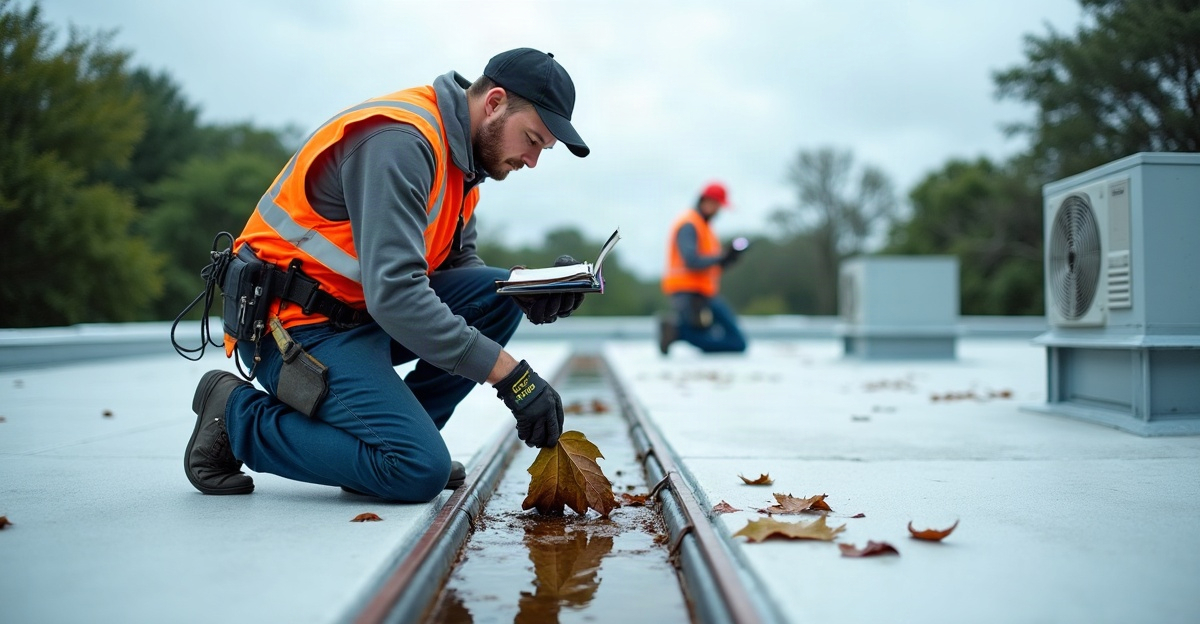
Flat roof maintenance in Central and Northeast Florida focuses on clear drainage, secure waterproofing details, and documented storm-related changes. Regular checks and annual professional inspections help us spot ponding water, damaged seams, flashing problems, and interior moisture before major repairs become necessary.
Key Takeaways
- Clear drains, scuppers, gutters, and downspouts to prevent recurring ponding water and reduce roof stress.
- Check for debris, lifted seams, damaged flashing, membrane wear, and interior moisture after severe weather.
- Schedule at least one professional inspection each year. Add inspections for older roofs, commercial properties, or recurring drainage issues.
- Avoid foot traffic on vulnerable roof membranes. Skip pressure washing, sharp debris tools, and incompatible patch materials or sealants.
- Request a professional assessment quickly for active leaks, water near electrical equipment, persistent ponding, storm damage, or visible membrane deterioration.
Why Flat Roof Maintenance Matters in Central and Northeast Florida
Flat roofs in Central and Northeast Florida face hard-working weather year-round. Most are low-slope systems rather than perfectly flat surfaces, and they depend on clear drainage and sound waterproofing details to move rainwater away effectively.
Seasonal downpours, wind-driven rain, hurricane-season winds, wind-blown debris, intense UV exposure, heat, humidity, and algae or biological growth can all affect roof performance. Consistent flat roof maintenance helps us spot small concerns before they disrupt a home, business, or daily operations. It can also support a longer useful roof life when paired with appropriate professional care.
Maintenance has limits. It cannot prevent every flat roof leak, storm-related issue, age-related material breakdown, installation defect, or unexpected failure. Its real value is early detection. A lifted seam, blocked drain, or damaged flashing is often easier to address before water reaches insulation, decking, ceilings, or electrical areas.
Drainage deserves special attention on every low-slope roof. Ponding water, meaning water that repeatedly remains after rain, adds weight and stress to the system. It keeps materials wet, exposes vulnerable seams and flashing details, and may point to blocked drainage or roof-slope concerns. Our guide to flat roof drainage explains why drainage design and routine clearing matter.
A few simple terms help make maintenance conversations clearer. The membrane is the waterproof roof surface. Flashing is the material that seals roof edges and transitions. A scupper is an opening that directs water off the roof. A penetration is an opening for pipes, HVAC equipment, and similar components. These areas need regular observation because they are common points for water entry.
Flat Roof Maintenance Checklist for Property Owners
Regular monitoring gives property owners a clear record of roof conditions and helps identify changes after storms. This flat roof maintenance checklist focuses on visible conditions that deserve attention.
Safe Monitoring Checklist
Before scheduling a service visit, we recommend documenting these conditions:
- Drains, scuppers, gutters, and downspouts are clear of leaves, branches, nesting material, and other debris.
- No recurring ponding water or visibly slow drainage appears after rain events.
- Roof seams, edges, flashing, and roof penetrations show no visible separation, lifting, cracking, or deterioration.
- No debris piles, tree limbs, loose objects, or vegetation contact or obstruct the roof.
- Interior ceilings, walls, and areas around HVAC equipment or penetrations show no stains, bubbling paint, peeling finishes, odors, or unexplained moisture.
- Storm dates, maintenance visits, inspection reports, photographs, and repair records are kept for future reference and warranty support.
Safe owner-level maintenance includes observing roof edges and drainage areas from the ground when possible, watching for interior water stains, noting visible debris, and checking accessible gutters or downspouts only when they can be reached safely. Our gutter services can help where drainage components need professional cleaning or repair.
We do not recommend untrained roof access, walking on vulnerable membranes, pressure washing, using sharp tools to remove debris, applying generic patch products, or using incompatible sealants and coatings. These actions can puncture roofing materials, loosen seams, create new leaks, and potentially affect warranty coverage.
Cleaning safely reachable drainage components and documenting visible conditions are helpful flat roof maintenance practices. Membrane punctures, open seams, deteriorated flashing, persistent ponding, saturated insulation, and active leaks call for a qualified assessment. Preventive care remains one of the most practical ways to reduce surprise repair needs, as outlined in our guide to roof preventative maintenance.
How Often Should We Inspect a Flat Roof in Florida?
A practical schedule combines routine observation with professional roof inspections. After significant storms or high-wind events, check for wind-blown debris, drainage blockages, displaced flashing, visible damage, and interior signs of leaks.
During the rainy season, monitor drainage performance. Note whether water repeatedly remains in the same places after rainfall. Repeated ponding water deserves professional review because it may signal a drainage blockage, a low area, or material deterioration.
At least once each year, schedule a professional roof inspection. Commercial roofs, older systems, and roofs with known drainage concerns may benefit from more frequent inspections based on contractor and manufacturer guidance. Before hurricane season, a maintenance visit can address known concerns and confirm that drains, flashing, scuppers, and roof-edge details are in sound condition.
This is a practical schedule, not a universal warranty requirement. Manufacturer requirements, warranty terms, building-specific maintenance plans, and a qualified roofing inspection should guide the final schedule. Our overview of flat roof maintenance frequency offers additional planning guidance.
Documenting inspections, repairs, storm dates, and photographs helps track recurring issues. These records can also support future warranty discussions. For hurricane season roof preparation, it helps to address small drainage and flashing concerns before severe weather arrives.
Warning Signs That Need Professional Flat Roof Maintenance or Repair
Some conditions require prompt review rather than continued monitoring. An active roof leak, repeated indoor moisture symptoms, persistent ponding, visible membrane damage, open seams, damaged flashing, storm damage, and recurring drainage problems should be evaluated by a roofing professional.
Exterior warning signs include membrane punctures, tears, blisters, cracks, loose seams, deteriorated flashing, damaged roof penetrations, roof-edge damage, and visible structural movement. Soft areas or changes in roof feel may indicate moisture in the insulation, though only a proper inspection can confirm the cause and extent.
Inside the property, watch for ceiling stains, bubbling or peeling paint, musty odors, damp insulation, unexplained indoor humidity, wall discoloration, and water appearing near mechanical penetrations. Water near equipment or electrical fixtures presents a safety concern and warrants prompt professional attention.
Not every concern is an emergency. Still, active leaks, water near electrical systems, and post-storm damage should not be ignored. Repair pricing depends on roof size, roof material, access, drainage conditions, moisture damage, local code requirements, and whether damage is isolated or widespread. Our flat roof repair services begin with a clear assessment so we can recommend appropriate next steps.
Flat Roof Materials Have Different Maintenance Needs
Flat roof maintenance methods must match the roof system. Modified bitumen, TPO roof systems, PVC roofing, EPDM roofing, built-up roofing, metal, and roof coating systems each use different materials, seams, attachment methods, and compatible repair products.
Maintenance needs also change with drainage design, roof age, installation quality, prior repairs, foot traffic, and exposure to Florida weather. A coating or sealant that appears to offer a quick fix may harm a membrane if it is not system-compatible. It may also affect warranty coverage.
We recommend reviewing manufacturer documentation and working with a qualified roofer familiar with the specific roof system before approving repairs, cleaning methods, coatings, or sealants. Our flat roof services account for these system differences rather than applying one maintenance method to every low-slope roof.
Roof coatings can be valuable for appropriate systems, but they require a sound, properly prepared surface and compatible materials. Learn more about roof coating options before treating a coating as a repair substitute.
What Professional Flat Roof Maintenance Services May Include
Professional flat roof maintenance services vary by property and roof system. We recommend reviewing every service proposal carefully rather than assuming each visit includes the same work.
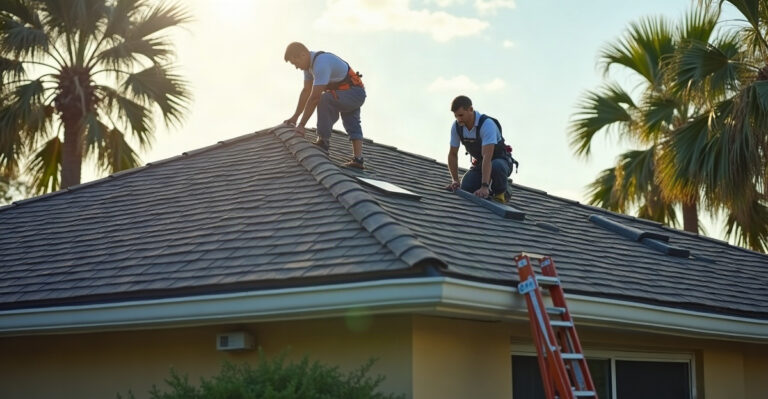
A professional roof inspection may include a visual review of membrane condition, seams, flashing, penetrations, roof drains, scuppers, debris accumulation, roof edges, prior repairs, and signs of moisture intrusion. The assessment should also address recurring drainage concerns and identify repair materials compatible with the existing roof system.
Commercial flat roof maintenance often benefits from a documented maintenance plan, particularly for older roofs or properties with recurring ponding concerns. We encourage property decision-makers to ask how findings will be documented, how drainage issues will be addressed, what repair options fit the system, and how often inspections should occur based on contractor and manufacturer guidance.
Property owners who notice an active leak, repeated ponding, post-storm damage, or visible membrane deterioration can contact Pyramid Roofing FLA to schedule a professional inspection or discuss flat roof maintenance services in Central and Northeast Florida.