Roof Flashing Types: Understanding How Each Protects Your Roof

Roof flashing types protect the areas where water can enter, including roof-to-wall connections, valleys, chimneys, skylights, vents, and edges. We match each flashing detail to the roof materials, underlayment, and drainage path. This approach helps manage Florida’s heavy rain, wind-driven moisture, UV exposure, and coastal corrosion risks.
Key Takeaways
- Step flashing, kick-out flashing, valley flashing, chimney flashing, drip edge, pipe boots, and skylight flashing direct water away from specific roof transitions and penetrations.
- We install flashing with correct overlaps, secure fasteners, compatible materials, and proper integration with nearby roofing and underlayment.
- Florida weather can reveal flashing weaknesses through heavy rain, storms, humidity, UV exposure, and coastal salt air.
- Water stains, corrosion, loose metal, cracked sealant, damaged shingles, and deteriorating fascia can signal a flashing or drainage issue. A professional inspection identifies the source.
- Sealant supports properly installed flashing. It can’t replace flashing that is damaged, missing, corroded, or incorrectly installed.
Why Roof Flashing Matters and When to Act
Roof flashing directs water away from vulnerable roof joints, edges, penetrations, and transitions, guiding it toward proper drainage. It protects the areas where roof surfaces change direction or meet walls, chimneys, skylights, vents, and gutters.
Understanding roof flashing types helps homeowners and property managers spot concerns early and select the right repair method. Flashing is part of a complete roof water-management system, not simply a strip of metal or a bead of sealant. Correct overlaps, drainage paths, fasteners, underlayment integration, and roof-covering installation must work together.
When water enters through a compromised flashing detail, it can contribute to rot, mold conditions, damaged insulation, and interior repair needs. However, a visible stain or damp spot does not automatically mean severe damage. Water can travel along roof decking, framing, or underlayment before it appears indoors, so the stain’s location may not identify the actual leak source.
Flashing details vary across asphalt shingle, metal, tile, and low-slope commercial roofs. Each roofing system handles water differently and requires compatible materials and installation methods. A careful inspection helps identify the source and protect the roof without making assumptions.
The Main Roof Flashing Types and Where They Protect Your Roof
Flashing at Walls, Valleys, and Chimneys
Step flashing is installed where a sloped roof meets a vertical wall, such as a sidewall or dormer. Rather than relying on one long metal piece, step flashing uses individual overlapping pieces installed alongside roofing materials. Each piece directs water down the roof and away from the wall connection.
At the bottom of certain roof-to-wall intersections, kick-out flashing directs water into the gutter and away from siding or wall surfaces. This small detail can help prevent water from repeatedly running down the exterior wall.
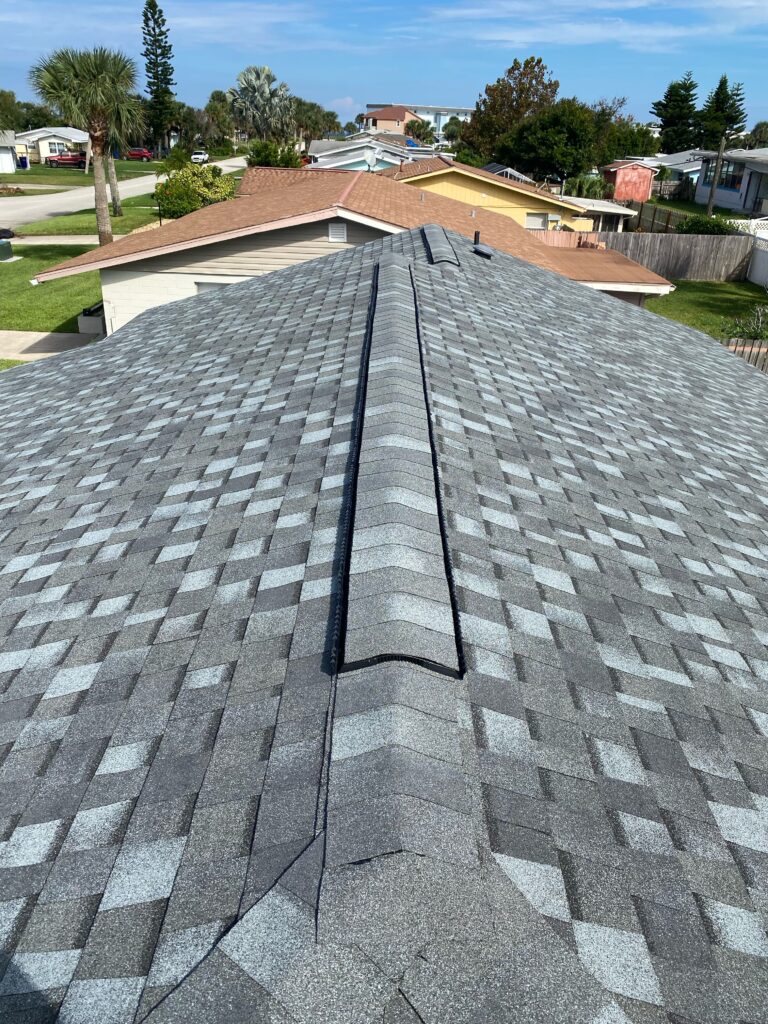
Valley flashing protects roof valleys, where two roof planes meet and concentrate runoff. Because valleys handle a substantial amount of water, the correct detail depends on the roofing material, slope, drainage pattern, and installation system. Open and closed valleys can both perform well when they suit the roof design and are installed correctly.
Chimney flashing is a multi-part system that may include base flashing, step flashing, and counterflashing. Counterflashing covers and protects base flashing at the chimney-wall connection. A wider chimney may also need a cricket, which is a small peaked roof feature that diverts water around the uphill side of the chimney.
Edges, Penetrations, and Other Key Details
Drip edge is flashing installed along roof edges to guide water into gutters or away from fascia. It helps manage runoff at eaves and rakes, but it is not interchangeable with valley flashing, step flashing, or chimney flashing. Each flashing type addresses a different water path.
Other common details include pipe boot flashing around plumbing vents, skylight flashing, wall flashing, and specialized penetration details for low-slope roofs. Skylights need particular care because their flashing must integrate fully with the surrounding roof system. Our guide on skylight leak concerns explains why proper installation and maintenance matter.
Roof Flashing Materials for Florida Exposure
Common roof flashing materials include aluminum, galvanized steel, copper, lead-free alternatives where appropriate, and coated metals. The right roof flashing materials depend on compatibility with the roof system, local weather exposure, corrosion risk, and installation quality. No single metal is the best fit for every property.
Flashing design also depends on roof slope, roofing material, penetration or transition type, drainage patterns, and existing roof condition. For example, shingle roofing systems require flashing that layers correctly with shingles and underlayment, while metal panels and low-slope membranes use different connection details.
Florida roofs face heavy rain, wind-driven rain, intense UV exposure, high humidity, and severe storms. These conditions can expose poorly lapped or improperly integrated flashing. Hurricanes may dislodge roof coverings and leave flashing details exposed. Along coastal areas, salt air can speed corrosion on certain metals, making material selection especially important.
Material longevity varies with the material itself, installation quality, maintenance, roof type, weather exposure, coastal conditions, and storm history. We follow qualified roofing practices, manufacturer installation instructions, and applicable local building requirements for the specific project.
Warning Signs That May Point to Flashing Trouble
Flashing concerns can look similar to other roofing or drainage problems. A ceiling stain, damp area, missing shingle, or overflow point can have more than one cause, so an on-site assessment remains the most reliable way to identify the issue.
Potential signs include:
- Water stains on ceilings or walls near chimneys, skylights, or exterior walls.
- Dripping or dampness during or after rainfall.
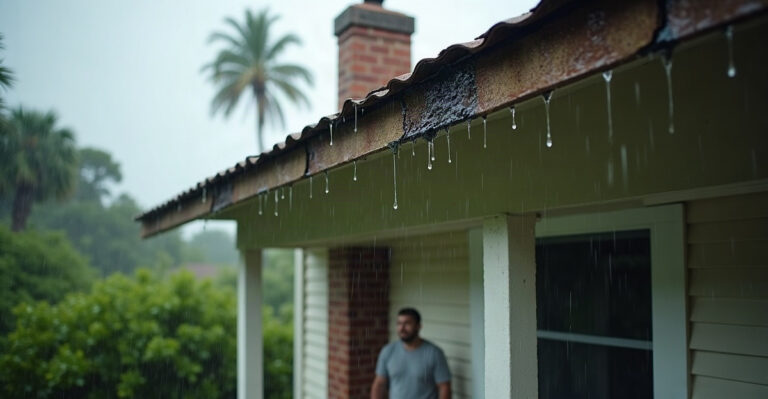
- Rust, corrosion, lifted metal edges, cracked sealant, or loose flashing.
- Missing, cracked, or displaced shingles or tiles near valleys, walls, and penetrations.
- Rotting fascia, deteriorating siding, or water overflow near roof edges.
- Debris buildup or pooling water in valleys.
Regular maintenance can uncover small concerns before they require broader repairs, especially after severe storms. We recommend reviewing roof leak warning signs and checking whether clogged drainage is affecting the roof. Gutters play a direct role in protecting roof edges, as explained in our article on gutter impact on roof health.
Fascia and soffit damage can also point to repeated edge-drainage problems. Learn why soffit and fascia repairs deserve prompt attention when moisture appears around eaves.
Why Flashing Fails and What Professional Repair May Involve
Flashing may fail because of improper lapping, poor integration with underlayment or roof coverings, loose fasteners, lifted edges, storm damage, corrosion, and age-related wear. Dislodged shingles, tiles, panels, or membrane sections can expose flashing details that were once protected. Debris buildup and concentrated valley runoff can also place extra stress on vulnerable areas.
Cracked sealant may signal a concern, but sealant alone generally is not a permanent fix for damaged, corroded, missing, or incorrectly installed flashing. Sealants can support a properly designed system, but they do not replace correct overlaps, drainage paths, fastening, and integration with underlayment and roofing materials.
A professional inspection may assess flashing condition, roof-to-wall connections, chimney details, roof edges, valleys, penetrations, surrounding shingles, tiles, panels, or membrane, and drainage patterns. We also look for possible hidden damage in decking, walls, chimneys, or fascia.
Repair options may include localized flashing repair, replacement of corroded or damaged sections, reinstallation with surrounding roofing materials, preventive maintenance, or a broader roof assessment if hidden damage is present. Our roof repair services focus on correcting the underlying issue rather than covering symptoms.
Repair pricing depends on access, roof height and pitch, roofing material, hidden water damage, corrosion, code requirements, the amount of surrounding roofing that must be removed and reinstalled, and coastal exposure. An inspection allows us to provide a clear, project-specific recommendation.
Questions to Ask About Flashing Repairs and Replacement
Practical Questions for a Roofing Assessment
Ask what type of flashing is needed at the location and why it fits the roof system. It also helps to confirm whether existing flashing is reusable or requires replacement, and whether surrounding roofing materials must be removed and reinstalled.
A qualified roofer should explain how the flashing will integrate with underlayment, shingles, tile, metal panels, or a low-slope membrane. The assessment should also address possible hidden decking, wall, chimney, or fascia damage, plus the maintenance needed after repair.
Common Flashing Questions
What are the different types of roof flashing? Common types include step flashing, valley flashing, chimney flashing, drip edge, pipe boot flashing, skylight flashing, wall flashing, and low-slope penetration flashing.
What is step flashing used for? Step flashing protects the connection where a sloped roof meets a vertical wall. Its overlapping pieces guide water down the roof instead of behind siding or wall finishes.
Is valley flashing necessary on every roof? A roof needs an appropriate water-management detail wherever roof planes form a valley. The exact approach depends on the roofing system, slope, and drainage design.
What is chimney flashing made of? Chimney flashing may use aluminum, galvanized steel, copper, coated metal, or another compatible material. The best choice depends on the roof system and local exposure.
Can roof flashing be repaired without replacing the roof? In many cases, yes. Localized repairs may work if surrounding roofing remains in good condition and the issue is limited. Extensive hidden damage or widespread wear may call for a broader assessment.
How do we know if roof flashing is leaking? Water stains, dampness after rain, corrosion, loose edges, and damaged roofing near transitions may point to a flashing issue. An inspection confirms the source because water often travels before becoming visible.
Is sealant enough to fix damaged flashing? Sealant may support a sound flashing system, but it cannot correct missing metal, corrosion, failed overlaps, or improper installation.
What flashing material is best for Florida homes? The best material depends on roof type, weather exposure, coastal conditions, compatibility with adjacent materials, and proper installation.
Central and Northeast Florida homeowners, property managers, and business owners can contact Pyramid Roofing FLA for a professional roof inspection, flashing assessment, repair consultation, or preventive maintenance evaluation. We will help identify the roof’s condition and recommend a practical path forward.