Do Skylights Increase Home Value? Benefits to Consider
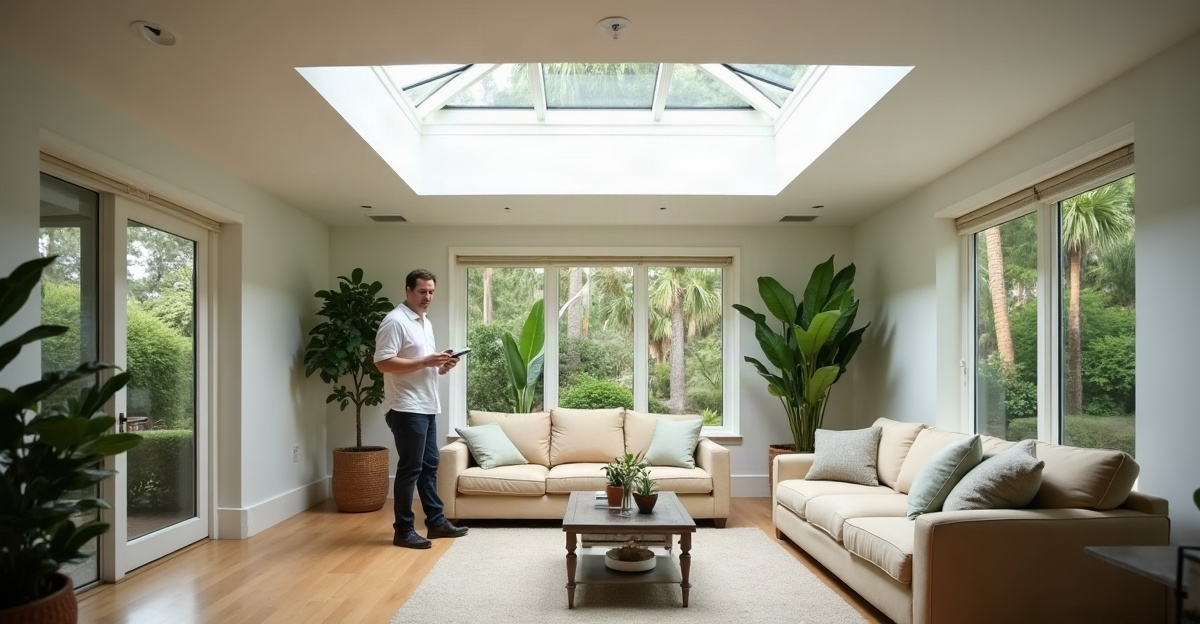
Skylights can increase buyer appeal by bringing in natural light and improving interior comfort. However, appraisers focus more on comparable sales, location, property condition, and installation quality. In Florida, we recommend skylights built for heat, heavy rain, wind exposure, and lasting roof performance.
Key Takeaways
- Skylights can brighten dark rooms and create a more open, inviting feel. This can help a property attract buyers or tenants.
- A skylight alone doesn’t guarantee a higher appraisal or a full return on investment.
- Proper placement, energy-efficient glazing, UV protection, and shading can reduce glare, heat gain, and fading.
- Professional flashing, roof-compatible installation, drainage checks, and routine maintenance help prevent water intrusion.
- Installing a skylight during a planned roof replacement often costs less than adding one to an aging roof.
The Short Answer: Skylights Can Improve Appeal, Not Guarantee Value
Do skylights increase home value? They can improve resale appeal, marketability, and daily comfort, but they do not automatically raise appraised value or guarantee a return on investment.
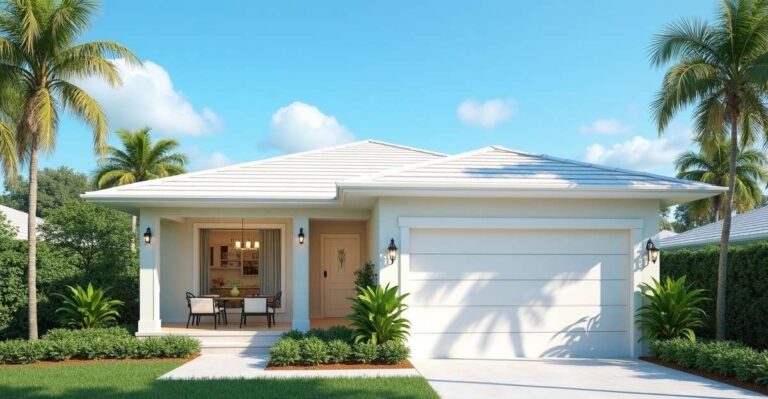
A well-placed skylight can make a home, office, or retail space feel brighter, larger, and more inviting. That perceived openness may help a property stand out to buyers, tenants, or visitors in Central and Northeast Florida. Still, appraisers look at the complete property picture. Comparable sales, location, square footage, overall condition, local demand, and major upgrades carry more weight than a skylight alone.
Can skylights increase home value in the right setting? Yes, especially when they improve a dark or enclosed space without creating heat, leak, or maintenance concerns. A quality installation can support buyer confidence and help a property show well. Learn more about skylights and Florida home value before treating the project as a value-focused upgrade.
Benefits That Can Make a Skylight Worth Considering
Skylights bring natural daylight into areas that standard windows may not reach. Hallways, interior bathrooms, kitchens, stairwells, offices, and retail spaces often benefit most. Daylighting can improve perceived livability by making a room feel more open and comfortable throughout the day.
A skylight may also reduce the need for electric lighting during daylight hours. Energy performance depends on placement, size, glazing, shading, and the building layout. A properly selected unit supports light without allowing excessive heat or glare into the space. Our guide to natural light and energy savings explains those tradeoffs in more detail.
Vented skylights can provide airflow in appropriate rooms, such as bathrooms and kitchens. In commercial settings, daylighting can improve tenant comfort and create a more welcoming environment for employees, customers, and visitors. These benefits are real, yet their impact varies by property, local market preferences, product selection, and installation quality.
Skylights generally improve interior comfort more than street-facing curb appeal. Their strongest value often comes from how the space feels once people step inside.
What Determines Whether a Skylight Is a Smart Investment
The skylight type should match the room, roof, and intended use. Fixed skylights provide daylight without ventilation. Vented skylights provide light and airflow. Tubular daylighting devices work well for compact, dark interior spaces where a full-size opening is not practical. Solar-powered vented models can add convenience, though costs, performance, and maintenance needs vary.
Placement matters as much as product selection. An oversized skylight or one installed in a high-sun location can create glare and solar heat gain. Solar heat gain is simply heat that enters through the glass from sunlight. In Florida, managing that heat is a key part of a successful design.
We recommend energy-efficient glazing with Low-E coatings, insulated glass, UV protection, and solar heat-gain control. Low-E coatings help manage heat transfer through glass. UV protection and shades can reduce glare and help limit fading on floors, furniture, and displays.
Roof compatibility also deserves close attention. We review roof age, slope, drainage, roofing material, attic conditions, ventilation, existing repairs, and the roof structure before recommending skylight placement. Flashing is the metal or waterproof material installed around a roof opening to direct water away from vulnerable areas. Quality flashing details are essential for long-term performance.
Product warranties should also align with the roofing warranty. This step matters on every project, and it is especially important for commercial roofs with larger systems and more demanding maintenance needs. A professional skylight installation helps coordinate these details from the start.
Florida Weather Factors That Matter Before Installation
Florida skylights must handle intense sunlight, humidity, heavy rain, wind-driven rain, hurricane exposure, coastal conditions, and possible windborne debris. Natural light can reduce daytime lighting needs, but poor placement or inefficient glazing may increase solar heat gain and cooling demand.
Humidity and condensation also need attention. Appropriate glazing, sound attic conditions, effective roof ventilation, and properly sealed installation details help manage moisture. We recommend reviewing roof ventilation needs as part of the planning process, especially in homes with warm attic spaces.
Impact-rated products and impact-rated glazing may be needed depending on the property location and local building-code requirements. Impact-rated glazing is glass designed and tested to resist impacts and meet applicable windborne-debris requirements where required. Permits, product ratings, installation methods, and code requirements should be confirmed before work begins.
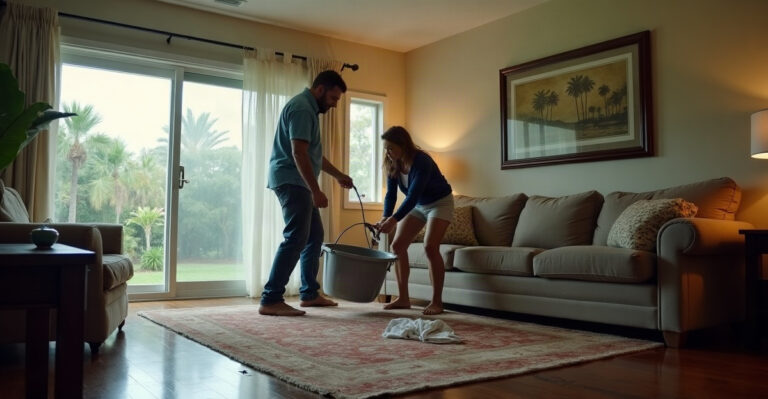
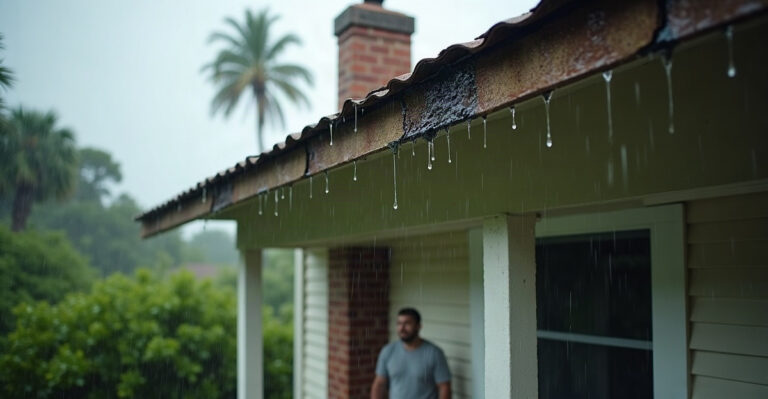
Skylight leaks are not inevitable. Most skylight leaks result from poor installation, improper flashing, damaged seals, roof deterioration, or deferred maintenance. Our overview of common skylight leak concerns helps explain why the surrounding roof system matters so much.
Severe weather readiness depends on the product, roof system, installation method, and local requirements. We encourage property owners to verify building-code, product-rating, and energy-performance details through manufacturer documentation and local permitting authorities.
Costs, Maintenance, and the Best Time to Add a Skylight
A skylight installation cost includes more than the unit itself. Labor, roof access, framing changes, flashing, glazing, interior finishing, and future maintenance all affect the investment. Glass, seals, shades, and surrounding roof areas need periodic inspection and care.
Potential concerns include heat gain, glare, UV fading, water intrusion, and difficult maintenance access. These issues are manageable when we plan the project around the building and roof rather than treating the skylight as a standalone feature. For a closer look at budgeting, review skylight installation costs.
Adding a skylight during a planned roof replacement is often the most cost-effective option, especially if the existing roof is nearing the end of its service life. Installing a skylight shortly before reroofing can create avoidable future labor and material costs.
Before installation, we assess roof condition, drainage, current leaks, past repairs, roofing material compatibility, and safe integration options. If water intrusion or damage is already present, roof repair and leak detection should come first.
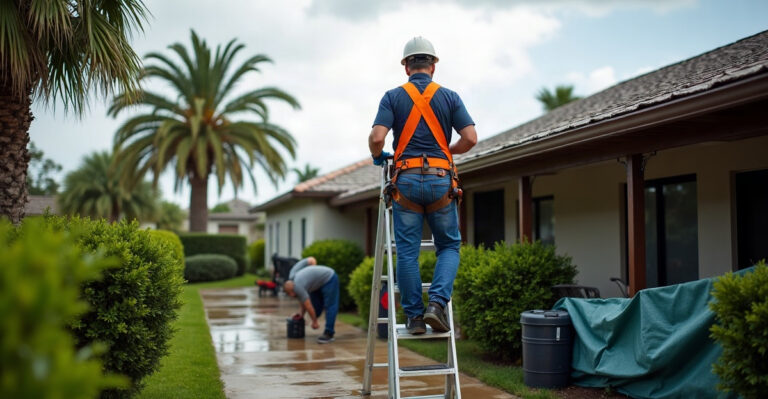
Commercial roofing projects also require maintenance access, safety planning, drainage review, roofing warranty coordination, and scheduling that limits disruption for tenants, employees, customers, and daily operations. Flat-roof buildings need special planning, as explained in our resource on flat roof skylights.
A Practical Checklist Before Choosing a Skylight
Review the Roof, Room, and Long-Term Plan
A skylight may be worth considering if:
- The room is dark and would benefit from more natural daylight.
- The roof is in good condition, or a roof replacement is already planned.
- The budget includes quality materials, professional skylight installation, flashing, and ongoing maintenance.
- The skylight type fits the room: fixed for light, vented for ventilation, or tubular for compact interior areas.
- Energy-efficient glazing, UV protection, skylight placement, orientation, shades, and appropriate sizing are part of the plan.
- Florida weather considerations, including sun, rain, wind, hurricanes, and coastal exposure, have been reviewed.
- The glass, seals, shades, and surrounding roof area can be maintained over time.
Pause and assess first if:
- The roof is aging, damaged, leaking, poorly drained, or nearing replacement.
- The proposed location may create excessive heat gain, glare, or difficult maintenance access.
- The project has not been reviewed for permits, local requirements, structural needs, flashing details, or warranty coordination.
- A commercial property cannot safely support installation access or limit operational disruption.
A qualified roofing contractor should evaluate roof structure, roof material, drainage, flashing details, attic conditions, ventilation, and applicable local requirements before recommending a product or location.
Considering a skylight during a roof repair or replacement? Schedule a roof and skylight compatibility assessment with Pyramid Roofing FLA to review roof condition, flashing needs, product options, and Florida weather considerations.