Do Roof Coatings Work on Metal Roofs?
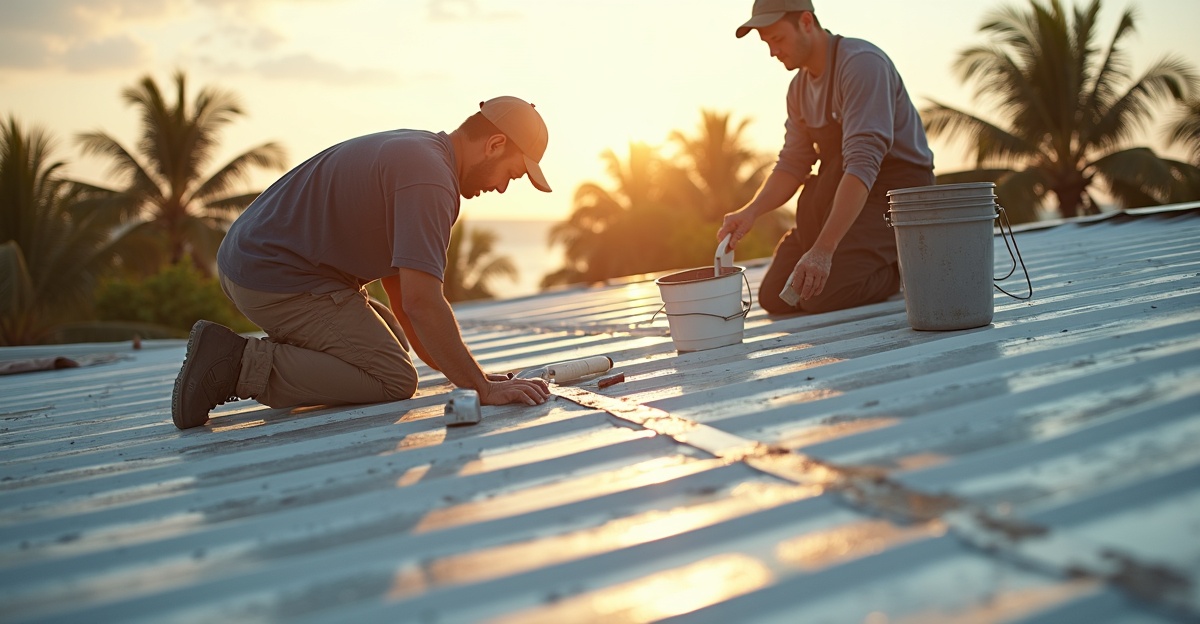
A roof coating for metal roofs Florida properties can perform extremely well when the roof remains structurally sound and we prepare it correctly. Florida’s climate brings intense UV, humidity, salt air, and heavy storms. Coatings help us seal seams, slow corrosion, improve reflectivity, and extend service life. However, coatings won’t solve structural failure or panels compromised by storms.
Key Takeaways
- Roof coatings work best on aging yet stable metal roofs with minor leaks, early rust, or wear at seams and fasteners.
- Surface preparation drives long-term results. We clean the roof, treat rust, reinforce seams, and apply the coating at the right thickness.
- Silicone, acrylic, and polyurethane coatings meet different needs based on drainage, UV exposure, foot traffic, and coastal conditions.
- Coatings can last 10–20 years with proper maintenance and often cost less than a full replacement. They don’t fix structural damage or advanced corrosion.
- A professional inspection helps us determine whether restoration, targeted repairs, or full replacement makes the most sense.
Do Roof Coatings Really Work on Metal Roofs in Florida’s Climate?
Yes, a roof coating for metal roofs Florida properties can be highly effective when the roof is structurally sound and properly prepared. No, it is not a permanent fix for severe damage, poor installation, or widespread corrosion.
Coatings work best on aging but stable metal roofs. They’re ideal for minor leaks at seams or fasteners, early-stage rust, and preventative maintenance. In these cases, a professionally applied system can extend performance and reduce ongoing wear.
They’re not suited for structural damage, loose or failing panels, major storm damage, saturated insulation, or advanced rust-through. If panels are compromised or framing has shifted, a coating won’t correct the underlying issue.
Florida adds another layer of stress. We deal with extreme UV exposure, high humidity, heavy rain, salt air in coastal areas, hurricane-force winds, and ponding water on low-slope commercial roofs. All of that accelerates aging.
A metal roof coating Florida solution can extend service life and improve performance—but only after a professional inspection confirms the roof is a strong candidate. We always recommend evaluating the existing system first. Sometimes restoration makes sense. Other times, repair or replacement is the wiser path.
For a deeper breakdown of how coatings apply to different systems, our guide on what is a roof coating explains the fundamentals in plain language.
How Roof Coatings Protect Metal Roofs: What’s Actually Happening
A coating isn’t paint. It’s a fluid-applied membrane that bonds to the metal surface and creates a continuous protective layer.
Here’s what’s actually happening on the roof:
- Adhesion comes first. The coating bonds to a properly cleaned and prepared metal surface. Without solid adhesion, nothing else matters.
- Sealing is next. Reinforced seams, fasteners, and penetrations reduce the risk of leaks. Many minor issues we see in metal roof leak repair Florida projects stem from backed-out fasteners or aging seam sealant.
- Waterproofing follows. Once cured, the coating forms a seamless membrane across the panels. That barrier blocks moisture intrusion.
- Reflectivity plays a major role. Many systems qualify as an energy-efficient roof coating Florida property owners rely on to reduce heat absorption. Reflective surfaces lower surface temperatures and reduce thermal movement, which stresses fasteners and seams. Our article on cooling cost reduction explores this in more detail.
- Rust control adds long-term value. Oxidation—rust forming when metal reacts with moisture and oxygen, a process explained in corrosion science research—can be slowed or stopped when existing rust is properly treated and the right product is applied. This helps prevent rust metal roof Florida buildings exposed to humidity and salt air.
Key Terms Explained Simply
- Elastomeric coating for metal roof: A flexible coating that stretches and contracts with temperature changes. Florida roofs move daily under intense sunlight.
- Oxidation: The chemical reaction that creates rust on metal surfaces.
- Ponding water: Standing water that remains on a low-slope roof for more than 48 hours after rainfall, a definition used in professional roofing standards.
Preparation Is Everything
Before any coating goes down, preparation must be thorough. Skipping this step shortens lifespan and can void warranties.
Proper prep typically includes:
- Power washing and detailed cleaning
- Rust treatment using approved primers or inhibitors
- Tightening or replacing fasteners
- Seam reinforcement where needed
- Strict adherence to manufacturer specifications
That groundwork determines whether a coating lasts years or fails early.
Best Coating Types for Florida Metal Roofs (And When to Use Each)
Choosing the right product matters. Using the wrong system for the environment can shorten lifespan and even void manufacturer warranties.
Silicone roof coating Florida systems perform well in high humidity and heavy rainfall. They resist ponding water, making them a strong choice for low-slope commercial metal roof coating projects and some flat roof applications that incorporate metal components.
Acrylic roof coating metal systems are highly reflective and cost-effective. They offer strong UV resistance, which helps in hot Central and Northeast Florida conditions. These systems perform best on roofs with positive drainage.
Polyurethane coatings are durable and impact-resistant. They’re often used in higher-traffic areas or where added toughness is required. In some cases, they are layered with silicone for added protection.
Match the system to the property:
- Coastal properties demand strong resistance to salt air corrosion.
- Warehouses and retail buildings often prioritize reflectivity and energy efficiency.
- Residential metal roof coating projects factor in aesthetics and neighborhood standards.
When properly selected and installed, coatings can extend performance significantly. Our overview of how coatings extend roof life outlines what property owners can realistically expect.
When a Metal Roof Coating Is a Smart Investment—and When It’s Not
A coating makes sense when the roof structure is solid and issues are surface-level.
Good candidates include structurally sound roofs nearing midlife, minor seam or fastener leaks, and early surface rust. Many property owners choose metal roof restoration Florida solutions to delay full replacement while improving protection. It’s especially attractive for commercial metal roof coating projects where minimizing business disruption matters.
A residential metal roof coating can also help homeowners extend the lifespan of a well-installed metal system, especially if consistent maintenance has been performed over the years.
It’s not appropriate when panels are loose or severely corroded. Significant hurricane damage, systemic installation flaws, or interior water damage from structural failure require larger repairs. In those cases, roof replacement services may be the safer long-term investment.
Restoration strengthens and protects an existing system. Replacement removes and rebuilds it. The difference comes down to structural integrity.
A hurricane-resistant roof coating can add protection, but it doesn’t replace proper fastening, panel integrity, or code-compliant installation.
Lifespan, Maintenance, and Cost Considerations in Florida
Most professionally installed coatings last between 10–20 years, based on typical service life ranges reported by roofing industry guidance. Performance depends on product selection, application thickness, preparation quality, and ongoing maintenance. You can explore typical durability in our guide on Florida coating lifespan.
Recoating is often possible. That means extending overall roof service life without full tear-off, provided the underlying metal remains sound.
Regular maintenance is essential. Schedule inspections, especially after hurricane season. Clear debris. Check seams and fasteners. Address small damage early before it spreads.
Cost varies based on roof size, condition, coating type, prep work, warranty length, and accessibility. Commercial scale projects and local code requirements can influence pricing as well. In most cases, coatings cost significantly less than full replacement.
All systems must meet Florida Building Code standards. Manufacturer guidelines must be followed carefully to maintain warranty coverage.
Coastal properties generally see faster corrosion rates than inland buildings. Heat and UV intensity in Central and Northeast Florida accelerate wear on unprotected metal. A properly installed coating adds a sacrificial protective layer that absorbs much of that abuse.
For a broader comparison of whether coating is the right financial move, our resource on is roof coating worth it offers helpful perspective.
How to Decide: Inspection Signs and Questions to Ask a Contractor
Certain signs indicate it’s time for a professional evaluation.
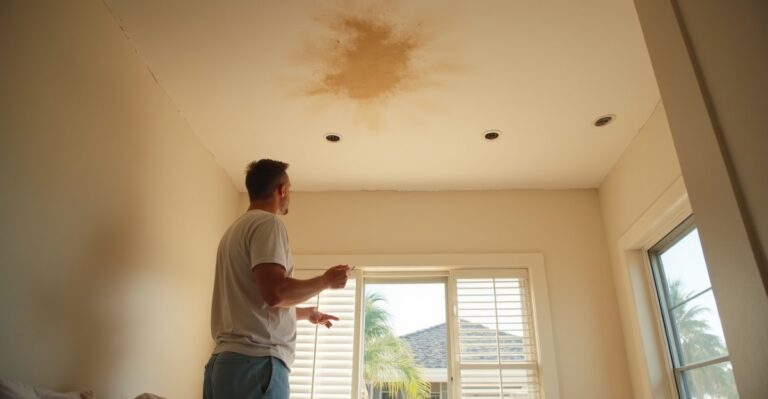
- Interior leaks or water stains that suggest seam or fastener issues
- Visible rust or chalking indicating advancing oxidation
- Loose or backing-out fasteners creating entry points for water
- A faded or worn protective finish from prolonged UV exposure
- Roofs older than 10–15 years without major maintenance
Before applying a roof coating for metal roofs Florida property owners, ask:
- Is the roof structurally sound?
- What surface preparation will be performed?
- Which coating system fits this building and why?
- How thick will the coating be applied in mils?
- What warranty is included, and what voids it?
- How will this system perform in hurricanes and heavy rain?
An honest evaluation comes first. Not every roof needs a coating.
If repairs are required before restoration, our roof repair services address underlying issues properly. For property owners exploring new systems entirely, we also provide guidance on metal roofing options that fit Florida’s climate.
Clear answers create peace of mind. A thorough local inspection helps determine whether coating, repair, or replacement is the right call for long-term performance.
Frequently Asked Questions
Yes, roof coatings can work very well on metal roofs in Florida when the roof is structurally sound and properly prepared. A quality coating seals seams, protects against UV exposure, and slows corrosion caused by humidity and salt air. Because Florida experiences heavy rain and intense sunlight, reflective coatings also help reduce heat buildup and thermal expansion on metal roofing systems.
Most professionally applied metal roof coatings in Florida last between 10 and 20 years. Longevity depends on the coating type, application thickness, surface preparation, and ongoing maintenance. Regular inspections, especially after hurricane season, help extend the coating’s lifespan. In many cases, roofs can be recoated later, allowing property owners to extend the roof’s service life without replacing the entire system.
The best roof coating for metal roofs in Florida depends on the roof’s conditions and environment. Silicone coatings are popular because they resist ponding water and perform well in humid climates. Acrylic coatings offer strong UV reflectivity and energy efficiency, while polyurethane coatings provide excellent durability in high-traffic areas. A professional inspection helps determine which system fits the building best.
Roof coatings can stop minor leaks caused by seams, fasteners, or small surface cracks. During installation, contractors reinforce seams and penetrations before applying the coating to create a seamless waterproof membrane. However, coatings cannot fix structural damage, loose panels, or severe corrosion. In those situations, repairs or replacement are usually required before any coating system is applied.
Yes, applying a roof coating is usually much more affordable than replacing a metal roof in Florida. Coatings restore protection to an existing roof without the cost of full tear-off and installation. This makes them a practical option for buildings with aging but structurally stable metal roofs. However, if the roof has major structural issues or advanced rust damage, replacement may still be necessary.