What should I look for in a commercial roofing contractor?
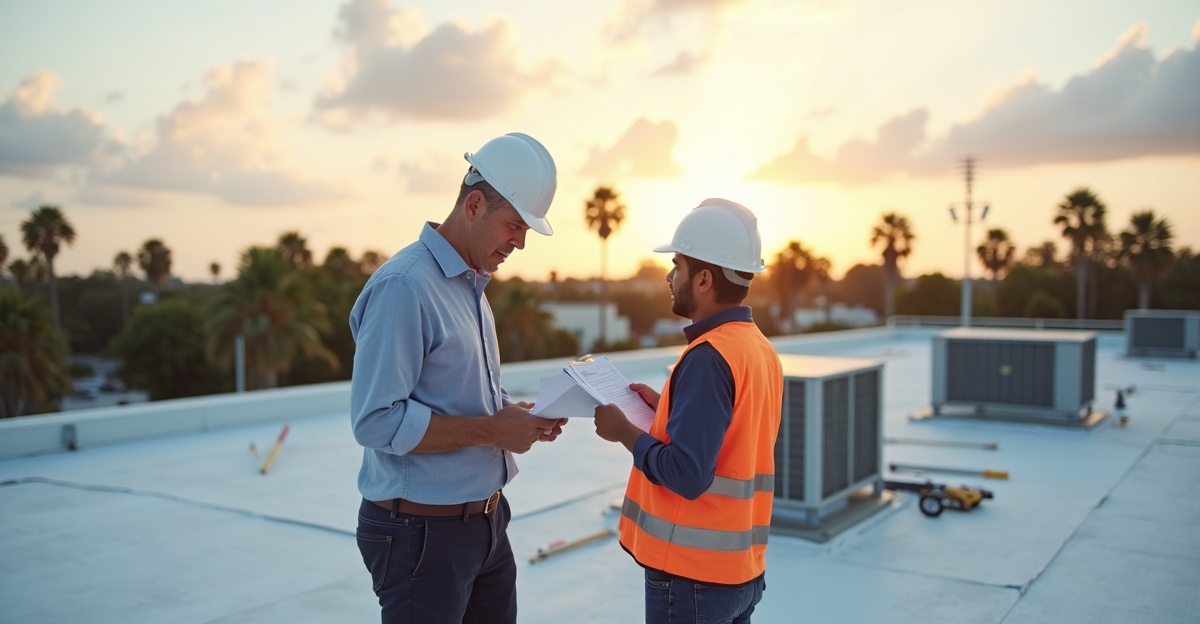
Commercial roofing contractor selection in Florida demands more than price comparisons; we need to review licensing, insurance, code compliance, system expertise, and documentation to control long-term risk. We choose the right partner by focusing on commercial experience, detailed bid comparisons, clear warranty terms, and proven knowledge of hurricane standards that shield our building, tenants, and bottom line.
Key Takeaways
- We verify active Florida licensing, adequate insurance coverage, manufacturer certifications, and documented experience with commercial membrane systems.
- We compare bids line by line, confirming materials, insulation thickness, attachment methods, tear-off scope, permits, and warranty terms.
- We prioritize contractors who understand Florida hurricane codes, wind uplift ratings, and insurance requirements.
- We require clear documentation, balanced payment schedules, and a defined communication and safety plan before we sign.
- We avoid red flags such as vague estimates, large upfront payments, high-pressure sales tactics, or missing local project references.
How to Protect Your Investment During the Commercial Roofing Contractor Selection Process
Commercial roofing projects carry significant financial impact and long-term risk. The right decision protects building value, keeps tenants satisfied, supports insurance coverage, and prevents business interruption. The wrong one can lead to leaks, code violations, and unexpected capital expenses.
Strong commercial roofing contractor selection focuses on risk reduction, documentation, and long-term performance. Price matters, but it should never be the only factor. A low number on paper can hide missing insulation, outdated materials, or skipped code requirements.
Florida raises the stakes. Heavy rain, hurricane-force winds, humidity, and salt air pressure roofing systems year-round. Proper installation and strict code compliance are not optional. They are essential for durability and insurance alignment. Reviewing how building codes affect roof repairs helps clarify why documentation and compliance must come first in any project.
An honest assessment also matters when evaluating roof repair vs roof replacement commercial decisions. Sometimes a targeted repair will extend life responsibly. Other times ongoing patchwork wastes money and increases risk. A qualified commercial roofing contractor explains both options clearly and supports recommendations with inspection findings, moisture scans, and cost projections.
Before signing a contract, we recommend:
- Verifying credentials
- Comparing bids line by line
- Requesting written documentation
Taking those steps upfront helps protect the building and the bottom line for years.
Qualifications Every Florida Commercial Roofing Contractor Should Have
Every licensed roofing contractor Florida business owners consider should meet defined standards. There is no room for guesswork with commercial assets.
A dependable roofing contractor qualifications checklist should include:
- Active Florida license verified through the DBPR, with license number provided in writing
- Current general liability and workers’ compensation coverage that meets roofing contractor insurance requirements
- Proven knowledge of Florida commercial roofing requirements, including wind uplift ratings and hurricane compliance
- Experience installing and repairing TPO, EPDM, modified bitumen, metal, coatings, and other commercial systems
- Manufacturer certifications that allow access to enhanced warranty options
- Written OSHA-compliant safety program
- Local references from Central Florida commercial roofing and Northeast Florida roofing contractor projects
- Clear roof maintenance programs Florida property managers can implement
Florida hurricane roofing codes demand precise attachment methods and tested assemblies. Failure to meet those standards can jeopardize permits and insurance claims. Confirm that every contractor understands these requirements before work begins.
Experience with flat and low-slope systems also matters. Commercial membrane systems require specialized techniques. Contractors who primarily handle residential shingles may lack that technical depth.
Maintenance planning should be part of the conversation. Routine inspections extend lifespan and maintain warranty eligibility. Reviewing how often roofs should be inspected helps structure an effective maintenance schedule.
Transparent contractors welcome questions. They provide documentation quickly and explain technical details in plain language. That transparency builds trust.
Why Commercial Roofing Is Different From Residential Roofing
Commercial roofing operates under a different technical and operational framework than residential work. The systems, loads, drainage patterns, and compliance demands are distinct.
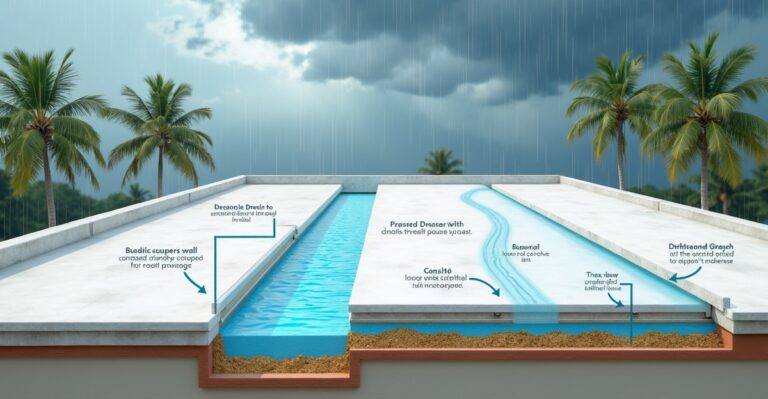
Most commercial buildings rely on flat or low-slope membranes rather than steep-slope shingles. These assemblies control water through interior drains, scuppers, or tapered insulation systems. Installation errors can trap water and accelerate deterioration.
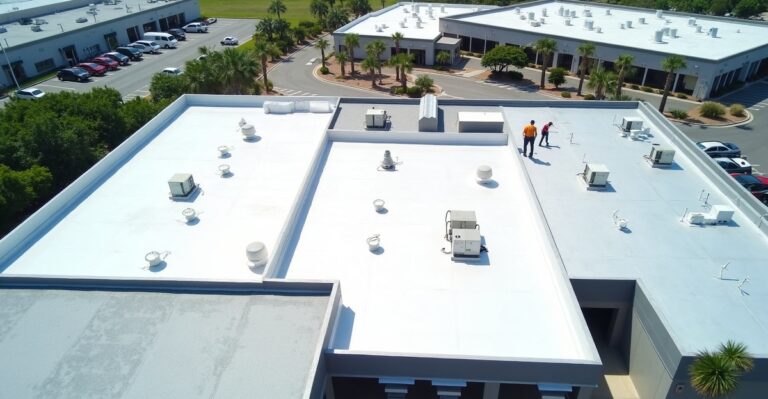
HVAC units, skylights, and multiple penetrations increase complexity. Structural load limits and energy-efficiency requirements also shape material selection.
Documentation tends to be stricter. Inspections, wind ratings, and manufacturer warranty inspections require precise coordination. Business interruption risk further increases pressure. Tenants and employees continue operations while roofing crews work overhead, making staging, safety, and communication critical.
Durability and insurance alignment usually outweigh curb appeal in commercial environments. Owners prioritize life-cycle performance and predictable costs. Understanding the lifespan of commercial roofs in Florida helps frame repair or replacement decisions in financial terms.
When evaluating how to choose a commercial roofing contractor, commercial-specific experience should be non-negotiable. Teams that understand long-term repair versus replacement analysis can present cost comparisons across 5, 10, or 15 years. That strategic view protects revenue and occupancy stability.
How to Compare Commercial Roofing Bids Without Getting Burned
A commercial roofing bids comparison goes far beyond reviewing the total price. Each proposal must be evaluated line by line.
Begin with the scope of work. Confirm the membrane brand, thickness, insulation type, attachment method, and flashing details. Missing specifications create room for substitution or performance shortfalls.
Next, review tear-off details and deck repair allowances. Responsible estimates clarify disposal methods, code-required upgrades, and who pulls permits. If deck deterioration is discovered, the estimate should define how added costs are handled.
Warranty documentation deserves careful attention. Ask for roof warranty terms explained clearly, including the difference between manufacturer coverage and workmanship coverage. Manufacturer warranties often depend on certified installation and documented inspections.
Lower bids sometimes reduce insulation thickness or skip drainage improvements to cut costs. That approach may pass initial inspection but reduce long-term efficiency and durability. Reviewing what should be included in a roofing estimate helps identify these omissions before signing.
Payment structure also signals professionalism. Avoid excessive upfront payments before materials arrive on site. Balanced schedules tied to project milestones provide stronger accountability.
Clear timeline estimates, crew size information, and a defined communication plan should appear in writing. Asking structured questions during pre-bid meetings reveals organization and technical depth.
Strong commercial roofing contractor selection depends on transparent, comparable proposals. Side-by-side evaluation prevents costly surprises later.
Red Flags That Should Make You Pause
Certain warning signs indicate heightened risk.
- Storm-driven door knockers offering immediate repairs without documentation
- Vague one-page estimates without detailed scope
- Refusal to provide license numbers or proof of insurance
- Large upfront payment demands before materials delivery
- Unclear or verbally explained warranty terms
- High-pressure tactics or “today only” discounts
- No verifiable local presence in Florida
Every limitation and warranty duration should be documented. Property managers should understand whether storm damage is covered and under what conditions. Reviewing whether roof warranties cover storm damage can prevent claim disputes later.
In hurricane-prone areas, local accountability matters. Contractors must understand Florida hurricane roofing codes and demonstrate real storm response capability.
Pausing to verify documentation protects long-term performance and legal compliance.
Before You Sign: Documentation and Local Factors to Confirm
Before approving any agreement, confirm that all documentation is complete and verifiable. Written materials protect both property owners and contractors.
Verify the following:
- Active license number
- Current insurance certificates
- Manufacturer certifications
- Project references
- Detailed written scope of work
- Full warranty documents attached
- Clear safety program and supervision plan
Confirm compliance with Florida commercial roofing requirements, including wind uplift assemblies and hurricane code standards. Permit responsibility must be defined in writing to prevent inspection issues.
Discuss ongoing roof maintenance programs Florida property managers can implement after completion. Scheduled maintenance extends service life and preserves warranty validity.
Storm preparedness should also be addressed. Emergency tarping procedures, response timelines, and post-hurricane inspection protocols are critical in Central and Northeast Florida commercial environments.
Clear communication reduces stress during construction. Identify the project manager, establish reporting frequency, and clarify inspection schedules.
Careful preparation strengthens every commercial roofing contractor selection decision. It protects assets. It supports tenants. It limits risk. In Florida’s demanding climate, that diligence delivers value year after year.