Can a Leaky Roof Cause Structural Damage?
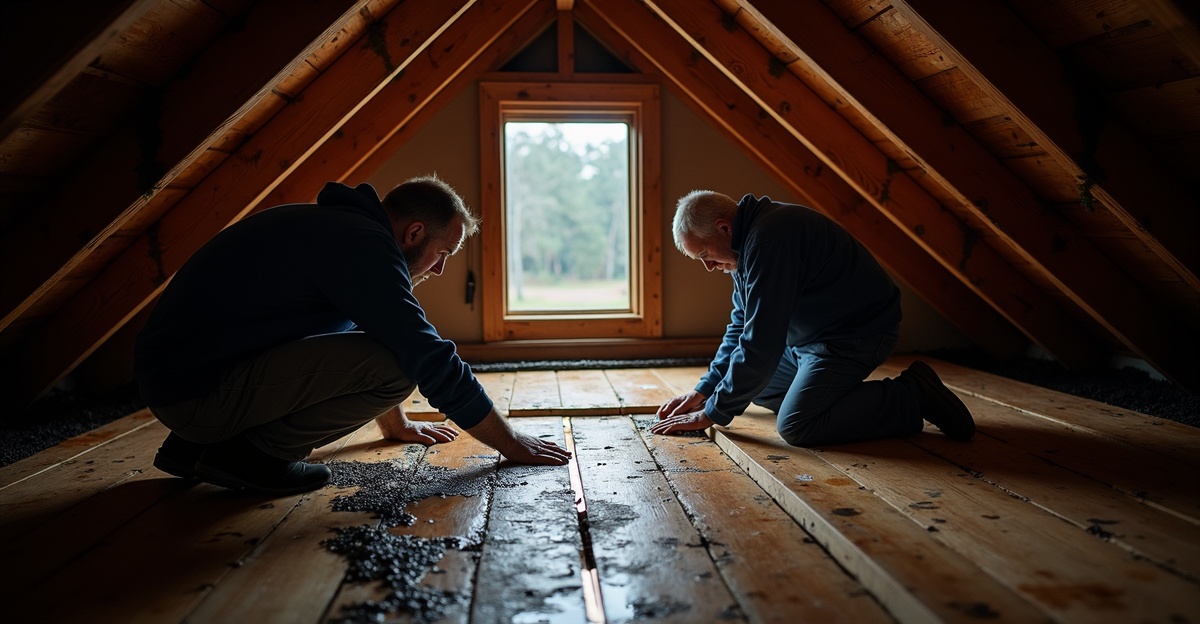
A leaky roof can quickly turn into a structural issue. In Florida, roof leak structural damage often escalates fast due to heavy rain, high humidity, and repeated storms. What starts as a small break in shingles or flashing can spread into decking, framing, and insulation. That moisture weakens load-bearing components and drives repair costs up if we don’t act early.
Key Takeaways
- Even small roof leaks can wear down decking, framing, and trusses over time, leading to true structural damage—not surface staining.
- Florida’s humid climate, hurricane exposure, and frequent storms speed up moisture buildup and slow drying, which raises the risk of rot and mold growth.
- Early warning signs include soft or sagging decking, warped framing, ceiling stains, musty attic odors, and visible dips along the roofline.
- Minor, isolated leaks often respond well to targeted repairs, while widespread moisture or sagging sections usually call for partial deck replacement.
- Fast inspections and thorough documentation after storms help limit damage, strengthen insurance claims, and reduce long-term repair expenses.
When a Small Roof Leak Becomes a Serious Structural Problem
Yes, a leaky roof can cause structural damage—especially in Florida’s high humidity and heavy rain climate. What starts as a small breach in shingles, flashing, or roofing membrane can slowly spread into materials that carry the weight of the entire structure.
Water usually enters through a gap in shingles, cracked flashing, or a worn seal around a vent. From there, moisture seeps into the underlayment and roof decking. Over time, that moisture weakens wood and fasteners. In our climate, leaky roof structural damage Florida property owners experience is more common because materials rarely get a chance to fully dry between storms.
Structural damage means harm to load-bearing components as defined under the Collier Country. That includes roof decking, framing, and trusses. In more advanced cases, moisture travels down into walls and even affects foundations. This isn’t just a stain on drywall. It’s deterioration of the structure that holds the roof and home together.
That said, not every leak leads to major damage. Many are caught early and resolved with straightforward repairs. The problem arises when leaks go untreated. Storm-related roof leaks Florida homes face after heavy rain or wind can open the door to long-term damage. Hurricane roof damage Florida properties experience often exposes underlayment, leaving the system vulnerable to repeated water intrusion. Neglected flashing failures around chimneys or vents also rank high on the risk list.
Early action often means a focused repair. Delayed action may require structural remediation or partial removal and rebuilding of affected sections. Timing makes a real difference.
What Actually Happens Beneath the Surface: From Leak to Structural Damage
Roof leak structural damage follows a clear progression. It rarely happens overnight. It builds one layer at a time.
Water first damages the roof decking. Wood sheathing softens, swells, and can begin to delaminate. Once that decking loses strength, fasteners loosen and shingles shift more easily in wind.
With prolonged moisture exposure, roof framing water damage can develop. Rafters and trusses may warp or start to rot. In Florida’s humid climate, roof rot and mold Florida homes experience can spread quickly in attic spaces that trap warm, damp air.
Insulation also suffers. Wet insulation loses its thermal resistance, a performance issue explained by the U.S. Department of Energy’s guidance on insulation and moisture control. That creates perfect conditions for mold growth and further decay.
Interior damage usually follows. Drywall absorbs water, causing stains, bubbling paint, and eventually sagging. In severe cases, the ceiling collapse risk increases if saturation continues unchecked, a hazard recognized in Elite Crown Roofing safety guidance regarding prolonged water saturation of structural materials.
How long can a roof leak before damage sets in? It depends on leak size, ventilation, and rainfall frequency. In Florida’s rainy season, damage can begin within weeks. Repeated afternoon storms don’t allow materials to dry, and trapped humidity accelerates deterioration.
It’s important to distinguish cosmetic damage from structural compromise. A brown stain on the ceiling may look alarming but could be limited to surface-level drywall damage. Soft decking, a spongy feel underfoot, or a visible sag in the roofline suggest deeper issues.
We often see this after hurricanes. An attic may take on moisture from wind-driven rain even if shingles remain mostly intact. On flat commercial roofs, water can pond around penetrations and seams, slowly working its way into insulation and decking.
Every case is different. Some leaks require a targeted repair. Others demand partial deck replacement. The right solution depends on the integrity of the decking and the condition of the framing beneath it.
Florida’s Climate: Why Leaks Escalate Faster Here
Florida’s weather accelerates roof deterioration. Heavy rain and tropical systems bring repeated water intrusion before surfaces can dry. Wind-driven rain often slips under lifted shingles and around flashing points.
Hurricane roof damage Florida properties face can strip protective layers and expose underlayment. Even small areas of exposure allow secondary leaks during subsequent storms.
High humidity slows drying inside attics and roof cavities. Moisture lingers in insulation and wood framing longer than it would in a drier state. Coastal areas add another factor. Salt air increases fastener corrosion and flashing deterioration, creating more entry points for water.
Florida building codes include stricter wind mitigation standards for a reason. Storm risks are well documented, and roofing systems must be prepared for high winds and driving rain. Even so, aging materials and deferred maintenance create vulnerabilities.
That’s why Florida roof leak repair timing matters more here than in other parts of the country. Waiting a few months in a dry climate might result in minimal damage. Waiting a few months during Florida’s storm season can multiply repair costs.
Across Central and Northeast Florida, we see the same patterns. Lifted shingles after strong windstorms allow water intrusion long after the skies clear. Low-slope commercial roofs collect ponding water around HVAC units and penetrations. Without prompt attention, structural components begin to weaken.
Warning Signs Your Leak May Be Structural
Some warning signs point to surface-level damage. Others suggest deeper structural concerns.
Key Signs to Watch For
Interior roof water damage signs often include:
- Brown ceiling stains or bubbling paint
- Musty odors in the attic or upper floors
- Sagging drywall or visible ceiling dips
- Warped walls or soft spots when pressed
Exterior signs may include:
- Missing, curled, or damaged shingles
- Cracked or separated flashing around chimneys and vents
- Ponding water on flat roofs, increasing commercial roof leak damage risk
- A visible sag in the roofline
Commercial properties face added risks. HVAC roof penetrations can allow slow but steady water intrusion. Tenants may report leaks before management notices visible exterior damage. Interior inventory damage and slip hazards create liability concerns.
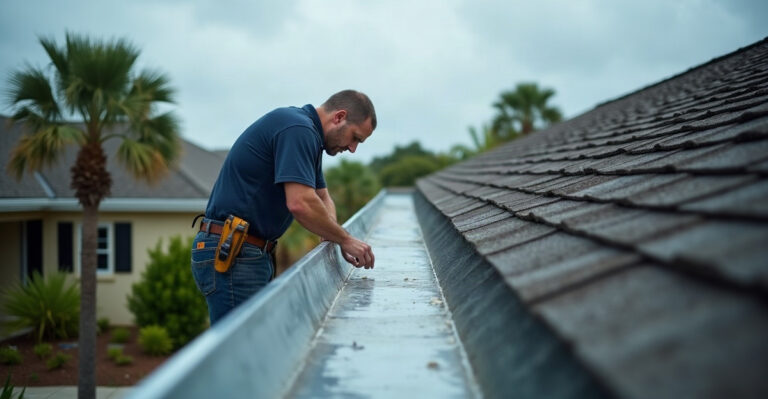
If uncertainty remains about the severity, a professional assessment provides clarity. Understanding roof leak warning signs helps property owners act early. Scheduling a professional roof inspection Florida contractors provide is the safest next step when structural damage is suspected.
Minor Repair or Major Structural Work? How to Tell the Difference
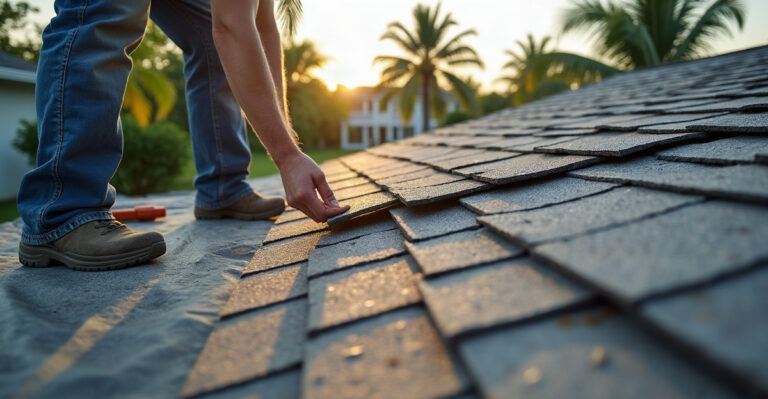
Minor repair scenarios are usually isolated. A small flashing failure or localized shingle damage may cause limited decking moisture without affecting framing. In these cases, a focused roof repair often resolves the problem efficiently and cost-effectively.
Structural concern scenarios look different. Widespread decking rot, multiple active leak points, or sagging roof sections suggest deeper compromise. Soft decking underfoot or visible deflection between rafters often requires partial deck replacement.
Repairs make sense when damage is contained. They cost less upfront and preserve the existing roofing system. Replacement may be the smarter long-term option if decking and underlayment are saturated across large areas. Continuing to patch an aging roof can lead to recurring issues and higher long-term costs.
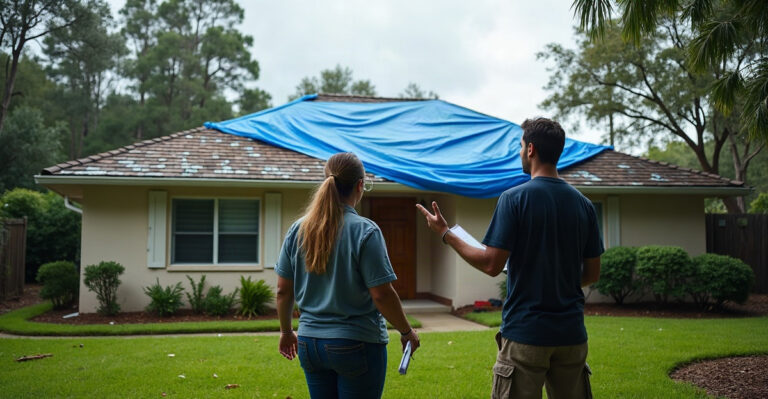
Storm-related roof leaks Florida homeowners experience also raise insurance considerations. Proper documentation and timely reporting matter. Photos, inspection reports, and written assessments support claims and clarify the extent of damage.
Structural repairs don’t always mean a full roof replacement. In many cases, sections of decking can be replaced while preserving sound areas. Transparent findings and clear estimates help property owners make informed decisions without pressure.
Practical Next Steps for Florida Property Owners
Taking the right steps early can limit structural damage.
Start with immediate action indoors. Contain interior water using buckets or protective coverings. Document visible damage with photos and video for insurance purposes. Avoid walking on a wet or visibly damaged roof. That increases risk of injury and can worsen the problem. For those wondering about temporary fixes, understanding the risks of DIY is important. We break that down in repair a roof leak yourself guidance.
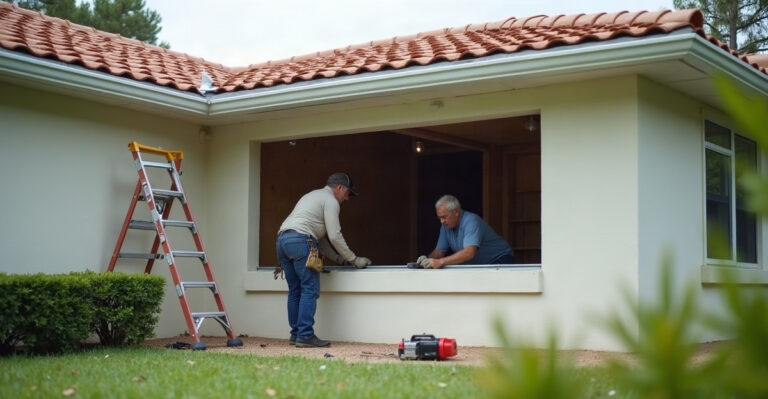
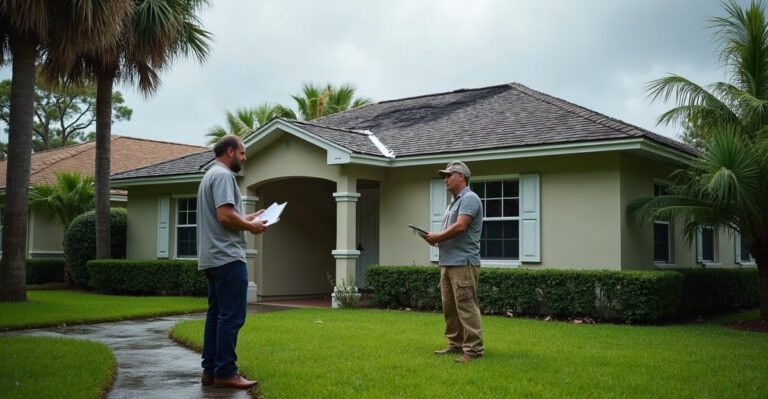
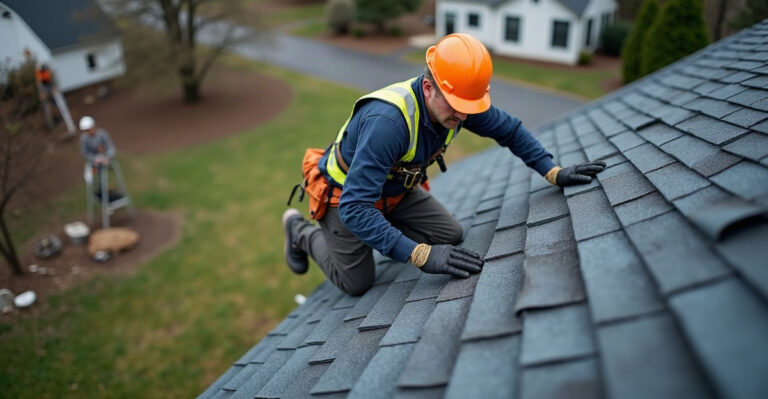
Schedule a professional inspection, especially after hurricanes or extended rain events. Our storm damage repair team evaluates both surface damage and underlying structural components.
A thorough inspection includes moisture assessment, attic evaluation, decking checks, and flashing review. We also assess ventilation, since proper airflow helps reduce trapped humidity. When needed, we recommend improvements such as roof ventilation adjustments to support long-term durability.
Time matters. The longer moisture remains trapped, the higher the repair cost and the greater the risk of mold or framing decay. For those who want to better understand early indicators, our guide on early roof damage signs offers practical insight.
If uncertainty remains about risk level, we’re here to help. Pyramid Roofing FLA provides inspections and consultations throughout Central and Northeast Florida with straightforward explanations and clear options. Recommendations are honest. Work is warranty-backed. As neighbors serving our own communities, we focus on what truly protects each home or property for the long term.
Frequently Asked Questions
A leaky roof in Florida can begin causing structural damage within weeks during the rainy season. Frequent storms and high humidity prevent roofing materials from drying fully, allowing moisture to soak into decking and framing. Over time, this leads to wood rot, weakened fasteners, and potential sagging. Quick repairs are essential to prevent small leaks from becoming major structural issues.
Yes, even a small roof leak can trigger mold growth and wood rot in Florida’s humid climate. Moisture trapped in attic spaces and insulation creates ideal conditions for fungal growth. As wood absorbs water, it softens and deteriorates, weakening structural components like rafters and trusses. Early detection and moisture control are key to limiting long-term structural damage.
Common signs of leaky roof structural damage in Florida include sagging rooflines, soft or spongy decking, ceiling stains, and musty attic odors. You may also notice warped framing or cracked flashing around roof penetrations. While some symptoms appear cosmetic, persistent moisture often indicates deeper structural weakening that requires professional inspection and repair.
Homeowners insurance in Florida may cover structural damage caused by sudden storm-related roof leaks. Coverage typically depends on the cause of the leak and whether the roof was properly maintained. Damage from hurricanes or wind-driven rain is often eligible, while long-term neglect may not be covered. Prompt documentation and inspection reports strengthen potential claims.
The best way to prevent structural damage is through regular roof inspections and timely repairs. Florida property owners should schedule inspections after major storms and before hurricane season. Maintaining flashing, sealing penetrations, and ensuring proper attic ventilation helps reduce moisture buildup. Acting quickly when leaks appear minimizes repair costs and protects load-bearing components.