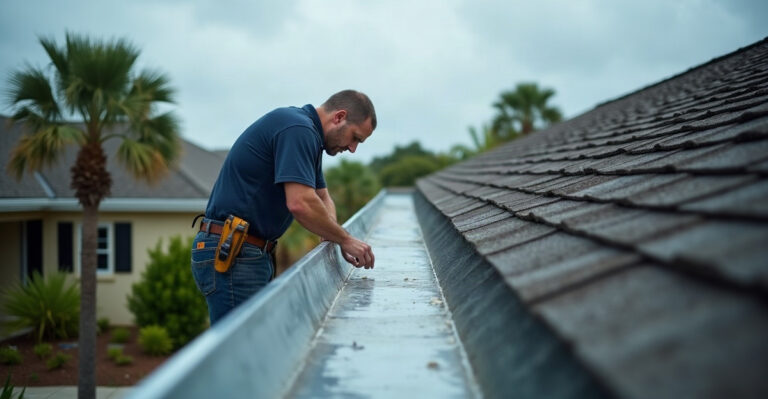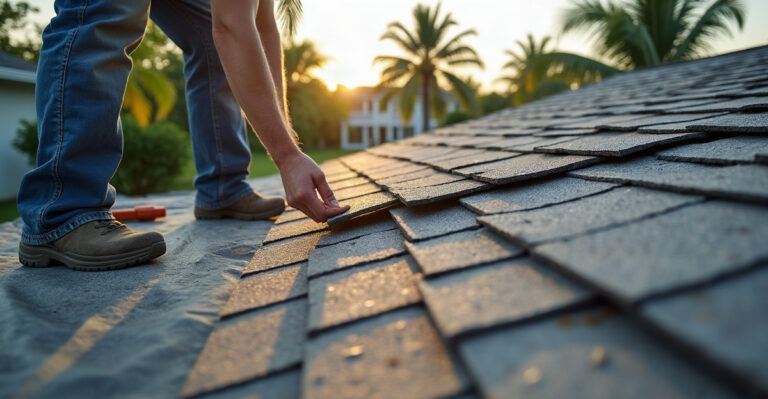
Can Roof Repairs Be Done During Rainy Season?
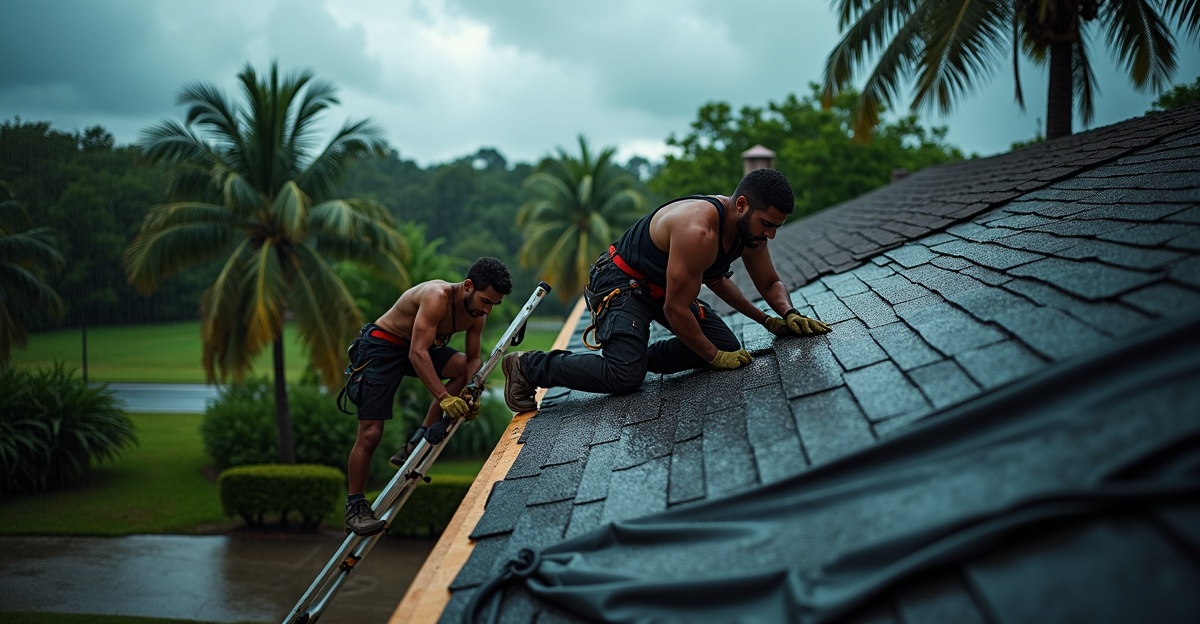
Roof repair during Florida’s rainy season remains possible, but we plan each step around safety, timing, and material performance. We focus on controlled weather windows, the specific roofing system, and whether we need temporary stabilization or a permanent fix. From May through October, we move fast during emergencies while managing moisture, adhesion, and strict safety standards to protect long-term roof performance.
Key Takeaways
- Permanent roof repairs should not be completed during active rain, lightning, or high winds; safety and proper material bonding come first.
We never perform lasting repairs in unsafe conditions. Rain, lightning, and strong winds reduce adhesion and increase risk. We wait for clear weather so materials bond correctly and crews stay protected. - Emergency measures like professional tarping, temporary sealants, and securing loose materials can often be done between storms to prevent interior damage.
Between storm bands, we install secure tarps, apply temporary sealants, and fasten loose components. These steps limit interior water intrusion and buy time until we complete a permanent repair. - Flat and low-slope systems require dry surfaces for proper seam welding and adhesion, and saturated insulation may delay permanent repairs.
We dry the surface fully before welding seams or applying adhesives. Moisture trapped in insulation weakens the system and shortens its service life. If insulation becomes saturated, we remove and replace it before moving forward. - Full replacements and large tear-offs typically need sustained dry conditions to avoid trapping moisture and shortening the roof’s lifespan.
Major tear-offs expose decking and insulation to the elements. We schedule these projects during stable weather to prevent trapped moisture and premature failure. Careful timing protects the investment and ensures strong system performance. - Early inspections during rainy season help identify urgent stabilization needs, document damage, and plan permanent repairs at the right time.
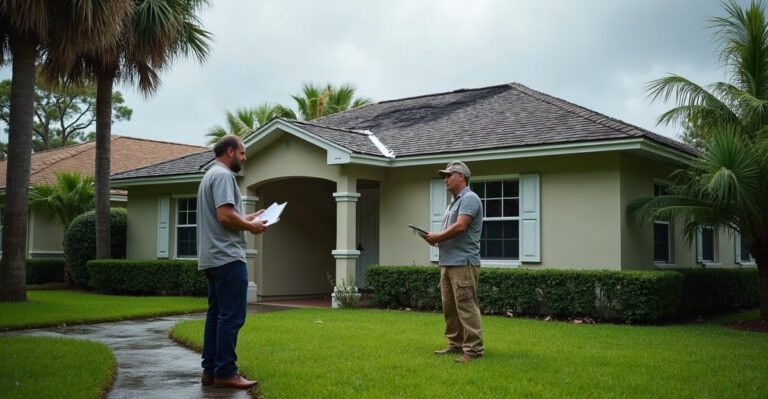
We inspect early in the season to spot vulnerabilities and active leaks. Our team documents storm-related damage for insurance and outlines a clear repair plan. This approach keeps properties protected and sets up permanent work under the right conditions.
Can Roof Repairs Be Done During Florida’s Rainy Season? Here’s the Straight Answer
Yes, roof repair during Florida’s rainy season is possible—but it depends on timing, safety, and the type of work needed. Many repairs can be completed during the rainy months, but permanent installations should never happen during active lightning, high winds, or unsafe wet conditions.
Florida’s rainy season typically runs from May or June through October, according to the National Weather Service’s Florida climate overview. Afternoon thunderstorms are common. Humidity remains high. Tropical systems and hurricanes become real threats. That weather pattern directly shapes how repairs are planned and executed.
Several key variables determine what can safely be done:
- Roof type (asphalt shingles, tile, metal, TPO, modified bitumen)
- Roof slope and drainage performance
- Extent of damage
- Condition of the roof deck
- Current and forecasted weather
- Safety risks such as lightning and high winds
For example, asphalt shingle systems often allow targeted repairs between storms. Flat or low-slope systems require extra caution because trapped moisture can interfere with adhesion. When addressing a leak, the first step is identifying the warning signs of a roof leak to determine urgency.
Many property owners ask whether it’s safe to repair a roof in the rain. The honest answer: permanent repairs are not performed during active rainfall, lightning, or sustained high winds. Safety comes first—for crews and for the long-term integrity of the roofing system. A responsible Florida roofing contractor balances speed with precision during rainy season conditions.
What Repairs Can Safely Be Completed — Even in Rainy Months
Rainy season does not mean waiting months to act. It means planning carefully and working efficiently within safe weather windows.
Emergency roof repair in Florida remains a top priority. Active leaks can damage insulation, drywall, flooring, and even electrical systems. Immediate protection prevents larger structural and interior problems.
Emergency and Temporary Solutions
The following services can often be completed during breaks in weather:
- Heavy-duty tarping over exposed areas
- Securing loose shingles or tiles before a storm
- Resealing small flashing gaps
- Applying temporary waterproof sealants
- Stabilizing lifted membrane edges on flat roofs
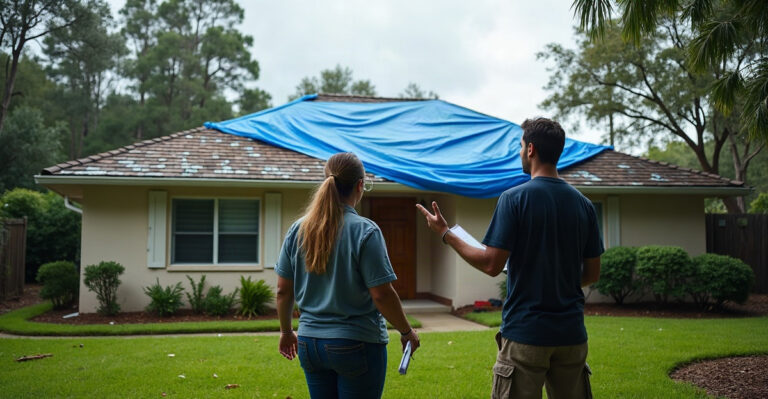
A properly installed temporary roof repair tarp is not just a plastic sheet placed on top. It is strategically anchored to shed water and resist wind until permanent repairs can be scheduled.
In certain situations, light rainfall can actually help trace water intrusion paths. When performing roof leak repair during rain, crews may identify entry points more accurately. Short-term sealing methods are applied, followed by permanent repairs once surfaces are fully dry.
Storm damage roof repair projects are often completed between weather systems. Radar is monitored closely, and crews work in small, controlled sections to reduce exposure risk.
Flat roof repair during rain requires even greater caution. TPO and modified bitumen systems depend on dry conditions for proper seam welding and adhesion. Many common concerns are addressed here: can flat roofs handle heavy rain. If insulation or decking is saturated, permanent bonding must wait until moisture levels are safe.
Acting quickly can reduce interior damage and mold risk. However, rushing permanent repairs in poor conditions can shorten roof lifespan. Long-term performance always outweighs short-term speed.
When It’s Smarter to Wait for Drier Conditions
Certain roofing projects require dry weather. Active downpours, lightning, and sustained winds make installation unsafe and ineffective.
Full roof replacements and large tear-offs typically require extended dry periods. Removing large roofing sections exposes underlayment and decking. Sudden rainfall during that process can cause preventable interior damage.
Material performance also matters. Many adhesives, sealants, and underlayments do not bond properly to wet or saturated decking, as outlined in National Roofing Contractors Association technical guidance on moisture and adhesion. Trapped moisture can reduce system lifespan and cause premature failure. High humidity alone can affect material performance, as explained here: how humidity affects roofing materials.
A rainy season roof inspection in Florida may include moisture readings to determine whether decking is too wet for permanent work. Key evaluation points include:
- Roof pitch and drainage efficiency
- Signs of underlying rot
- Attic ventilation performance
- Overall structural integrity
Sometimes a short delay—combined with proper temporary protection—is the most responsible option. This approach protects both the property and the durability of the final repair.
If the roof has reached the end of its service life, seasonality becomes even more critical. Property owners often review the best time to replace a roof in Florida to plan around weather challenges.
Emergency Repairs vs. Permanent Repairs: What to Expect
Clear expectations reduce stress, especially during hurricane season roof damage events.
Emergency repairs focus on stabilization and stopping active water intrusion. This may include tarping, sealing exposed fasteners, securing flashing, or temporarily covering missing shingles.
Permanent repairs involve replacing damaged shingles, tiles, panels, or membrane sections once conditions are safe and dry. In cases of extensive damage, a full roof replacement or targeted roof repair service may be recommended.
During peak storm season, demand increases significantly. Scheduling can take longer as many properties require service simultaneously. Early inspections help document damage and secure scheduling priority.
Cost is a common concern. Property owners can review details here: emergency roof repair cost and here: roof repair cost in Florida.
Insurance coverage varies by policy, deductible, and exclusions, as outlined by the Blanchard Insurance of Regulation consumer guidance. Reviewing specific policy details and speaking directly with the insurance provider is always recommended.
Most importantly, always work with a licensed and insured Florida roofing contractor. Proper installation ensures compliance with Florida building codes and protects manufacturer warranties long after storm season ends.
Special Considerations for Commercial and Flat Roof Systems
Commercial roof repair during rainy season requires careful coordination. Buildings must maintain safe entrances, protected inventory, and minimal operational disruption.
Many commercial properties use flat and low-slope systems, including TPO and modified bitumen. These systems require clean, dry seams for proper adhesion or heat welding. Even minor surface moisture can compromise bonding.
Frequent storms increase the risk of ponding water. Standing water can saturate insulation and expand repair scope if not addressed promptly. Stabilizing vulnerable areas during safe weather windows prevents more extensive tear-offs later.
Property managers often require inspection documentation for maintenance records and insurance purposes. Detailed assessments, photographs, and moisture scans support informed decisions and compliance requirements.
Commercial repairs are typically scheduled in early morning hours to minimize thunderstorm disruption. Coordinated planning with facility teams helps protect the building envelope while maintaining business continuity.
Costs, Scheduling, and Smart Next Steps
Rainy season increases service demand. Proactive roof inspections reduce emergency situations and prevent costly interior damage.
If an active leak is present:
- Document visible damage with photos
- Relocate valuables away from affected areas
- Clear attic access if safe to do so
- Keep gutters clear to improve drainage
A professional rainy season roof inspection provides clarity. It identifies what requires immediate stabilization and what can safely wait for optimal installation conditions.
If water is actively entering the property, emergency service should be requested immediately. For general concerns or proactive planning, schedule an assessment through the contact page or explore available roofing services.
Florida communities face these storms every year. With careful planning, safe execution, and a focus on long-term durability, homes and businesses can remain protected—even during the peak of Florida’s rainy season.
Frequently Asked Questions
Roof repair during Florida’s rainy season can be safe if work is performed during clear weather windows. Contractors avoid active rain, lightning, and high winds because wet surfaces reduce material adhesion and increase safety risks. Temporary protective measures are often used between storms, while permanent repairs are scheduled once surfaces are fully dry and stable.
Minor and emergency repairs are commonly completed during rainy months in Florida. These include tarping damaged sections, sealing small flashing gaps, securing loose shingles, and applying temporary waterproof sealants. Full replacements or large tear-offs typically require extended dry conditions to prevent moisture from being trapped beneath new materials.
Roof surfaces should be completely dry before permanent repairs begin. Depending on humidity, sun exposure, and roofing material, this may take several hours to a full day after rainfall. Contractors may also test insulation and decking for hidden moisture to ensure proper adhesion and long-term performance.
Flat roof repairs can be completed during Florida’s rainy season, but only under controlled dry conditions. Systems like TPO or modified bitumen require clean, dry seams for proper heat welding or adhesive bonding. If insulation becomes saturated, it must be removed and replaced before permanent repairs are installed.
Rainy season can increase roof repair costs due to higher demand and emergency service needs. Storm-related damage often requires temporary stabilization before permanent repairs, adding labor and materials. Scheduling may also take longer during peak storm months, making early inspections a cost-effective way to reduce unexpected expenses.