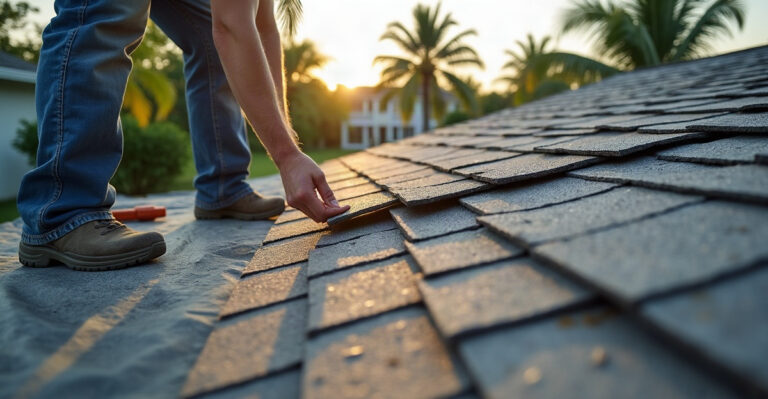
Roof Shingles Lifting in Wind: Repair or Replace?
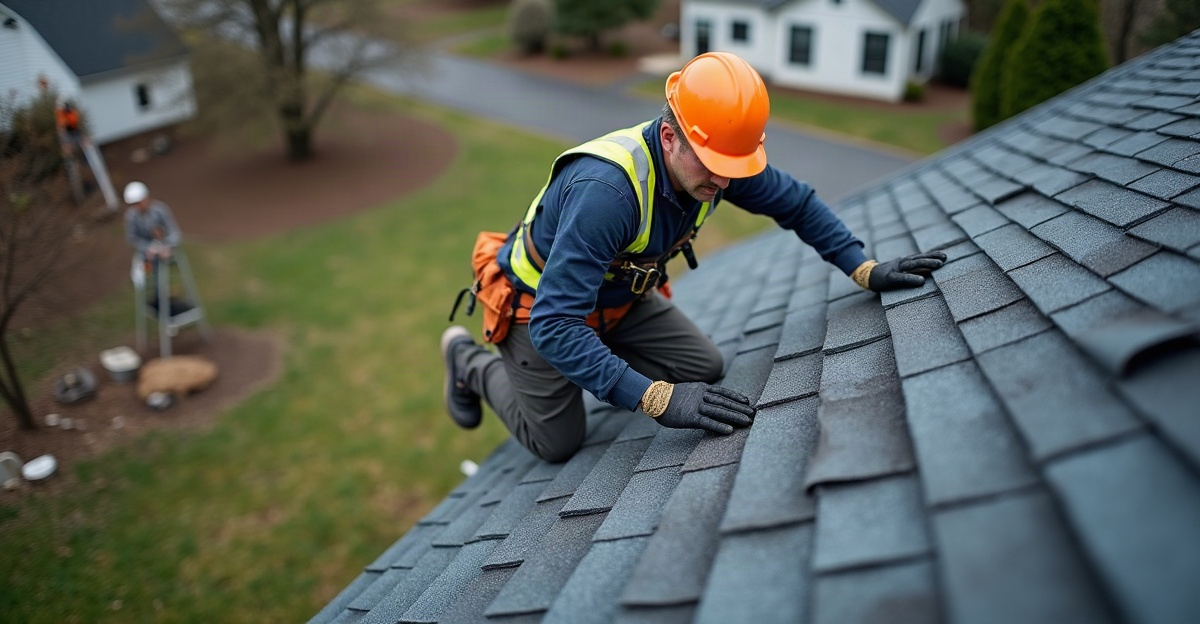
Shingles that lift in the wind can indicate broken seals, loose fasteners, or concealed moisture entry points. Damage may look minor from the ground. A professional inspection can confirm if we can repair isolated damage or if widespread lifting, aging materials, or structural issues make replacement the safer choice.
Key Takeaways
- Missing shingles, visible creases, loose flashing, active leaks, and several lifted areas require prompt professional attention.
- Isolated lifting on a newer roof may allow for repair if the decking, underlayment, and surrounding shingles remain in good condition.
- Replacement can provide stronger long-term value if shingles have become brittle, damage covers a wide area, repairs recur, or matching materials are no longer available.
- We shouldn’t nail down lifted shingles or walk on a storm-damaged roof. Instead, we should take photos from the ground and inspect safe interior areas for signs of moisture.
- We should document storm dates, photos, debris, and inspection findings to support an insurance claim review. Coverage still depends on the policy terms and the insurer’s assessment.
What Lifted Shingles Mean—and When to Act Quickly
Shingles can lift when wind breaks their seal, catches an edge, loosens fasteners, or exposes weaknesses in aging or improperly installed roofing materials. Roof shingles lifting in wind does not always mean full replacement, but it should never be dismissed as cosmetic damage.
Lifted, creased, or unsealed shingles can let wind-driven rain reach beneath the roofing surface before a leak appears indoors. What looks like one small raised tab from the ground may involve hidden damage to the materials below it.
Common signs include raised or flapping tabs, curled edges after wind, visible creases, missing shingles, exposed nail heads, loose ridge caps, displaced starter shingles, and shingle debris around the property. Ridge caps protect the roof peaks, while starter shingles sit at roof edges and help resist wind uplift. Both matter during high winds.
We recommend prompt professional attention for missing shingles, active leaks, ceiling stains, wet attic insulation, exposed roof deck, loose flashing, visible creases, fallen debris, multiple lifted areas, or shingles that lift after every wind event. Flashing is the protective metal or similar material installed around roof transitions, chimneys, walls, and penetrations. Loose flashing can create a direct path for water.
A few lifted shingles on a newer roof may be monitored while an evaluation is arranged, especially if there are no missing materials or known leaks. Still, only an inspection can confirm whether the shingles remain secure. Our guide to common roof damage signs can help us recognize concerns that deserve a closer look.
What to Do After We Notice Shingles Lifting in Wind
Safe, timely action protects the property without creating extra risk. We should take clear photos from the ground when conditions allow, then record the date, weather event, visible lifted tabs, missing shingles, and debris around the property. Those details can help document storm damage later.
After the weather clears, we can check ceilings and accessible attic areas for staining, damp insulation, dripping water, or moisture around vents. We should only enter attic spaces when it is safe to do so. Interior damage may appear hours or days after a storm, particularly after wind-driven rain reaches the underlayment.
During an active leak, move valuables away from the area and place containers beneath drips. Avoid climbing onto the roof, walking on wet or storm-damaged shingles, or nailing shingles down as a do-it-yourself fix. Temporary nailing can puncture sound materials, miss damage below the surface, and fail to correct a broken seal or weakened fastener.
Lifted, creased, or missing shingles after high winds deserve a professional assessment. Pyramid Roofing FLA can provide a careful storm damage inspection and explain whether a focused repair or broader work makes sense for the property. We look for roof leak signs without assuming every wind event requires emergency roofing or replacement.
When a Targeted Shingle Repair May Be the Right Choice
A targeted roof repair can be a practical choice when wind-damaged shingles are limited to one area, the roof is relatively new or otherwise in good condition, and matching shingles are available. The roof deck and roof underlayment must also remain sound. The roof deck is the structural surface that supports the roofing system. Underlayment is the water-resistant layer beneath the shingles.
Repair work often involves more than swapping one visible shingle. We assess nearby fasteners, broken seals, creases, ridge caps, starter shingles, flashing, and any moisture below the roofing surface. A proper shingle repair addresses the reason shingles lifted as well as the visible damage.
Matching shingles matters. Even when a close color match is available, older surrounding shingles may be brittle or weathered. In that situation, a small repair may not deliver the long-term value we expect. Our roof repair services focus on clear findings and practical recommendations rather than pushing work that the roof does not need.
Some lifted shingles may appear to settle back down after the wind stops. That appearance does not confirm that the shingle is secure. The adhesive seal may remain broken, the shingle may have a crease, or a fastener may have loosened. Hidden moisture paths can also remain. We should have a professional determine whether the area can be repaired safely.
For isolated damage, repairing instead of replacing a roof can preserve the existing system and control costs. The key is confirming that there is no wider pattern of failure.
When Roof Replacement May Be More Durable and Cost-Effective
Roof replacement may be the better long-term investment when lifting is widespread, shingles are brittle or near the end of their service life, matching materials are unavailable, or water has reached underlying components. Multiple past repairs, recurring wind damage, and roof deck damage also change the conversation.
The decision should never rest on visible tabs alone. We evaluate shingles, ridge caps, starter strips, flashing, vents, gutters, underlayment, decking, attic ventilation, and repair history. Repeated lifting can point to aging roof shingles, poor adhesion, fastening concerns, installation issues, or weakened components around the affected area.
Roof ventilation deserves close attention. Excess attic heat and trapped moisture can stress roofing materials over time. Balanced intake and exhaust ventilation helps manage those conditions, and our roof ventilation solutions can be considered as part of a larger roofing plan when inspection findings support it.
Replacement is not automatically necessary after one lifted shingle. Yet repeated spot repairs on an aging or broadly compromised roof can become less practical than a planned replacement with consistent materials and improved wind resistance. Our roof replacement services provide a straightforward path when the existing system no longer supports dependable repairs.
We can also compare the condition against practical decision points in our guide on roof repair versus replacement. A sound recommendation accounts for the full roof system, not just the most visible damage.
Why Shingles Lift During High Winds in Central and Northeast Florida
High winds in Florida can catch even a slightly raised shingle edge and place strong pressure on the shingle, its fasteners, ridge caps, starter shingles, and flashing. Once wind breaks an adhesive seal or creases the material, that area may become more vulnerable during the next severe thunderstorm or hurricane-season event.
Central Florida roofing and Northeast Florida roofing systems face heavy rain, humidity, wind-driven rain, coastal roof exposure, and seasonal storms. These conditions can reveal weaknesses that were not obvious during calm weather. Hurricane season roof preparation should include a careful look at the roof before storm activity increases.
Possible causes include age-related sealant failure, prior storm exposure, repeated lifting, inadequate fastening, poor adhesion, installation concerns, deteriorated underlayment, heat stress, roof geometry, and weakened surrounding materials. We do not diagnose a specific cause from ground-level photos alone. An inspection helps separate isolated wind damage from a broader roofing issue.
Roof slope, the location and number of lifted shingles, prior repairs, roof age, material availability, and overall condition all affect the repair-or-replace decision. Local permitting, building-code requirements, and wind-resistance considerations can also vary by jurisdiction and project scope. A qualified local contractor can identify requirements that may apply without making assumptions about permit outcomes or code approval.
Florida storms can damage shingles in ways that are easy to miss. Our article on hurricane shingle roof damage explains why prompt attention after major wind events is so important.
What a Professional Inspection, Cost Review, and Insurance Documentation Should Cover
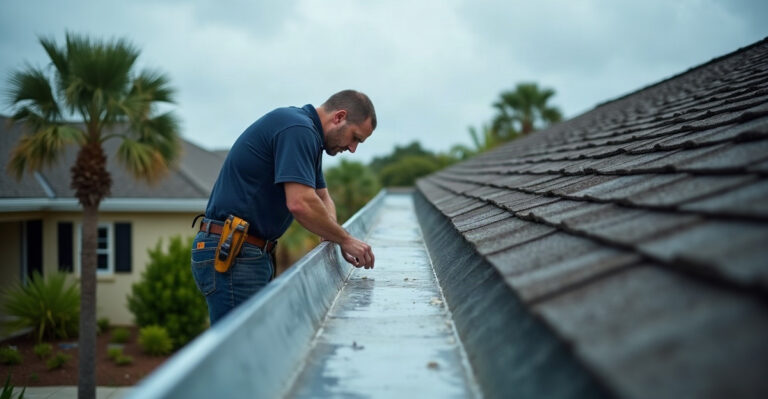
A professional roof inspection should review visible and hidden conditions across the system. We inspect shingles, ridge caps, starter strips, flashing, vents, gutters, roof decking, underlayment, attic ventilation, and previous repairs. This process helps determine whether lifted shingles are isolated or part of a larger concern affecting residential roofing or commercial roofing.
Roof repair cost factors vary by damage extent, roof size and slope, accessibility, number of affected areas, material availability, shingle matching, flashing or decking repairs, roof complexity, permits, emergency service needs, and any moisture damage found during inspection. Repair is not always less expensive over time when repeated wind damage or compromised underlying components continue to create problems.
When damage follows a storm, we should keep photos, dates, weather details, invoices, and inspection findings. This storm damage documentation may be useful during an insurance review. Wind damage insurance coverage is policy-specific and can depend on deductibles, roof age, cause of damage, documentation, and the insurer’s evaluation. We can document observed conditions, but we cannot guarantee claim approval or replacement coverage.
Common Questions About Lifted Shingles
These answers can help us decide how quickly to arrange an evaluation:
- Wind-lifted shingles can cause a leak before water appears inside. Wind-driven rain may reach beneath damaged materials and travel before creating a ceiling stain.
- We should not nail down lifted shingles ourselves. Unsafe roof access and hidden damage can turn a limited issue into a larger repair.
- Missing shingles, leaks, exposed decking, loose flashing, multiple lifted areas, and visible creases need prompt inspection. For limited visible lifting, arrange a timely inspection after the storm.
- A few lifted shingles can often be repaired if the damage is isolated and the materials beneath remain sound.
- Lifting alone does not mean a new roof is required. Roof age, condition, damage extent, prior repairs, and underlying components guide the right recommendation.
Request a qualified inspection from Pyramid Roofing FLA for a clear, transparent repair-or-replacement recommendation based on the property’s actual condition. We are ready to help through our roofing contact page with practical guidance and dependable local service.