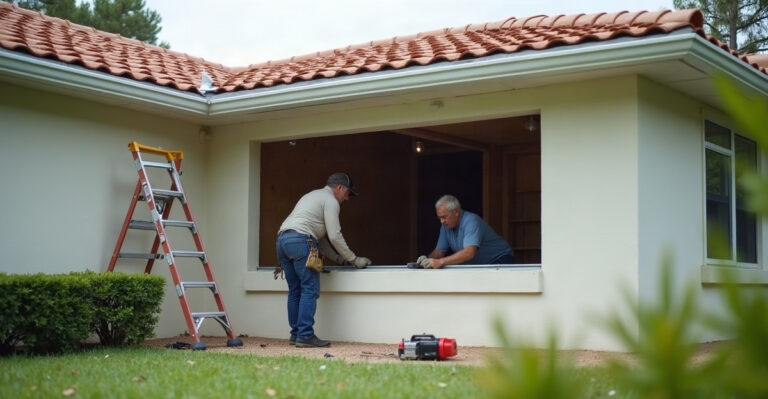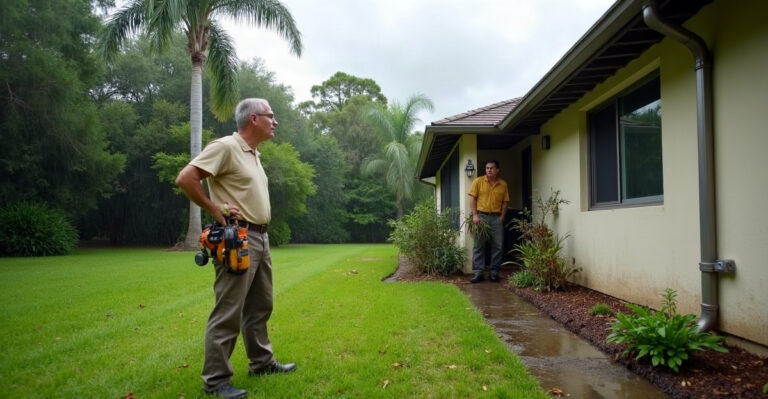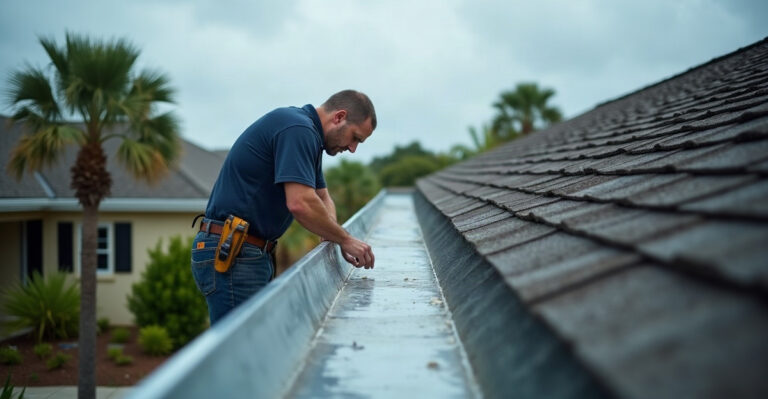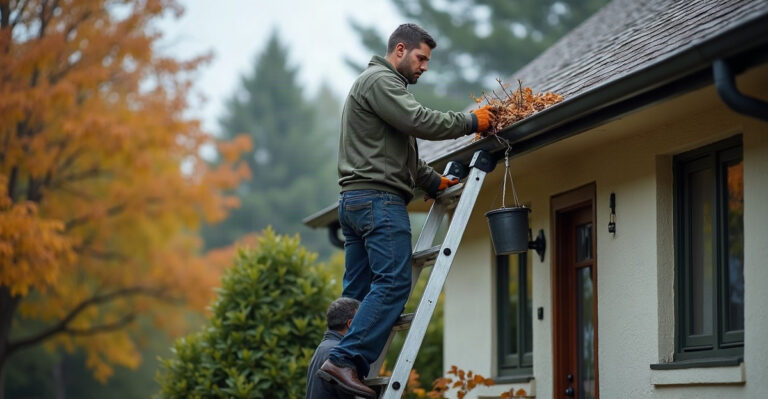
What Should You Check During a Roof Inspection After a Hurricane?
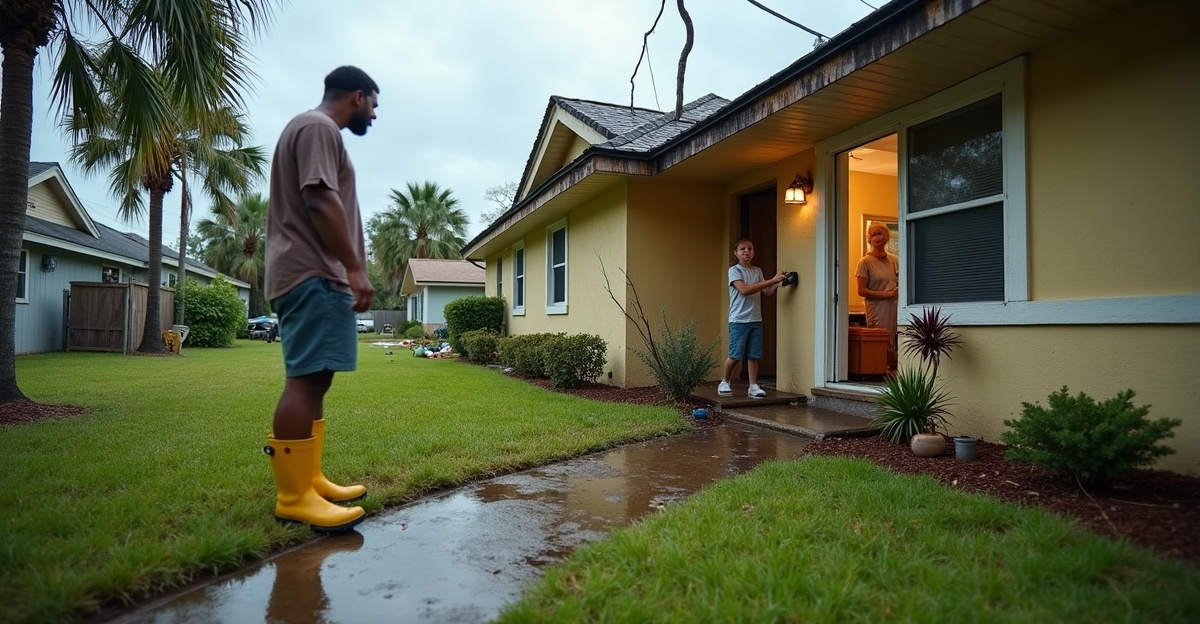
We should begin a post-hurricane roof inspection with safe ground-level and interior checks. We look for displaced roofing materials, damaged flashing, debris impacts, gutter problems, and signs of water intrusion. For Florida property owners searching for a roof inspection after a hurricane, fast documentation and a professional assessment can reveal hidden damage before the next rainfall causes a bigger issue.
Key Takeaways
- We shouldn’t climb onto the roof after a hurricane. We inspect from the ground and inside the property after local officials confirm safe conditions.
- We look for missing, lifted, cracked, or displaced shingles or tiles. We also check for loose metal panels, exposed underlayment, damaged flashing, and debris strikes.
- We inspect ceilings, walls, attics, skylights, and insulation for stains, dampness, bubbling paint, musty odors, and active drips.
- We contact a roofing professional quickly for active leaks, visible openings, sagging sections, major debris impacts, standing water, or loose roofing materials.
- We take dated photos, record storm and leak details, save mitigation receipts, and review insurance policy requirements before making claim decisions.
Safety First: What to Do Before We Inspect
Safety comes before any roof inspection after a hurricane. We shouldn’t inspect during active storms, lightning, high winds, flooding, standing water, or any unstable condition.
After the storm passes and local conditions are safe, we should keep inspections at ground level and inside the property. We shouldn’t climb onto the roof or use a ladder after a hurricane. Wet surfaces, hidden structural damage, loose shingles, fallen branches, and unstable gutters can turn a simple check into a serious hazard. A qualified roofing professional should handle roof access.
Florida roofs face hurricane-force winds, wind-driven rain, debris strikes, intense rainfall, and, near the coast, salt exposure. Damage may be subtle at first. A roof can appear intact from the ground yet develop a leak during the next rainfall. We should check safely once conditions settle, monitor the property through the next rain event, and arrange help if warning signs appear.
For anyone searching for a roof inspection after hurricane near me Florida, a safe visual review is the right first step. Our roofing inspection checklist for Florida storms starts with safety, documentation, and clear observations—not risky roof access. For added context on storm effects, review how hurricanes damage Florida roofs.
When Hurricane Roof Damage Needs Prompt Professional Help
Some conditions call for prompt professional attention. We should contact a roofer quickly if water is actively entering the building, the roof has a visible opening, debris has caused a significant impact, roof areas appear to sag, or loose materials may fall. Electrical concerns near water intrusion also require immediate caution. We should avoid touching wet electrical fixtures, outlets, or equipment.
Leaks affecting living spaces, occupied units, inventory, offices, or business operations deserve fast action. Emergency mitigation should not wait solely for an insurance adjuster if water is entering the property or the roof has an open area. Limiting additional water damage matters.
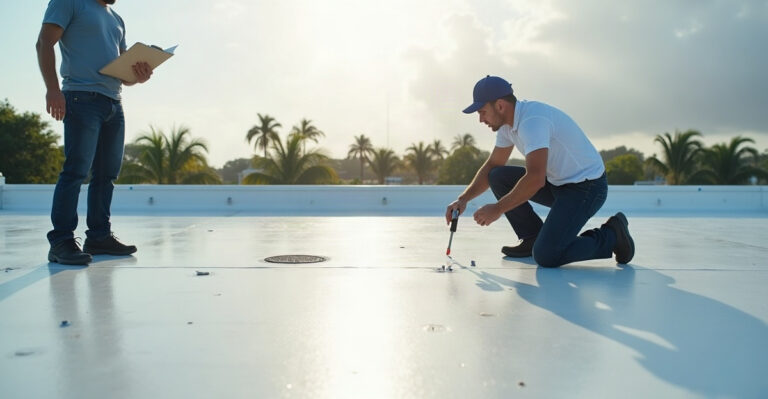
Commercial properties need added attention. Standing water that remains on a low-slope roof after normal drainage time, blocked drains or scuppers, open seams, torn membrane, displaced edge metal, and damaged flashing around rooftop equipment all warrant a professional review.
A missing shingle, ceiling stain, or dent doesn’t automatically mean full replacement. A documented roof damage assessment helps us determine whether monitoring, repair, emergency protection, or replacement discussions make sense. Pyramid Roofing FLA can provide storm damage repair support and clear next steps based on the roof’s actual condition.
Your Safe Ground-Level Roof Inspection Checklist
From the ground, we can look for visible changes without placing anyone at risk. This roof inspection checklist applies to homes, businesses, rental properties, and community buildings.
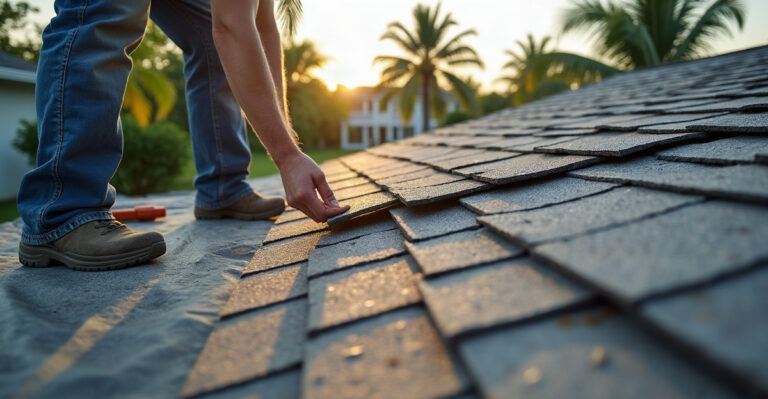
Look for missing, lifted, curled, cracked, bruised, or displaced shingles. We should also watch for exposed underlayment, exposed nail heads, loose ridge caps, damaged vents, broken skylights, debris impacts, and damaged flashing. Flashing is the protective material installed around roof transitions—such as chimneys, vents, skylights, and walls—to direct water away from vulnerable areas.
On asphalt roofs, key concerns include missing tabs, lifted or creased shingles, granule loss, exposed fasteners, and ridge-cap damage. Granules may collect in gutters or on the ground after a storm. Learn more about shingle roof systems and their storm-related warning signs.
Metal roofs should be checked for lifted or loose panels, loose fasteners, damaged seams, debris dents, flashing separation, and failed sealant. Even small openings around fasteners or seams can allow wind-driven rain inside. Our metal roofing guide explains the components that need professional evaluation after severe weather.
Tile roofs may have cracked, slipped, displaced, or missing tiles. Damage below the tiles can remain hidden, especially at the underlayment layer, so a professional inspection is important after a major hurricane.
We should also inspect roof-adjacent components. Watch for sagging or detached gutters and downspouts, broken branches near the roofline, damaged siding, and detached soffits or fascia. Soffits are the underside of roof overhangs. Fascia is the board along the roof edge that supports the gutters. Damage in these areas can affect drainage, ventilation, and roof-edge stability. Professional gutter services and fascia and soffit repairs can help restore those connected systems.
Check Inside the Property for Hidden Water Intrusion
Interior evidence can reveal roof damage even if the exterior looks normal from the ground. We should inspect ceilings, walls, windows, skylights, safely accessible attic areas, and insulation for water stains, damp drywall, bubbling paint, musty odors, wet insulation, drips around vents or skylights, and attic moisture.
A stain doesn’t always mean there is an active leak. Still, we should photograph it and track changes. New, growing, damp, or recurring stains need professional evaluation. We should note the exact location: the room, ceiling area, wall, window, vent, skylight, or other feature affected.
Wind-driven rain can enter through damaged flashing, lifted shingles, roof vents, skylights, and other roof penetrations. Moisture may appear inside days after the hurricane, especially after another rainfall. Our guide on spotting roof storm damage can help us connect interior symptoms with possible exterior concerns.
If there is no active leak, no visible displaced material, no interior moisture, and no clear ground-level damage, monitoring during the next rainfall can be reasonable. We should schedule an inspection sooner if the roof is older, has prior repairs, or cannot be clearly assessed from the ground. A timely roof repair inspection can prevent a minor opening from becoming a larger water issue.
What Commercial and Low-Slope Roofs Need After a Florida Storm
For small-business owners, property managers, real estate investors, and facility managers, commercial low-slope roofs require a different inspection approach. We should never send untrained personnel onto the roof after a storm.
A roof membrane is the waterproof surface commonly used on commercial low-slope roofs. Hurricanes can puncture or tear the membrane, pull open seams, shift edge metal, damage flashing around rooftop equipment, and clog drains or scuppers. Scuppers are roof-edge drainage openings that direct water away from the roof.
Ponding water is water that remains on a low-slope roof instead of draining away after the expected drainage period. It can add weight, expose weak areas, and increase the chance of leaks. Standing water that persists after drainage time has passed should be assessed promptly.
Heavy rain, wind-driven rain, flying debris, and coastal salt exposure can also affect exposed fasteners, flashing, metal components, and sealants across Central and Northeast Florida. Water intrusion can disrupt tenants, inventory, equipment, electrical systems, and daily operations. In these situations, professional evaluation and emergency protection should move quickly.
Document Damage and Make Informed Insurance and Repair Decisions
Good records help us make sound repair and insurance decisions. From safe locations, we should take dated wide-angle and close-up photos of visible roof concerns, debris, exterior components, stains, and water entry points. We should note the storm date and approximate timing, record interior leak locations and odors, save receipts for emergency mitigation, and keep communications with contractors and insurers.
Documentation may help support a claim, but it does not guarantee coverage or claim approval.
We should review the individual policy, hurricane deductible, exclusions, and insurer reporting requirements before making assumptions about coverage. Hurricane damage claims can depend on the policy terms, deductible, roof age, damage type, and insurer assessment. For practical steps, see our roof insurance claim guidance.
Can We Inspect a Roof After a Hurricane Ourselves?
We can complete ground-level and interior observations once conditions are safe, but we should leave roof access to trained professionals.
What Roof Damage Should We Look for After a Hurricane in Florida?
Focus on displaced materials, damaged flashing, exposed underlayment, loose gutters, roof-edge damage, debris strikes, stains, and active leaks. Our overview of common roof damage types offers additional signs to watch for.
How Soon Should We Get a Roof Inspection After a Hurricane?
We should arrange one promptly when a leak, visible damage, safety concern, older roof, previous repair, or uncertainty is present.
Can a Leak Appear Days After a Hurricane?
Yes. Wind-driven rain and small openings may show up during later rainfall.
What Should Commercial Property Managers Check on a Flat Roof After a Storm?
We should have professionals evaluate ponding water, drains, scuppers, seams, flashing, edge metal, membrane damage, and rooftop equipment areas.
Should We Call a Roofer or Insurance Company First After Hurricane Roof Damage?
We should stop active water intrusion quickly, document conditions, review the policy, and report the claim through the insurer’s process. A professional inspection provides the factual roof damage assessment needed to make informed decisions about roof replacement or repair.
For a roofing inspection checklist for Florida storms and a documented assessment, contact Pyramid Roofing FLA through our roof inspection contact page.