Will Insurance Cover a 25-Year-Old Roof?
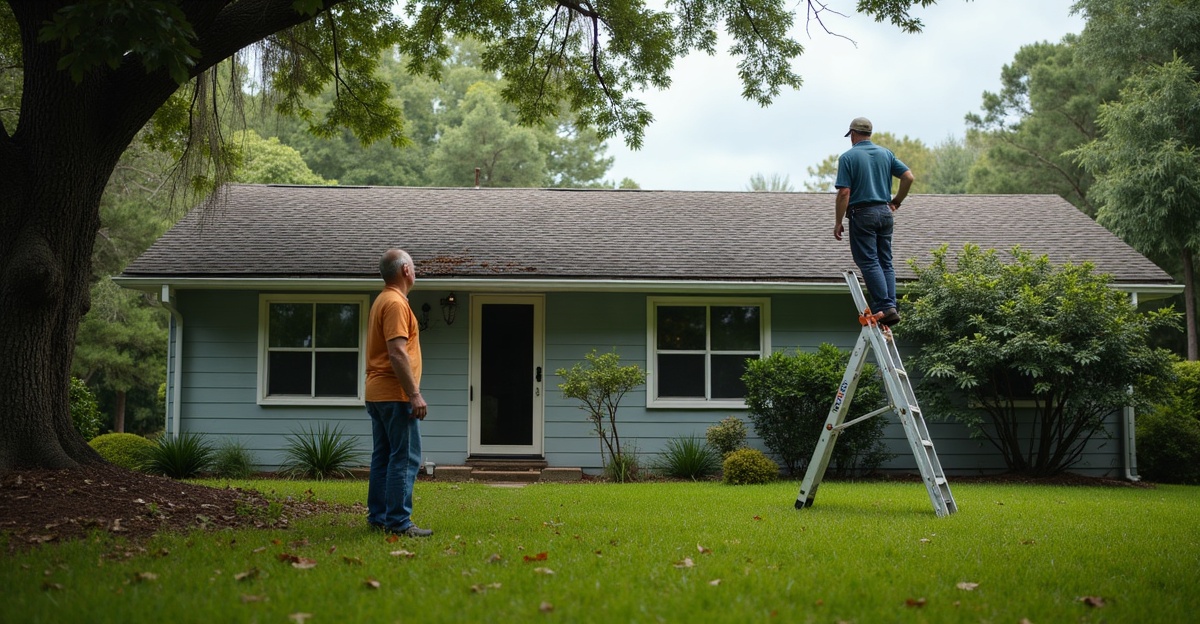
Insurance may cover a 25-year-old roof if a covered event causes direct damage. Wind, hail, hurricanes, and falling objects may trigger coverage. Policy terms, roof condition, maintenance records, deductibles, and settlement methods affect the final outcome.
Florida insurers often review older roofs more closely. They may require inspections or repairs. They may also use actual cash value payments or roof payment schedules. These options reduce claim payments based on age and depreciation.
Key Takeaways
- Roof age alone doesn’t determine coverage. Insurers focus on the damage cause and the policy’s terms.
- Sudden damage from covered events may qualify for a claim. Policies often exclude wear, deterioration, algae, rot, poor maintenance, and long-term leaks.
- A 25-year-old roof may receive actual cash value instead of replacement cost. Depreciation can reduce the payment.
- We should review the policy for wind and hurricane coverage, separate deductibles, endorsements, roof-age limits, and claim-reporting deadlines.
- We should document storm damage safely, take photos, save mitigation receipts, report the claim promptly, and schedule a professional roof inspection for clear condition records.
What a 25-Year-Old Roof Means for Insurance Coverage
Will insurance cover a 25-year-old roof? A roof at this age is not automatically ineligible for coverage, but its age can affect insurability, renewal terms, deductibles, settlement methods, and the amount paid after covered damage.
Policy language and the cause of damage matter more than age alone. Insurers also consider the roof’s present condition, material, installation quality, maintenance record, prior repairs, exclusions, endorsements, deductibles, inspection results, and renewal requirements.
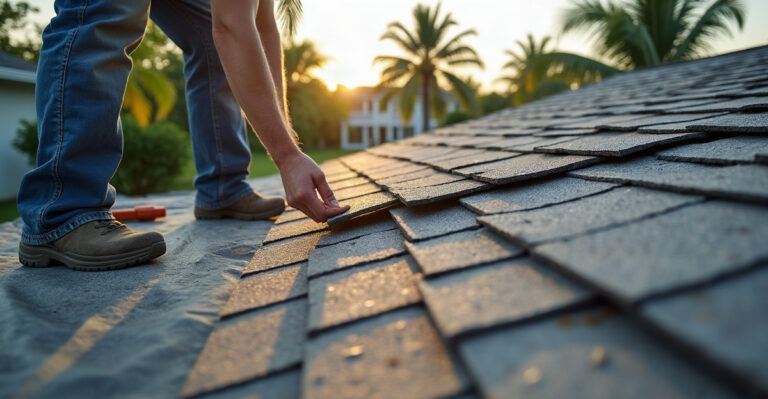
A 25-year-old asphalt shingle roof may be near or past its typical service-life range. Tile, metal, modified-bitumen, and commercial low-slope roofs age differently and need different maintenance. Our shingle roof services, metal roof services, and flat roof services address the distinct condition concerns for each system.
For Central and Northeast Florida properties, age is only part of the picture. Ventilation, drainage, humidity, coastal exposure, heavy rain, wind-driven rain, hurricane activity, and routine maintenance can all influence a roof’s condition. Poor drainage can shorten the useful life of a low-slope roof, while inadequate attic airflow can accelerate shingle wear.
The same general considerations apply to the question, will insurance cover a 20-year-old roof. Insurers may scrutinize an older roof more closely and require an inspection, documented repairs, updated records, or different settlement terms before issuing or renewing coverage.
This article provides general information only, not legal, insurance, or public-adjusting advice. Coverage decisions depend on your specific policy and insurer. For policy interpretation, contact your insurer, agent, or a licensed insurance professional.
Damage That May Be Covered vs. Damage Often Excluded
Insurance generally evaluates the cause of roof damage, not the roof’s age by itself. A storm near the property does not automatically establish a covered loss. The insurer reviews the event, the visible damage, the roof’s condition before the event, and the policy terms.
Depending on the policy, potentially covered damage may include wind damage, hurricane damage, hail, falling limbs or objects, and sudden accidental damage that creates an opening or direct physical loss. A storm damage roof insurance claim requires documentation showing what happened and how the roof responded.
Policies often exclude or limit damage from normal wear, age-related deterioration, granule loss, corrosion, rot, algae, repeated seepage, poor installation, deferred maintenance, and pre-existing leaks. For example, a hurricane roof damage claim may involve covered wind damage, yet the insurer may still distinguish that damage from older deterioration or long-term leakage.
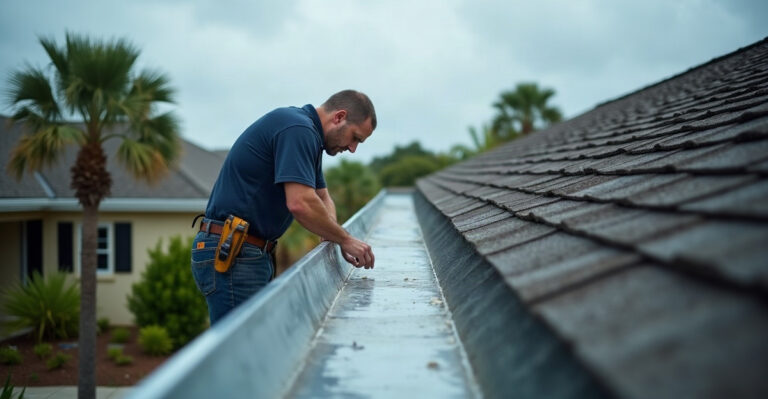
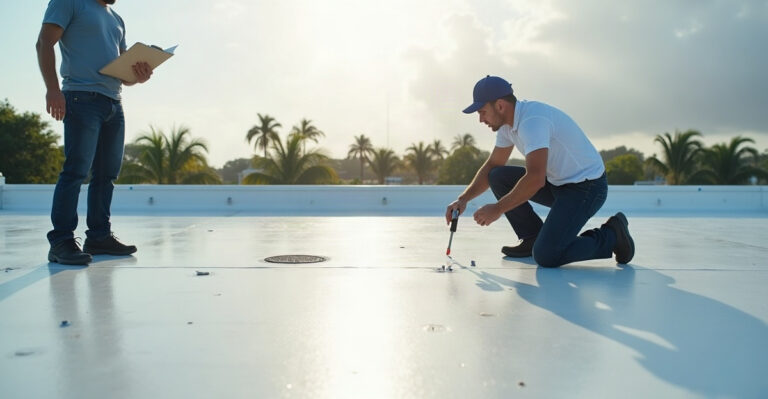
A qualified roofer can inspect accessible roof conditions, document visible damage, identify likely damage patterns, and provide photos and an estimate. That inspection does not determine coverage. The insurer makes the final coverage decision under the policy.
Avoid anyone who promises that insurance will buy a new roof or guarantees claim approval. For a closer look at common claim outcomes, review roof replacement claim denials.
How Florida Roof Policies Can Affect an Older-Roof Claim
Florida insurance policies can handle roof losses in different ways. These terms vary by insurer, location, and policy, so review the declarations page and full policy before assuming coverage.
Actual cash value, or ACV, is the value of the roof after depreciation for age and condition is subtracted. Replacement cost value, or RCV, is the cost to replace covered damage, subject to the policy’s terms and conditions. Depreciation is the reduction in value based on age, use, and condition.
An older roof may be settled using ACV, a roof-surface payment schedule, or another endorsement that limits payment. An endorsement is an addition or change to the standard policy that may expand or limit coverage. Some policies have separate hurricane deductibles, meaning the policyholder pays that amount before qualifying hurricane coverage applies. Windstorm coverage may be included, excluded, or addressed through an endorsement.
Insurers may also require roof inspections, repairs, or replacement as a condition of renewal or new coverage. This does not mean every older roof will lose coverage. It means condition records and timely maintenance matter.
Questions to Ask Your Insurer
Before filing or renewing, ask clear, policy-specific questions:
- Does the policy provide RCV, ACV, or a roof payment schedule?
- Which deductible applies to this event?
- Does the policy cover wind or hurricane damage?
- Are there roof-age, roof-condition, or material-specific limitations?
- What documentation is required, and what deadlines apply for reporting damage?
- May temporary mitigation be completed before the adjuster inspection?
Mitigation means taking reasonable steps to prevent additional damage after a loss. It can include catching interior water, protecting belongings, or arranging emergency temporary protection. For general guidance on repair coverage, see homeowners insurance roof repair.
What to Do After Storm or Hurricane Roof Damage
Safety comes first. Never climb on a damaged roof, walk on wet tile, or attempt temporary repairs in unsafe weather. Hurricane season, heavy rain, and wind-driven rain can create urgent water-intrusion concerns across Central and Northeast Florida, but prompt action should remain safe and practical.
Start by taking ground-level photos and videos when conditions allow. Record the date, time, weather event, interior leaks, ceiling stains, damaged belongings, and any temporary protective actions. Keep receipts for reasonable mitigation expenses. If damaged materials can be safely retained without creating a hazard, keep them for possible inspection.
Next, contact the insurer promptly and follow its claim-reporting process. Avoid permanent repairs before the insurer has an opportunity to inspect unless immediate work is necessary to prevent additional loss. If emergency protection is needed, we can arrange authorized storm damage repair to help limit further water intrusion.
A qualified roofing inspection can document roof conditions, identify visible damage, recommend repairs, and provide an itemized estimate. For a practical reporting process, review how to file a roof claim after a storm.
Commercial property owners should also protect inventory and equipment, communicate with tenants or employees, record business disruptions, and retain maintenance logs, prior repair records, and roof-coating history. Authorized repairs should minimize interruption where possible. Business interruption coverage is policy-specific and is not automatic.
When a Professional Roof Inspection Is the Right Next Step
A professional inspection is a smart next step after a hurricane or significant wind event, or whenever there are missing or lifted shingles, cracked or displaced tile, dented metal components, ceiling stains, active leaks, ponding water on a low-slope roof, recurring repairs, or an insurer inspection notice.
An inspection also helps when you are unsure whether a roof needs a targeted repair or a full roof replacement. Repairing an isolated issue can make sense when the roof remains serviceable. Replacement may be the better investment when repairs keep adding up, materials are near the end of their service life, or widespread deterioration affects performance.
At Pyramid Roofing FLA, we inspect accessible roof conditions, identify visible damage, provide photos and clear condition documentation, offer repair or replacement recommendations, and prepare itemized estimates. We can also perform authorized emergency protection and repairs while answering practical roofing questions in plain language.
A roofing contractor cannot interpret policy language, negotiate coverage, act as a public adjuster, or guarantee claim approval or a full roof replacement. Those decisions remain with the insurer under the policy. If a leak is part of the concern, our guide on insurance and leaking roofs explains the important distinction between sudden covered damage and long-term deterioration.
If your property has visible storm damage, a leak, or an aging roof that needs a professional evaluation, contact Pyramid Roofing FLA to schedule a roof inspection and receive clear documentation and repair or replacement options.
Common Questions About Insurance and Older Roofs
Will Insurance Cover a 25-Year-Old Roof?
A 25-year-old roof may still have coverage. Whether a claim is covered depends on policy language, the cause of damage, roof condition, maintenance history, deductible, and applicable endorsements.
Will Insurance Cover a 20-Year-Old Roof?
Often, yes. Still, insurers may apply closer scrutiny, require inspections or repairs, limit settlement terms, or impose renewal requirements.
Does Homeowners Insurance Cover an Old Roof That Leaks?
A sudden leak caused by a covered event may be covered, depending on the policy. Leaks tied to long-term deterioration, repeated seepage, poor maintenance, or pre-existing conditions are often excluded or limited.
Will Insurance Pay for a Full Roof Replacement After Hurricane Damage?
Not necessarily. The insurer may determine that repairs are sufficient, apply depreciation, use ACV, apply a roof-surface payment schedule, or limit payment through an endorsement.
What Is ACV Versus Replacement Cost for Roof Claims?
ACV accounts for depreciation based on age and condition. RCV may provide replacement-cost coverage for covered damage, but the payment process and limits depend on the policy.
Can an Insurer Nonrenew a Policy Because of Roof Age?
Insurers may require an inspection, repairs, or replacement as a condition of renewal or new coverage. Requirements vary by insurer and policy.
Should You Get a Roofer’s Inspection Before Filing a Claim?
A qualified inspection can document visible conditions, leaks, and repair needs. It does not determine coverage, but it helps you understand the roof’s condition and provides useful records for discussions with the insurer.