Curling Shingles on Roof: Causes, Risks, and Fixes
Curling roof shingles can weaken protection from wind-driven rain. They may signal aging, heat, moisture, ventilation, storm, or installation issues. We determine the right repair by assessing the curling, overall roof condition, active leaks, and root cause. Some roofs need targeted repairs. Others need replacement.
Key Takeaways
- We may recommend monitoring and a professional inspection for a few mildly curled shingles with no leaks.
- Widespread curling, granule loss, brittle shingles, or recurring stains require a prompt roofing assessment.
- Active leaks, missing shingles, exposed underlayment, sagging, or storm damage need urgent professional service.
- Florida heat, humidity, UV exposure, poor attic airflow, and seasonal storms can accelerate shingle wear.
- We don’t recommend gluing, heating, or nailing curled shingles flat. A qualified contractor should inspect the full roofing system and recommend repairs, ventilation upgrades, or replacement.
How Urgent Are Curled Shingles—and What Are the Risks?
Curling shingles can reduce water-shedding performance and wind resistance, but the right response depends on the severity, roof age, cause, and overall roof condition. A few curled shingles may only need monitoring and an inspection, while widespread curling or active leaks call for faster action.
Curling shingles on a roof may indicate aging, heat exposure, moisture concerns, ventilation problems, storm damage, or installation-related issues. As roof shingles curl, they can lose their seal, shed granules, and leave more of the roof system exposed to wind-driven rain. Severe cases can expose underlayment or roof decking.
The main risks include water intrusion, roof leaks, reduced wind resistance, missing granules, shorter service life, and possible energy-efficiency concerns when attic heat and ventilation are involved. A professional inspection can separate a surface-level issue from a larger roofing-system concern. For a broader look at warning signs, review these common roof damage signs.
Quick Urgency Guide
Monitor and schedule an inspection when there are only a few mildly curled shingles, no interior staining, no active leak, and the roof otherwise appears intact.
Schedule a prompt inspection when curling is widespread or paired with granule loss, brittle shingles, lifted edges, recurring moisture stains, mold or mildew concerns, or a roof nearing its expected service life.
Seek urgent professional help when water is entering the building, shingles are missing after a storm, underlayment or decking is exposed, roof areas are sagging, or damage affects a commercial operation. Fast storm damage repair can help limit further water exposure after severe weather.
A visual symptom alone cannot confirm the cause or determine whether a full replacement is needed. Curling may be associated with several conditions, and a qualified contractor can confirm what is happening below the visible shingle surface.
What Curling Roof Shingles Look Like
Curling roof shingles have edges that turn upward or downward instead of lying flat against the roof. Property owners may notice different patterns, and each can point to a different concern.
- Cupping occurs when shingle edges rise while the center sits lower, creating a cup-like shape.
- Clawing occurs when edges curl downward, often making the shingle look like a claw.
- Lifting means the shingle no longer lies flat, which can relate to wind, fastening, adhesion, or installation conditions.
- Blistering appears as raised bubbles or bumps and may result from trapped moisture, heat, or material deterioration.
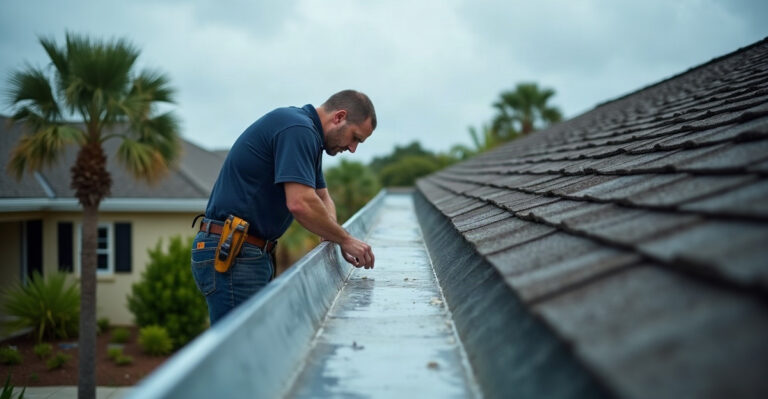
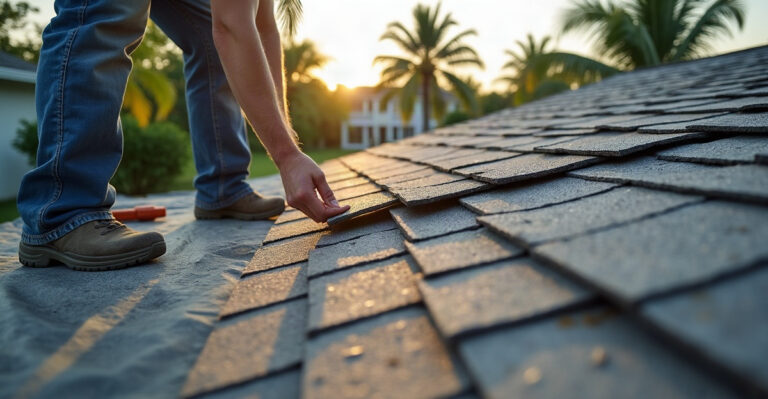
These terms are often used interchangeably, but the visible pattern matters. Clear close-up photos can help a roofing professional compare curling, cupping, clawing, lifting, and blistering. A useful image caption would read: “Examples of curling shingles on roof with upturned edges and downward clawing.”
From the ground, we recommend watching for missing granules, cracked or brittle shingles, exposed fasteners, lifted edges, displaced shingles, damaged flashing, interior water stains, and sagging roof areas. These can occur alongside shingles on roof curling and may signal that moisture or wind has reached vulnerable parts of the system. Our guide to types of roof damage can help property owners recognize related conditions.
Why Shingles Curl in Central and Northeast Florida
Shingles can curl because of one issue or a combination of age, weather exposure, moisture, ventilation, installation conditions, and storm damage. We do not assume poor workmanship based on appearance alone. An inspection should identify the actual cause before repairs begin.
Florida roofs face intense UV exposure, long periods of heat, high humidity, and seasonal storms. Over time, shingles naturally lose flexibility. Heat can speed up that process, especially when attic temperatures remain high. Humidity, condensation, roof leaks, and deck-related moisture may also affect shingles from above or below.
Wind, tropical storms, and wind-driven rain can lift or loosen shingles and expose weak points. In coastal areas, salt air may affect metal components and other parts of the roof system. Improper fastening, inadequate underlayment, incompatible materials, or manufacturer-related concerns can also contribute. Warranty-related issues require careful documentation and confirmation of the cause.
Proper airflow matters in Central and Northeast Florida. Poor airflow can trap heat and moisture in the attic, which may contribute to premature roofing concerns. Our roof ventilation services address airflow conditions that can affect roof performance, and this overview explains how poor ventilation damages roofs.
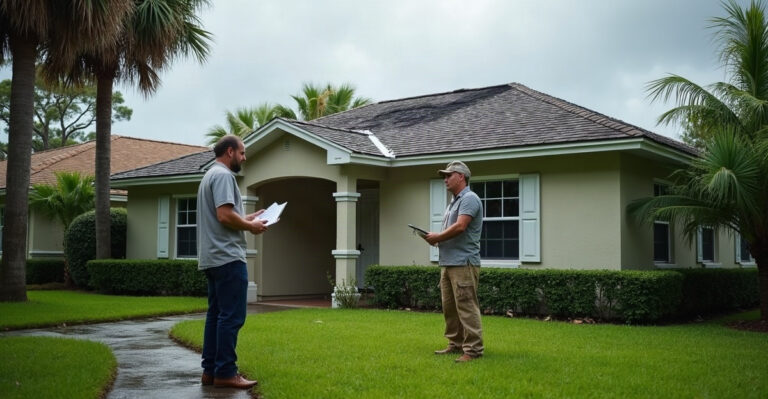
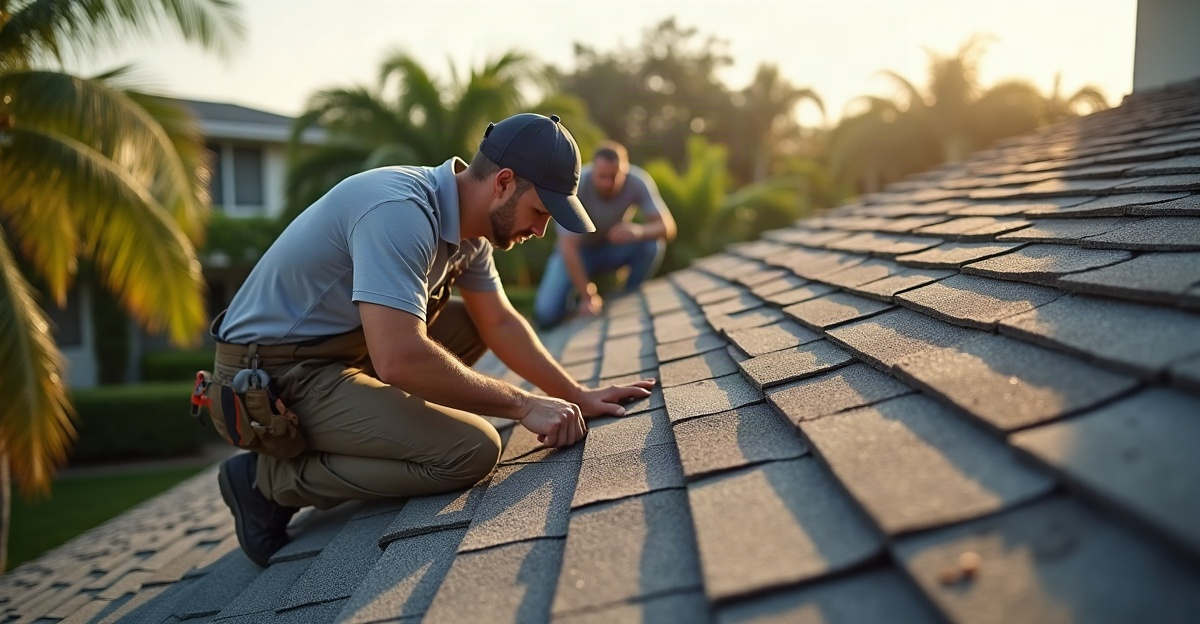
During an inspection, we evaluate roof age, the extent and pattern of curling, granule loss, exposed fasteners, roof slope, flashing, attic ventilation, moisture, decking condition, prior repairs, storm exposure, and signs of active leaks. This full-picture approach helps us recommend a practical next step rather than a one-size-fits-all answer.
What to Do When Shingles Are Curling on a New Roof
Shingles curling on a new roof deserve prompt attention. New shingles should generally lie flat after a reasonable settling period, but weather, storage, installation, fastening, ventilation, and product conditions can affect their appearance.
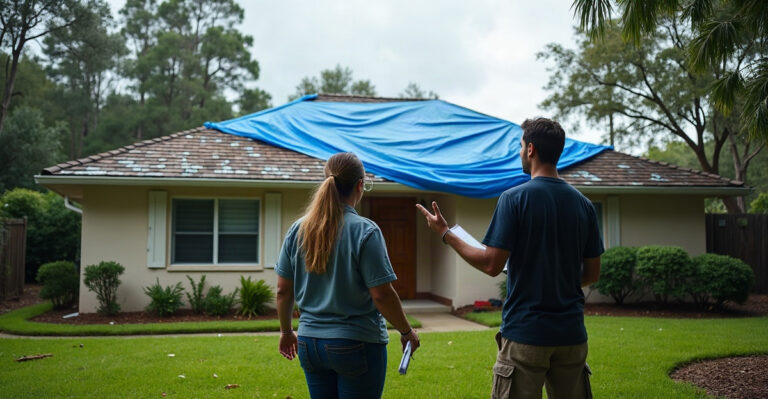
We recommend documenting the issue and requesting a contractor review instead of assuming it is normal wear or automatically blaming the installer. Record the installation date, roof material details, and the date curling was first noticed. Take photos safely from the ground or with a zoom lens. Keep notes on recent storms, wind-driven rain, attic heat, moisture symptoms, interior stains, active leaks, and prior repairs.
Save warranty paperwork, invoices, and installation records. Manufacturer and workmanship warranties vary by product, installation method, ventilation requirements, maintenance history, and the confirmed cause of damage. Curling is not automatically covered by a warranty. A qualified contractor can document findings that support the proper warranty conversation.
Insurance coverage for storm-related damage also depends on the policy, cause of loss, deductible, and available documentation. Timely photographs and inspection notes can make the process clearer.
If installation-related concerns appear likely, a professional review of the shingles, fasteners, ventilation, underlayment, and flashing is essential. Proper roof installation involves the full system, not shingles alone.
Safe Checks Property Owners Can Make From the Ground
Safe observation can provide useful information before an inspection. View and photograph the roof from the ground, ideally in good daylight, or use a zoom lens. Note the roof’s approximate age, recent storms, interior stains, attic heat or moisture symptoms, and when the issue first appeared.
Accessible attic areas can also offer clues if conditions are safe. Look for daylight, damp insulation, visible staining, or moisture odors. Avoid disturbing electrical systems, wet materials, or insulation. Keep gutters and drainage areas clear when they are safely accessible from the ground.
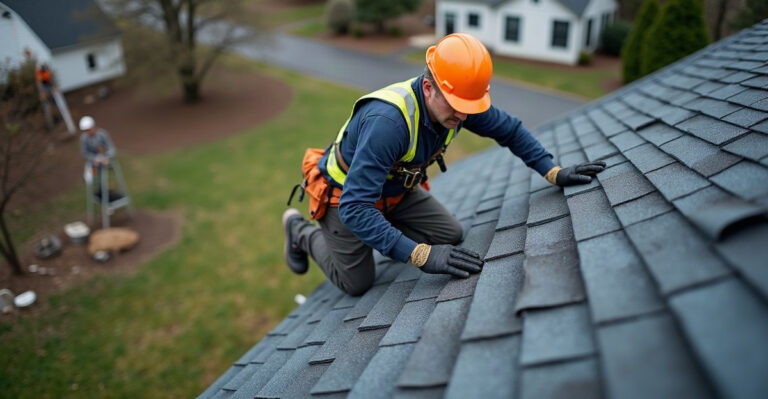
We strongly recommend staying off curled, brittle, wet, steep, storm-damaged, or otherwise compromised shingles. Walking on the roof can break shingles, worsen leaks, and create a serious fall hazard.
Avoid trying to flatten curled shingles with adhesive, nails, heat, or caulk. These methods can damage brittle material, create new openings for water, void warranty coverage, and fail to address ventilation, moisture, or deck concerns beneath the shingles. A safe ground-level inspection image and an attic-ventilation illustration can help show what to observe without climbing onto the roof.
Repair, System Improvements, or Replacement: Choosing the Right Fix
Curling shingles do not automatically mean a full roof replacement. The best option depends on roof age, damage extent, active leaks, decking condition, matching-shingle availability, ventilation, moisture conditions, and long-term maintenance needs.
Targeted roof repair may work well when curling is isolated, the roof is relatively young, matching materials are available, the decking is sound, and the underlying cause can be corrected. Broader repairs or system improvements may be needed if flashing, underlayment, drainage, ventilation, or storm damage contributes to the problem.
Roof replacement can be the more reliable choice when curling is widespread, shingles are brittle or near the end of their service life, leaks keep returning, granule loss is significant, matching materials are unavailable, or roof components are deteriorating. Our roof replacement services help property owners plan for a complete system when repairs no longer offer dependable value. For aging roofs, this guide on whether to repair or replace a 20-year-old roof provides added context.
Frequently Asked Questions About Curled Shingles
Can curling shingles cause a roof leak?
Yes. Curled edges can allow wind-driven rain beneath the shingles, especially where seals, flashing, or underlayment have weakened.
Can curled roof shingles be flattened or glued down?
We do not recommend it. This does not solve the root cause and can create additional damage.
Does poor attic ventilation cause shingles to curl?
High attic heat and trapped moisture can contribute to premature aging and curling, though an inspection should confirm the connection.
Should we replace a roof if only a few shingles are curled?
Not always. Isolated curling may be repairable if the surrounding roof remains in good condition.
How long can a roof last after shingles begin curling?
The answer varies widely by severity, age, weather exposure, and underlying cause. Learn more about shingle roof life in Florida and ways to extend shingle roof life.
Commercial properties also need to account for occupied spaces, business disruption, roof access, drainage, code requirements, and phased work when appropriate. Pricing depends on roof size, pitch, accessibility, material type, roof complexity, damage extent, decking repairs, ventilation upgrades, permits, disposal, and storm conditions.
Central and Northeast Florida homeowners, property managers, and business owners can request a clear repair-or-replacement assessment from Pyramid Roofing FLA.