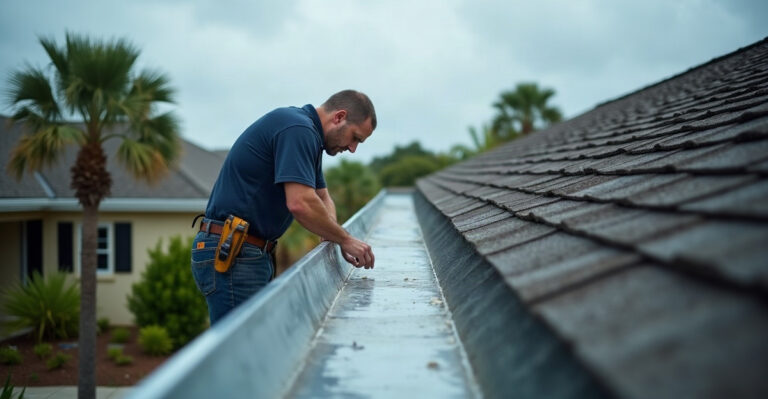
What Are the Most Common Roof Vent Problems in Florida?
Florida’s heat, humidity, storms, and coastal salt air can crack, corrode, loosen, block, or cause roof vents to leak. We recommend a full inspection before replacing a roof vent. The inspection can reveal whether flashing, intake airflow, insulation, or another roof component contributes to the issue.
Key Takeaways
- Failed flashing, loose fasteners, cracked vent housings, damaged seals, and wind-driven rain often cause roof vent leaks in Florida.
- UV exposure can make plastic vent covers brittle. Salt air can speed up corrosion on metal vents, screens, flashing, and fasteners.
- Blocked soffit vents, insulation-covered baffles, debris, and pest nests can restrict intake airflow. These issues can raise attic heat and moisture levels.
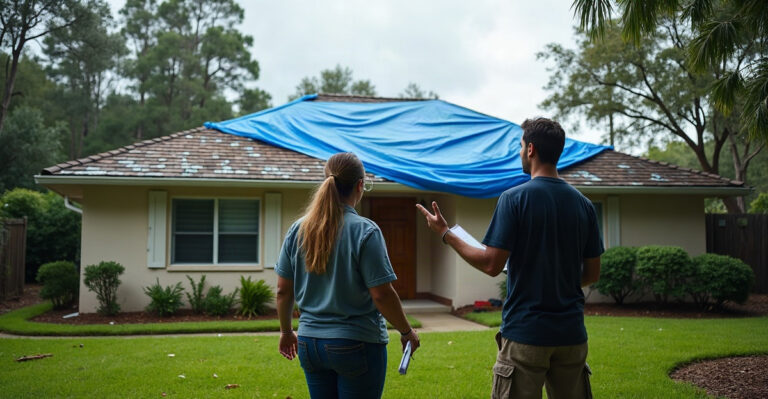
- Storms can shift vents, break caps, loosen parts, or create gaps that let water and pests enter the attic.
- Isolated damage may need only repairs. Cracked, corroded, poorly installed, storm-damaged, or repeatedly leaking vents often need replacement.
Florida’s Heat, Humidity, and Storms Put Roof Ventilation to the Test
Florida roofs face conditions that can wear down ventilation components quickly. Strong UV exposure, year-round humidity, wind-driven rain, hurricanes, tropical storms, algae growth, pest activity, and coastal salt air can damage roof vents in Florida or reduce their performance.
Roof ventilation works as a system, not as one product on the roof. It depends on intake ventilation, often through soffit vents; exhaust ventilation through ridge, box, turbine, powered, or gable vents; attic insulation; air sealing; roof design; and the roof’s overall condition. A problem in any one area can limit the system.
Balanced airflow can help manage attic moisture, support indoor comfort, and protect roof components. Still, ventilation is not a guaranteed fix for high utility bills, active roof leaks, weak insulation, HVAC concerns, or indoor humidity. Our roof ventilation and energy guide explains why attic airflow is one part of a larger home-performance picture.
Coastal properties often experience faster corrosion on metal vents, fasteners, flashing, and screens due to salt air. Across Central and Northeast Florida, UV deterioration, moisture, wind-driven rain, and storm damage remain common concerns. Humidity can also affect roofing materials and attic conditions over time, as covered in our guide on humidity and roofing materials.
Commercial buildings need a separate review. Low-slope roofs, warehouses, retail buildings, and multi-tenant properties may rely on roof assemblies, exhaust equipment, penetrations, insulation, and building-use requirements that differ from a residential attic. A building-specific assessment helps identify the right moisture-management approach.
The Most Common Roof Vent Problems Florida Property Owners See
Storm damage and UV wear often create the most visible common roof vent problems in Florida. Vent covers can crack, loosen, break, or go missing after severe weather. Plastic components may become brittle from sun exposure, while metal parts can rust or corrode.
Roof vent leaks often develop around flashing. Flashing is the material installed around a vent or roof opening to direct water away. If flashing lifts, seals fail, fasteners loosen, or a vent base deteriorates, water may enter the roof system even when the vent itself appears intact. Wind-driven rain can also enter vulnerable vents during hurricanes and tropical storms.
Airflow issues can be harder to spot. Soffit vents are intake openings located beneath the roof’s overhang. Paint, debris, insect nests, and insulation can block these openings. Inside the attic, insulation may cover baffles or restrict intake paths, preventing outside air from moving through the space as intended.
Poorly balanced intake and exhaust can contribute to excessive attic heat, uneven indoor comfort, damp insulation, condensation, mildew odors, and mold-like growth. These symptoms deserve a full review because poor ventilation can damage a roof, but similar signs can also stem from insulation gaps, air leaks, HVAC concerns, or roof leaks.
Screens create another common failure point. A damaged, clogged, or corroded screen can reduce airflow and give birds, rodents, insects, or other animals a path inside. Pest activity near a vent should receive prompt attention before it affects insulation, wiring, or roof components.
Powered attic fans can help in certain applications, but they are not a universal answer. Poor placement, inadequate intake, improper electrical work, or pressure-related effects can make a fan ineffective or create new concerns. We assess intake airflow, exhaust capacity, attic layout, insulation, and pressure effects before recommending powered equipment.
Aging vents may also fall short of current wind-resistance, installation, or manufacturer requirements. Loose fasteners, failed seals, and damaged vent bases can allow water entry long before a vent looks severely worn. In some cases, focused roof repair resolves the issue. Other conditions call for roof vent replacement.
How to Tell Whether a Roof Vent Needs Repair or Replacement
A leaking roof vent needs an inspection before any work begins. Water near a vent may come from the vent itself, but it may also come from damaged shingles, pipe boots, skylights, roof valleys, gutters, storm damage, or another roof penetration.
Signs and Practical Next Steps
These symptoms help us determine whether a repair or replacement may make sense:
- Visible cracks, heavy rust, missing vent caps, loose flashing, or daylight around a vent opening often point to damaged components that need prompt assessment.
- Water stains near ceiling penetrations, recurring leaks near a roof vent, damp insulation, condensation, mildew odors, and mold-like growth can indicate moisture movement or a roof leak.
- Pest activity, torn screens, blocked baffles, and unusually hot attic conditions can signal airflow restrictions or physical vent damage.
- Storm-related displacement, loose vents, broken covers, and failed seals require a close inspection after severe weather.
Repair may be practical when damage is isolated. Resealing flashing, replacing fasteners, repairing screens, clearing obstructions, or correcting a minor seal failure can restore function when the vent body and surrounding roof remain sound.
Roof vent replacement is usually the better long-term choice when a vent body is cracked, heavily corroded, storm-damaged, improperly installed, repeatedly leaking, incompatible with a reroofing project, or no longer suitable for the roof system. Our roof replacement services can include a review of ventilation components during a larger roofing project.
A proper Florida roof inspection considers roof slope, roof design, attic configuration, existing intake and exhaust balance, applicable Florida Building Code requirements, local permitting rules, wind-resistance standards, and manufacturer specifications. There is no single ventilation ratio or vent type that fits every building.
Roof Vent Types Have Different Jobs
Roof vents are not interchangeable. The best roof ventilation plan depends on the roof design, attic layout, building use, wind exposure, and existing airflow balance.
Ridge vents sit along the roof ridge and provide high-point exhaust. They can offer consistent airflow when paired with adequate intake ventilation. Box or static vents are fixed individual roof vents that release hot, moist attic air. Their placement and quantity must match the roof and attic layout.
Turbine vents use wind to move air. They may assist ventilation when properly installed and maintained, though wind exposure and moving parts should be considered. Powered attic vents use mechanical exhaust and need careful review of intake airflow, placement, electrical safety, insulation, attic layout, and pressure effects.
Soffit vents bring outside air into the attic beneath the roof overhang. They should remain free of paint, debris, and insulation. If soffits are damaged or blocked, soffit repairs may be part of the solution.
Gable vents are wall-mounted openings near the roof peak. They can serve a role in certain designs, but they do not automatically work well with every roof system. Bathroom and dryer exhaust penetrations also require separate attention. Those exhausts must vent outdoors through properly sealed roof penetrations and are not replacements for attic ventilation.
Commercial roofs may use roof-mounted exhaust equipment and specialized assemblies rather than residential-style attic vents. We recommend professional roof ventilation services whenever the system’s design or condition is unclear.
What We Can Safely Check Before Calling a Roofing Professional
A visual check can help document roof vent damage without creating unnecessary risk. From the ground, we can look for missing caps, cracked covers, displaced vents, visible rust, loose-looking components, and storm debris.
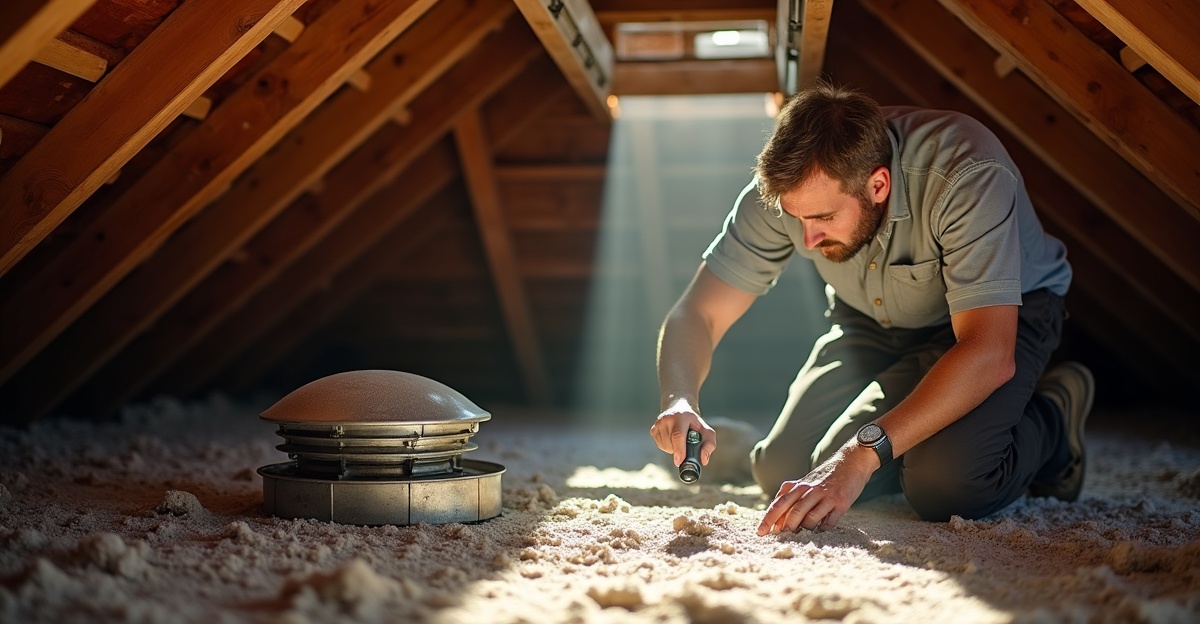
Around the exterior, check soffit openings for paint, debris, or signs of pest activity. Stains near roof penetrations may also provide useful clues. From a safe attic access area, look for water stains, damp insulation, mildew odors, mold-like growth, condensation, visible daylight, blocked baffles, and unusual heat.
Photos taken from a safe location can help document changes after hurricanes, tropical storms, or heavy wind-driven rain. These images are especially useful during a professional storm assessment.
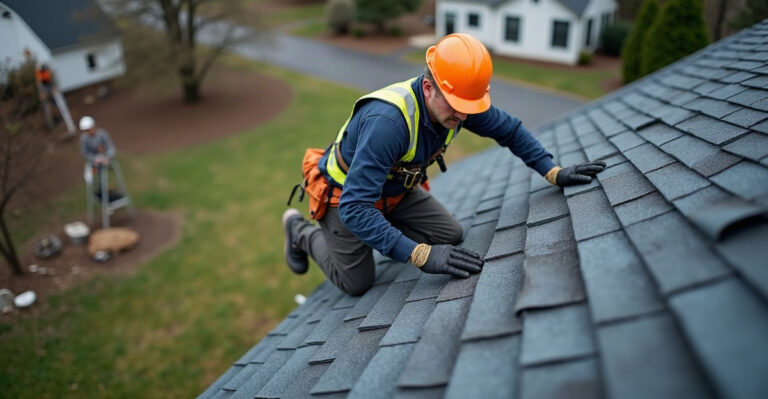
We should not climb on the roof, enter an unsafe attic, handle electrical equipment, remove powered vent components, or attempt emergency storm repairs without proper training and safety measures. Visible symptoms may relate to roof ventilation, but they can also involve insulation, air sealing, HVAC performance, or other roof damage.
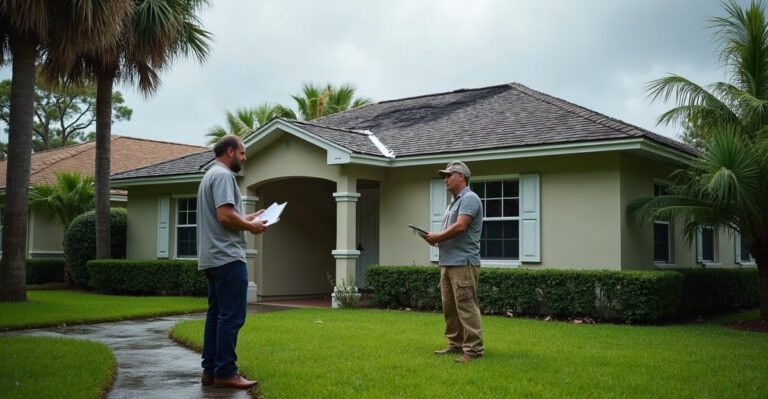
If we find an active leak, recurring moisture, visible storm damage, pest entry, or a deteriorated vent, schedule an attic ventilation inspection rather than assuming a full replacement is necessary. Our storm damage repair team can assess roof and vent concerns after severe weather.
When to Request Professional Attic Ventilation Services in Florida
Professional attic ventilation services near me become important when leaks, moisture, storm damage, or airflow concerns continue despite basic maintenance. Request an assessment for recurring ceiling stains near a vent or penetration, loose or missing vents, wind-driven rain concerns, cracked vent bodies, visible corrosion, failed flashing, pest intrusion, damp insulation, or mildew odors.
Persistent attic heat and uneven indoor comfort also deserve a system-wide review. A qualified inspection can identify whether intake airflow, exhaust capacity, insulation, air sealing, roof damage, or another condition is contributing to the issue. For moisture concerns, our article on roof ventilation and mold prevention offers helpful context.
Before approving roof vent repair or roof vent replacement, we should ask what is causing the problem and what evidence supports that finding. We should also confirm whether flashing, shingles, pipe boots, insulation, air sealing, gutters, or other components contribute to the issue. For powered attic fans, ask whether enough intake airflow exists and whether the fan could create pressure-related concerns.
Any recommended work should account for applicable Florida Building Code requirements, local permitting rules, wind-resistance standards, and manufacturer specifications. Reroofing projects are an ideal time to review whether existing vents still fit the roof system.
Roof vents can leak because of failed flashing, damaged seals, cracked vent bodies, corrosion, storm damage, and wind-driven rain. A damaged vent can cause a ceiling leak, especially when its flashing or base has failed, but an inspection should rule out other leak sources.
Ridge vents are not automatically better than box vents in Florida. The right option depends on roof design, attic layout, intake capacity, wind exposure, and manufacturer requirements. Blocked soffit vents can limit intake airflow and contribute to attic moisture, though moisture should always be evaluated across the entire attic and roofing system.
Salt air can accelerate corrosion on metal vents, flashing, fasteners, and screens. Include roof vents in routine maintenance and have them inspected after significant storms or whenever leaks, moisture, corrosion, or damage appear.
Across Central and Northeast Florida, we can provide clear findings and practical recommendations without assuming replacement is the answer. For recurring vent leaks, storm damage inspections, attic moisture, unusual heat, or pest entry, contact our roofing team to schedule a professional roof and attic ventilation assessment.