Roof Flashing Repair: Signs Your Roof Needs Attention
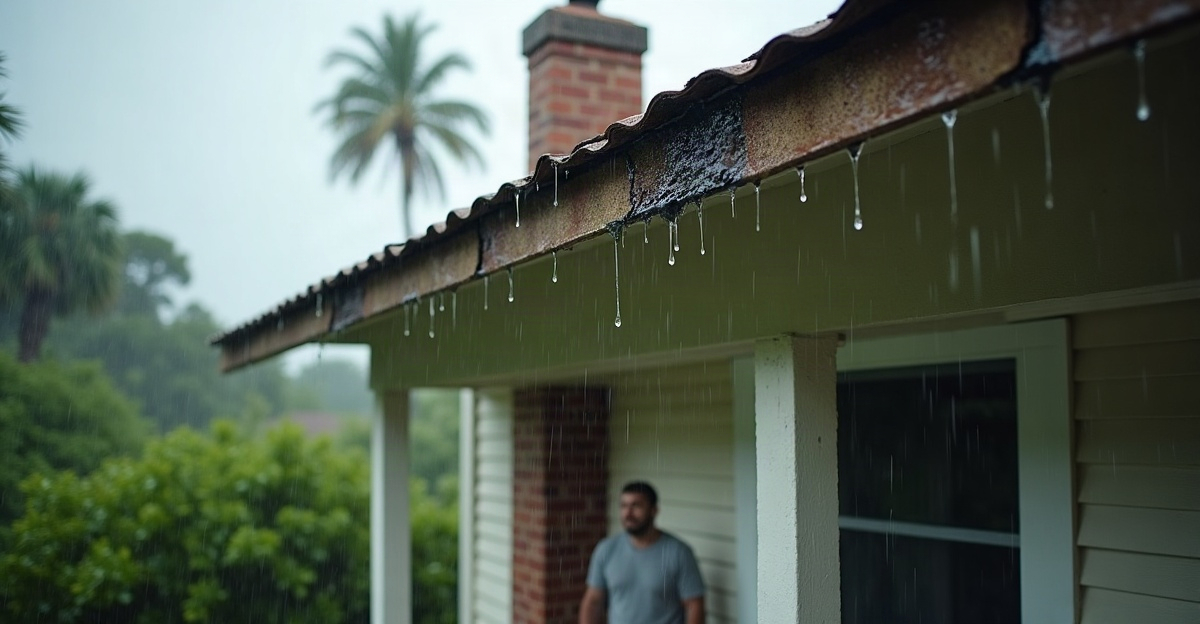
We recommend roof flashing repair when water stains, active drips, damaged sealant, loose metal, or lifted shingles appear near chimneys, vents, skylights, valleys, or roof-to-wall intersections. Florida’s heavy rain, strong winds, hurricanes, intense sun, and coastal salt air can weaken flashing. Water can then move beneath roofing materials before it appears indoors.
Key Takeaways
- Water stains, damp insulation, peeling paint, bubbling drywall, and musty odors can indicate a flashing leak, even if visible damage appears far from the entry point.
- Loose, bent, rusted, cracked, corroded, or missing flashing can require a professional assessment. Failed sealant and lifted shingles also need prompt attention.
- Ground-level observations and indoor photos help us document symptoms safely. We avoid climbing onto wet, steep, or storm-damaged roofs.
- A professional inspection checks flashing, shingles, underlayment, valleys, penetrations, drainage paths, and interior damage. This process helps us locate the actual source of the leak.
- Early, targeted repairs can often correct localized flashing damage. Active leaks or widespread material damage may require more extensive repairs.
Warning Signs That May Point to Flashing Damage
Water stains near a chimney, skylight, vent, or roof-to-wall intersection often point to a problem around a roof transition. Active drips, damp attic insulation, peeling paint, bubbling drywall, or a musty odor after rain also deserve prompt attention.
Roof flashing repair may be needed when metal pieces look loose, bent, rusted, corroded, cracked, or missing. We also watch for cracked, shrunken, or separated sealant around vents, chimneys, and other openings. Missing or lifted shingles near valleys, transitions, and penetrations can leave flashing exposed or allow water beneath the roofing system.
Leaks that begin after hurricanes, strong winds, or heavy rain may signal flashing damage after a storm. Still, flashing is not the cause of every leak. Our guide to roof leak warning signs can help distinguish visible symptoms, while a professional inspection identifies the actual entry point.
Water can travel a surprising distance beneath shingles or underlayment before it reaches a ceiling. That means an indoor stain may sit far from the leaking roof flashing. For that reason, recurring moisture calls for a careful roof leak repair assessment rather than a quick assumption.
Why Flashing Problems Can Lead to Roof Leaks
Roof flashing is material installed at vulnerable intersections to direct water away from openings and transitions. It creates a weather-resistant connection where roofing materials meet walls, chimneys, vents, skylights, and other features that interrupt the roof surface.
Common flashing locations include chimneys, pipe penetrations, skylights, valleys, dormers, roof-to-wall intersections, and vents. Each location handles water differently, so each needs the right flashing arrangement and connection to the surrounding roofing materials.
Step flashing uses small, overlapping metal pieces where a sloped roof meets a wall. Counterflashing covers the top edge of flashing around a chimney or wall, helping stop water from entering behind it. Valley flashing protects the channel where two roof slopes meet and carry concentrated water flow. A pipe boot seals around a plumbing vent pipe that extends through the roof.
A small gap at any of these areas can let rain move below shingles before it appears indoors. Damaged shingles, worn underlayment, failed skylight seals, vent problems, clogged drainage areas, and valley damage can also create leaks. Our article on hidden roof leaks explains why finding the source often requires more than locating the nearest ceiling stain.
Florida Weather Conditions That Affect Roof Flashing
Central and Northeast Florida roofs face intense sun, heavy rain, hurricanes, and wind-driven rain. Heat and UV exposure can dry, crack, and shrink sealants over time. Strong winds can lift shingles, loosen flashing edges, or pull fasteners free. Once water gets beneath these materials, a wind-driven rain roof leak can develop quickly.
Coastal properties face another concern: salt air. Coastal roof corrosion can affect metal flashing and fasteners, especially where existing protective finishes have worn down. Regular visual checks help us catch rust, loose edges, and deteriorating sealant before water reaches the roof deck or interior.
After severe weather, we recommend a calm, prompt assessment if leaks appear, roofing material goes missing, or visible damage develops. A temporary tarp or emergency sealing may limit additional water intrusion after a storm, but it does not provide permanent Florida roof flashing repair. Follow temporary protection with a storm damage roof inspection to identify damaged flashing, shingles, and related roof components.
For a broader view of post-storm concerns, review these common roof damage types. Early documentation and professional evaluation help us make informed repair decisions without jumping to unnecessary large-scale work.
Safe Checks Property Owners Can Make From the Ground
We recommend ground-level observations instead of climbing onto a steep, wet, storm-damaged, or otherwise unsafe roof. Flashing repair often requires lifting roofing materials and working around sharp metal edges, so trained roofers should handle repairs involving sealants, metal, shingles, or underlayment.
From the ground, we can look for displaced shingles, bent or missing metal, debris buildup in valleys or drainage areas, and stains near roof features. Inside, note whether moisture appears around ceilings, exterior walls, chimneys, skylights, or vents. Residential roof leak signs often occur around pipe boots, valleys, wall intersections, and skylights.
Commercial properties need similar attention around parapet walls, roof penetrations, HVAC curbs, drains, and low-slope roof transitions. These details move and drain water differently than steep residential roofs, making a commercial roof flashing repair assessment especially important after severe weather.
Take clear photos from safe locations and note when leaks occur. Does moisture appear only during heavy rain, after wind-driven rain, or after a certain wind direction? Those details help our roof flashing inspection narrow the likely source. We also recommend reviewing common roof damage signs before arranging service.
What Professional Roof Flashing Repair May Involve
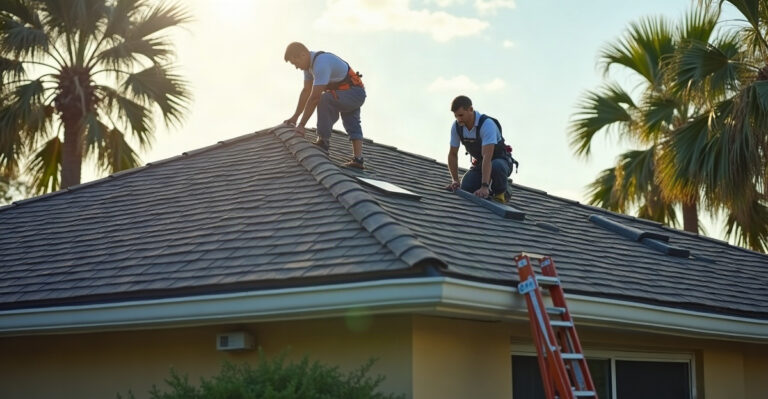
Professional roof flashing repair starts with finding the actual water entry point. We inspect the flashing itself, then examine nearby shingles, underlayment, valleys, penetrations, drainage paths, and interior water damage. This process matters because water may enter at one location and become visible somewhere else.
The right repair may include replacing corroded or damaged flashing, resealing connections correctly, reinstalling lifted shingles, or integrating new flashing with existing roofing materials. Around skylights, proper flashing must work with the unit, roofing surface, and surrounding underlayment. If the skylight itself contributes to the leak, skylight services may be part of the solution.
Caulking over a leak does not always create a lasting repair. Sealant can help in the right application, but it cannot correct severely corroded metal, missing flashing, improperly layered materials, or water moving behind roofing components. The repair method depends on the flashing condition, roof type, pitch, and how water enters the system.
A targeted repair can work well when damage is localized. More extensive work may be appropriate if surrounding roofing materials have failed or water damage has spread. Our roof repair services focus on the condition we find, so we can address the actual issue rather than apply a surface-level fix.
When to Schedule Roof Flashing Repair and What Affects the Scope
Schedule a roof leak inspection promptly for active leaks, recurring stains, loose or missing flashing, visible corrosion, storm damage, or water around roof penetrations. Delaying a confirmed flashing issue can allow moisture to affect roof decking, insulation, ceilings, walls, and nearby roofing materials over time.
Early assessment gives us a clearer picture before damage spreads. It also does not automatically mean a full roof replacement is necessary. In many cases, professional roof flashing repair or flashing replacement can address a contained problem before it affects a larger area.
Roof flashing repair cost factors include the flashing location, roof accessibility, roof type and pitch, material condition, extent of water damage, and whether shingles or nearby components need replacement. Chimneys, vents, skylights, and wall intersections are frequent residential repair areas. Commercial scopes may involve parapet walls, drains, HVAC curbs, penetrations, and low-slope transitions.
Emergency roof repair may be necessary when active water intrusion threatens the interior. For a safe assessment and a clear repair plan, contact our roofing team as soon as flashing concerns appear. We’ll help determine whether the issue is leaking roof flashing or another roof component that needs attention.