
Roof Vent Types: A Guide to Choosing the Right Vent
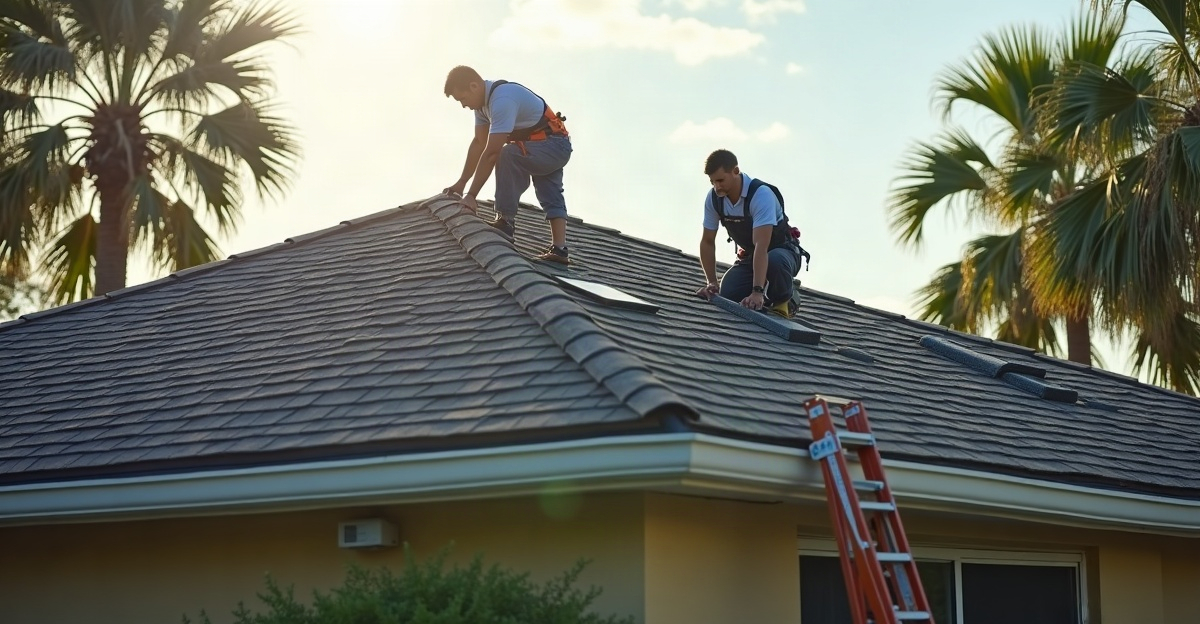
We select roof vent types as part of a balanced system. We bring fresh air through soffit or eave intake vents. Also, we release warm, moisture-laden attic air through correctly placed exhaust vents. In Florida, we assess roof shape, attic layout, roofing material, wind exposure, humidity, and rain resistance before we recommend a ventilation plan.
Key Takeaways
- We balance attic ventilation with both intake and exhaust. Adding exhaust vents without sufficient intake may limit airflow.
- Ridge and soffit vents often work well together on compatible sloped roofs. Gable, box, turbine, powered, and solar vents fit specific roof layouts and site conditions.
- We use net free ventilating area to calculate effective airflow capacity. Screens and louvers reduce each vent’s open area.
- We plan Florida installations for hurricane-force winds, wind-driven rain, coastal corrosion, and compatible flashing details.
- We don’t use ventilation to solve active leaks, poor insulation, ceiling air leaks, HVAC problems, or indoor humidity sources. Those issues need separate inspection and repair.
Please let us know how you would like this content revised or used. We can help with SEO optimization, proofreading, restructuring, adding a meta title and description, improving calls to action, or preparing it for website publication.
Why Roof Ventilation Needs Both Intake and Exhaust
Understanding roof vent types starts with understanding how attic ventilation works as a complete system.
Intake vents allow outside air to enter near the lower portion of the roof. Exhaust vents allow warmer attic air to leave near the upper portion.
A professional roof ventilation plan considers both sides of this airflow path.
Adding more exhaust vents does not necessarily improve performance if there is not enough intake air available.
Why Balanced Airflow Matters
A balanced system helps air move through the attic instead of pulling from unintended areas.
Common intake locations include:
- Soffits
- Eaves
- Continuous intake strips
Common exhaust locations include:
- Ridges
- Upper roof surfaces
- Gable areas
The correct combination depends on roof design and attic configuration.
Soffit Vents Provide Low-Level Intake
Soffit vents are installed beneath roof overhangs and are commonly used as intake vents.
They allow outdoor air to enter near the bottom edge of the attic. That air can then move upward toward the exhaust vents.
Soffit ventilation can work especially well with ridge vents when the roof and attic are suitable for that arrangement.
Keep Soffit Vents Clear
Insulation, stored materials, debris, or damaged soffits can restrict airflow.
Baffles may be needed to help maintain an open path between the soffit vents and attic space.
Damaged exterior components may also need attention. Professional fascia and soffit repairs can address deteriorated areas that affect the roof edge and ventilation system.
Ridge Vents Provide Continuous Exhaust
Ridge vents are installed along the roof peak and allow attic air to escape near the highest point of the structure.
Because warm air naturally rises, the ridge can be an effective exhaust location on compatible sloped roofs.
Ridge vents are often designed to blend into the roofline, making them less visually noticeable than individual roof-mounted vents.
Ridge Vents Need Proper Intake
A ridge vent cannot perform as intended if the attic has limited intake ventilation.
When evaluating this roof vent type, we consider the amount of soffit or eave intake available and how air can travel through the attic.
Roof shape also matters. Complex rooflines with several separated attic areas may require a different approach.
Box Vents Work as Individual Exhaust Points
Box vents, sometimes called static vents, are individual exhaust vents installed through the roof surface.
Instead of creating one continuous exhaust line, several box vents may be spaced across the upper part of the roof.
They can work on roofs where ridge ventilation is not practical.
Proper Placement Is Important
Box vents should be positioned to support even attic airflow.
Installing too few vents may not provide enough exhaust capacity. Placing them incorrectly can also leave parts of the attic with limited ventilation.
Flashing details are especially important because each roof penetration must be installed to resist water intrusion.
Gable Vents Use Openings in Exterior Walls
Gable vents are installed in the triangular end walls beneath a roof peak.
They may provide ventilation for certain attic layouts, especially on structures where soffit or ridge systems are limited.
However, gable vents should not automatically be added to every existing ventilation system.
Vent Types Need to Work Together
Mixing several exhaust systems can sometimes disrupt the intended airflow path.
For example, an attic with ridge vents, box vents, and gable vents may not automatically perform better than one with a properly designed intake-and-exhaust combination.
The system should be evaluated as a whole rather than by counting the number of vents.
Turbine Vents Use Wind to Support Airflow
Turbine vents contain rotating components that move when wind passes over them.
Their movement can help draw air from the attic when weather conditions allow.
These vents do not rely on an electrical power source, but their performance can vary with wind conditions.
Consider Florida Weather Conditions
Florida roofs may experience strong winds, heavy rain, and severe storms.
Any roof-mounted ventilation product should be appropriate for the roof system and expected weather exposure.
Vent construction, attachment, corrosion resistance, and water protection all matter.
Powered and Solar Roof Vents
Powered attic vents use a motor to move air out of the attic.
Solar-powered models use energy from solar panels rather than relying entirely on household electrical power.
These roof vent types can be useful in certain situations, but powered exhaust does not remove the need for adequate intake.
More Airflow Is Not Always Better
A strong exhaust fan operating without sufficient intake may draw air from unintended areas.
Before installing a powered vent, we evaluate the attic layout, intake capacity, ceiling air sealing, and existing ventilation.
The goal is controlled attic airflow rather than simply moving the largest possible volume of air.
How Net Free Ventilating Area Affects Vent Selection
Vent dimensions alone do not tell us how much airflow a product can provide.
Screens, louvers, mesh, and other parts reduce the usable open area of a vent.
Net free ventilating area, often called NFVA, represents the actual open area available for airflow.
Calculate the Whole System
We compare the required ventilation area with the rated capacity of both intake and exhaust products.
This calculation helps determine how many vents may be needed and how intake and exhaust should be distributed.
Different manufacturers and products may have different NFVA ratings even when the vents appear similar in size.
Roofing Material Can Affect Ventilation Details
Vent installation must also work with the roofing material.
Asphalt shingles, metal roofs, tile systems, and other roofing materials can require different flashing or attachment methods.
You can review common roofing types when considering how ventilation fits into the broader roof system.
Avoid Creating New Leak Points
Any vent that penetrates the roof needs compatible flashing.
Poor installation can create a water-entry point even if the vent itself is correctly sized.
For this reason, ventilation should be considered part of the roofing system rather than a separate accessory.
Florida Conditions Affect Roof Vent Choices
Florida homes face conditions that make vent selection especially important.
High humidity, heavy rain, strong winds, and coastal environments can affect materials and installation details.
We consider whether a vent can resist wind-driven rain and whether exposed components are suitable for the local environment.
Coastal Conditions May Require Extra Attention
Salt exposure can increase corrosion risks for some metal components.
Fasteners, vent materials, flashing, and other exposed parts should be selected with local conditions in mind.
Homeowners can review the company’s service area when planning roofing work in Florida.
Roof Ventilation Does Not Fix Every Attic Problem
Ventilation is only one part of attic performance.
Adding new roof vents will not fix an active roof leak, inadequate insulation, air leakage from the home, or an HVAC problem.
These issues require separate investigation.
Look for the Real Source of Moisture
Attic moisture may come from:
- Roof leaks
- Plumbing leaks
- Bathroom exhaust
- Ceiling air leaks
- HVAC problems
- Indoor humidity
- Insufficient ventilation
Identifying the actual cause is important before making changes to the vent system.
The broader roofing services available for a home can help address roof conditions beyond ventilation alone.
Inspect the Existing Ventilation System First
Before adding or replacing vents, we inspect what is already present.
This may include checking:
- Soffit openings
- Ridge vents
- Box vents
- Gable vents
- Attic baffles
- Insulation
- Roof penetrations
- Signs of moisture
We also consider whether previous repairs or renovations changed the way air moves through the attic.
Homeowners can view recent projects to see examples of completed roofing work.
Choose Roof Vent Types as a Complete System
There is no single roof vent that is best for every property.
The right solution depends on the roof shape, attic layout, intake capacity, roofing material, local weather, and existing ventilation.
Pyramid Roofing FLA evaluates these factors before recommending changes.
A balanced system may use soffit vents with ridge vents, while another roof may require box, gable, turbine, or powered ventilation.
The goal is not to install the most vents. It is to create a system that allows controlled intake and exhaust while protecting the roof from weather.
For help choosing suitable roof vent types for your home, contact us to discuss your roof and attic ventilation needs.
Frequently Asked Questions About Roof Vent Types
What are the most common roof vent types?
Common roof vent types include ridge vents, soffit vents, box vents, gable vents, turbine vents, powered attic vents, and solar-powered vents. Each serves a different role depending on the roof and attic design.
Are ridge vents better than box vents?
Not always. Ridge vents can provide continuous exhaust on compatible sloped roofs, while box vents may work better when ridge ventilation is not practical. The available intake ventilation and attic layout also affect the choice.
Do roof vents need soffit vents?
Many exhaust systems need adequate low-level intake, and soffit vents are a common way to provide it. However, the correct intake method depends on the structure. Exhaust vents alone do not guarantee balanced airflow.
Can adding more roof vents improve attic ventilation?
Not necessarily. Adding vents without considering intake, exhaust balance, and airflow paths can fail to solve the problem. In some cases, mixing different exhaust vent types can interfere with the intended ventilation pattern.
Can roof vents prevent all attic moisture problems?
No. Ventilation can help manage attic conditions, but it cannot repair roof leaks, poor insulation, ceiling air leaks, HVAC problems, or indoor humidity sources. These issues need to be identified and addressed separately.