Fixing a Roof Leak: Steps to Stop Further Damage
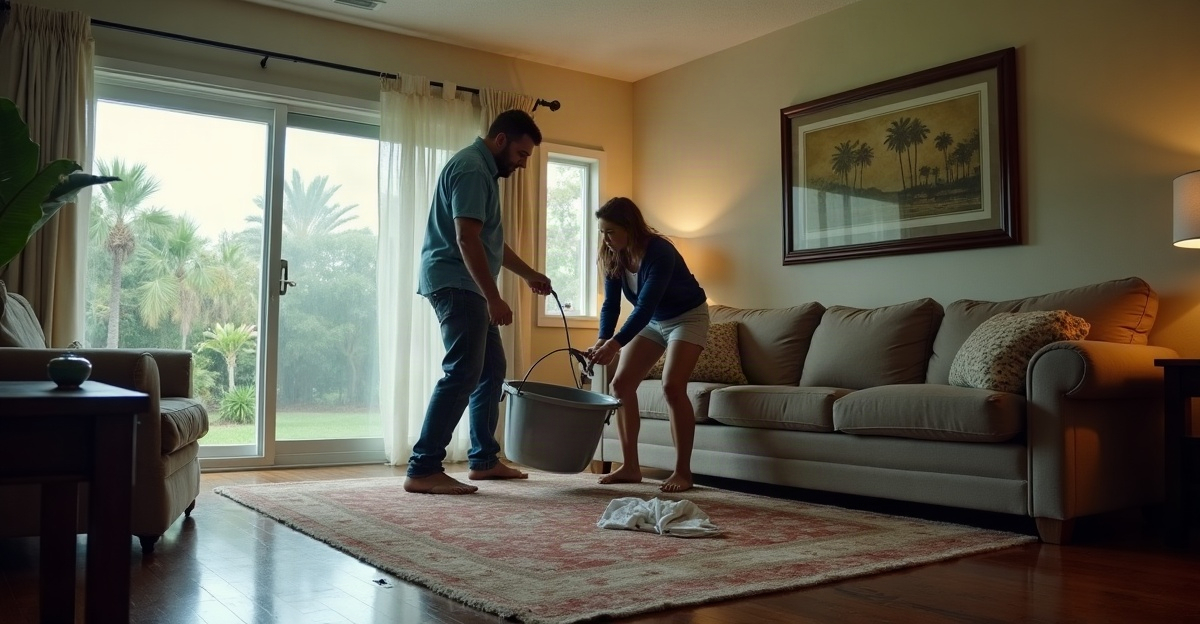
Fixing a roof leak starts with protecting people and property indoors. We contain active water, document the damage, and avoid unsafe roof access. Water can travel far before it creates a ceiling stain. A professional inspection can identify whether roofing, plumbing, HVAC equipment, or condensation caused the leak. This inspection also guides the right repair.
Key Takeaways
- Move valuables away from the leak. Use buckets and towels to contain water. Document damage with photos, videos, weather details, and receipts.
- Stay clear of water near electrical fixtures, outlets, wiring, or bulging ceilings. Contact qualified professionals quickly.
- Don’t climb onto a wet, storm-damaged, steep, or fragile roof. Check conditions safely from the ground or through an accessible attic.
- Florida roof leaks often result from wind-damaged shingles, failed flashing, worn vent seals, clogged gutters, standing water, or storm debris.
- Temporary containment can reduce damage. Lasting repairs require us to locate the true entry point and determine whether a localized repair or roof replacement offers the best value.
Take These Steps First to Limit Water Damage Safely
Fixing a roof leak needs prompt attention, but the safest first steps happen inside the property, not on the roof. Start by moving valuables, electronics, furniture, inventory, and equipment away from the affected area.
Place buckets or waterproof containers beneath active drips. Use towels around the containers to control splashing and help protect flooring. Take photos and videos of the drip, ceiling stains, damaged belongings, and any exterior damage visible from the ground. Record when the leak began and what the weather was doing at the time.
Water near a light fixture, outlet, ceiling fan, wiring, or electrical panel creates a serious safety concern. Don’t touch the affected area. If it can be done safely, turn off power to the affected circuit or contact an electrician or emergency professional.
A bulging or sagging ceiling needs immediate attention. Keep people out of that area and contact qualified help promptly. Do not puncture the ceiling or attempt to release trapped water.
Do not climb on a wet, storm-damaged, steep, fragile, or otherwise unsafe roof. Even a small leak can involve hidden damage, slippery surfaces, or weakened roofing materials. Review roof leak repair safety before considering any hands-on work.
When to Call a Roofer Right Away
Contact a roofing professional promptly if any of these conditions are present:
- Active leaks or water that is spreading indoors
- Storm damage, fallen limbs, or visible missing roof materials
- A sagging, stained, or bulging ceiling
- Recurring leaks or water stains that keep returning
- Water near electrical components
- Widespread staining, mold growth, or musty odors
- Water entering a commercial building during operating hours
Early action helps contain the damage. Roof leak warning signs can help us recognize when a small issue needs professional attention.
Why the Drip May Not Be Directly Below the Roof Leak
A ceiling stain or drip doesn’t always sit directly below the point where water entered the roof. Water can travel along roof decking, framing, insulation, pipes, or electrical pathways before it becomes visible indoors. That means fixing a leak in the roof requires more than finding the stain and looking straight above it.
A stain also doesn’t automatically confirm a roofing problem. Plumbing leaks, HVAC condensation, and moisture from poor ventilation can create similar symptoms. A leak that appears during dry weather deserves a broader inspection to identify the true source.
During an assessment, roofing professionals inspect likely entry points, roof coverings, flashing, drainage paths, penetrations, underlayment, and accessible attic areas. They also look for evidence that water has traveled from another section of the roof. Our guide to hidden roof leaks explains why visible interior damage may tell only part of the story.
Flashing is material, often metal, that directs water away from roof joints and openings. Underlayment is the water-resistant layer beneath shingles or another roof covering. A roof penetration is any opening for a vent, pipe, skylight, or HVAC equipment. A valley is the channel where two roof slopes meet and direct water downward. Decking is the structural wood or other material beneath the roof covering.
Fixing a leak in a roof starts with an accurate diagnosis. Treating the visible drip without finding the water entry point can leave the property exposed to recurring damage.
Common Florida Roof Leak Sources to Watch For
Central and Northeast Florida roofs face heavy rain, wind-driven rain, hurricanes, intense sun, high humidity, and, in coastal areas, salt exposure. These conditions can wear down materials and make a leak harder to trace.
Wind can lift shingles, force rain beneath damaged edges, or push water around flashing and roof penetrations. A roof may appear sound during light rain yet leak during a strong storm because wind changes the direction and pressure of water.
Common leak sources include damaged, cracked, lifted, or missing shingles; deteriorated flashing around chimneys, walls, vents, skylights, and valleys; and worn seals around plumbing vents or exhaust vents. Clogged or damaged gutters can also send water where it doesn’t belong. Scheduling gutter services can help restore proper drainage and reduce overflow near roof edges, fascia, and soffits.
Low-slope commercial roofs may develop ponding water, or standing water that remains after rainfall. Drainage issues, seams, penetrations, and aging roof membranes all deserve a prompt professional review. Our flat roof services address the distinct needs of low-slope systems.
Storm debris, punctures, fallen limbs, aging underlayment, and deteriorated sealants can all lead to water entry. Condensation and plumbing or HVAC leaks may also imitate a roofing issue. Fixing a leak in roof systems calls for careful inspection rather than assumptions based on one visible stain.
What We Can Check Safely From the Ground or Indoors
A safe visual check can provide useful information before a professional arrives. From the ground, look for missing shingles, loose debris, damaged gutters, lifted flashing, or limbs resting on the roof. Don’t use a ladder or step onto the roof to get a closer view.
If an attic is safely accessible, look for water marks on framing, damp insulation, musty odors, visible mold, or daylight near roof penetrations. Note whether the leak appears only during rain, after wind-driven rain, or during dry weather. That timing can help separate a roof concern from a plumbing, HVAC, or condensation issue.
These observations don’t replace a professional roof inspection. They do help us identify patterns and prioritize the most likely sources. If storms caused visible damage, a storm damage assessment can determine whether repairs are needed before the next round of rain.
Commercial roofing concerns require fast, organized action. Property owners and managers should protect occupants, tenants, inventory, equipment, and records. Isolate affected areas where practical, document damage, and arrange a prompt assessment. Active water entry during operating hours can affect safety and disrupt business, especially on low-slope or complex roof systems.
Temporary Protection Helps, but It Is Not a Permanent Repair
Buckets, towels, interior containment, and professionally installed exterior protection can reduce immediate damage. They don’t fix the source of the leak. Temporary measures are not permanent repairs.
A tarp may help protect a damaged area after a storm, but only when conditions are safe and preferably when installed by an experienced professional. Sealants and small patches can have a place in limited situations, yet they may fail over time, conceal deterioration, or leave the actual entry point unresolved.
A lasting repair may involve replacing damaged shingles or roof materials, repairing flashing, sealing a roof penetration, correcting drainage, or replacing compromised underlayment or decking. The right approach depends on what the inspection finds.
Professional roof repair helps property owners identify the source and understand practical options without assuming every leak requires a full replacement. We believe clear answers and sensible recommendations matter, especially after a stressful storm. For urgent situations, review emergency roof repair costs to understand the factors that can affect the response and repair process.
When Repair Makes Sense, When Replacement May Be Better, and What to Document
Many leaks are repairable when damage is localized and the rest of the roof remains in good condition. Repair often makes sense for isolated flashing failures, limited shingle damage, a single penetration issue, or minor storm damage.
Replacement may offer better long-term value when leaks keep returning, materials show widespread deterioration, storm damage is extensive, decking is compromised, or repeated repairs no longer hold up. Roof age, accessibility, slope, material type, hidden water damage, permit needs, and storm conditions can all affect repair costs and the best path forward.
A professional inspection should guide the repair-versus-replacement decision. Our roof replacement services are available when inspection findings show that repairs no longer provide reliable protection. For localized concerns, learn about signs of needed leak repair and act before water damage grows.
Keep photos, videos, receipts, weather details, and notes about when the leak was discovered. This documentation can support an insurance claim. Coverage depends on the policy, cause of damage, deductible, exclusions, and insurer evaluation. Documentation supports the process, but it can’t guarantee coverage or claim approval.
If a property has an active leak, storm damage, recurring water stains, or concerns about roof condition, schedule a professional roof inspection with Pyramid Roofing FLA. A qualified assessment can identify the source of the problem and help us understand the most practical repair options.