Are Metal Roofs Noisy When It Rains: What to Expect?
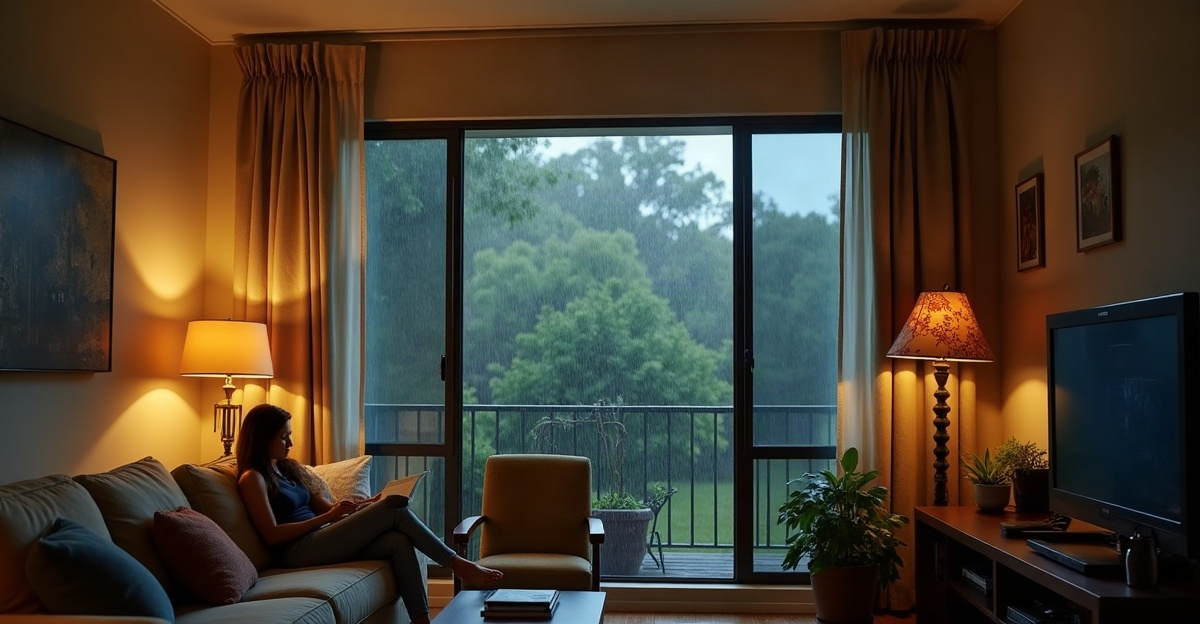
Metal roofs can produce some rain sound, but a finished, insulated home keeps indoor noise at a manageable level. Solid decking, underlayment, attic space, insulation, and drywall limit sound transfer before it reaches living areas.
Metal roofs sound louder over open framing. Sheds, porches, garages, and some commercial buildings have fewer layers between the panels and the interior. That setup allows rain noise to carry more easily.
Key Takeaways
- A metal roof’s indoor noise level depends on the complete roof-and-ceiling assembly, not the metal panels alone.
- Solid decking reduces rain noise more effectively than open purlins or exposed framing.
- Insulation, underlayment, attic space, and drywall absorb and block sound before it reaches interior rooms.
- Heavy Florida thunderstorms create audible noise on any roof, but correct installation keeps the sound less disruptive indoors.
- Roof design must also address wind uplift, water management, ventilation, and local installation requirements.
The Short Answer: Modern Metal Roofs Are Not Automatically Loud Indoors
Metal roofs can be audible during rain, but a properly designed and installed modern metal roof often is not dramatically louder indoors than other common roofing materials. The sound outside is different from the sound that reaches a living room, office, retail space, or warehouse.
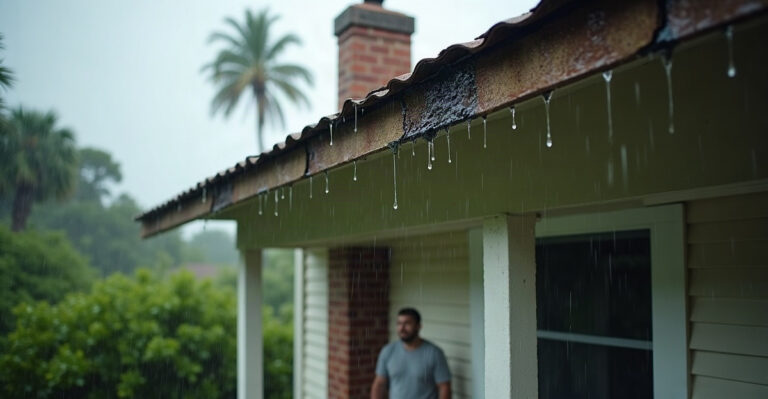
When we ask, “Are metal roofs noisy when it rains?” the answer depends on the full roof-and-ceiling assembly, not the panels alone. Heavy rain and Florida thunderstorms will make some sound on any roof. Quality insulation and underlayment reduce sound transfer, but no roof system makes a major storm completely silent.
A finished home typically has several sound-softening layers: roof decking, metal roof underlayment, attic space, insulation, and drywall. That is very different from a bare metal roof over open framing. For property owners comparing materials, our guide on metal versus shingle longevity also helps put noise, service life, and maintenance into perspective.
What Determines How Loud Rain Sounds Inside
Solid Decking Versus Open Framing
Solid decking versus open framing makes one of the biggest differences in metal roof rain noise. Solid decking usually consists of plywood or similar structural sheathing installed beneath the metal panels. It creates a substantial layer that helps limit sound transmission into the building.
Purlins are horizontal framing members that support roofing panels. A metal roof over open purlins may leave open space directly beneath the panels, allowing rain impacts to travel more freely into the structure. This setup can work well for some agricultural, storage, porch, and utility buildings, but it usually produces more noticeable rain sound than a decked residential roof.
Layers Between the Roof and the Room
Attic insulation and ceiling insulation absorb and block some sound before it reaches occupied areas. Drywall ceilings and attic air space add additional separation. Together, these layers often make metal roof noise in a house far less noticeable than people expect.
Underlayment is the protective material installed between metal panels and roof decking. A quality metal roof underlayment supports moisture protection and can also help limit sound transfer. Roof slope, panel profile, building layout, and whether metal is installed over an existing roof system can also affect the result.
Installation quality matters throughout the assembly. Secure fastening limits panel movement and vibration. Sound roofing details also protect the roof’s long-term performance, including proper ventilation and well-finished flashing around vulnerable areas.
What to Expect in Homes, Sheds, and Commercial Buildings
An insulated home with solid decking usually softens rainfall through its complete roof-and-ceiling system. Decking, underlayment, attic insulation, and a finished drywall ceiling work together, so the indoor experience is often comfortable even during steady rain.
A shed, porch, barn, uninsulated garage, or other open-frame structure has fewer barriers between the panels and the occupied space. In these settings, rain may sound noticeably louder. That does not mean the roof is failing; it reflects the building’s simpler construction.
Are commercial metal roofs louder than residential metal roofs? They can be, especially where exposed metal decking, tall ceilings, or large open spans allow sound to reflect through the space. Warehouses, retail buildings, and workshops may need added insulation, acoustical ceiling systems, or other sound-control planning. Commercial metal roofing should account for the building’s intended use before panel selection begins.
A metal roof over an existing roof may have different sound characteristics than one installed directly over open framing. The added materials can help change sound transmission, but this approach must suit the existing roof condition, local requirements, and proposed roofing system. A professional roof repair assessment can identify damaged decking or moisture concerns before a new system moves forward.
How to Reduce Rain Noise With the Right Roof Assembly
The most effective metal roof sound reduction starts with planning the whole system rather than selecting panels based on noise concerns alone. We recommend evaluating the roof deck, underlayment, insulation, attic conditions, ceiling construction, and fastening method as one connected assembly.
Does insulation make a metal roof quieter? Yes, insulation can reduce the sound that reaches interior rooms. Attic insulation, ceiling insulation, drywall, and air space between the roof and ceiling all help soften rain noise. Solid decking and quality underlayment add another useful layer.
Panel profile and roof design can influence how rain strikes the surface, but they cannot replace a well-built assembly. Metal roof installation quality remains essential. Properly fastened panels help prevent movement, vibration, and avoidable performance concerns during wind and rain.
Metal roof flashing and underlayment deserve equal attention. Flashing details around penetrations, valleys, roof-to-wall transitions, chimneys, vents, and skylights direct water away from vulnerable areas. For new construction or a full reroof, our roof installation services focus on the full system, from the supporting structure to the finished roof surface.
Rain Noise Is Only One Part of Choosing a Metal Roof in Florida
For Central and Northeast Florida roofing decisions, rain sound is one consideration among several. Hurricane-season conditions, wind-driven rain, heat, coastal exposure, and storm damage potential also deserve careful planning. Our overview of Florida roofing materials explains why the right material depends on the property and its conditions.
Florida metal roofing systems must meet product-specific installation requirements. A metal roof wind uplift rating depends on the panel system, fastening pattern, deck or framing condition, roof geometry, and installation method. We should never assume every metal roof automatically meets the same wind requirements.
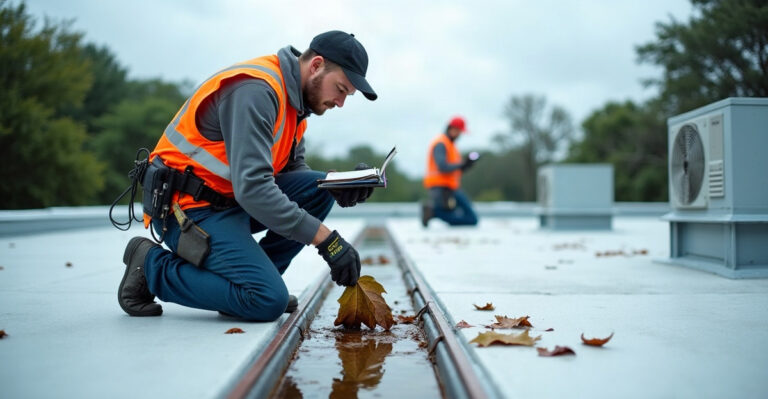
Driving rain tests the details as much as the panels. Underlayment, penetrations, valleys, flashings, and roof-to-wall transitions must work together to manage water. Flat and low-slope buildings need their own approach; our discussion of flat roofs and heavy rain outlines why drainage and roof design matter.
Metal roof energy performance also depends on the entire building assembly. Insulation, roof color, attic design, and airflow affect comfort and cooling demand. Effective roof ventilation can support better heat and moisture management, while our guide on ventilation and energy bills provides further context.
Long-term value includes maintenance needs, repair access, potential lifespan, and warranty terms. Manufacturer and workmanship warranties vary by product and installation. Insurance eligibility and possible discounts also vary by insurer, property, location, and roofing system. For metal roof lifespan expectations, see metal roof life in Florida. Coatings may help in certain situations, but they are not a universal answer; learn more about metal roof coatings before planning that work.
Questions to Ask Before Installing a Metal Roof
Clear questions help us compare proposals based on the full roofing system instead of the panel type alone. During a metal roof inspection, we should ask how the contractor will address existing conditions, local wind demands, sound control, and water management.
Key Questions and Quick Answers
Bring these questions to discussions with a metal roofing contractor:
- Will panels be installed over solid decking or open framing? Solid decking generally helps reduce indoor rain sound compared with open framing.
- What underlayment will be used? The underlayment should suit the roof system, slope, climate, and water-management needs.
- What insulation and ceiling conditions affect sound? Attic insulation, ceiling insulation, drywall, and attic space can all reduce sound transfer.
- Does the decking need repair or replacement? Damaged or deteriorated decking should be addressed before installation.
- How will flashing and transitions be handled? Ask about penetrations, valleys, roof-to-wall areas, chimneys, vents, and skylights.
- Are metal roofs louder than shingles when it rains? They can be more audible in open-frame buildings, but a finished insulated home may experience only a modest difference.
- Why does rain sound louder on some metal roofs? Open purlins, limited insulation, exposed ceilings, and large interior spaces allow more sound through.
- Are metal roofs noisy during Florida thunderstorms? Severe storms are audible on any roof. A well-built assembly can make the interior sound less intrusive.
- Which panel system fits local wind conditions? The recommendation should reflect the property’s design, roof structure, and applicable requirements.
- What warranties apply? Request clear details on both manufacturer coverage and workmanship coverage for the specific installation.
For property owners considering a metal roof replacement, we can review whether the current roof structure supports the proposed system. We also offer guidance on metal roofing options and other roofing types, including shingle roofing systems where they better fit the property.
For property owners comparing roofing options in Central or Northeast Florida, ask for a clear explanation of the proposed metal roof assembly, not just the panel type. Pyramid Roofing FLA can evaluate the roof structure, discuss sound-related considerations, and recommend an option suited to the property through our roofing consultation.