Seamless Gutters vs Regular Gutters: Which Lasts Longer?
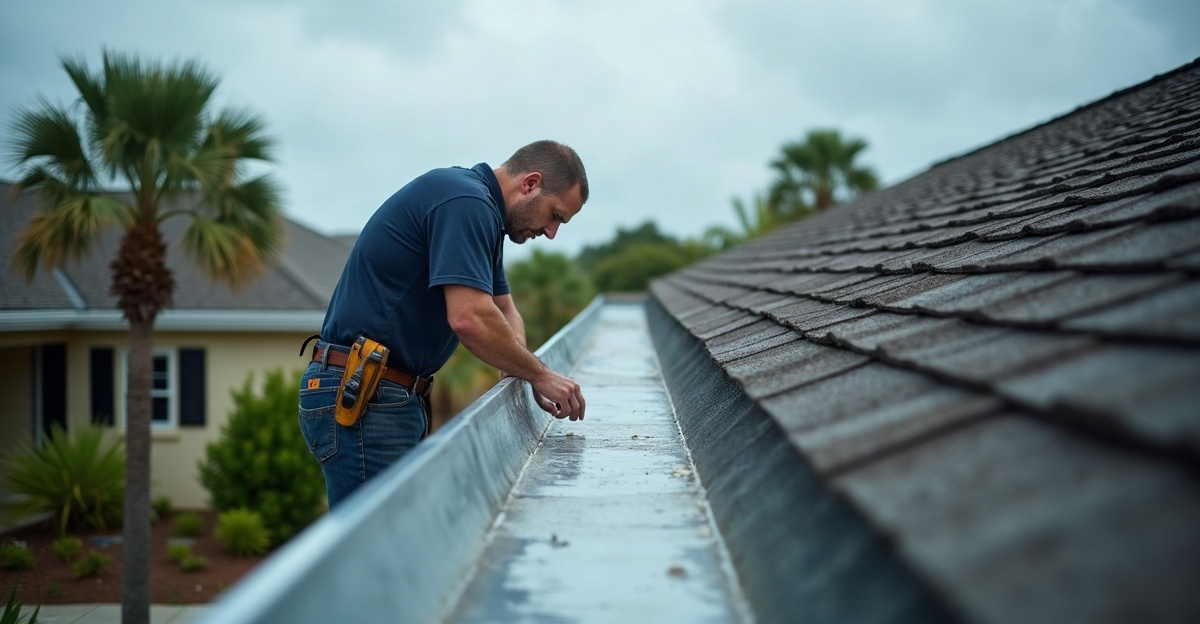
In a seamless gutters vs. regular gutters comparison, seamless systems often last longer because they have fewer seams along each run. Fewer seams can mean fewer leaks and less resealing. Still, Florida gutter durability also depends on material, drainage design, installation quality, storm exposure, and routine maintenance.
Key Takeaways
- Seamless gutters reduce seams along long runs. Corners, end caps, outlets, and downspout connections can still develop leaks.
- A correctly sized and securely installed sectional gutter system can last longer than a poorly planned seamless system.
- Heavy rain, hurricane winds, debris, humidity, and coastal salt air can reduce gutter life without suitable materials and regular inspections.
- Aluminum remains a popular Florida option because it resists rust. Copper, steel, and vinyl each offer different costs, service lives, and maintenance needs.
- The best long-term option depends on roof runoff, valleys, fascia condition, downspout placement, budget, and the property’s exposure to storms and debris.
What Lasts Longer: The Straight Answer for Florida Properties
Seamless gutters commonly have fewer leak-prone seams than sectional gutters, so they may need less joint resealing over time. Still, seamless gutters do not automatically last longer on every Florida property.
Material, installation quality, drainage design, storm exposure, corrosion, and routine upkeep all have a major effect on service life. A well-installed sectional system can outlast a poorly designed seamless system. For Central and Northeast Florida homes and businesses, the best choice starts with how the roof handles rainwater, not just the number of gutter seams.
Seamless gutters are long gutter runs formed on-site as continuous pieces. They still include joints at corners, end caps, outlets, and downspout connections. Those areas can leak, loosen, or need resealing. Regular, or sectional, gutters use pre-cut pieces assembled together. They have the same connection points plus seams between each gutter section along longer runs.
Both systems protect far more than the roof edge. Proper gutters help manage water around fascia, siding, landscaping, foundation areas, walkways, and the building exterior. Poor drainage can create problems that spread well beyond a gutter line, which is why we recommend considering gutter impact on roof health during any repair or replacement decision.
There is no guaranteed lifespan for either option. Results depend on the material, local climate, exposure to wind and salt air, installation details, and how consistently the system is cleaned and inspected.
Seamless vs. Sectional Gutters at a Glance
| Feature | Seamless Gutters | Sectional Gutters |
|---|---|---|
| Joints | Continuous long runs, with joints at corners, end caps, outlets, and downspout connections. | Those same connection points, plus seams between pre-cut gutter sections. |
| Typical leak risk | Fewer long-run seams can reduce leak opportunities, but the system is not leak-proof. | Additional seams create more places where sealant can age or joints can separate. |
| Installation method | Custom formed on-site to fit the building. | Assembled from pre-cut components. |
| Repair flexibility | Damaged runs may require a custom replacement section. | Individual pieces can often be easier to replace or modify. |
| Upfront cost | Often higher because custom fabrication and professional installation are involved. | Often a lower-upfront-cost option. |
| Maintenance | Needs cleaning, inspections, and downspout flow checks. | Needs the same care, with added attention to joint sealant. |
| Material availability | Aluminum is especially common. | Vinyl, aluminum, and steel are widely available. |
| Best fit | Homes, offices, retail properties, warehouses, wooded lots, and properties needing custom drainage planning. | Budget-focused projects, smaller repairs, rentals, or buildings likely to need future changes. |
| Long-term value | May reduce joint resealing and some leak repairs along long runs. | Can offer economical repairs, though more seams may require periodic attention. |
In the seamless gutters vs. regular gutters comparison, neither option is inherently better for every building. Sectional gutters are not poor quality by default. A correctly sized, securely installed, and maintained sectional system can provide practical drainage for many properties.
Several terms help us evaluate either system. Fascia is the board along the roof edge where gutters commonly attach. Pitch, also called slope, is the slight angle that moves water to the downspouts. Hangers are brackets that secure gutters to the fascia. Downspout outlets are openings that send gutter water into downspouts. Roof valleys are locations where two roof slopes meet and concentrate runoff into one area.
What Usually Makes Gutters Fail Sooner in Central and Northeast Florida?
System design often matters as much as the seamless gutter vs. regular gutters decision. Gutters need the right size, adequate downspouts, proper slope, secure hangers, sound fascia attachment, and discharge points that move water away from the building.
Poor pitch can leave standing water inside a gutter. Loose or widely spaced hangers can allow sagging. Undersized gutters or too few downspouts can overflow during hard rain. Clogs block water flow, while aging sealant can fail at seams, corners, end caps, and outlets. Storms may dent gutters, crack materials, or pull the system away from the fascia.
Florida weather adds pressure. Heavy, fast-moving rain can overwhelm an undersized system in minutes. Hurricane-season winds can loosen fasteners and strain gutter attachments. Humidity and frequent wet conditions make prompt cleaning especially important. Pine needles, oak leaves, palm debris, and roof granules can clog gutters and downspouts. Near the coast, salt exposure makes corrosion-resistant materials, fasteners, and regular inspections even more important.
Roof pitch, valleys, runoff volume, hanger spacing, fascia condition, and downspout discharge all affect performance. Damaged fascia can compromise a gutter installation, so we often recommend addressing fascia and soffit repairs before installing new gutters where needed.
A well-planned system reduces avoidable maintenance issues. No gutter system is maintenance-free, especially in storm-prone Florida conditions.
Material Choices That Affect Durability
Material selection can influence longevity just as much as seamless vs. regular gutter construction. We should compare material gauge, hanger type, and fastener quality instead of assuming every gutter product performs the same way.
Aluminum is common in Florida because it does not rust. It is lightweight, versatile, and well suited to seamless fabrication. However, aluminum can dent and may pull out of alignment if installers use poor fastening methods or storms cause damage. Coastal properties still need corrosion-resistant fasteners and ongoing inspections.
Copper is durable and visually distinctive, though it usually carries a higher cost. It develops a natural patina over time and can be a strong fit for premium or historic-style properties. Galvanized steel offers strength, but compromised coatings can allow corrosion, particularly in humid or coastal locations.
Vinyl is often lower in cost and easy to source. Product quality varies, and vinyl may be less suitable for high runoff volumes, intense heat exposure, or demanding storm conditions. For every material, we should weigh coastal salt air, maintenance access, budget, appearance, storm exposure, and expected water volume from the roof.
When Each Gutter Type May Be the Better Long-Term Choice
Seamless gutters may be worth the investment on long gutter runs, properties with recurring joint leaks, and buildings where a cleaner exterior appearance matters. They can also be a practical choice for wooded lots that collect frequent debris and for roofs with valleys or high-volume runoff areas that need a custom drainage plan.
Regular gutters vs. seamless gutters may favor sectional systems on budget-sensitive projects, smaller repairs, and buildings where future changes are likely. Readily available components and simpler piece-by-piece repairs can make sectional gutters a sensible option where the drainage design supports them.
Residential homes, retail buildings, warehouses, rentals, inland properties, coastal properties, and heavily wooded lots each present different needs. We evaluate joint condition, end caps, corners, outlet connections, sagging, fasteners, fascia integrity, overflow patterns, roof valleys, downspout placement, and discharge areas before recommending a path forward.
A professional gutter service assessment can identify whether repairs, a drainage redesign, or replacement makes the most financial sense. If roof-edge damage, active leaks, or storm impact are also present, our roof repair services can address connected issues before they become larger exterior-water-management problems.
Maintenance, Warning Signs, and Questions to Ask Before Installation
Wooded lots and storm-prone properties often need more frequent checks than open, sheltered locations. We should not rely on a universal cleaning schedule. Instead, we should inspect the system after heavy rain, major wind events, and periods of significant leaf or needle drop. Our guide on roof maintenance after installation also explains why regular exterior inspections matter.
Maintenance Checklist and Installer Questions
Before and after installation, use these practical checkpoints:
- Clear debris from gutters and downspouts, then test water flow.
- Inspect gutters after major storms for dents, loose hangers, and shifted sections.
- Look for peeling paint, staining, or soft areas near the fascia.
- Check for standing water, sagging, recurring overflow, or visible dripping at corners and seams.
- Confirm downspout extensions direct water away from the structure, walkways, and landscaping.
- Schedule professional help when access is unsafe or drainage problems continue.
- Ask what gutter size and downspout layout fits the roof’s runoff volume.
- Ask how roof valleys and other high-volume areas will be handled.
- Ask which material, gauge, hangers, and fasteners will be used.
- Ask how installers will secure gutters without damaging the fascia.
- Ask what the warranty includes and what maintenance it requires.
- Ask whether existing drainage or fascia issues need correction before installation.
Recurring overflow, corrosion, cracks, persistent staining, washed-out landscaping, gutters pulling away from fascia, and downspouts draining too close to the building all justify a professional assessment. We should also inspect storm-damaged systems promptly through storm damage repair services, especially after high winds or heavy rainfall.
If your gutters are overflowing, sagging, leaking at seams, pulling away from the fascia, or showing corrosion, schedule a professional gutter assessment with Pyramid Roofing FLA. A site-specific inspection can determine whether targeted repairs, improved drainage design, or replacement is the most practical next step. You can contact Pyramid Roofing FLA to discuss your property’s drainage needs, verify current licensing and insurance information, and review applicable workmanship and material warranty details before work begins.