Best Energy Saving Roofing Systems for Florida Properties
Energy saving roofing systems Florida property owners choose must withstand intense sun, high humidity, heavy rain, salt air, and hurricane-force winds while cutting heat gain and easing HVAC demand. We select energy saving roofing systems for Florida properties that balance solar reflectance, thermal emittance, code-compliant wind resistance, and long-term durability so residential and commercial buildings perform consistently.
Key Takeaways
- Cool roofs with high solar reflectance and thermal emittance reduce heat transfer, but we see insulation quality and ventilation drive overall energy savings.
- Metal, tile, reflective shingles, TPO/PVC membranes, coatings, and modified bitumen each deliver different lifespans, costs, and ideal applications based on building type and location.
- Florida Building Code compliance, tested wind uplift ratings, and resistance to coastal corrosion remain critical factors in system selection.
- Commercial properties focus on large-scale heat reduction and membrane performance, while residential projects balance efficiency, curb appeal, and structural load limits.
- Long-term value depends on precise installation, consistent maintenance, and an honest review of total ownership cost rather than upfront price alone.
How Energy Efficient Roofing Performs in Florida’s Climate
Energy saving roofing systems Florida property owners rely on must stand up to intense sun, high humidity, torrential rain, salt air, and hurricane-force winds. Our climate demands roofing that controls heat while staying secure in severe weather.
Heat gain is the transfer of solar heat into a building through the roof. As sunlight hits the surface, the roofing material absorbs and transfers that heat into the attic or interior space. Indoor temperatures rise. HVAC systems run longer. Utility costs follow.
Several key terms help explain performance:
- Solar reflectance measures how much sunlight a roof reflects away from the building. Higher reflectance means less heat absorption.
- Thermal emittance describes how effectively a roof releases absorbed heat. Materials with high emittance cool down faster after sunset.
- Cool roofing systems combine high solar reflectance and high thermal emittance. These systems reduce surface temperatures and limit heat transfer into the structure.
We break this down further in our guide to the benefits of a cool roof.
Roofs account for a significant portion of heat gain in Florida buildings. That impact is even greater in low-slope commercial properties where large surface areas receive direct sunlight all day.
Energy bill reductions vary. Savings depend on insulation levels, HVAC efficiency, roof color, attic ventilation, and building size. A reflective roof alone will not fix poor insulation or inadequate airflow. We look at this closely when evaluating how roof ventilation affects energy bills.
Florida Building Code requirements also shape material selection. Wind uplift ratings, impact resistance, and fastening methods must comply with hurricane-prone standards. Insurance providers often consider these ratings as well.
Coastal properties face added pressure. Salt air accelerates corrosion, especially on improperly coated metal systems. UV exposure is stronger near the coast, and wind-driven rain tests seams and fasteners. Inland properties still endure high heat and storms, but material durability priorities may differ. Selecting the right system starts with understanding the building’s exact environment.
Top Energy Saving Roofing Systems for Florida Properties (Pros, Cons, Lifespan, Ideal Use)
We help property owners compare performance, longevity, and total value before deciding. Below are common energy efficient roofing options across Florida.
System Comparison Overview
Cool / Reflective Asphalt Shingles
- Lifespan: 15–30 years depending on product and maintenance.
- Cost range: Low to mid.
- Pros: Affordable upgrade. Widely available. Improved reflective performance without major structural changes.
- Cons: Shorter lifespan than metal or tile. Energy performance depends on color and attic insulation quality.
- Ideal for: Suburban homes wanting a practical, cost-effective roof replacement.
Metal Roofing (Standing Seam, Aluminum for Coastal Areas)
- Lifespan: 40–70+ years with proper maintenance.
- Cost range: Mid to high.
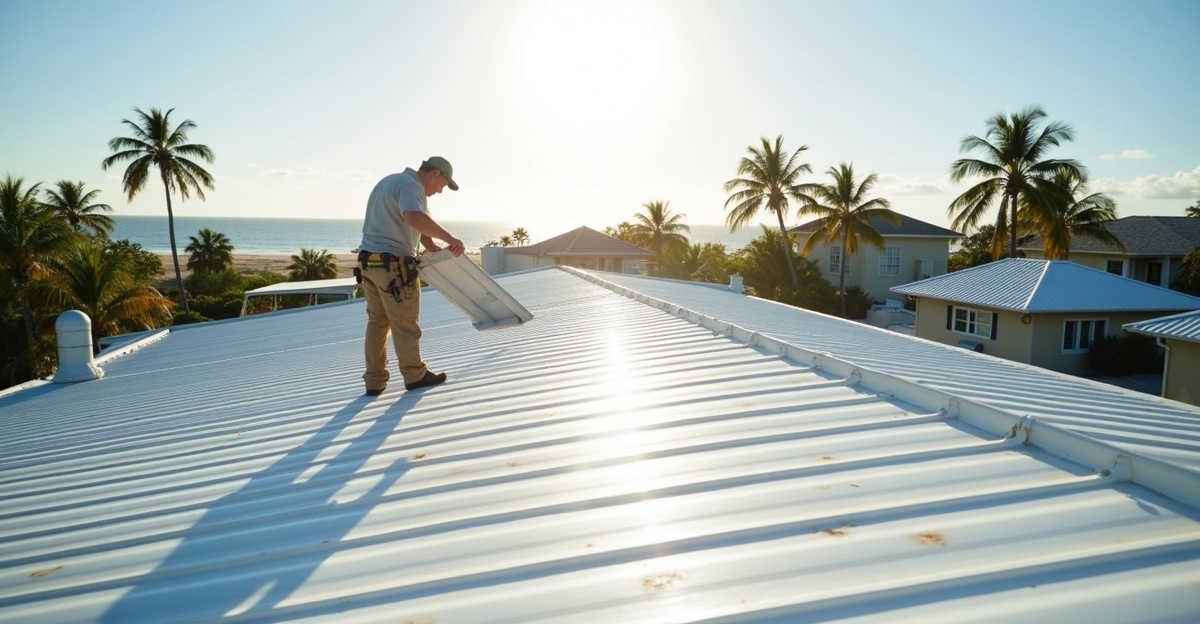
- Pros: High reflectivity. Durable in storms. Lightweight. Recyclable. Aluminum performs well near saltwater due to corrosion resistance. Learn more about our metal roofing systems.
- Cons: Higher upfront cost. Requires experienced installation to meet wind uplift compliance.
- Ideal for: Residential and light commercial properties prioritizing longevity and hurricane resistance.
Clay and Concrete Tile Roofing
- Lifespan: 40–50+ years.
- Cost range: Mid to high.
- Pros: Natural thermal performance. Air gap under tiles improves ventilation. Strong curb appeal.
- Cons: Heavier system. Structure must support weight. Higher installation cost.
- Ideal for: Mediterranean or coastal-style homes across Florida.
TPO and PVC Single-Ply Systems (Commercial Flat Roofs)
- Lifespan: 20–30 years.
- Cost range: Mid.
- Pros: Highly reflective white membranes. Heat-welded seams offer excellent waterproofing. Ideal for large buildings.
- Cons: Requires skilled installation. Puncture risk if maintenance is neglected.
- Ideal for: Retail centers, warehouses, offices throughout Central and Northeast Florida.
Roof Coatings (Silicone, Acrylic, Elastomeric)
- Lifespan: 10–20 years depending on product and recoat schedule.
- Cost range: Low to mid compared to full replacement.
- Pros: Restores existing roof. Improves reflective performance. Minimizes disruption to operations. Explore our roof coating services to extend roof life.
- Cons: Not suitable for severely damaged roofs. Requires scheduled reapplication to maintain performance.
- Ideal for: Extending life of commercial roofs in good structural condition.
Modified Bitumen (Select Flat Roofs)
- Lifespan: 15–25 years.
- Cost range: Mid.
- Pros: Multi-layer protection. Can include reflective cap sheets for better heat control.
- Cons: Heavier system. Standard dark surfaces absorb more heat without reflective upgrades.
- Ideal for: Low-slope residential additions and certain commercial buildings.
Each system has strengths. The right fit depends on structure, location, and long-term plans. We often guide property owners through best roof options for energy savings based on those factors.
Residential vs. Commercial Energy Saving Roof Options
Residential and commercial buildings have different priorities.
Homes focus on appearance, HOA guidelines, attic ventilation, and property value. A reflective shingle or metal upgrade can reduce heat load, but insulation and ventilation are equally important. Without proper airflow, even high-reflective materials lose efficiency. We often recommend pairing upgrades with professional roof ventilation improvements to maximize results.
Commercial properties deal with scale. Large flat surfaces absorb intense heat. Reducing rooftop temperatures directly lowers cooling demand for expansive interior spaces. Wind uplift ratings are critical. Drainage must move water quickly during heavy rains. Rooftop equipment like HVAC units needs secure integration with the membrane system.
The best energy saving roofing systems Florida buildings require will vary by structure type, usage, and occupancy patterns. A retail plaza has different demands than a single-family home. Matching the material to the building’s purpose leads to better long-term performance.
What Do Energy Saving Roofing Systems Cost in Florida?
Costs fall into broad tiers rather than fixed numbers.
- Low tier: Reflective shingles and certain coatings.
- Mid tier: TPO, PVC, modified bitumen, and some metal systems.
- High tier: Standing seam metal, tile, and premium hurricane-rated assemblies.
Total cost of ownership matters more than upfront price. We evaluate:
- Initial material and labor investment.
- Ongoing maintenance needs.
- Expected lifespan.
- Potential energy savings over time.
Return on investment varies. Insulation quality, building size, occupancy habits, and the condition of the existing roof all influence results. Insurance can also play a role, especially for impact-rated and hurricane-compliant systems that meet Florida’s strict standards.
Accurate pricing starts with inspection. Guessing from ground level rarely tells the full story. Through our roof replacement services and detailed evaluations, we provide realistic recommendations based on structure, code requirements, and budget.
Maintenance, Warranties, and Long-Term Performance
Energy performance depends on upkeep. Even high-end materials decline without maintenance.
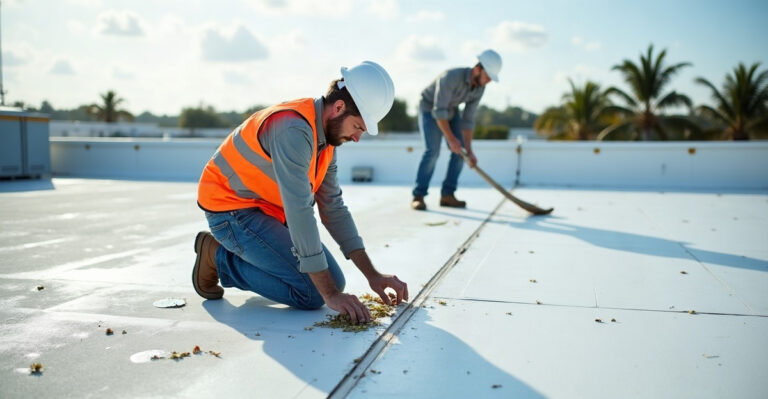
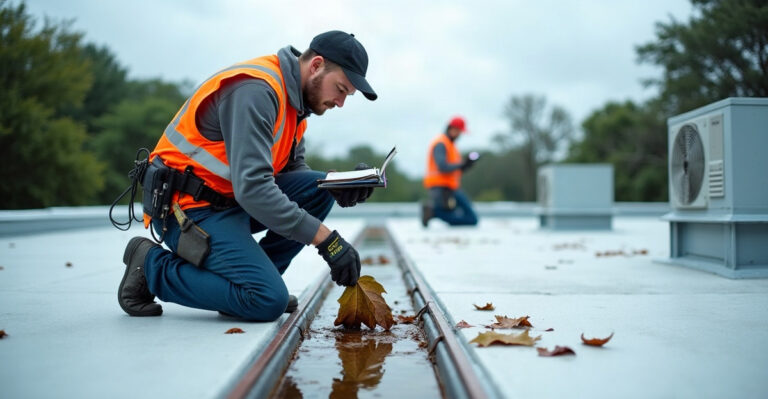
Annual inspections are essential, especially after storm season. Flat roofs need clear drainage paths. Debris buildup traps moisture and reduces reflective performance. Sealants, fasteners, and flashing require routine checks.
Manufacturer warranties typically cover material defects. Workmanship warranties cover installation quality. Both matter. Proper fastening patterns and edge securement are critical for hurricane compliance under the Florida Building Code.
Coatings often require scheduled reapplication to maintain their reflective benefits. Skipping recommended recoats reduces long-term value. We build maintenance plans that protect both energy savings and structural integrity.
Preventive service preserves performance. Small corrections today prevent expensive damage tomorrow.
Work With a Trusted Local Roofing Partner in Central and Northeast Florida
Energy saving roofing systems Florida properties need demand local experience. Humidity, salt air, and storm exposure require proven installation methods and material knowledge.
We approach every project with transparency. That means clear pros and cons. Straight answers about cost and performance. No exaggerated savings claims. Just practical guidance backed by hands-on experience in our community.
From residential upgrades to commercial systems, our team delivers professional roof installation services built for Florida’s climate. We stay current with code requirements and best practices so every system performs as intended.
The right solution starts with evaluation. Schedule a consultation through our roof inspection and consultation page, and we will review the structure, energy goals, and budget together. Smart roofing decisions protect comfort, reduce strain on HVAC systems, and strengthen properties for years to come.