Can a Flat Roof Be Repaired Instead of Replaced?
Flat roof repair often serves as a practical solution, yet it isn’t always the smartest long-term investment for Florida properties exposed to heat, humidity, heavy rain, and hurricane-force winds. We determine whether a flat roof can be repaired instead of replaced by evaluating its age, material condition, moisture levels, structural stability, and the extent of damage identified during a professional inspection. Our goal is to protect the building while making sure every dollar works as hard as it should.
Key Takeaways
- Flat roof repair makes sense when damage is isolated, the membrane and insulation remain dry, and the overall system is still structurally sound.
- Replacement is often the smarter choice for aging roofs, recurring leaks, widespread moisture intrusion, ponding water, or storm damage affecting large areas.
- Florida’s intense UV exposure, humidity, and heavy rainfall accelerate wear, making drainage performance and moisture control critical factors in the decision.
- Repeated repairs on a deteriorating system can cost more over time than a full replacement with updated materials and stronger warranty protection.
- A licensed professional inspection is the only reliable way to determine whether repair or replacement will best protect your property and long-term investment.
Repair or Replace? What Florida Property Owners Need to Know First
Flat roof repair is often possible. But it isn’t always the smartest long-term choice.
The right decision depends on roof age, material type, visible damage, trapped moisture, and the condition of the structure underneath. In flat roofing Florida properties, those factors carry even more weight because our climate is tough on roofing systems. Heat, humidity, UV exposure, heavy rainfall, and hurricane-force winds wear materials faster here than in milder regions.
Both residential homeowners and commercial property owners across Central and Northeast Florida face the same core question: will a repair truly solve the issue, or is flat roof replacement the better investment?
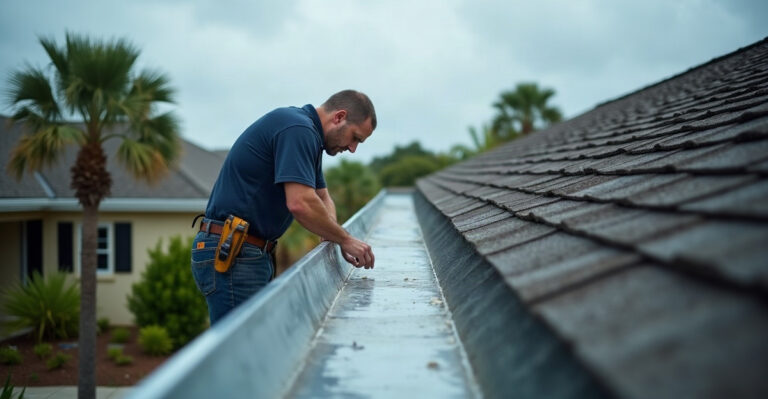
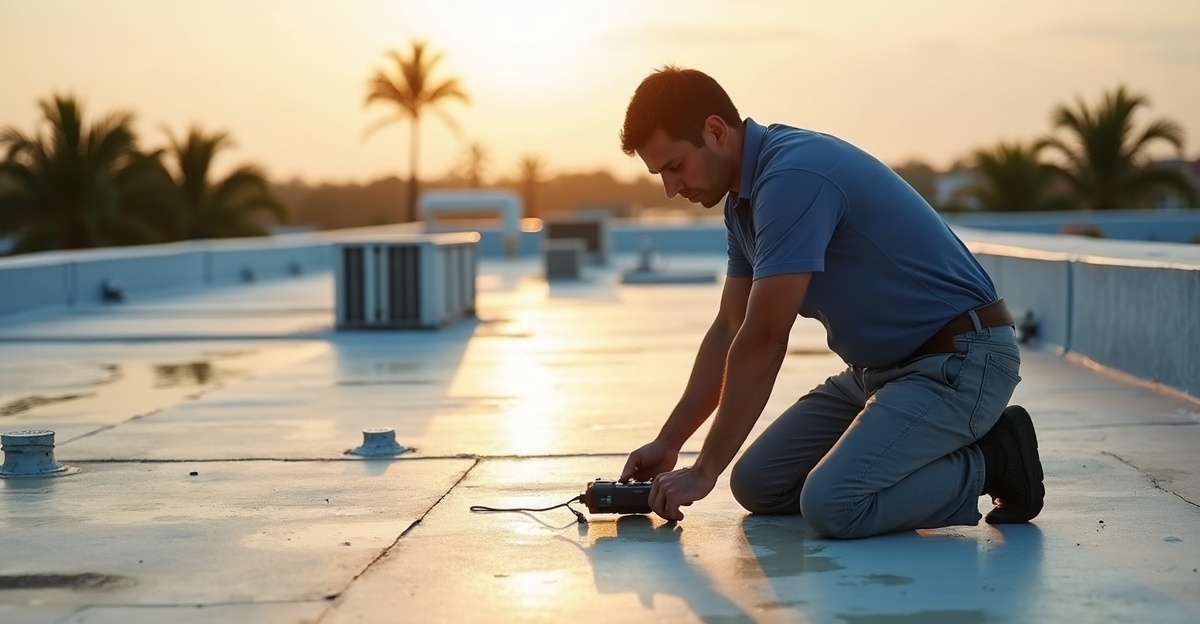
There’s no shortcut to that answer. A professional inspection is the only reliable way to determine whether flat roof repair is viable. We assess the membrane, seams, insulation, drainage, flashing, and structural components. Then we explain what we find in clear terms, without pressure.
As a licensed and insured local contractor, we focus on honest assessments and warranty-backed work. Our goal is simple. We help our neighbors protect their properties with the right solution, even if that solution isn’t the most expensive one.
When Flat Roof Repair Makes Sense (Safe, Cost-Effective Scenarios)
Flat roof repair works well when the overall roofing system is still sound.
We often recommend repair in these situations:
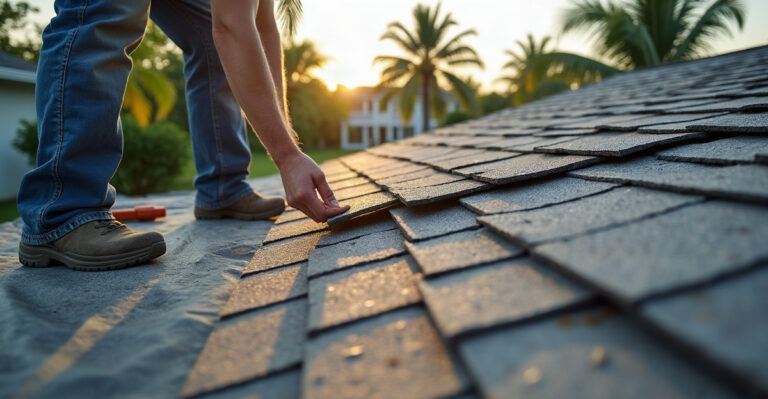
- Isolated membrane damage on TPO, EPDM, modified bitumen, BUR, or coated systems
- Small punctures, seam separations, or flashing failures
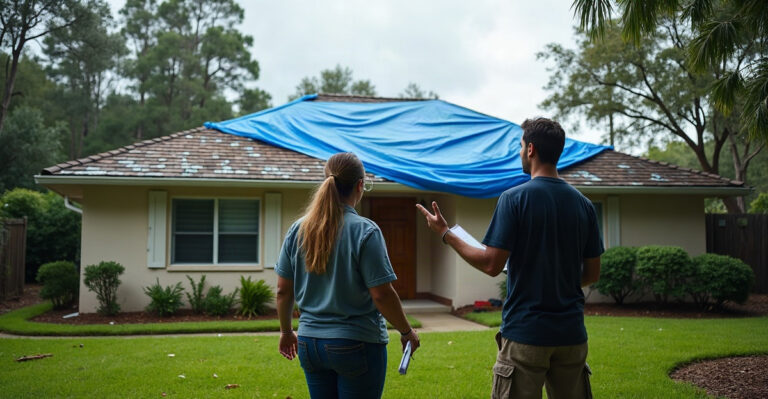
- Limited storm damage affecting a clearly defined area
- A relatively newer roof with dry insulation underneath
- No widespread ponding water or structural sagging
- Leaks that are recent and traceable to a single source
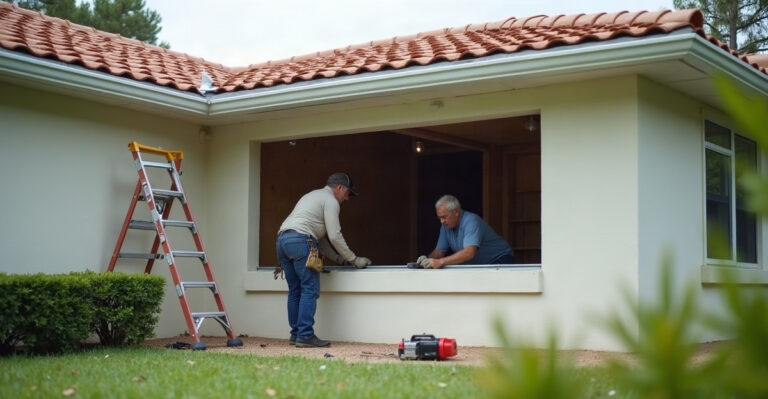
For a homeowner, that might mean a small tear after a wind event. For a commercial building, it could be a localized puncture caused by rooftop equipment servicing. In both cases, targeted flat roof repair can restore watertight performance and extend the system’s lifespan.
The benefits are straightforward. Repair typically involves:
- Lower upfront cost
- Minimal disruption to daily life or business operations
- Faster turnaround times
- Preservation of the existing system
Cost will still vary based on the size of the damaged area, roof accessibility, material type, and whether moisture has reached the insulation. We break down these factors clearly. For a broader look at pricing variables, our guide on roof repair costs in Florida explains what typically drives expenses.
In communities like Altamonte Springs, minor storm damage caught early often makes flat roof repair especially practical. Quick action prevents small problems from becoming structural ones. Our roof repair services are built around that principle. Assess early. Fix precisely. Protect what’s working.
When Flat Roof Replacement Is the Smarter Long-Term Investment
Repair is not always the responsible choice.
Flat roof replacement becomes the better option when the system is nearing or past its expected service life. Age alone doesn’t determine that threshold, but it plays a major role. Material type matters too. For a deeper look at durability expectations, see our breakdown on the average lifespan of a flat roof.
Replacement is often recommended when we see:
- Multiple or recurring leaks, even after previous repairs
- Bubbling, soft spots, or signs of trapped moisture under the membrane
- Mold risk due to saturation below the surface
- Persistent ponding water and chronic drainage issues
- Severe hurricane damage affecting broad sections
- Structural concerns in the decking or framing
- Widespread UV degradation from years of Florida sun
In these cases, repeated flat roof repair can cost more over time than a full flat roof replacement. Each patch adds labor and material costs, yet fails to address systemic aging or saturated insulation.
For commercial properties, replacement may also bring needed code compliance updates or insulation upgrades that improve energy efficiency. Insurance carriers often favor replacement after named storms when damage is extensive. Replacing the entire system can simplify claims and strengthen future coverage.
A properly installed replacement resets the lifecycle of the roof. It also provides stronger warranty protection and predictable performance. Our roof replacement services focus on long-term reliability, code compliance, and clear communication so property owners understand every step.
At times, replacement protects long-term return on investment better than ongoing patchwork. We explain both paths honestly and let the condition of the roof guide the decision.
Florida-Specific Factors That Change the Repair vs. Replacement Decision
Flat roofing Florida buildings face a unique combination of stressors.
High heat and intense UV exposure accelerate membrane breakdown. Constant humidity increases the risk of trapped moisture beneath the surface. Heavy rainfall puts pressure on drainage systems. Hurricane-force winds stress seams, edges, and flashing.
Proper drainage is critical. Standing water on flat roofs speeds deterioration and increases the chance of leaks. Persistent ponding may signal slope issues that simple flat roof repair can’t fully correct.
Local building codes can also influence the decision. Major roof work may trigger requirements for insulation upgrades or structural improvements, especially on commercial properties. Insurance claim outcomes after hurricanes or named storms can also shape whether repair or full replacement moves forward.
Residential and commercial projects differ in scale. Commercial systems are usually much larger and may require phased work to limit business interruption. Documentation and warranty protection matter even more in those environments.
Local experience makes a difference. Building in Altamonte Springs and surrounding communities means understanding how Florida weather impacts every flat roofing system. We apply those lessons on every inspection and every recommendation.
Short-Term vs. Long-Term Costs: What Influences Your Investment
Sound decisions start with a clear understanding of cost drivers.
Several variables affect both flat roof repair and flat roof replacement pricing:
- Total roof size and square footage
- Accessibility and required safety measures
- Material type, such as TPO, EPDM, modified bitumen, BUR, or coatings
- Extent of membrane damage
- Condition of insulation beneath the surface
- Level of moisture intrusion
- Any code-required upgrades
Repair usually carries a lower upfront expense. It targets specific damaged sections and restores performance where needed. However, it may not solve underlying aging or systemic moisture problems.
Replacement requires a larger initial investment. Yet it delivers a longer service life and stronger warranty protection when installed correctly. That larger investment often creates greater financial stability for the future.
Budget planning matters. Responsible decision-making means avoiding repeated patchwork if underlying layers are compromised. Our guide on repair versus replacement offers additional context to help weigh both approaches. We work alongside property owners to align roofing solutions with long-term plans.
A Practical Checklist Before Scheduling a Professional Inspection
A few simple considerations can help clarify next steps before scheduling an inspection.
- How old is the flat roof?
- Have there been recurring leaks in the same or different areas?
- Are there visible bubbles, cracks, soft spots, or standing water?
- Was there recent hurricane or significant storm damage?
- Has drainage been evaluated recently?
- Is the property residential or commercial with compliance requirements?
These questions provide insight, but they don’t replace a professional assessment. Surface symptoms can hide deeper problems, especially with trapped moisture.
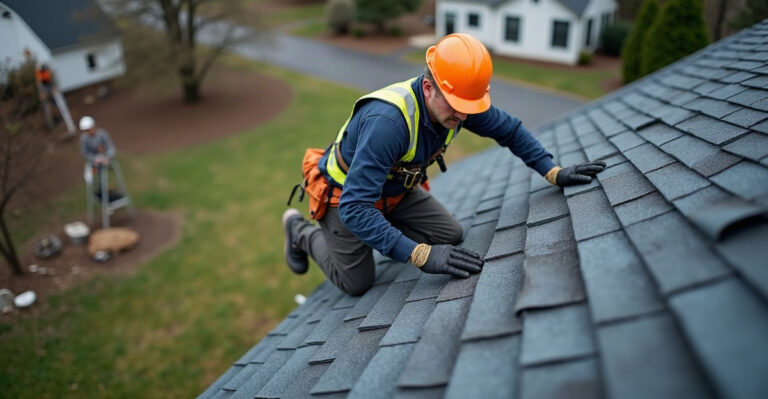
An experienced contractor will inspect the membrane, seams, flashing, insulation, and structure. We document findings, explain options clearly, and outline the pros and cons of flat roof repair versus flat roof replacement. Our work is licensed, insured, and backed by warranty protection.
For property owners researching flat roof repair Altamonte Springs FL or nearby Florida communities, the next step is simple. Request a clear, honest evaluation so we can determine whether a targeted repair or a full system replacement is the right path forward.