Can Gutters Impact Roof Health?
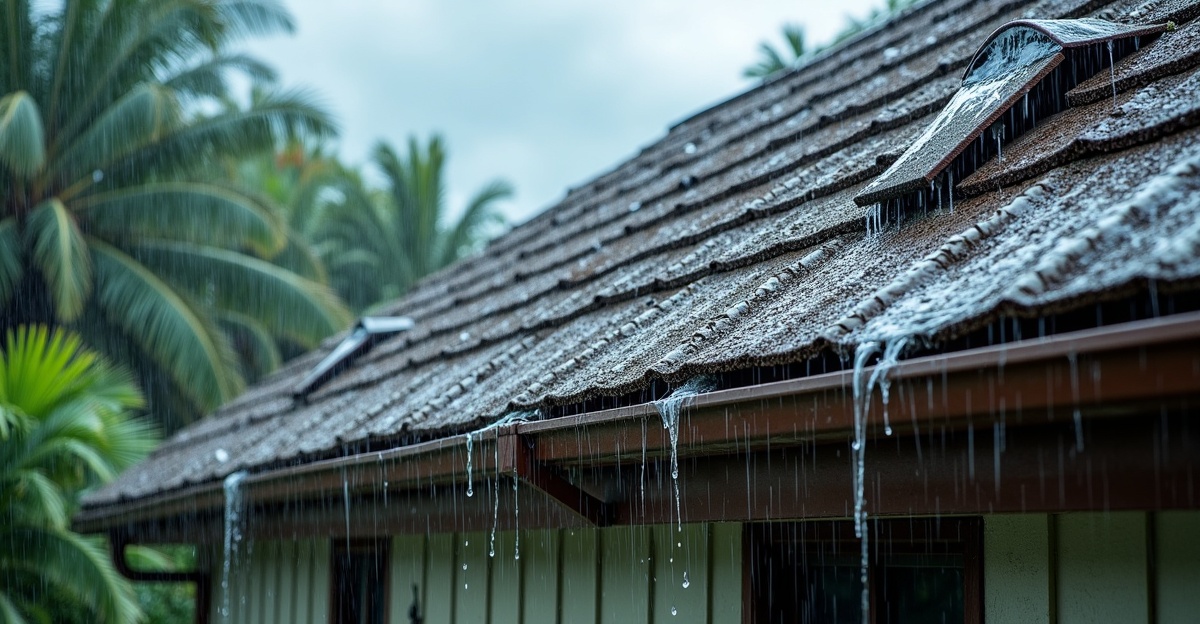
Florida’s high humidity and frequent downpours make reliable gutters essential for roof protection. They keep moisture from collecting along roof edges and help keep water from seeping into the attic or damaging shingles. Gutters control runoff to reduce the risk of leaks and prevent long-term damage to your structure.
Key Takeaways
- Working gutters lower the risk of water leaks, soaked roof decking, and structural decay in Florida’s wet environment.
- Blocked or broken gutters often lead to ruined shingles, fascia rot, mildew, and foundation damage.
- Visible issues like overflow during rain, gutter sagging, or water stains beneath the eaves should prompt immediate inspection.
- Clean and inspect gutters often—especially before and after hurricane season—to head off major roofing problems.
- Commercial buildings need drainage setups built for flat roofs and larger surfaces, which demand more frequent upkeep and checks.
How Rain and Gutters Team Up (or Clash) on Florida Roofs
Florida roofs endure more than their fair share of rain, heat, and humidity. In this climate, gutters aren’t a nice-to-have—they’re essential. When working properly, gutters serve as a critical shield that channels rainwater off the roof and away from the structure. Without that protection, frequent downpours and high humidity can cause damage faster than many homeowners realize.
Gutters impact roof Florida systems in direct and lasting ways. They protect fascia boards, soffits, and shingles by moving water safely away. When clogged, cracked, or poorly installed, however, they contribute to serious problems like rot, leaks, and even foundation issues.
Summer thunderstorms, sudden afternoon downpours, and hurricane runoff are part of Florida’s rhythm. In these heavy weather moments, clean and efficient gutters keep the roof from becoming waterlogged or overwhelmed. In fact, FEMA recommends clear gutter channels as part of storm preparedness to prevent long-term roof failure.
Healthy shingles and dry attic spaces start with functioning gutters. When water lingers at roof edges or collects around the house’s base, it opens the door to mold, mildew, and deterioration. The message is clear: well-maintained gutters protect. Damaged or neglected ones accelerate wear and invite trouble.
Warning Signs Your Gutters Might Be Harming Your Roof
Recognizing the early signals of gutter trouble can spare us major repairs down the road. Many signs of poor gutter drainage are easy to spot with a quick visual inspection.
Common red flags that suggest your gutters could be damaging your roof:
- Water stains or streaks under roof eaves or along siding
- Plants, moss, or weeds growing inside gutters
- Gutters that sag, pull away, or appear uneven
- Fascia wood beginning to rot or crumble
- Damp or musty smells near attic vents
- Overflow during rainstorms
Each of these signs ties back to how gutters function. When they’re clogged or misaligned, water can seep beneath shingles, drench roof decking, and saturate edge boards. This is especially concerning in humid states like Florida, where moisture tends to linger longer and encourage organic growth.
If we’re noticing mildew around the attic, peeling paint by the roofline, or soft wood near the gutters, there’s a good chance improper drainage is the cause. These “do gutters cause roof damage?” signs are early warnings—useful flags that invite us to act before we face soaked insulation or structural rot.
What Happens When Gutters Fail in Florida’s Climate
In Florida, gutter neglect doesn’t just mean messy overflows. It creates conditions for serious and expensive roof damage.
Clogged or damaged gutters slow down or block the flow of water. This can force rain to back up under shingles, saturate the roof deck, and find its way into vents or attics. Over time, this leads to moisture damage that weakens roofing materials—especially in places like Florida where afternoon rains are relentless, and roofing systems stay damp for hours.
We often see water damage roof Florida properties in ways that start quiet but escalate. Here’s what can happen when gutters are ignored:
- Moisture backing up under shingles causes them to lift, curl, or crack
- Constant dripping near edges softens fascia and allows rot to take hold
- Hidden attic leaks invite mold growth and compromise insulation
- Algae streaks or dark patches appear under gutters or on shingles
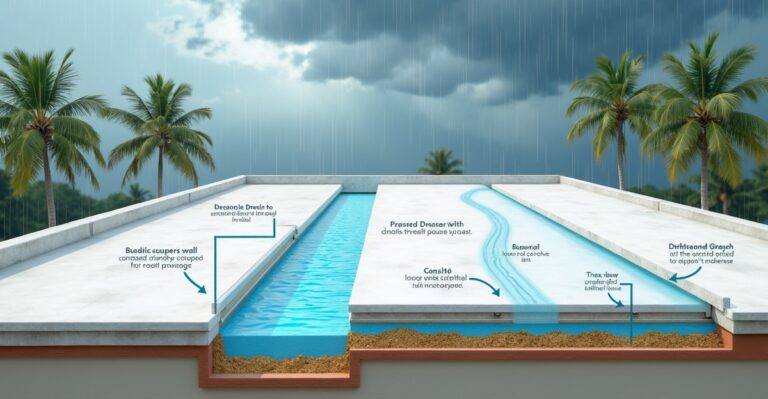
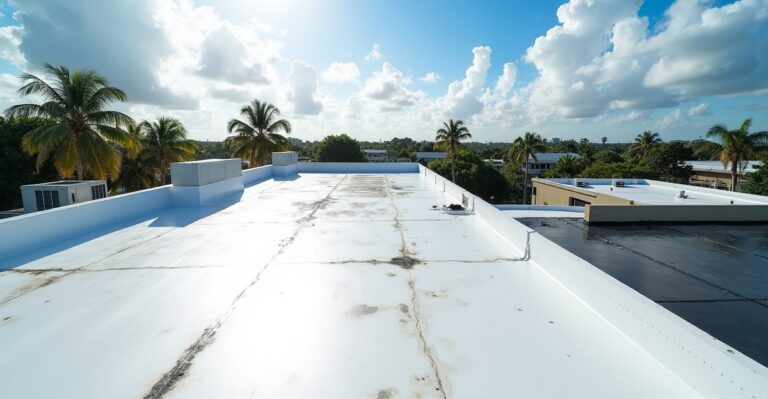
Both residential roofing systems and commercial flat roofs suffer under clogged drainage. In large buildings, roof systems rely heavily on unobstructed scuppers and slope-based drainage. The Florida Building Code even addresses these requirements, including minimum slope and overflow mechanisms to ensure roof stability. When these systems are compromised, the risk of pooling, leaks, or collapse increases—especially during hurricane season.
Understanding how humidity affects roofing materials only reinforces the importance of managing moisture at its source—often the gutterline.
Smarter Maintenance: What Homeowners and Property Managers Can Do
We can prevent most gutter-related roof issues with a few regular habits. In Florida, maintenance isn’t just seasonal—it follows the rhythm of storm cycles and active weather periods.
Here are practical tips for smarter roof and gutter maintenance Florida residents can use:
- Clean gutters at least twice a year, ideally before and after hurricane season
- Watch gutters during a storm—do they spill over or drain unevenly?
- Install leaf guards if surrounded by trees, or screens where pests gather
- Check for nesting pests or standing water during spring inspections
- For busy commercial sites, schedule routine checks across all units or sections
Storm season roof maintenance should start with a good visual sweep. We recommend using binoculars or taking a safe look from ground level after a storm. If runoff pours over the side or down the fascia, it’s time for attention.
While homeowners can often clear leaves or rinse out downspouts on their own, some tasks are better left to pros. Soffit and fascia repairs, for example, may involve replacing hidden rot or securing boards that prevent pests and leaks.
For larger buildings, managing commercial gutter challenges means handling multi-zone systems that demand professional-grade drainage solutions. Preventative care saves money in every square foot.
How Gutter Issues Differ Between Homes and Commercial Properties
Homes and commercial buildings both rely on gutters, but their maintenance needs aren’t one-size-fits-all.
Residential properties typically face clogging from tree debris, gutter misalignment from age or pests, and runoff concerns that can affect landscaping and foundations. Neglected issues here can cause water to seep into eaves, doors, and ground-level crawl spaces.
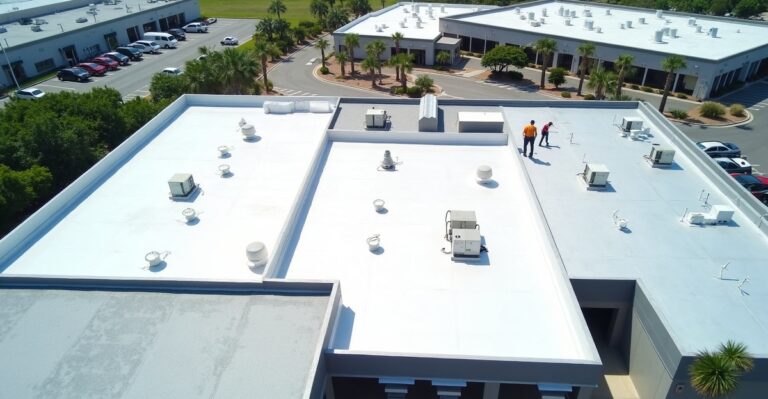
Commercial buildings often come with flat or low-slope roofs. They require broader drainage systems—sometimes with internal pipes or scuppers—plus careful planning to move water across wider surface areas. If clogged, these systems can pond water, increase weight loads, or violate inspection rules. And for property managers, delayed gutter maintenance can even mean liability for water intrusion in tenant spaces or costly emergency tasks.
Whether it’s a single-family home shielding against falling leaves or a multi-tenant plaza managing heavy runoff, the goal is the same: consistent flow. At Pyramid Roofing Fla, we help caretakers of all property types prepare before wet conditions catch them off guard.
When to Call in a Roofing and Gutter Expert
We encourage folks to take a cautious look at their gutters during and after a rain. If water is cascading where it shouldn’t, or the wood beneath your gutter feels soft, that’s a signal it’s time to ask for help.
Sometimes it’s as simple as a minor cleaning or replacing a loose bracket. But if there are signs of attic moisture, sagging fascia, or an overall decline in roof health, it may be time for a professional opinion. Letting water damage linger only raises repair costs.
If you’re wondering how to tell if storm damage is affecting your roof, or if you need an assessment after a rough season, don’t wait too long. Whether you need fast roof repair or a gutter cleaning strategy for the year ahead, we’re here with insight and community experience you can count on.
If you’re seeing signs your gutters aren’t doing their job, our local team at Pyramid Roofing Fla offers inspections and insights tailored to Florida homes and businesses—no pressure, just answers. We’ve helped homeowners recover after hurricanes and guided businesses through everyday upkeep.
To schedule a look, reach out through our contact page and we’ll walk through your options—whatever the skies bring this year.