Can Small Leaks Lead to Major Roof Damage?

Even a small roof leak can quickly escalate into serious structural issues, especially in Florida’s damp and storm-heavy environment. Moisture moves quietly behind ceilings and walls, eating away at wood, damaging wiring, and creating high-cost problems like mold and insulation breakdown before you notice anything’s wrong.
Key Takeaways
- Small leaks often trigger major problems like mold, wood damage, and ceiling collapse when ignored.
- Florida’s climate speeds up roof damage and moisture entry, so regular inspections are a must.
- Water doesn’t stay put—it can spread far from where the leak starts, masking the true extent of the damage.
- Early signs like dark ceiling stains or musty odors often point to much bigger hidden issues.
- Fixing a leak early costs a fraction of what you’d pay to repair major water and structural damage later.
What a “Small” Leak Is Really Costing You
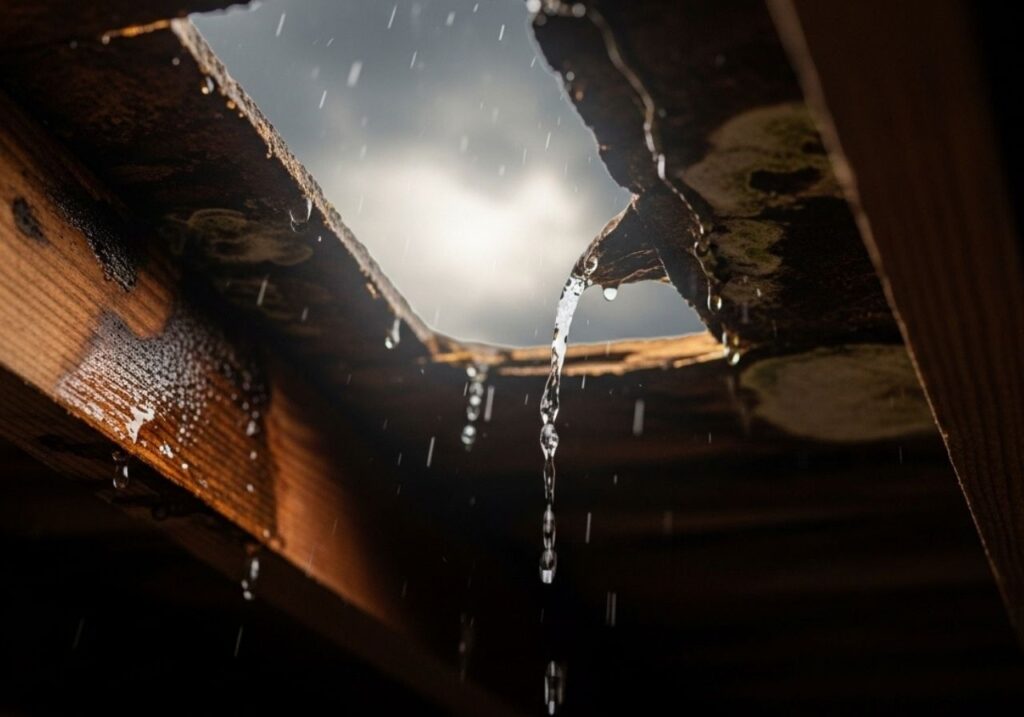
Even a drip can wreck a home. A small roof leak might seem minor today—but it’s already breaking down your roof’s ability to protect everything underneath it. Over time, that leak invites water to seep into places it doesn’t belong, weakening materials, causing mold, and creating serious repair bills.
Ignoring a “minor” problem often leads directly to major consequences. We’ve seen it time and again: a small leak in a Winter Park house during early summer turned into attic mold and collapsed drywall by fall. That turned a simple repair into thousands of dollars in damage, far beyond the cost of calling a roofer right away.
Let’s break it down even further. According to industry estimates:
- Patching up a small leak might run a few hundred dollars.
- A full roof replacement can cost thousands.
- Mold remediation from unchecked moisture can become expensive, especially when following EPA mold remediation guidelines for residential properties.
And that’s not accounting for damage to personal belongings, structural rot, or HVAC issues.
Central and Northeast Florida’s stormy climate only makes things worse. Frequent rainstorms, salt-laden air near the coast, and year-round humidity fast-track the impact of even small roof leak risks. Hidden moisture spreads faster, and materials degrade quicker than in drier regions.
When considering the consequences of ignoring a roof leak, know this—taking care of the problem early keeps expenses down and reduces stress later.
How Water Travels Under the Surface
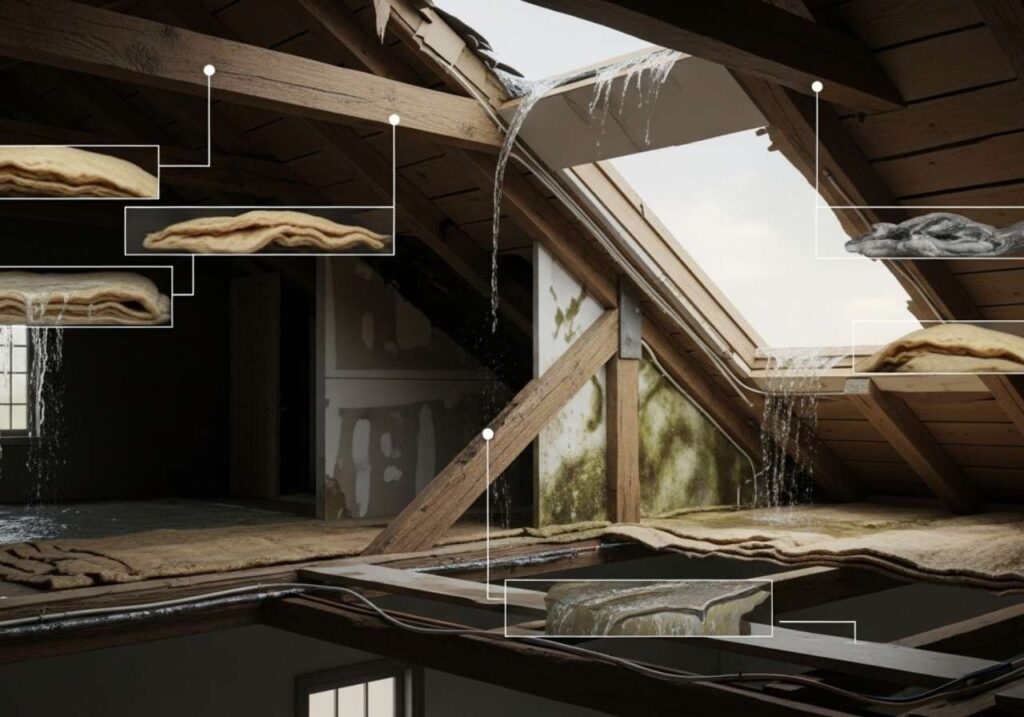
Think of water like a sneaky guest—it gets in quietly and then causes chaos behind the scenes. A small opening in your roofing material may look harmless from the outside, but inside, Water can travel far from the point of entry, a phenomenon explained in university building science research on water intrusion pathways. It flows along beams or between layers, so the damage isn’t always near the visible spot.
Here’s where that water creeps into:
- Insulation: Once wet, it stops working. So your energy bills rise and your home’s comfort drops.
- Wood framing and rafters: These begin to rot when soaked repeatedly.
- Electrical wiring: Water exposure can cause shorts and sparks, a risk highlighted by the National Fire Protection Association’s guidance on electrical fire hazards.
- Drywall and ceilings: These become stained at first, then begin to bulge or collapse.
- Mold thrives: Especially in Florida’s heat and humidity. All it needs is moisture and darkness, which is exactly what an attic offers.
By the time water damage from roof leaks shows up clearly inside your home—like stained ceilings or warping walls—the leak has often been at work for a while.
So if you’re wondering how roof leaks spread, remember that the longer water drips quietly in hidden spaces, the more it damages the systems that help hold your home or business together.
Early Warning Signs You Shouldn’t Ignore
Symptoms of a Leak Before It Becomes a Disaster
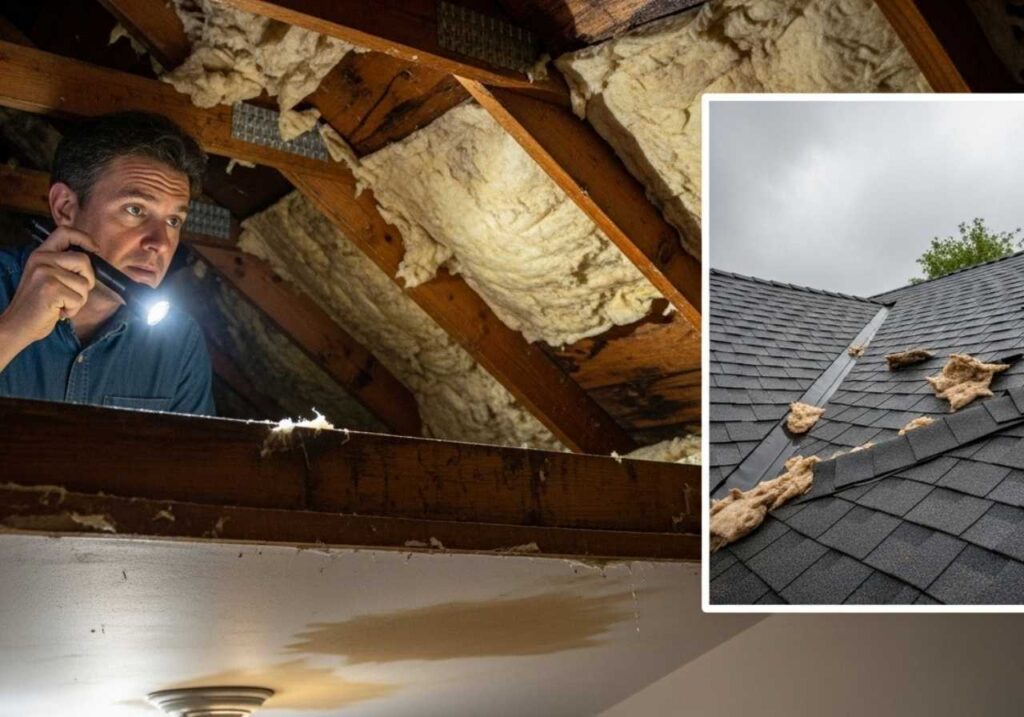
Watch for these early symptoms of roof leaks. These signs often appear far from where the leak starts:
- Water stains on ceilings or upper walls
- Musty or moldy smells in the attic
- Curling, cracked, or missing roof shingles
- Damp fiberglass insulation or soggy materials near eaves
- Indoor humidity increasing without clear cause
After heavy storms, take a few simple steps. Peek in your attic with a flashlight for dampness or discoloration on wood or insulation. Walk the home and look for odd spots on ceilings. Outside, scan your roof—from the ground—for visible damage or missing shingles.
If something feels off, trust your instincts. We go more in-depth on the warning signs roof leak in another article, but the sooner you’re aware, the easier and cheaper the fix.
Catching these early signs of roof water damage means simple repairs, not major replacements.
Why Leaks Escalate Faster in Florida Homes and Businesses
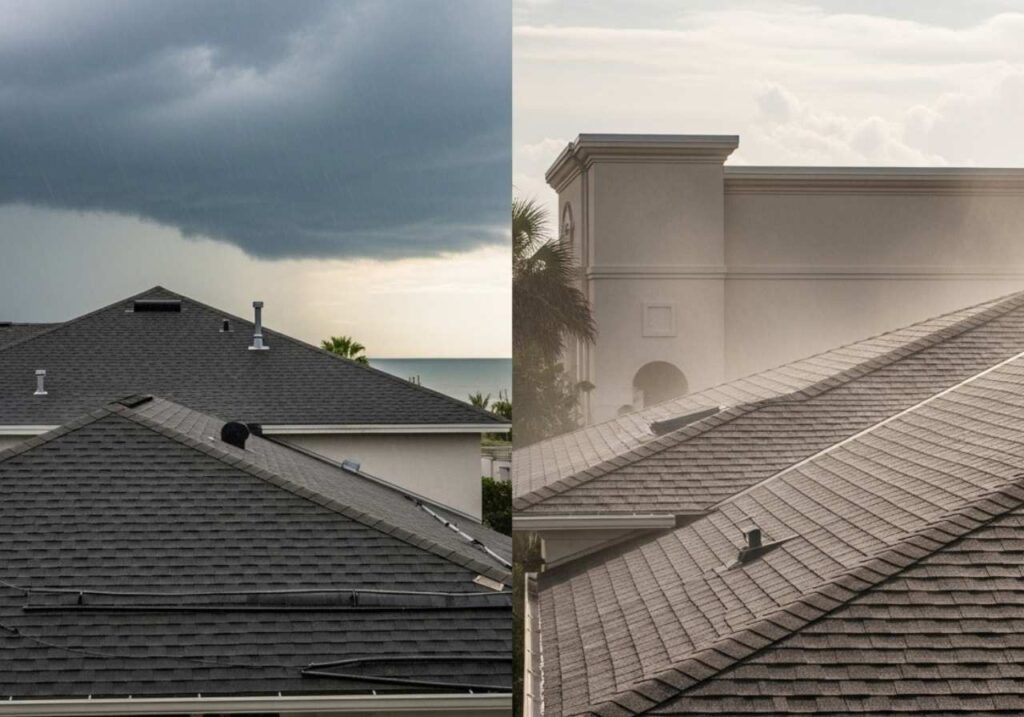
Florida plays by harsher rules. Even a small breach in your roof can turn into a widespread issue fast, thanks to our tropical climate.
Frequent thunderstorms, common across the state according to the National Weather Service’s Florida storm data, push water forcefully through roof seams. Our region’s thick humidity, documented in NOAA climate data for Florida, keeps wet materials from drying out. The heat—especially during summer—and drastic temperature shifts between rain and sunshine take a serious toll on shingles and sealants.
Along the coasts, salt air doesn’t help either. It wears down roofing components like flashing and underlayment more quickly, inviting water inside.
For homes, that might mean mold buildup in attic corners or HVAC vent issues. In businesses, prolonged exposure to moisture can stop climate control systems or ruin drywall behind shelving. That’s why a storm damage roof inspection isn’t just helpful—it’s often essential.
We’ve seen many customers surprised by how fast things worsen. Florida roof maintenance isn’t optional. It’s part of keeping your entire property secure.
Risks to Commercial Properties: More than a Building Problem
Leaks don’t just affect structures—they disrupt livelihoods. For commercial properties, a small leak may:
- Damage stock or equipment
- Interrupt tenant or client operations
- Spark legal claims if mold or unsafe conditions arise
- Shut down IT systems due to water near servers or wiring
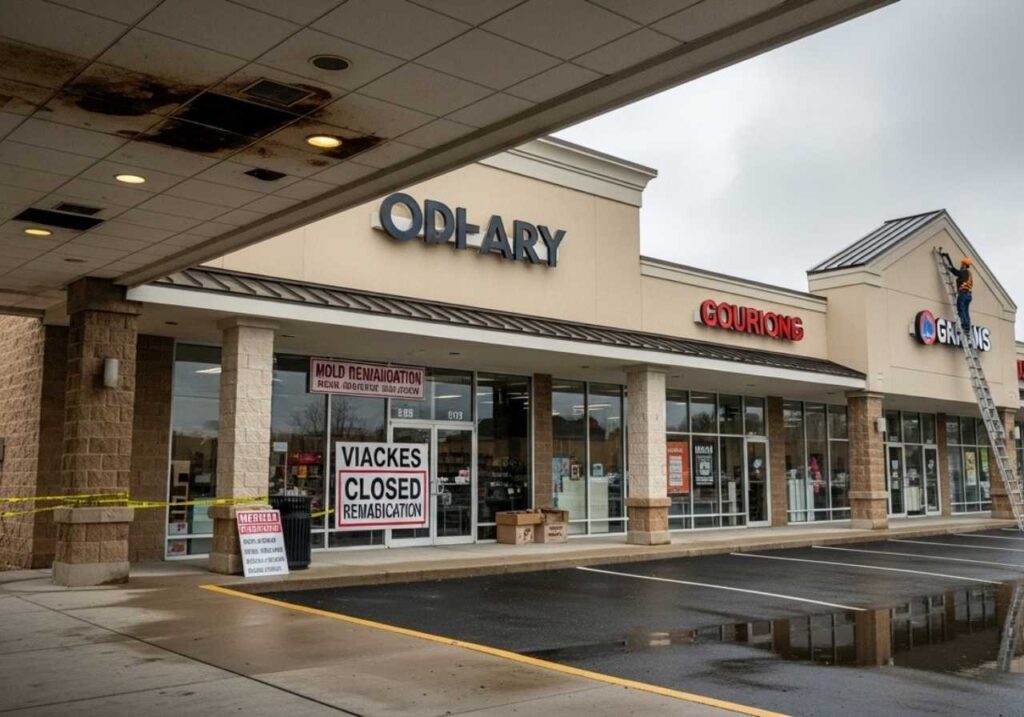
And the issue often goes unnoticed until someone reports musty smells or sees a stain above a drop ceiling. A real scenario we handled: a gap above a retail strip mall suite allowed steady water intrusion. One shop had to close due to mold cleanup, while the leak source was being tracked down. That revenue loss was preventable.
A few key moments to schedule a commercial roof inspection:
- Pooling water after a rainstorm
- Visible stains in upper hallways or ceilings
- HVAC or lighting failures on upper levels
- Reports from tenants about damp smells or growing wall stains
For commercial owners, the consequences of ignoring a roof leak impact more than just the building—they put reputations and operations at risk.
Simple Steps to Stay Ahead of Roof Trouble
Routine care goes a long way. You don’t need to be an expert to spot trouble before it spreads.
Here’s a simple homeowner’s checklist to follow every quarter:
- Look for ceiling stains or discoloration inside
- Check attic spaces for wet insulation or wood
- Walk the exterior and note any missing or damaged shingles
- Clear leaves and debris from gutters and downspouts
- After storms, take photos of your roof and check for new damage
Gutters especially deserve attention. Clogged or broken gutters impact roof Florida by causing water to pool at roof edges—where it can slip into fascia boards and underlying materials. Learn more about how gutters impact roof health if that’s a concern on your property.
Also, soffits and fascia—those boards that frame the underside of your roof overhang—protect critical ventilation and structural joints. Damage here allows water deeper access. If these look worn or soft, see why soffit and fascia repairs matter.
And if you’re not sure what you’re seeing is an issue, check out our breakdown of whether a roof leak is DIY-friendly—some small signs do call for professional eyes.
We’re here for that. At Pyramid Roofing FLA, we live and work in the same communities as our clients. It’s not just about fixing problems—it’s about protecting homes and businesses in places we all share.
So, see a dark spot on the ceiling? Don’t wait—know what you’re dealing with and let our roof repair team take a closer look. And for larger concerns, explore our roof replacement service for a more permanent solution.
Preventative action pays off—and keeping your roof strong keeps your whole structure standing tall.
Frequently Asked Questions
Yes, a small roof leak can lead to serious structural damage if left unaddressed. Even minor water entry can soak insulation, rot wood framing, and weaken ceilings over time. Because water spreads beyond the visible leak, damage often grows unnoticed until repairs become extensive and expensive.
Small roof leak risks escalate quickly in Florida due to frequent rain, high humidity, and heat. Moisture doesn’t dry out easily, allowing mold growth and material decay to accelerate. What might take years elsewhere can develop into major damage within months in Florida homes.
Early signs include faint ceiling stains, musty odors, damp attic insulation, or peeling paint near the ceiling. These symptoms often appear far from the leak source. Spotting them early is critical, as they usually indicate hidden moisture buildup already affecting structural materials.
Yes, repairing a small roof leak early is far less expensive than waiting. Minor repairs often cost a few hundred dollars, while delayed fixes can involve mold remediation, drywall replacement, or structural repairs costing thousands. Early action significantly reduces overall repair costs.
A small roof leak can impact both electrical safety and air quality. Water near wiring increases the risk of shorts or fire hazards, while trapped moisture promotes mold growth. Mold spores can spread through ventilation systems, negatively affecting indoor air quality and occupant health.