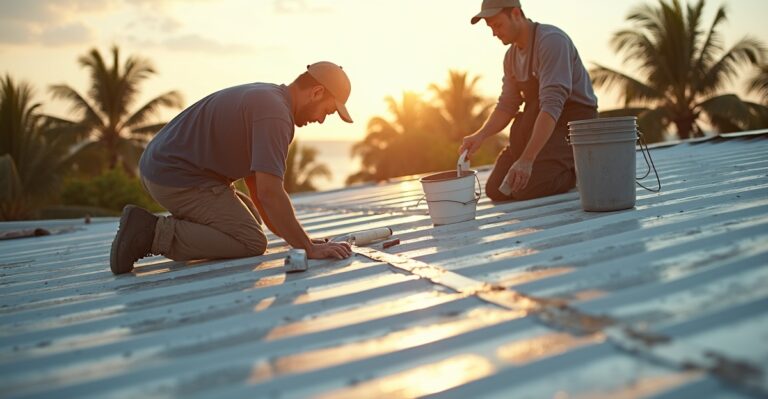
How Long Does a Roof Inspection Take?
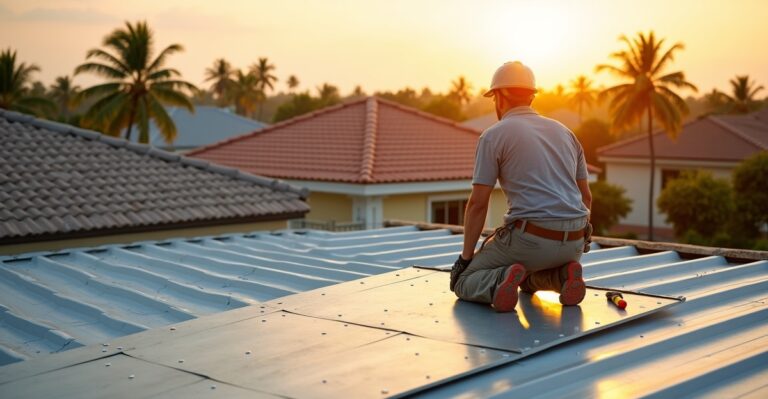
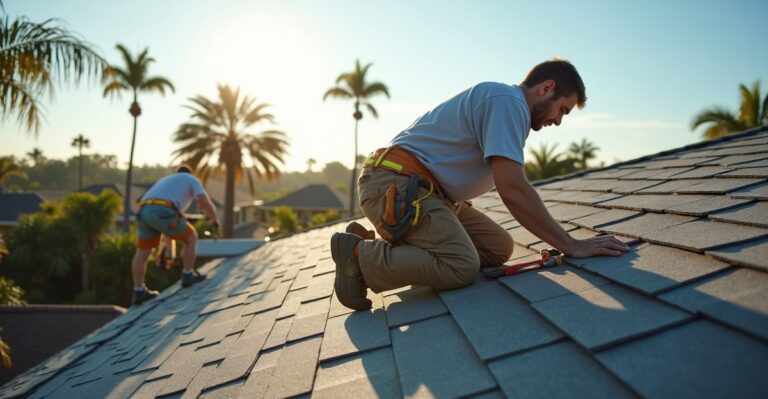
Most roof inspections in Florida last between 45 minutes and 2 hours. The exact time depends on roof design, material, and past storm damage. We’ve outlined what homeowners and property managers in Florida can expect during a roof inspection, along with the key factors that influence time and inspection results.
Key Takeaways
- Typical residential roof inspections range from 45 minutes to 1 hour. Homes with complicated or split-level roofs can take up to 2 hours.
- Commercial roof inspections usually last 2 to 4 hours, sometimes longer. Large square footage or multi-unit structures require extra time.
- Inspection time changes based on roof structure, limited access points, storm impacts, and material differences.
- Tools like drones and moisture meters boost precision but add setup and analysis steps.
- Inspections should be thorough and complete. Be cautious of companies offering fast services that cut corners on quality.
What to Expect During Your Roof Inspection
A standard residential roofing inspection process in Florida covers more than just a surface glance. Whether we’re assessing a family home in Orlando or a commercial space in Tampa, our focus stays the same—identify issues early, document clearly, and keep our clients informed every step of the way.
Here’s what a typical inspection involves:
Key Steps in a Roof Inspection
At Pyramid Roofing FLA, our process includes:
- A full exterior check for visible damage, wear, or missing materials
- A structural review, including the attic (if accessible), to examine framing, ventilation, and insulation
- An evaluation of the roofing material—checking for cracks, lifts, or soft spots
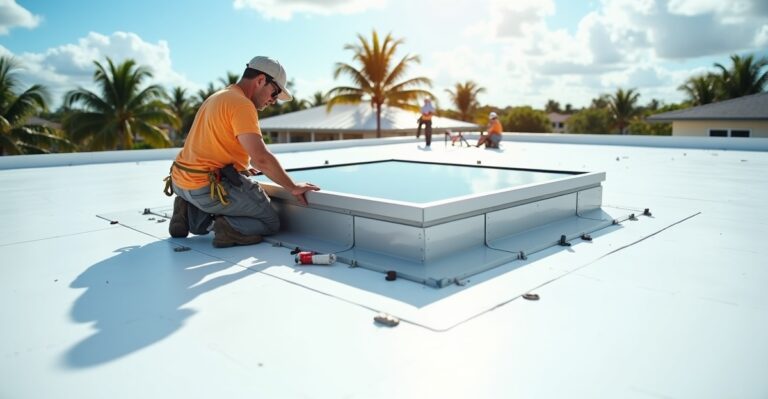
- Examining flashing and sealants around chimneys, vents, and skylights
- A detailed moisture scan to detect subtle water intrusion
- A storm damage roof inspection to locate wind lift, hail impact, or flying debris impact
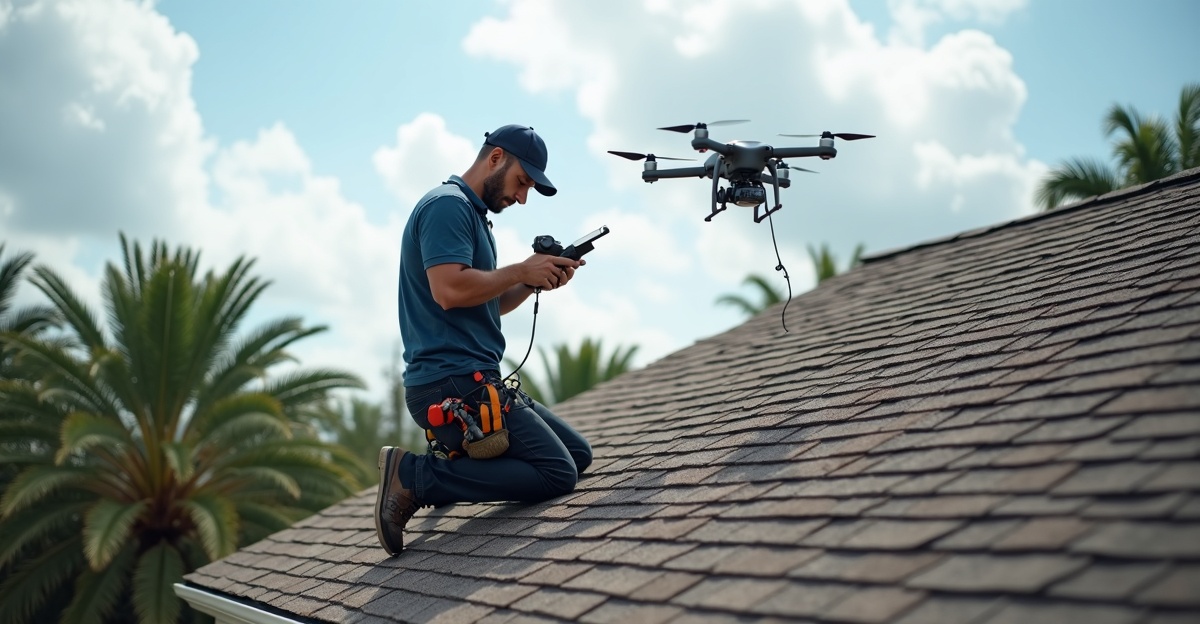
- A drone roof inspection Florida properties benefit from — ideal for high or steep roofs and conducted in compliance with Federal Aviation Administration (FAA) commercial drone regulations.
We use tools like moisture meters, which help us detect water below the surface before it becomes obvious damage. High-resolution cameras and drones provide aerial views and let us identify subtle issues other methods might miss.
Every inspection we perform is respectful of your property. We don’t leave a mess or make loud assumptions. Afterward, we walk you through the findings so you understand what’s going on up there—no confusing terms, no pressure tactics. Just clarity.
How Long the Inspection Actually Takes
Every Florida property has its variables, but we can offer a general roof inspection timeline Florida owners can rely on:
- Standard, single-story residential roof with asphalt shingles: about 45 minutes to 1 hour
- Older homes, multi-level structures, or complex roofs: may require 1 to 2 hours
- Commercial roof inspection duration: typically stretches from 2 to 4 hours—or longer for large facilities
These timeframes can shift depending on property size, accessibility, weather, and signs of visible damage. If we uncover storm impact or moisture issues, we’ll need extra time to investigate thoroughly.
Avoid believing anyone promising a “fast 15-minute roof inspection.” Speed matters, but it should never come at the cost of accuracy. We value efficiency, but our goal is to give you an honest assessment the first time.
What Affects the Timeline: Real-World Factors to Consider
A few key details determine just how long a professional inspection might take. We’ve worked on everything from compact cottages to warehouse roofs, and each job holds something unique.
Main factors affecting roof inspection time
- Roof design: Steeper slopes, split levels, and unusual layouts often increase inspection time
- Property size: More surface area means more to inspect and document
- Access: Limited attic space or blocked roof access slows things down
- Roofing material: Tile and metal roofs require closer inspection than newer shingles
- Past storm damage: After hurricanes or major storms, we carefully document every potential impact, adding time
- Florida weather: Rain, intense heat, or high winds can delay or interrupt inspections
- Equipment use: Drones and infrared cameras help us move safely and efficiently, but setup and review time adds a few minutes
Following a major Florida storm, inspections often take longer due to the volume of homeowners needing help—and the increased attention required for wind and water damage. In those situations, being patient pays off. Rushing often leads to missed problems.
For more detail on what storm damage might look like, take a look at our guide on how to spot roof storm damage.
How You Can Prepare for a Smooth and Safe Inspection
Getting ready for your inspection helps things move faster—and safer. It doesn’t require much, but a few quick steps help everything go smoothly.
Here’s how to prepare:
- Make attic and roof access clear—unlock doors, move stored items, or trim landscaping
- Remove patio furniture or obstacles near roofline access points
- Keep pets inside or away from the work area
- Inform staff or tenants if we’re inspecting a multi-unit or commercial property
- Confirm whether you’ll need to be home or can review inspection photos later
During your appointment, our crew communicates clearly. If anything changes—like rain moving in—we’ll let you know quickly and reschedule if necessary. We approach every property, business, or home with respect. And we always clean up when we’re done.
Frequently Asked Questions from Florida Property Owners
We hear a lot of great questions from property owners across Central Florida. Here are a few common ones, answered plainly.
Do I need to be home during the inspection?
No, not always. If we can access everything we need, we often complete the inspection and follow up with a detailed report and photos. Of course, some homeowners prefer to be present. Just let us know your preference.
Is the inspection still safe in light rain?
Light rain might not prevent drones or exterior visual checks, but we’ll evaluate the risk carefully. We never send someone onto a wet or slick roof. If rain creates safety concerns, we’ll reschedule promptly.
Do I get photos or a copy of the report?
Absolutely. We document findings with clear photos and written notes. Our customers often tell us how helpful this is—especially if they’re filing insurance claims or comparing repair options.
How soon will I get a report or estimate?
In most cases, within 24 to 48 hours. If we see urgent structural damage or active leakage, we alert you right away and discuss next steps.
You can read more about common leak indicators in our blog post on roof leak warning signs.
Why a Timely, Thorough Roof Inspection Matters in Florida
In our Florida climate, roofing problems don’t wait around. Between summer storms and steady humidity — especially in a state frequently impacted by hurricanes, according to the National Oceanic and Atmospheric Administration (NOAA) — even a small crack or missing shingle can lead to hidden mold — as explained by the Environmental Protection Agency (EPA) regarding moisture-related mold growth — decking rot, or insulation damage faster than you’d expect.
Regular inspections support smart preventative roof maintenance. Every time we check your roof, we’re looking for issues that can be fixed before they cost thousands. And it’s not just about damage. We also check workmanship, aging materials, and storm resistance.
In hurricane zones or coastal spots, we pay close attention to salt corrosion, wind uplift markers, and flashing durability, following Florida Building Code wind resistance requirements. We recommend having roof inspections once a year — or twice yearly if your roof’s over 10 years old or has taken storm hits recently — which aligns with maintenance guidance from the National Roofing Contractors Association (NRCA). For more details, explore our guide to how often roofs should be inspected.
If you’re unsure whether you’re due for an inspection, or if you’re weighing repair vs. replacement decisions, we’re here with honest input. You can learn more about your options by checking out our article on repairing versus replacing a roof.
If you’d like expert eyes on your roof or can’t recall your last inspection, reach out to our team. No pressure, just honest guidance from your local Florida roofing pros.
Frequently Asked Questions
A roof inspection in Florida typically takes between 45 minutes and 2 hours. Most single-story residential homes fall closer to one hour, while larger or more complex roofs take longer. Factors like roof pitch, material type, accessibility, and signs of storm damage directly affect the roof inspection timeline Florida homeowners should expect.
A roof inspection can take longer if the property has a complex roof design, multiple levels, limited attic access, or prior storm damage. Tile and metal roofs also require closer examination. In Florida, inspectors may spend extra time documenting wind or water damage, especially after hurricanes or severe weather events.
Commercial roof inspections usually take between 2 and 4 hours, which is longer than residential inspections. Larger square footage, flat roofing systems, multiple units, and rooftop equipment all add time. The roof inspection timeline Florida businesses experience depends heavily on building size, roof type, and documentation requirements.
Yes, advanced tools like drones and moisture meters can slightly extend inspection time. While drones improve safety and visibility on steep or high roofs, they require setup and image review. Moisture scans also add steps, but they improve accuracy by detecting hidden water intrusion that visual checks alone may miss.
A roof inspection can be efficient, but it should not be rushed. Inspections completed in 15 to 20 minutes often miss critical issues. A proper roof inspection timeline Florida property owners should trust allows enough time for structural checks, material evaluation, moisture detection, and thorough documentation to ensure accurate results.