How much does commercial roof coating cost?
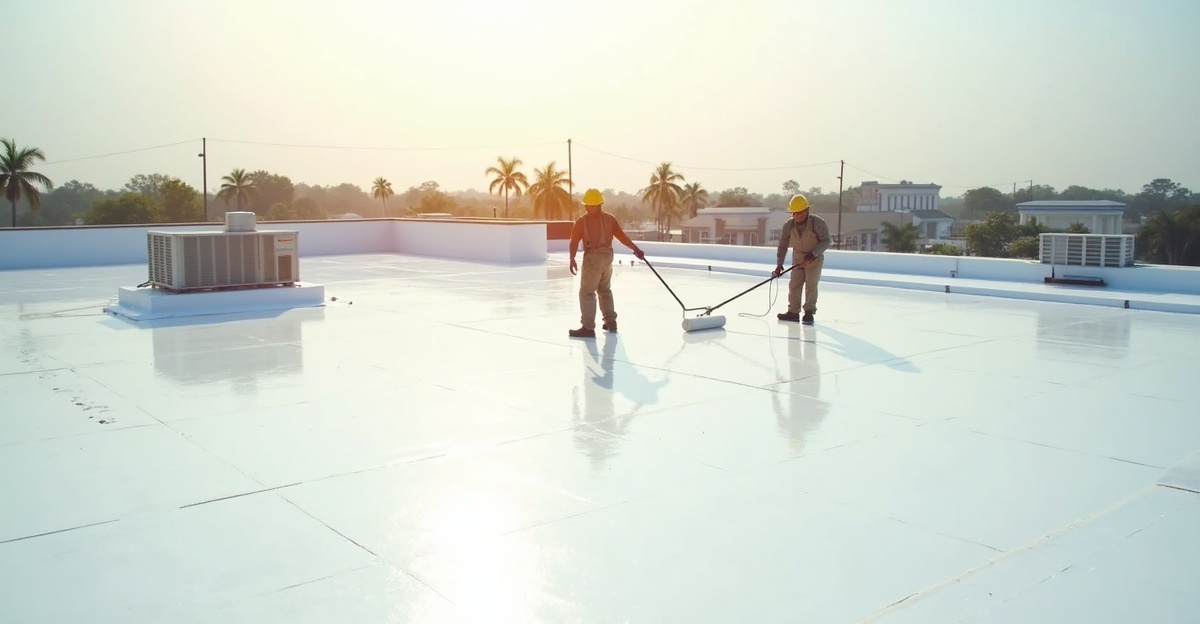
Commercial roof coating cost in Central and Northeast Florida typically ranges from $2 to $7 per square foot. We commonly see total project costs for 10,000 to 20,000 square foot buildings fall between $20,000 and $140,000. Roof condition, coating type, surface preparation, and warranty length drive that range. Florida’s intense UV exposure, heavy rainfall, hurricane code requirements, and the level of repairs or system thickness required all directly affect how much a commercial roof coating costs compared to repair-only work or full replacement.
Key Takeaways
- Commercial roof coating cost generally ranges from $2 to $7 per square foot, with larger, open roofs often achieving lower per-square-foot pricing.
- Preparation, repairs, substrate condition, moisture remediation, and required coating thickness significantly impact total project cost.
- Silicone, acrylic, and elastomeric systems vary in price and performance, especially for ponding water and Florida’s high-UV, high-humidity climate.
- Coatings cost less than full roof replacement but more than isolated repairs. We consider them a strong middle-ground solution that can extend roof life 10 to 20 years when the substrate remains sound.
- A professional quote should clearly outline inspection findings, prep work, system type, thickness, warranty terms, and exclusions. We recommend reviewing each of these closely to ensure an accurate cost comparison.
Realistic Commercial Roof Coating Cost in Central & Northeast Florida
Commercial roof coating cost in Florida typically ranges from $2 to $7 per square foot. The final number depends on roof condition, coating type, preparation work, and warranty level.
For small to mid-size commercial buildings between 10,000 and 20,000 square feet, projects often fall between $20,000 and $140,000 or more. That range may sound wide, and it is. Preparation, repairs, and system thickness drive much of the variation.
In Florida, pricing reflects real environmental stress. Intense UV exposure, high humidity, heavy rainfall, and hurricane considerations all affect materials and labor requirements. A roof in Central or Northeast Florida goes through a lot. Coatings must be installed with that climate in mind.
Flat roof coating cost is usually calculated per square foot. Complex layouts, multiple penetrations, or limited roof access can increase labor time and staging requirements. Larger, wide-open roofs typically benefit from lower commercial roof coating cost per square foot because crews move efficiently across open surfaces.
Compared to full tear-off and replacement, coatings almost always cost less. However, they cost more than simple repair-only projects that address isolated leaks. Many property owners view coatings as a middle ground—part protection plan, part restoration.
For a deeper breakdown of regional pricing factors, we’ve outlined specifics in our guide on commercial roof coating cost in Florida.
What Drives the Final Price of a Commercial Roof Coating Project
Square footage is the starting point, but it’s not the whole story. The commercial roof coating cost per square foot depends heavily on prep work, roof condition, and system requirements.
Roof size and accessibility matter immediately. Larger roofs often lower the per-square-foot rate. Tight access, limited staging space, or buildings with multiple elevations increase labor time.
Existing roof type also plays a role. TPO, EPDM, modified bitumen, and metal systems each require specific preparation methods. We frequently work on flat roofs and low-slope systems, where compatibility between coating and membrane determines long-term performance.
Condition of the substrate makes a major impact. Wet insulation, separated seams, storm damage, or membrane shrinkage add repair costs before coating begins. Moisture remediation can significantly increase the commercial roof restoration cost if saturation is widespread.
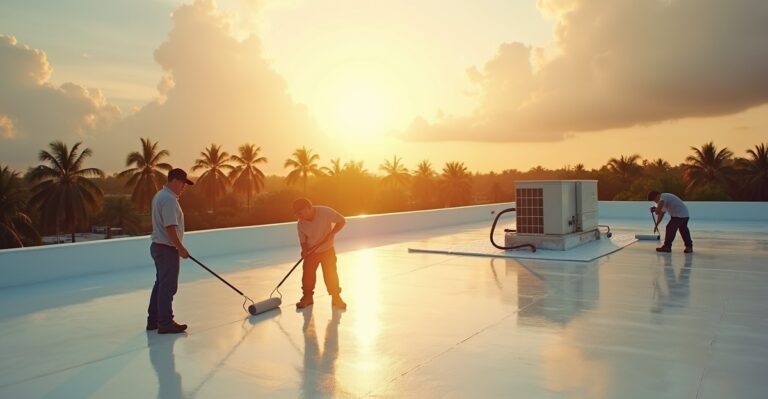
Cleaning and preparation are often underestimated. Pressure washing, debris removal, priming, seam reinforcement, and flashing repairs all take time. Thickness of application also affects price. A 10-year system requires less material than a 20-year system. More coats and reinforcement layers increase both labor and material costs.
Warranty length matters. Ten-, 15-, and 20-year warranties scale up in cost because they require additional mil thickness and documented application standards.
Florida building codes add another layer. Permits and hurricane-related considerations in certain counties influence fastening requirements and approved system types. Those compliance measures protect buildings long term, but they must be factored into the roof coating cost Florida property owners see on estimates.
Unexpected issues discovered during inspection can shift pricing. That’s why we always recommend a thorough evaluation before locking in final numbers.
Silicone, Acrylic, and Elastomeric Systems: Cost Differences Explained
Coating type strongly influences flat roof coating cost. Each system has strengths, trade-offs, and pricing differences.
Silicone roof coating cost often falls between $3 and $7 per square foot. Silicone performs exceptionally well against ponding water, making it a strong choice for flat roofs that hold water after heavy rain. In Florida’s wet climate, that advantage can protect the membrane long term.
Acrylic roof coating cost usually ranges from $2 to $4 per square foot. Acrylic systems are highly reflective and cost-effective. They work well in hot, sunny areas but may require recoating sooner if the roof experiences consistent ponding.
Elastomeric roof coating cost typically runs between $2.50 and $5.50 per square foot. These coatings are flexible and handle UV exposure effectively. They expand and contract with temperature changes, which helps reduce cracking over time.
Compatibility always comes first. A coating must bond correctly with the existing membrane. Thickness and reinforcement layers affect eligibility for longer warranties and raise overall commercial roof coating cost.
Hurricane exposure in Central and Northeast Florida may influence which system we recommend. Some buildings benefit from higher-performance silicone systems, while others can perform well with acrylic or elastomeric options.
We break down system selection in greater detail in our guide on which coating is best for a flat roof.
Roof Coating vs. Repair vs. Replacement: Comparing Long-Term Value
Many owners compare commercial roof coating cost against the price of full replacement. In Florida, replacement often ranges from $8 to $15 or more per square foot depending on system type. That puts coatings at a significantly lower upfront investment when the existing substrate remains sound.
Commercial roof restoration cost can extend roof life 10 to 20 years when properly installed over a stable membrane. Coatings also reduce tear-off expenses, minimize disruption to building operations, and limit landfill waste.
Repairs alone cost less initially. However, isolated patchwork doesn’t address widespread UV degradation or aging membranes across the entire roof. Over time, repeated repairs can add up without delivering system-wide protection.
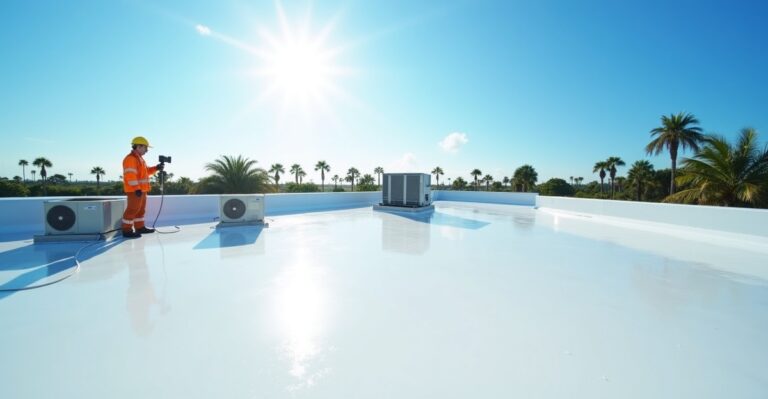
Coatings can also contribute to energy performance. Reflective systems reduce heat absorption in hot climates. For Florida buildings, that may lower cooling demand depending on insulation and HVAC conditions. We discuss this further in our breakdown of roof coating energy savings in Florida.
That said, coatings are not a universal solution. Severely saturated insulation, structural damage, or widespread active leaks may require commercial roof replacement. In some cases, new roof installation provides the stability a coating simply can’t achieve.
For a side-by-side breakdown of long-term value, we recommend reviewing our guide on coatings or replacements.
What’s Typically Included in a Professional Roof Coating Quote
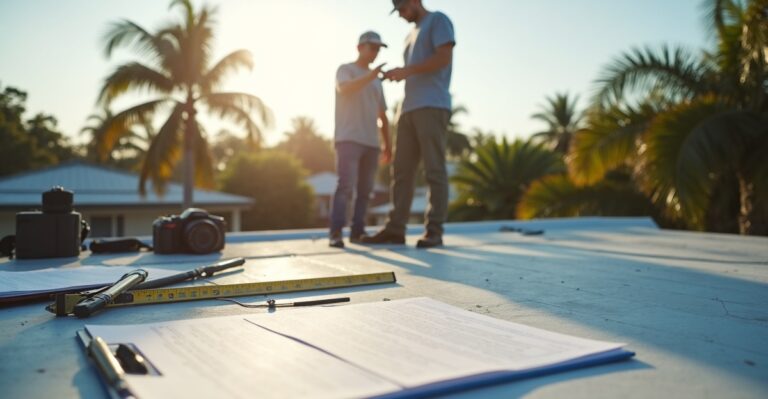
A clear proposal helps property owners compare commercial roof coating cost accurately. Every serious estimate should outline scope in writing.
A professional roof coating quote generally includes:
Core Components of a Coating Proposal
Before signing any contract, confirm these key elements are documented:
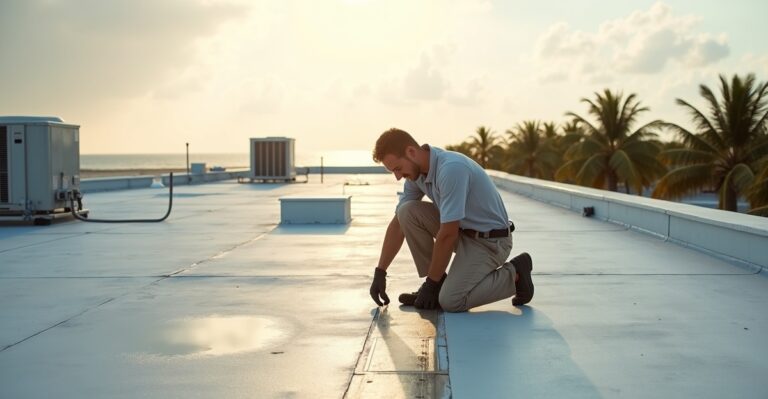
- Detailed inspection findings describing current roof condition
- Cleaning and preparation steps, including pressure washing and debris removal
- Minor repairs and seam reinforcement included in scope
- Specified coating system with required thickness in mils
- Warranty options (10, 15, or 20 years) and coverage details
- Project timeline and access planning
- Clarification of exclusions or potential add-ons such as major deck repair or insulation replacement
Comparing written scopes side by side prevents confusion. Two proposals with similar pricing may differ significantly in thickness, warranty, or preparation level. The lowest number doesn’t always represent the strongest long-term value.
Additional insight on performance and return on investment is available in our article on how commercial roof coatings save money.
When a Commercial Roof Coating May Not Be the Right Choice
Some roofs aren’t good candidates for coating. Extensive moisture trapped beneath the membrane often signals deeper failure. Saturated insulation loses thermal performance and can lead to structural concerns if ignored.
Severe deck deterioration also limits restoration options. If the structural base is compromised, coating over the surface won’t solve the root issue. Roofs far beyond their service life with widespread membrane breakdown may also require full replacement.
Repeated storm damage creates another red flag. If system integrity has been compromised multiple times, restoration may only offer a short-term patch.
A thorough inspection determines whether commercial roof coating cost represents a smart investment or a temporary fix. We approach every project with transparency. If coating makes sense, we’ll outline clear pricing and realistic expectations. If it doesn’t, we’ll explain why and recommend a stronger long-term option.
Property owners across Central and Northeast Florida rely on experienced local contractors for honest evaluations. Scheduling a detailed assessment allows us to review the roof’s condition, discuss goals, and provide a clear, written estimate based on real findings. To begin that process, request a professional review through our contact page.