What Are the Warning Signs of a Roof Leak?

Warning signs of roof leaks aren’t always obvious. Often, they show up inside first—ceiling stains, a musty smell, or peeling paint. In Florida’s harsh weather, even a few missing shingles or worn-out flashing can let water seep in. Small issues like these may cause serious structural problems over time if we don’t address them early.
Key Takeaways
- Look for brown or yellow stains on ceilings, especially after heavy rain—these usually point to a leak.
- A damp, musty smell or visible mold indoors may mean trapped moisture in walls or attic spaces.
- Watch for cracked, curled, or missing shingles and corroded flashing—these exterior signs signal damage.
- A sagging roof or soft patches on drywall can indicate long-term water exposure and possible structural issues.
- If attic insulation feels wet or daylight shines through roof boards, call a roofing expert without delay.
Spot the Signs: What Water Stains, Odors, and Ceiling Cracks Are Telling You
Some of the clearest roof leak symptoms start inside. Most folks notice something’s wrong only after damage has already gotten inside—but catching the subtle clues early can save time, money, and stress.
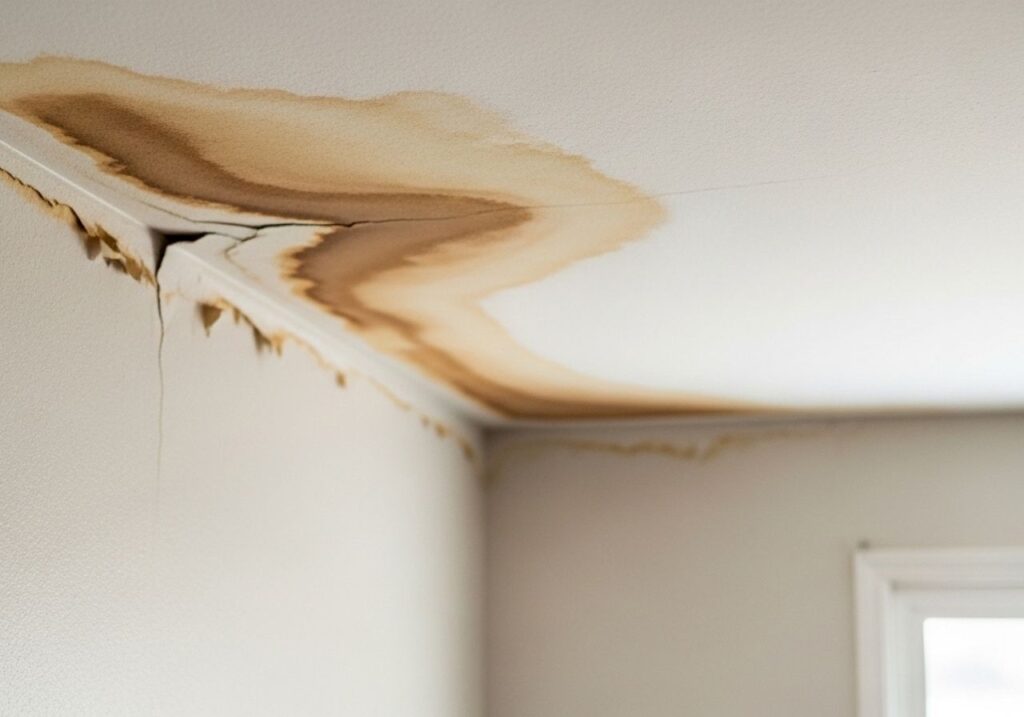
Look closely at your ceilings and upper walls. Brown or yellow patches, especially after a summer thunderstorm or prolonged rain, often signal roof issues. These stains are common signs of water damage ceiling areas tend to show first. If spots appear repeatedly in the same area or expand quickly, the leak may be active and growing.
Musty or moldy smells indoors shouldn’t be ignored. These odors often point to trapped moisture behind drywall or inside attic insulation. Moisture hidden this way can feed mold growth, weaken building materials, and trigger unsafe air quality, as the EPA explains in its guidance on mold and moisture control in homes.
Keep an eye out for bubbling or peeling paint, soft drywall, or even ceiling cracks. These symptoms may seem like cosmetic problems, but they’re often caused by prolonged moisture exposure. These visible cues are how the building tries to warn us before more serious deterioration kicks in.
What You Can See from the Outside: Visual Cues That Shouldn’t Be Ignored
We don’t always need ladders or heavy tools to spot early signs of roof damage. A careful look from ground level or across the street can reveal plenty about the roof’s condition.
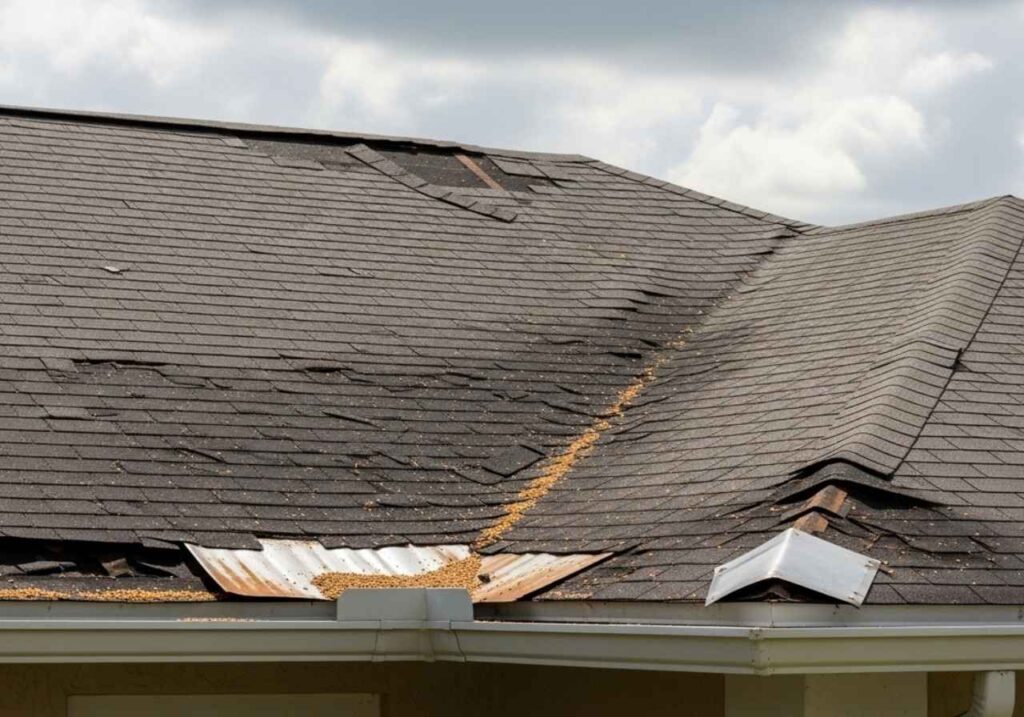
Missing, cracked, or curling shingles are often the most obvious warning signs roof leak issues may be close behind and are common signs of storm damage roof problems after severe weather. After a strong wind event, storm gusts can lift shingles or break sealant bonds, leaving the layers beneath unprotected. Watch for granule buildup in gutters—another signal your shingles may be deteriorating, as noted by the Asphalt Roofing Manufacturers Association in its guidance on asphalt shingle wear.
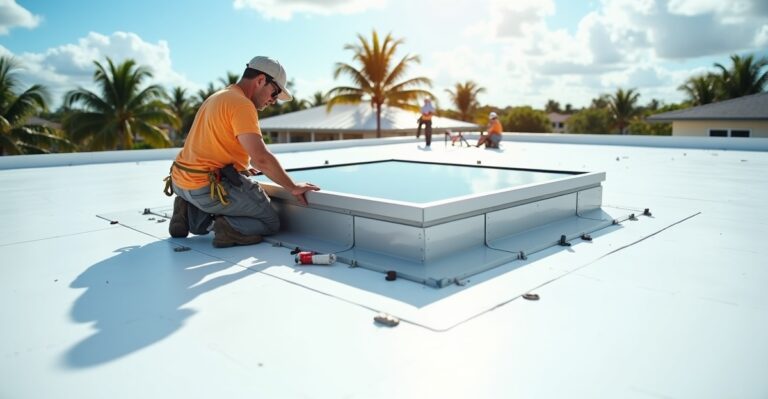
Around skylights, chimneys, or roof vents, flashing damage is worth serious attention—especially if you’re wondering do skylights cause roof leaks. If metal trim in these areas appears rusted, bent, or loose, water could be sneaking in nearby. Florida’s fast rainfalls and humid climate don’t give us much grace before water gets inside.
If the roofline looks sunken, wavy, or unusually sloped, it may be sagging from long-term saturation. Constant sun exposure and repeated wetting can weaken roof decking over time. Sagging shows the issue has likely moved past surface damage into structural risk.
For any suspicious damage after bad weather, take a closer look at possible storm damage roof leak clues. Small roof flaws can become major problems in Florida’s rainy seasons.

Hidden Trouble in the Attic and Structure
Some of the most serious leak warnings happen where we don’t usually look—inside attic spaces and hidden layers.
One of the first red flags in an attic is wet or compressed insulation. If it feels damp or looks unusually packed down, moisture may have gotten in from above. These wet attic insulation signs can quietly drive up energy bills, lower air quality, and create a lasting mold risk.
Light coming through the roof boards is another giveaway. We should never see daylight patches from inside the attic—this often points to holes, gaps, or lifted shingles that have allowed moisture through.
Look near beams or rafters. Stains, rot, or moisture marks are visual alerts. Wood around the framing that’s turning dark or soft is a sign water has been there longer than it should.
For commercial roofs—especially flat roofs—watch for ponding. Pooling water or bubbling materials on top of the structure can signal damage to the protective membrane. These commercial roof leaks often start small but can quickly affect ceiling tiles, HVAC systems, and stored inventory inside.

The Florida Factor: Why Leaks Happen Faster Here
Living in Florida means enjoying the sunshine—but it also means our roofs take more punishment than most.
We deal with high humidity, hurricane-force winds, salt air, and severe UV all in one region, as documented by NOAA’s climate and hurricane data for Florida. That mix wears down roofing materials quicker than in milder places. What might be a 25-year shingle somewhere else may struggle to last half that time here without good maintenance.
During high humidity months, moisture lingers on rooftops longer. That opens the door to algae and mold growth, especially on shaded parts of the roof. Coastal homes face an extra challenge: corrosive salt air eats away at metal flashing and fasteners.
After a summer thunderstorm or tropical storm system, watch closely for new stains or signs of movement, especially in a state where Florida Building Code wind-resistance standards are designed to address hurricane exposure. Even newer roofs can develop a leaking roof in Florida if flashing or fasteners were damaged by flying debris or suction forces.
Water stains on ceiling Florida homes often show first due to how quickly water travels from the roof cavity to ceiling panels. When in doubt, document the stain and check for changes daily.
When to Watch vs. When to Act: A Quick Checklist
Understanding how to tell if your roof is leaking starts with deciding which symptoms need a roofing professional—and which situations can be safely monitored for now.
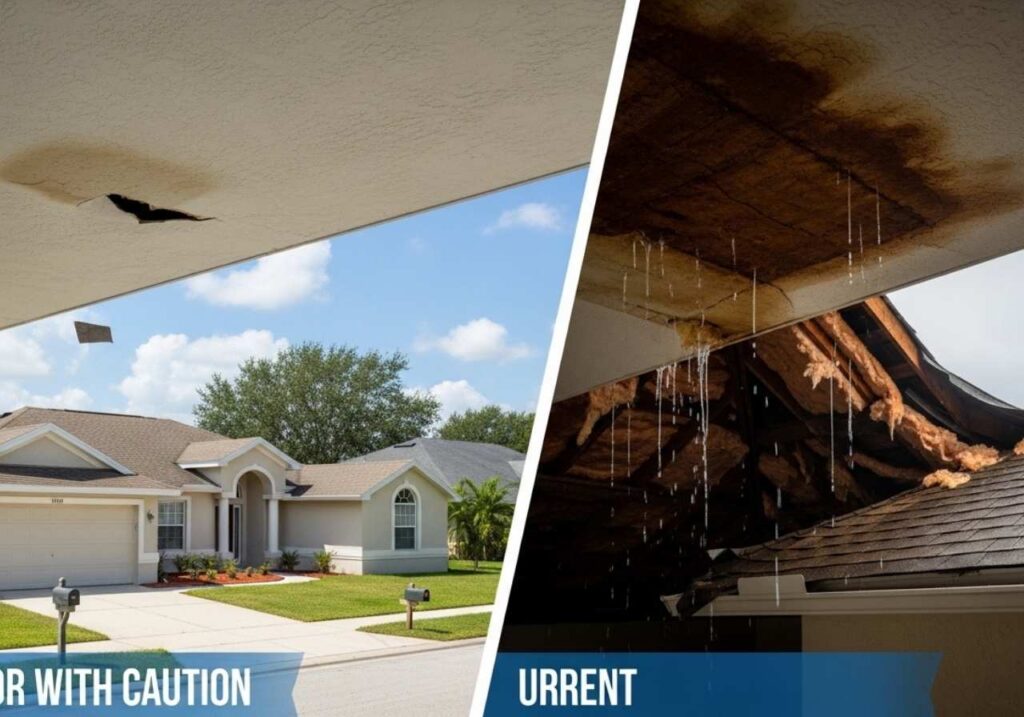
Monitor with Caution
The following may not require immediate repair but should be watched closely:
- Minor ceiling discoloration after one heavy storm (if it doesn’t grow or return).
- One or two missing shingles in a small area, especially if no visible leaks appear inside.
- A previously repaired area that looks stable, but where water marks have returned faintly.
These might only need a check-up or preventative patch—just don’t ignore them forever.
Act Quickly if You Notice
Address these issues as soon as possible:
- Rapidly spreading ceiling stains or fresh water streaks down walls.
- Active dripping indoors, even a slow one.
- Black spots or visible mold growth in attic or ceiling spaces.
- Sagging, sloping, or noisy roof decking.
- Several patches of wet or moldy attic insulation.
All these signs point to existing damage that needs expert repair now to avoid structural risk or deeper water intrusion.
Unsure what’s normal wear and what’s not? Schedule preventative service with a roof inspection team that knows Florida roofing systems inside and out.

Spotted a Problem? Here’s What to Do and Who to Call
If something seems off, trust your instincts—but stay safe first.
Place a bucket or container under any dripping water. If the ceiling appears soft or bowed, avoid touching it—the area could collapse from inside pressure. Take a few wide-angle and close-up photos of affected areas. These images could help with your insurance claim or show the roofer what’s changed.
Try to visually check your roof from the ground. If you see shingle patches missing, flashing bent or lifted, or debris lodged in your gutter regions, these may identify where the breach occurred—but never climb a damaged roof yourself.
Leaks may seem random, but they usually follow patterns we understand well. From storm-related roof repairs to tricky flat roof leaks, our team has decades of experience with Florida conditions. Pyramid Roofing Fla is family-owned, licensed, and committed to helping our neighbors protect their homes and businesses.
Whether it’s a fast fix or ongoing support like roof repair services or improved ventilation upgrades, we’re here when you need clarity.
Noticed a possible warning sign? Our local team can help you get peace of mind—schedule your inspection today.
Frequently Asked Questions
The most common interior warning signs of a roof leak include brown or yellow ceiling stains, musty odors, peeling paint, and soft or bubbling drywall. These symptoms usually appear after heavy rain and indicate moisture has entered the roof system. Ignoring them can allow hidden water damage and mold growth to spread.
Yes, a roof can leak without visible stains. Water may collect in attic insulation, wall cavities, or roof decking before reaching ceilings. Early signs include musty smells, higher indoor humidity, or damp insulation. These hidden leaks often worsen over time and cause structural damage before obvious stains appear.
Exterior warning signs of a roof leak include missing, cracked, or curling shingles, damaged flashing around vents or chimneys, and granules collecting in gutters. A sagging or uneven roofline can also signal long-term moisture damage. These issues allow rainwater to penetrate the roof layers.
Even small roof leaks can be dangerous if left untreated. Minor leaks can lead to mold growth, rotting wood, weakened insulation, and increased energy costs. Over time, moisture can compromise roof decking and structural framing, turning a small repair into a major and expensive roofing problem, according to federal housing guidance on moisture-related structural damage.
You should call a professional as soon as you notice recurring ceiling stains, active dripping, mold growth, sagging ceilings, or wet attic insulation. These warning signs indicate ongoing water intrusion. Prompt inspection and repair help prevent further structural damage and reduce long-term repair costs.