What Is the Average Lifespan of a Flat Roof?
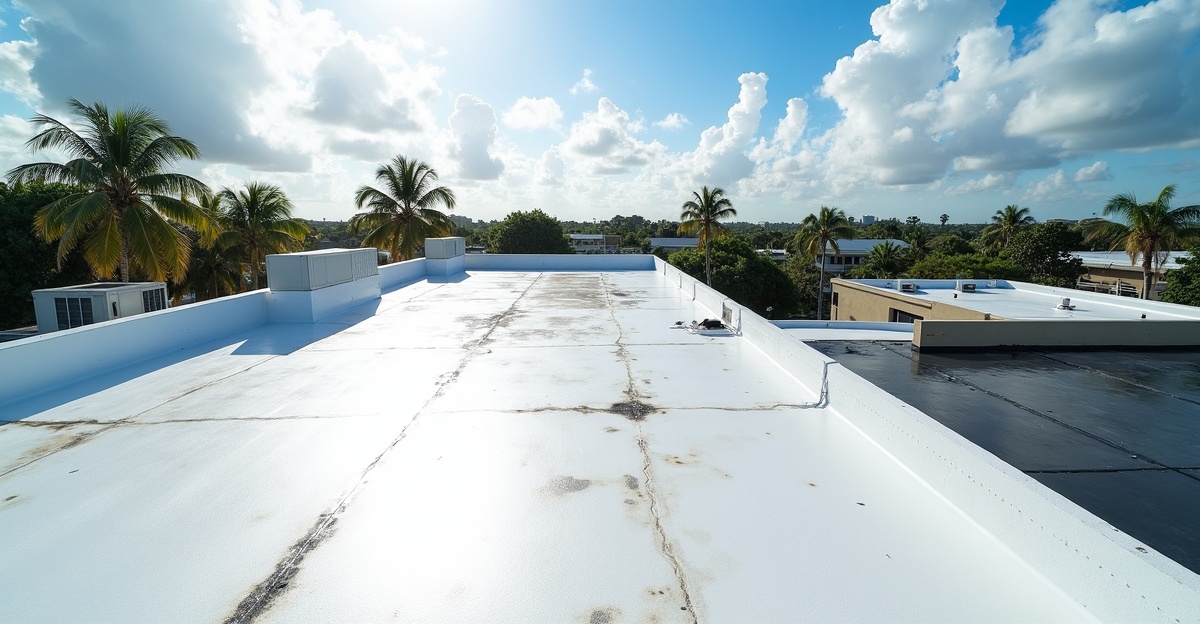
Florida’s climate pushes flat roofs to their limits. Heat, humidity, salt air, and intense storms all combine to wear down roofing systems faster than in milder regions. Depending on the material, craftsmanship, and upkeep, most flat roofs here last between 10 and 30 years.
Key Takeaways
- TPO, Modified Bitumen, and EPDM flat roofs usually provide 15–25 years of durability in Florida. Built-Up Roofs can last up to 30 years if maintained well.
- Coated roofing systems have shorter lifespans—typically 10–20 years—but can last longer with regular recoating.
- A poor install, blocked drainage, or stalled maintenance can drastically shorten any roof’s life. Material alone won’t fix those issues.
- Florida’s intense sunlight, high moisture levels, salty air, and storm activity all speed up wear—especially for systems not prepared for these conditions.
- Regular inspections and prompt repairs help keep a flat roof performing like it should, possibly adding years to its lifespan.
How Long Do Flat Roofs Typically Last in Florida?
Flat roofs are a popular option across Florida for both residential and commercial properties. But their lifespan can vary quite a bit depending on the type of system installed, how it’s maintained, and Florida’s intense weather patterns. To understand the average flat roof lifespan in Florida, it helps to start with the most common material types and how they typically perform under local conditions.
Here’s a look at the expected lifespan for each major flat roofing system:
- TPO (Thermoplastic Olefin): 15–25 years. Known for its energy efficiency and reflective surface, it performs well in Florida when installed correctly.
- Built-Up Roof (BUR): 20–30 years. This traditional multi-layer system handles heat and foot traffic well.
- Modified Bitumen (Mod-Bit): 15–25 years. A durable, asphalt-based option with reinforcement for added strength—especially appealing for properties with frequent maintenance access needs.
- EPDM: 20–25 years. While common elsewhere, this rubber-based membrane is less favored in Florida because high humidity challenges its longevity.
- Coated Roof Systems: 10–20 years. These depend heavily on coating type, sun exposure, and how often reapplications occur.
These numbers assume proper installation and consistent upkeep. Florida’s high UV exposure—as documented by NOAA’s Florida climate data—along with moisture levels and storm events can all accelerate wear. That’s why installation quality, slope design, drainage planning, and annual maintenance all impact actual performance far more than material alone. For instance, poor installation or neglect could cut even a premium system’s lifespan in half.
Get deeper insights into specific material advantages with our guide to flat roof system benefits for Florida.
What Factors Affect the Life of a Flat Roof in Florida?
Florida presents some unique challenges for flat roofing systems. It’s not just wear and tear—it’s the weather, the salt in the air, and how well the roof is built to handle water and heat.
Key Climate Pressure Points
Here’s how Florida’s environment works against flat roofs over time:
- Intense UV radiation: Constant sun exposure breaks down roofing membranes, especially if the surface isn’t UV-reflective.
- High humidity and rainfall: These create ideal conditions for trapped moisture and mold growth beneath materials.
- Coastal salt air: Salt accelerates corrosion on metal edges, vents, and flashing—especially near the coastlines.
- Hurricane winds and debris can puncture membranes, tear seams, or fold corners—a risk FEMA highlights in its hurricane mitigation guidance for roof systems—if the roof isn’t properly secured.
Other Contributing Factors
Material matters, but so does the system around it:
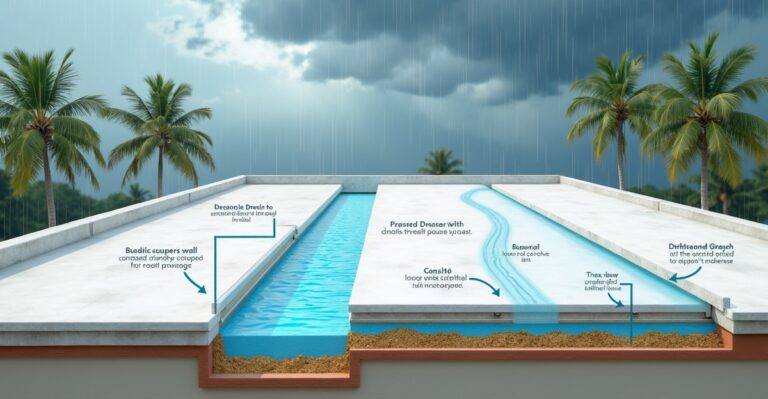
- Drainage and slope design: Flat roofs aren’t dead-flat—they should have a slight slope for runoff. Poor drainage leads to ponding, which stresses seams and increases leak risk—a problem the National Roofing Contractors Association explains in its guidance on low-slope roofing systems.
- Installation quality: Experienced installers understand Florida-specific requirements. Poor workmanship affects even the best materials.
- Ventilation and insulation: Trapped heat below the roof surface can reduce energy efficiency and warp materials over time.
Choosing the best roofing materials for Florida heat can help cushion some of these effects. But thoughtful design and expert installation are just as important.
Recognizing When Your Flat Roof Needs Attention
Staying ahead of problems can extend your roof’s life and prevent costly repairs. It starts by spotting early warning signs that your system might need help.
Common Signals That Point to Repair or Replacement
Here are some symptoms to look out for:
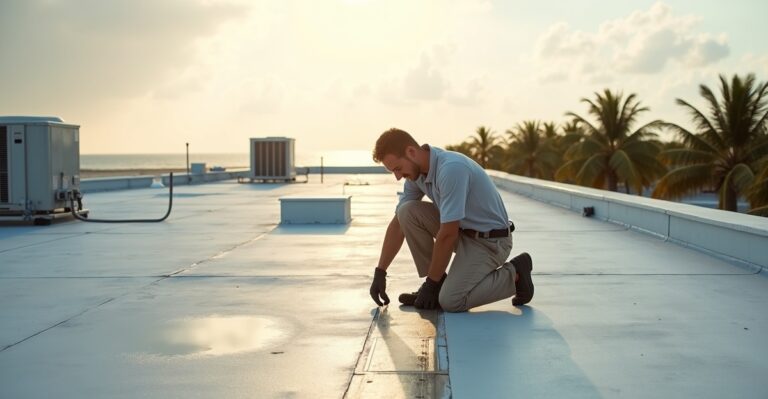
- Water that lingers more than 48 hours after rain (“ponding” water)
- Blisters, cracks, or seams pulling apart on the membrane
- Water stains, mildew smells, or mold on ceilings or upper walls inside the building
- Noticeably higher cooling bills, sometimes caused by lost insulation from leaks or heat transfer
If we’re spotting frequent leaks or water damage inside—it’s time to take a closer look. Catching small problems early often means simpler, less expensive repairs rather than a full system replacement.
And remember: signs may show up differently for homes versus business buildings. Commercial flat roofs often support foot traffic, HVAC units, or solar panels—so wear may be more localized. In contrast, residential flat roofs usually show age through inside leak marks or poor drainage evidence.
Not sure whether to patch or replace? Our post on how often flat roofs should be maintained offers more guidance.
Flat Roof Types: Comparing Options for Florida Homes and Businesses
Each roofing material performs differently. Some resist sun better, others hold up under foot traffic or storms. Comparing the options helps clarify what will work best for the needs of any property.
Most Common Flat Roofing Systems in Florida
Here’s a breakdown of the key options available:
- TPO: Lightweight and reflective, TPO is a favorite for commercial buildings looking to reduce cooling costs. It balances affordability with decent resilience.
- Built-Up Roofing (BUR): This system acts like asphalt armor, with multiple layers of tar and felt. It’s ideal for roofs expecting more traffic or long-term use.
- Modified Bitumen: Flexible and tough, mod-bit performs well in high-traffic residential or light commercial spaces. It’s also more forgiving during temperature swings.
- EPDM: Rubbery and UV-resistant, but tends to absorb heat and struggle in Florida’s humid climate.
Material Comparison Overview
| Material | Typical Lifespan | Estimated Install Cost | Best Use | Challenges |
|---|---|---|---|---|
| TPO | 15–25 years | Moderate | Commercial roofs | Seam weaknesses if not welded properly |
| BUR | 20–30 years | Higher | Durable coverage for flat residential or commercial | Heavy; slower to install |
| Modified Bitumen | 15–25 years | Moderate | Residential or low-rise commercial | Can lose reflectivity over time |
| EPDM | 20–25 years | Lower | Inland residential use | Less suited for humidity and salt air |
Explore our full options and services, including TPO and more, at our flat roofing page.
How to Extend the Lifespan of Your Flat Roof
Consistent upkeep can add years to a flat roof’s life. Here are straightforward ways to protect the investment:
- Remove debris from the roof and roof drains after storms
- Keep gutters, scuppers, and drainage outlets flowing
- Have a professional inspect your roof annually or after major storms
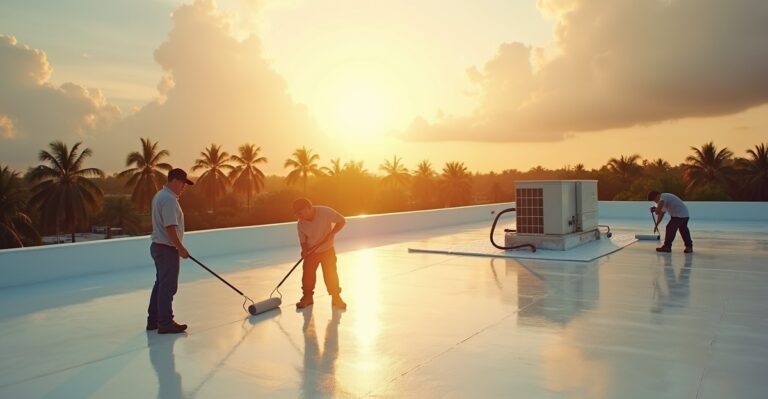
- Consider applying reflective coatings to reduce UV wear—especially on BUR or mod-bit roofs—as highlighted in the U.S. Department of Energy’s guidance on cool roof performance
- Fix minor issues quickly to avoid larger structural repairs
Adding a coating system can also refresh an aging roofing membrane, especially when maintained on schedule. Learn about these benefits in our article on how roof coatings extend roof life or explore roof coating services we offer.
Proactive maintenance like this also plays a big role in maintaining manufacturer warranties. Many warranty terms require documented inspections and upkeep, as outlined in major roofing manufacturers’ warranty maintenance requirements.
To stay organized, we suggest setting simple seasonal reminders or keeping a checklist based on maintenance milestones. For instance, scheduling inspections each spring and fall can help align care with Florida’s rainy and hurricane seasons.
The Role of Inspections, Maintenance, and Choosing the Right Contractor
Flat roofs thrive under expert oversight. Whether it’s a large-scale commercial install or a recoat on a backyard addition, professional guidance protects property value.
Planned inspections help catch developing issues—like seam lifting or flashing gaps—before they allow water intrusion. For commercial properties, this can be the difference between a day of minor repairs or weeks of revenue loss.
Compliance also matters. The Florida Building Code’s roofing requirements include slope, insulation, and venting standards designed to withstand hurricane-force conditions. Licensed contractors understand how to meet those rules during upgrades or replacements, ensuring any work holds its permits and insurability.
Serving Northeast and Central Florida communities for over 20 years, Pyramid Roofing Fla works closely with both homeowners and business owners to ensure their roofs are ready for anything Florida weather throws at them. We combine hands-on local experience with clear communication to give property owners a practical plan—whether it’s a repair, replacement, or a full new roof installation.
Sometimes repairs just aren’t enough. If the roof is near the end of its expected lifespan or issues keep coming back, it may be smarter to talk through a cost-effective replacement option.
Not sure where your system stands? We’re here to help. Use our contact form to schedule a professional inspection or request a quote for your flat roof.
Whether you need residential care or commercial flat
Frequently Asked Questions
The average flat roof lifespan in Florida ranges from 10 to 30 years. Longevity depends on the roofing material, installation quality, drainage design, and maintenance. Florida’s intense sun, humidity, heavy rain, and storms accelerate wear, so roofs here often age faster than in cooler climates, especially if inspections and upkeep are skipped.
Built-up roofing typically lasts the longest in Florida, often reaching 25–30 years with proper care. Its multiple layers resist heat, UV exposure, and foot traffic better than single-ply systems. TPO, EPDM, and modified bitumen usually last 15–25 years, while coated systems depend heavily on reapplication schedules.
Yes, Florida weather significantly shortens flat roof lifespan if the system is not designed for it. Strong UV radiation breaks down membranes, high humidity traps moisture, and heavy rain stresses seams and drains. Coastal salt air can corrode metal components, while hurricanes increase the risk of punctures and membrane lifting.
You can extend a flat roof’s life by keeping drains clear, removing debris after storms, and scheduling annual professional inspections. Promptly repairing small leaks or seam issues prevents widespread damage. Reflective coatings can also reduce heat stress and UV degradation, especially on aging roofs or asphalt-based systems.
A flat roof should be repaired when damage is localized, leaks are infrequent, and the system is still within its expected lifespan. Replacement is usually smarter when leaks recur, insulation is saturated, or the roof is nearing 20–30 years old. Ongoing repairs on an aging system often cost more long-term than replacement.