What Should Be Included in a Roofing Estimate?
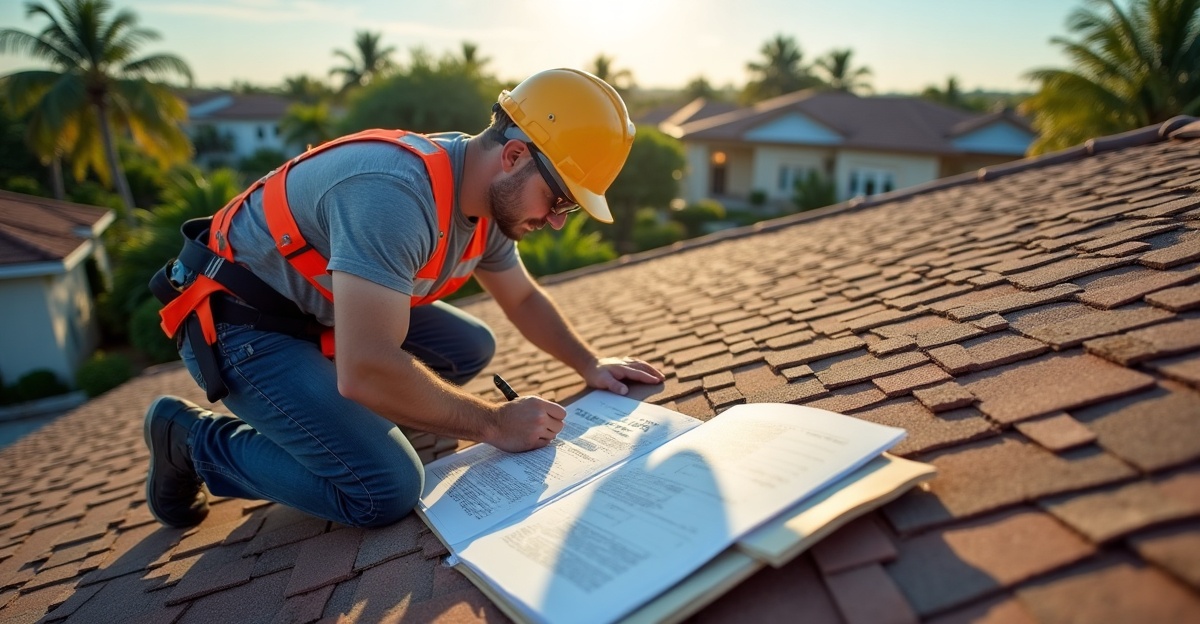
A complete roofing estimate should list the roof’s condition, work scope, materials, labor, permits, disposal, warranties, payment terms, and approval steps for unexpected repairs. We use this roofing estimate checklist to compare proposals line by line. This matters for Florida projects, where wind rules, local codes, and coastal exposure can change the final scope and price.
Key Takeaways
- Document the roof condition with measurements, photos, and a clear repair or replacement scope to prevent misunderstandings.
- Identify the manufacturer, product line, underlayment, flashing, fasteners, sealants, ventilation, and installation method for every material.
- Confirm that the estimate covers permits, inspections, fees, tear-off, decking repairs, debris removal, cleanup, and property protection.
- Review warranty coverage, exclusions, payment milestones, project timing, and the contractor’s supervision and communication plan.
- Require written pricing and written approval before contractors start supplemental work for damaged decking, hidden moisture, or code-required upgrades.
What a Complete Roofing Estimate Should Show Before We Compare Prices
A complete roofing estimate should clearly identify roof condition, scope of work, materials, labor, permits, disposal, warranties, payment terms, timeline, exclusions, and the approval process for unexpected work. The bottom-line price matters, but the details behind that number matter far more.
A low quote may leave out flashing, upgraded underlayment, permit costs, debris disposal, ventilation work, or warranty coverage. Those omissions can create added costs later or leave critical parts of the roof system unaddressed. We should compare estimates line by line, rather than comparing totals alone.
For an active leak or recent storm damage, safety comes first. If conditions allow, document visible damage from the ground or inside the building, move or protect interior belongings, and use safe temporary protection only where appropriate. We should never climb onto a damaged roof or attempt risky repairs. Schedule a professional inspection promptly, especially after severe weather. Our storm damage repair services help Central and Northeast Florida property owners document damage and identify practical next steps.
Florida projects often require extra attention because wind exposure, coastal conditions, local permitting, insurance documentation, and code updates can change the work required. Requirements depend on the property location, project type, applicable code, and local authority.
The Roofing Estimate Checklist: Condition, Scope, Materials, and Installation Details
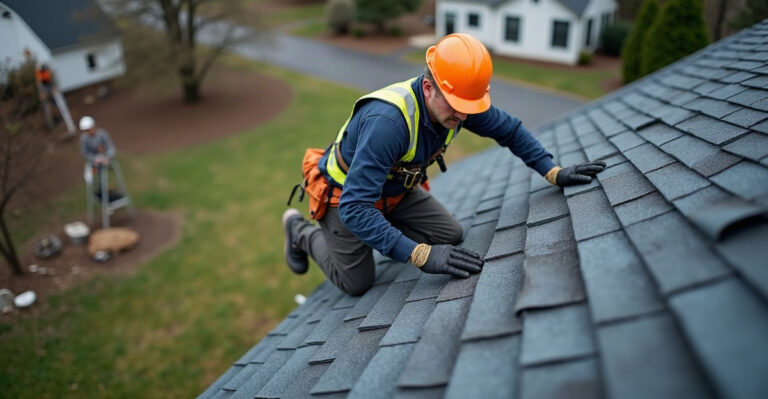
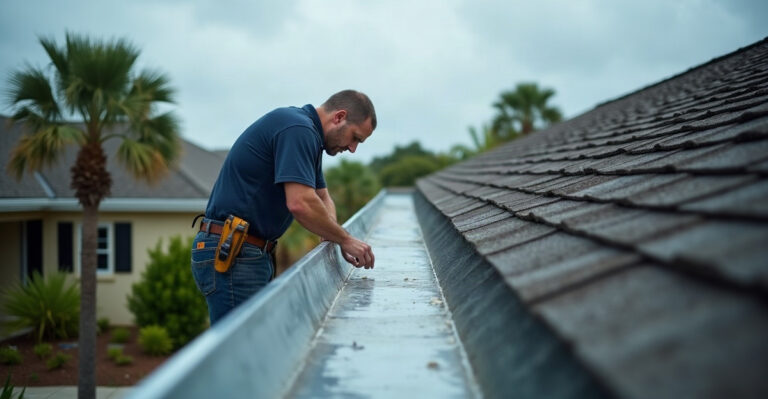
A useful roofing estimate checklist gives us a clear way to review any proposal before signing. Transparent estimates include written observations, measurements, and photos when appropriate. They should explain the existing roof condition, including visible leaks, missing or damaged shingles, ponding water, deteriorated flashing, roof age, prior repairs, decking concerns, drainage issues, and storm-related damage.
Review These Items in Every Proposal
Use this checklist to compare repair, replacement, and coating proposals:
- Roof condition and scope: Document the affected areas, inspection findings, repair method, and intended result. A roof repair estimate should state whether the repair is temporary or long-term and disclose any matching-material limitations.
- Replacement work: Confirm tear-off requirements, the number of existing layers included, underlayment, decking evaluation, flashing replacement, ventilation, installation method, disposal, cleanup, and site protection.
- Material specifications: Require the manufacturer, product line, material type, color when applicable, underlayment, flashing materials, fasteners, sealants, and ventilation products in writing. “Architectural shingles,” “metal roofing,” or “silicone coating” alone does not provide enough detail.
- Coating scope: A roof coating estimate should identify substrate condition, repairs, cleaning, preparation, moisture testing when appropriate, primer, coating system, seams and penetrations, application rate or dry-film thickness, drainage considerations, maintenance needs, and warranty requirements.
- Labor and property protection: Confirm labor scope, tear-off, disposal method, final cleanup, and protection for driveways, landscaping, HVAC equipment, exterior walls, and occupied spaces.
- Often-missed components: Make sure flashing, underlayment, ventilation, drainage, fasteners, sealants, and roof penetrations are itemized instead of assumed.
- Project administration: Verify permits and fees, timeline, payment schedule, warranty terms, exclusions, and the supplemental-work approval process.
Whether we need focused roof repair services or a complete roof replacement, the proposal should explain exactly what the crew will install and why it belongs in the system. For a closer look at project sequencing, review the roof replacement process.
Permits, Schedule, Site Access, and Florida-Specific Requirements
The inclusion of permits and fees in roofing estimates deserves a clear written answer. Permit application, permit fees, inspections, and administrative costs may be included in the contract price or billed separately. The estimate should state which approach applies.
Permit, inspection, and code requirements vary by Florida municipality, county, roof type, and project scope. Wind-resistant installation requirements, coastal exposure, storm damage, code-required upgrades, and local building requirements can affect materials, installation methods, cost, and scheduling. We should confirm property-specific requirements with the applicable jurisdiction and review relevant Florida Building Code, local permitting, and manufacturer documentation.
A complete proposal also states the anticipated start date, estimated duration, work hours, weather contingencies, access requirements, communication plan, and the person supervising the job. For general scheduling expectations, our guide explains how long roof replacement takes.
Commercial properties need additional planning. Estimates should address roof access, safety procedures, staging, occupied-building protection, rooftop equipment coordination, drainage, tenant schedules, operating hours, and business-disruption planning. Those details protect people, property, and day-to-day operations.
Warranties, Payment Terms, Exclusions, and Approval of Extra Work
Manufacturer material warranties and contractor workmanship warranties cover different things. A manufacturer warranty generally addresses qualifying product defects. A workmanship warranty addresses installation-related issues under the contractor’s stated terms. We should verify duration, covered failures, exclusions, transferability, registration requirements, maintenance obligations, and whether the selected roof system qualifies.
Payment terms should identify the deposit amount, progress-payment milestones when applicable, accepted payment methods, financing details if offered, final-payment timing, and treatment of approved change orders. Clear payment terms protect both the property owner and contractor.
Exclusions and assumptions are non-negotiable review items. They may include structural repairs, interior water damage, mold remediation, electrical work, solar-panel removal or reinstallation, landscaping repairs, concealed substrate damage, and other unforeseen conditions. Specific exclusions are not automatically a concern; vague or unexplained exclusions deserve clarification.
A supplemental roofing estimate is an additional written proposal issued after concealed conditions appear during work. Common examples include rotted decking, moisture-damaged substrate, structural concerns, code-required upgrades, or damage hidden below existing materials. Legitimate supplemental work should include photos, a plain-language explanation, separate pricing, and approval before work proceeds whenever possible.
For budgeting context before reviewing a repair proposal, see our guide to Florida roof repair costs. Replacement planning may also benefit from our overview of new shingle roof costs.
What a Commercial Roof Coating Estimate Needs to Include
A roof coating estimate has different requirements than a shingle replacement estimate. We should not evaluate a commercial coating project using residential replacement criteria alone. The proposal must identify the substrate type and condition, needed repairs, surface cleaning, preparation, moisture testing when appropriate, primer, coating product or system, seam and penetration treatment, application method, required application rate or dry-film thickness, drainage considerations, maintenance requirements, and system-warranty terms.
Ponding water, damaged substrate, open seams, flashing details, penetrations, rooftop equipment, and drainage concerns may need correction before coating application. Applying a coating over unresolved moisture or substrate problems can limit system performance and warranty eligibility.
For occupied buildings, the estimate should also explain roof access, crew safety, staging, employee and tenant protection, work-hour planning, equipment coordination, and steps to reduce disruption. Confirm the product manufacturer, coating type, thickness, maintenance obligations, and warranty eligibility in writing before authorizing work.
How to Compare Roofing Estimates Fairly and Questions to Ask Before Signing
Set estimates side by side and compare the same categories: scope of work; material manufacturer and product line; tear-off and disposal; underlayment and flashing; decking allowance or repair pricing; permits and fees; ventilation or drainage work; warranty terms; exclusions; payment schedule; timeline; and supplemental-work approval process.
For example, one bid may include new flashing and permit fees while another lists only shingle installation. The lower initial price may not cover the same work. Complete value, documented scope, clear communication, and accountability should guide the decision—not the lowest number on the page.
Before signing, ask whether the full scope is itemized; whether permits, inspections, and related fees are included; which brands and product lines will be installed; whether tear-off, disposal, flashing, underlayment, and ventilation are included; how damaged decking or hidden moisture will be priced; what work is excluded; which warranties apply; who will supervise the job; and how the property or business operations will be protected.
Ventilation, gutters, and fascia often affect roof performance and should be addressed where needed. Our roof ventilation services, gutter services, and fascia and soffit repairs can be included in a coordinated project scope.
Need help comparing roofing estimates? We can inspect the roof, explain the scope clearly, and provide a detailed proposal for Central or Northeast Florida properties. Start by reviewing our guidance on choosing a roofing contractor, then request an estimate from Pyramid Roofing FLA.