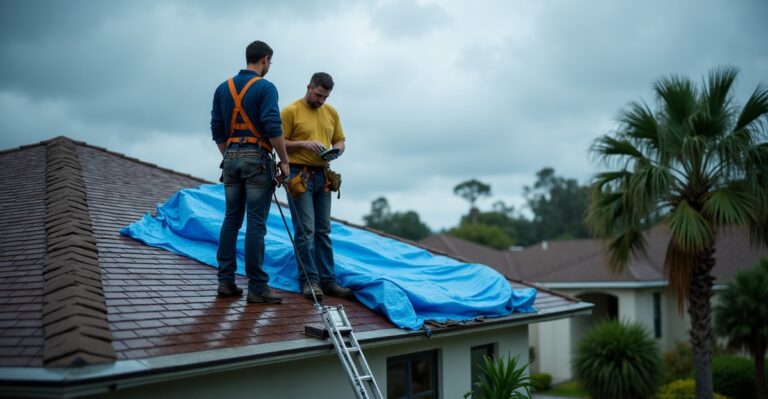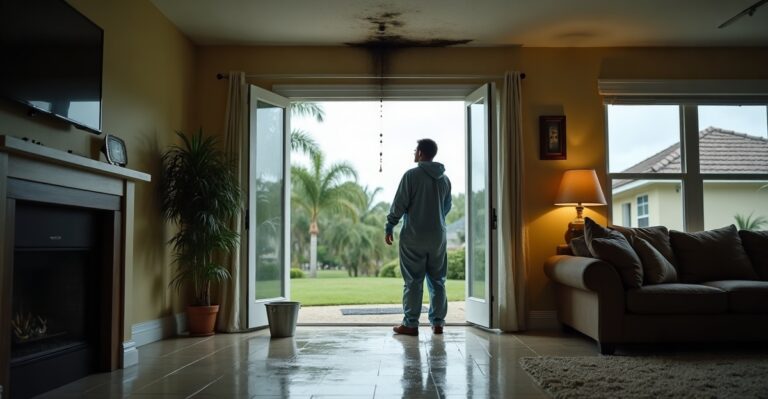
Residential Roofing in Tampa: A Complete Homeowner’s Guide
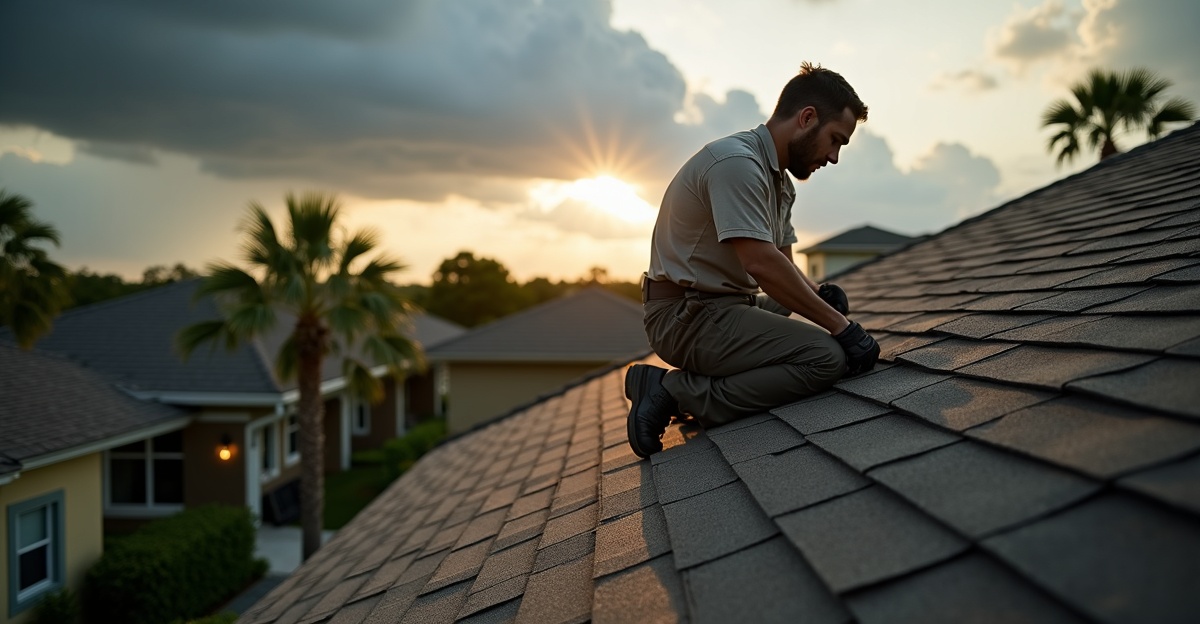
Residential roofing Tampa projects demand careful planning because hurricanes, heavy rain, humidity, and strict Florida building codes place heavy demands on materials, fastening systems, and inspections. We approach every project with storm resilience in mind. Our complete homeowner’s guide explains how we determine whether repair or replacement makes sense, compare costs and materials, handle permits and insurance, and maintain long-term performance in Tampa’s climate.
Key Takeaways
- Tampa’s climate and Florida building codes require roofing systems built for wind resistance, moisture protection, UV exposure, and proper permitting and inspections.
- Roof repair works for isolated damage on newer roofs, while replacement often delivers better value for aging systems, widespread issues, or recurring leaks.
- Asphalt shingles typically cost less upfront but last 15–25 years in Florida, while metal and tile offer longer lifespans with higher initial investment.
- Total roofing costs depend on size, pitch, materials, underlayment, decking condition, code upgrades, permits, and labor.
- Regular inspections, storm preparation, gutter cleaning, and early leak repairs extend roof life and prevent costly structural damage.
Why Residential Roofing in Tampa Is Different (And Why It Matters for Your Home)
Tampa’s climate puts real pressure on every roof in our neighborhoods. Hurricanes, heavy rain, year-round humidity, intense UV exposure, and even salt air in coastal zones all accelerate wear and tear.
That’s why residential roofing in Tampa projects cannot follow generic advice from other parts of the country. Our homes face wind uplift, storm damage, algae growth, moisture intrusion, and premature shingle aging at higher rates than many regions. We regularly see issues outlined in common roofing problems in Florida, especially after long storm seasons.
Florida building codes also play a major role. Tampa-area roofs must meet strict requirements for fastening systems, underlayment, and wind resistance. Wind mitigation standards influence how shingles are nailed, how decking is secured, and which materials qualify. These rules are not optional. They directly affect safety, insurance eligibility, and resale value.
Permitting and inspections are required for most roof replacement Tampa projects. A qualified Tampa roofing contractor handles applications and coordinates city inspections to ensure the project meets all Florida building codes. We always recommend working with a licensed and insured roofing company Tampa homeowners can rely on—one familiar with Central and Northeast Florida communities and local regulations.
Roofing in Tampa is about preparation and performance. It is about building a system that stands up to wind, water, sun, and time.
Residential Roof Repair vs. Roof Replacement Tampa: How to Decide Confidently
Every homeowner eventually faces the same choice: repair or replace. The right answer depends on the roof’s age, overall condition, and the cause of damage.
When Repair Makes Sense vs. When Replacement Is Smarter
Residential roof repair works well in specific situations. It is often the practical solution when:
- Leaks are isolated to one area
- Storm damage is minor
- A small section of shingles or flashing needs replacement
- The roof is still within its expected service life
In these cases, targeted residential roof repair can extend the life of the existing system without the cost of a full tear-off. It is an efficient and cost-conscious approach.
Replacement becomes the smarter long-term investment when problems are widespread. Asphalt shingles in Florida typically last 15–25 years due to heat and storm exposure. If the roof is nearing that range, planning ahead often makes more sense than repeated patchwork repairs.
Signs a roof replacement Tampa project may be needed include:
- Shingle curling or cracking
- Heavy granule loss
- Repeated or widespread leaks
- Structural decking damage discovered during inspections
The tear-off process is thorough. We remove existing roofing materials down to the decking, inspect the wood beneath, replace damaged sections, install updated underlayment, and apply the new roofing system according to Florida building codes. These steps are explained in detail in the roof replacement process.
A new roof provides measurable benefits. We improve energy efficiency with modern materials, strengthen wind resistance with upgraded fastening systems, and install fresh underlayment to protect against Tampa’s heavy rains. Insurance advantages may also apply when improved wind mitigation features are installed.
Homeowners often ask whether insurance covers storm damage. In many cases, sudden storm damage is covered, but approval depends on the cause, roof age, and policy details. We help document damage and guide the process through storm damage repair services so claims are supported with thorough inspection records.
Strong home roofing services begin with an honest assessment. We do not push replacement if repair will solve the issue, and we do not recommend short-term fixes that create long-term problems. Our goal is clarity and confidence.
What Does Residential Roofing Cost in Tampa? Realistic Price Ranges and Variables
Cost is one of the first questions homeowners ask: How much does a new roof cost in Tampa?
For an asphalt shingle roof replacement in Tampa, most homeowners spend approximately $8,000–$18,000+ depending on size and complexity. Metal roofing projects often range from $15,000–$30,000+. Tile roofing commonly falls between $20,000–$40,000+. These are broad ranges because every home is different.
Several factors influence residential roofing Tampa pricing:
- Roof size and square footage
- Pitch or steepness
- Material selection
- Underlayment type
- Decking repairs or replacement
- Permit fees and required inspections
- Labor, disposal, and debris removal
Florida code upgrades can also affect total cost, particularly if enhanced fastening or decking improvements are required.
Upfront price matters, but so does lifespan and long-term performance. Understanding how long a roof lasts in Florida helps homeowners evaluate overall value.
Financing options are available for many roof replacement Tampa projects, allowing families to spread payments out while addressing urgent roofing needs. We provide written, transparent estimates that clearly break down materials, labor, and scope of work. A reputable roofing company Tampa residents trust will always explain where each dollar goes.
Best Roofing Materials for Tampa Homes: Pros, Cons, Lifespan and Performance
Material selection directly affects durability, efficiency, and curb appeal. In residential roofing Tampa projects, three materials are most common: asphalt shingles, metal, and tile.
Asphalt shingles remain the most popular choice. They are affordable, versatile, and suitable for many architectural styles. In Florida, they typically last 15–25 years. Heat and algae growth can shorten lifespan without proper ventilation and maintenance. We install high-quality systems through our shingle roofing services for homeowners seeking cost-effective protection.
Metal roofing offers outstanding durability and strong wind resistance, with lifespans often ranging from 40–70 years. Metal reflects heat effectively, improving energy efficiency during hot Tampa summers. While the upfront investment is higher, maintenance requirements are generally low. Our metal roofing options provide long-term value for homeowners planning to stay put.
Tile roofing, whether clay or concrete, is widely used across Florida for its appearance and longevity. Many tile systems last 40–50+ years with proper care. Because tile is heavier than other materials, we evaluate structural framing carefully before installation to ensure proper support.
Underlayment plays a critical role in Florida’s rain-heavy climate. Acting as a secondary water barrier beneath the visible roofing material, high-quality underlayment protects against wind-driven rain and moisture intrusion.
Energy efficiency also matters. Reflective materials reduce attic heat buildup, and proper airflow through roof ventilation systems extends shingle life while reducing cooling strain. Choosing the right material requires balancing budget, longevity, and aesthetic preferences.
What to Expect When Working With a Tampa Roofing Contractor
A professional Tampa roofing contractor follows a structured, transparent process.
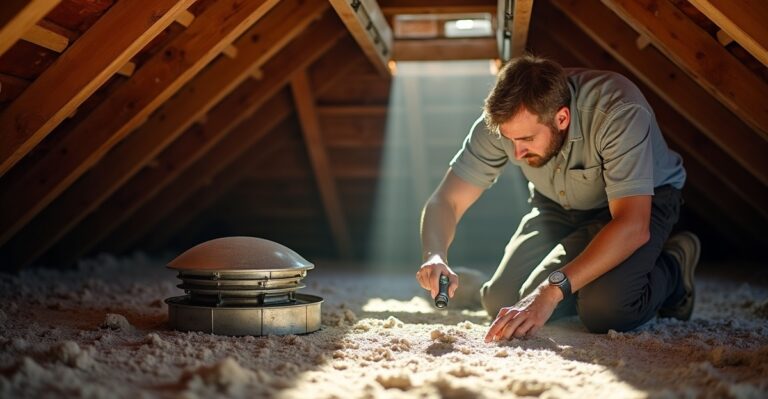
First comes a detailed roof inspection. We assess visible damage, signs of leaks, and potential structural concerns. Findings are documented with photos and notes.
Next, we provide a written estimate outlining materials, scope, and timeline. A reputable roofing company Tampa homeowners select should answer questions clearly and explain options in straightforward language.
After approval, we handle permit applications and coordinate required inspections. Most Tampa-area municipalities require permits for significant roofing work.
Installation begins with tear-off, followed by decking inspection, underlayment installation, and final roofing material application. Depending on size and weather conditions, most projects take a few days to a week. We conclude with thorough cleanup and a final walkthrough.
Warranties have two components:
- Manufacturer warranties covering material defects
- Workmanship warranties covering installation quality
Important questions to ask any contractor include:
- Are you licensed and insured in Florida?
- What warranties do you offer?
- Who handles permits and inspections?
Strong home roofing services depend on clear communication, proper documentation, and local expertise. We take pride in serving our Tampa community because we live and work here too.
Maintenance Tips to Extend the Life of Your Roof in Florida’s Climate (Plus FAQs Homeowners Ask)
Proactive maintenance prevents costly surprises. Small issues can escalate quickly in humid, storm-prone conditions.
We recommend:
- Scheduling annual professional roof inspections
- Keeping gutters clean to ensure proper drainage
- Addressing minor leaks quickly to prevent decking damage and mold
- Monitoring for algae streaking and granule loss
- Trimming overhanging branches to reduce debris and wind impact
Preparation before hurricane season is essential. Our guide on how to prepare a roof for hurricane season outlines practical steps homeowners can take.
Frequently Asked Questions
How long does a roof last in Florida?
Asphalt shingles typically last 15–25 years. Metal roofs often last 40–70 years. Tile roofs frequently exceed 40–50 years, depending on maintenance and storm exposure.
Do we need a permit to replace a roof in Tampa?
In most cases, yes. The contractor should handle permitting and inspection scheduling.
Will homeowners insurance cover storm damage?
Sudden storm-related damage is often covered, but approval depends on policy details, exclusions, and roof age.
The best approach to residential roofing Tampa is consistent care combined with timely action. Regular inspections, thoughtful maintenance, and open communication protect both your home and your budget. When questions arise about residential roof repair or roof replacement Tampa projects, we encourage scheduling a professional evaluation through our contact page so we can make informed decisions together.