How Long Does a Roof Last in Florida?
If we’re wondering how long a roof lasts in Florida, the realistic range falls between 12 and 50 years. Material choice, installation standards, maintenance habits, and exposure to heat, humidity, salt air, and storms all shape that lifespan. Florida’s harsh UV rays, constant moisture, hurricane-force winds, and strict building codes age roofing systems faster than in many other states.
Key Takeaways
- Most Florida roofs last 12–50 years. Asphalt shingles average 12–25 years, metal lasts 30–50 years, tile performs 25–50+ years, and flat roofing systems usually run 10–25 years.
- Heat, humidity, UV exposure, tropical systems, and coastal salt air reduce roof life compared to cooler and drier climates.
- Installation quality, proper attic ventilation, and steady maintenance usually decide whether a roof reaches the upper or lower end of its service life.
- Common warning signs of aging include curling or missing shingles, cracked tiles, rusted metal panels, standing water on flat roofs, ceiling stains, and granule loss in gutters.
- Routine inspections, post-storm evaluations, gutter cleaning, minor repairs, and forward planning extend roof performance and support smarter repair-versus-replacement decisions.
What to Expect: Average Roof Life in Florida by Material
In Central and Northeast Florida, most residential roofs last between 12 and 50 years depending on the material, installation quality, and maintenance. The short answer to how long does a roof last in Florida is this: our climate trims years off many roofing systems compared to national averages.
Heat, humidity, tropical storms, and salt air all shorten service life. The average roof life in Florida is typically lower than in cooler or drier states, even with the same product and manufacturer warranty.
Asphalt Shingles
Asphalt remains the most common choice across our communities. Yet Florida weather can be tough on it.
With properly installed shingle roofs, here’s what we generally see:
- 3-tab shingles: about 12–18 years in Florida’s heat and storm cycle, often less than the 20-year expectation discussed nationally.
- Architectural shingles: typically 18–25 years in Florida with solid ventilation and professional installation.
For a deeper breakdown, we often direct homeowners to our guide on how long shingle roofs last in Florida. Installation quality and attic airflow make a noticeable difference in how long they truly hold up.
Tile, Metal, and Flat Roofing Systems
Tile roofs can last decades, but their lifespan depends heavily on the underlayment beneath the tile.
- Concrete tile: usually 25–40+ years, depending on underlayment condition.
- Clay tile: often 30–50+ years. The tile itself may last longer, yet the underlayment commonly needs replacement sooner.
Metal systems are known for durability and wind resistance. Properly installed metal roofing systems can last 30–50 years in Florida. Many property owners compare durability in our overview of metal vs. shingle roof lifespan.
Flat and commercial systems vary:
- TPO: 15–25 years
- Modified bitumen: 10–20 years
- EPDM: 15–25 years
If we manage a commercial building, our resource on the lifespan of commercial roofs in Florida outlines what to expect. For flat systems specifically, we also review the average lifespan of a flat roof.
Roof coatings can extend a roof’s life by 5–15 years depending on current condition. We cover this further in our guide on how long roof coating lasts in Florida. Applied correctly, coatings help protect aging roofs and delay full replacement.
Across all materials, how long should a roof last in Florida depends less on the brochure and more on workmanship and upkeep. A well-installed roof with regular inspections routinely outperforms one installed carelessly.
Why Florida Roofs Age Faster Than in Other States
Florida’s climate pushes roofing systems harder than many other regions.
Extreme UV exposure and year-round heat dry out shingles and accelerate granule loss. Over time, that weakens the roof’s protective layer. High humidity feeds algae growth and contributes to underlayment breakdown.
Seasonal downpours and tropical systems stress flashing, valleys, and drainage paths. Even when there’s no interior leak, wind uplift from hurricanes can loosen shingles, tile, or metal panels. Damage often starts small and spreads quietly.
In coastal areas of Northeast Florida, salt air speeds up corrosion on metal components and fasteners. Tree coverage adds another challenge. Leaves trap moisture, and debris blocks gutters, both of which shorten service life.
Florida building codes are strict for a reason. They require specific fastening patterns and materials to handle high winds. Insurance carriers also monitor roof age closely. In many cases, coverage terms shift once a roof approaches the upper end of its expected lifespan.
For all these reasons, roofs here often do not reach the top end of national lifespan estimates. Local conditions matter. That’s why we always assess a roof based on Florida-specific wear rather than general averages.
Signs Your Roof May Be Nearing the End of Its Life
Roofs rarely fail overnight. They show patterns of wear first.
On shingle systems, we look for curling edges, cracked tabs, missing shingles, and excessive granules collecting in gutters. Those signs usually indicate that the protective surface is thinning.
Tile roofs may show cracked or slipped tiles. Soft spots or visible underlayment deterioration signal deeper issues beneath the surface.
Metal systems can develop rust spots, loose fasteners, or separated seams. These weak points allow wind-driven rain to work its way in.
Flat and commercial systems may experience ponding water, membrane blisters, seam failure, or interior leaks. Over time, small seam issues turn into larger moisture problems.
Inside the property, warning signs include ceiling stains, attic dampness, musty smells, and rising energy bills linked to ventilation problems. After major storms in Central and Northeast Florida, we often see subtle damage that wasn’t obvious from the ground.
Some of the most serious problems hide beneath the top layer. We routinely find saturated underlayment or lifted fasteners long before leaks appear. That’s why professional inspections matter.
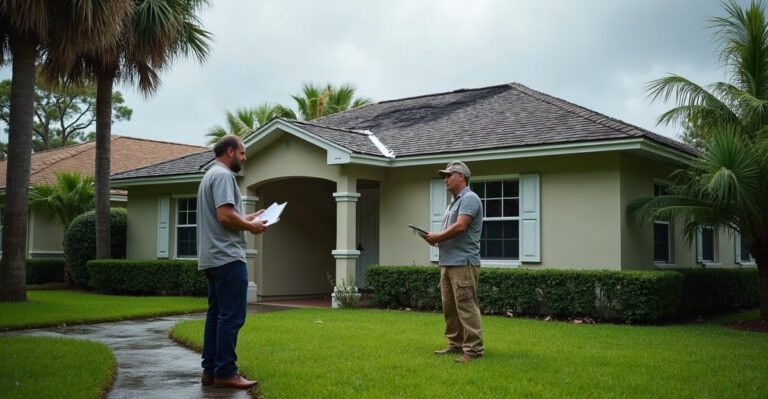
At minimum, we recommend a roof inspection once a year and after any hurricane or significant storm event. Staying proactive reduces surprises.
Repair or Replace? How to Make the Smart Financial Choice
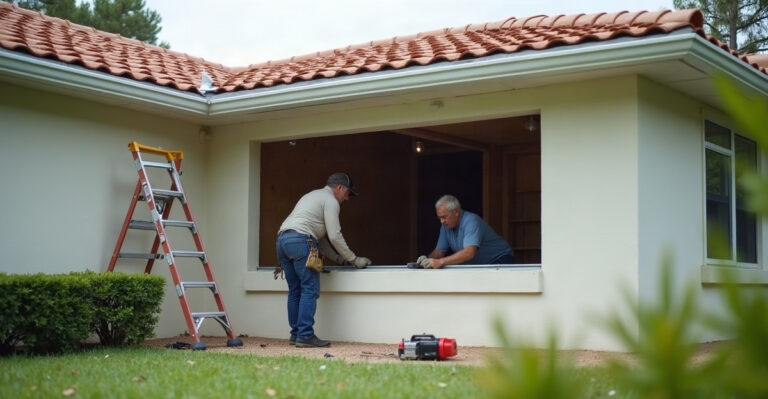
Repairs make sense when damage is localized and the roof remains well within its expected lifespan. A few missing shingles or a small flashing issue can often be solved with targeted roof repair services. If the underlying structure is sound, repair preserves value.
Replacement becomes the smarter move when deterioration is widespread, leaks keep returning, or the roof is nearing the end of the average roof life in Florida. In those cases, investing in a full roof replacement often saves money over repeated patchwork.
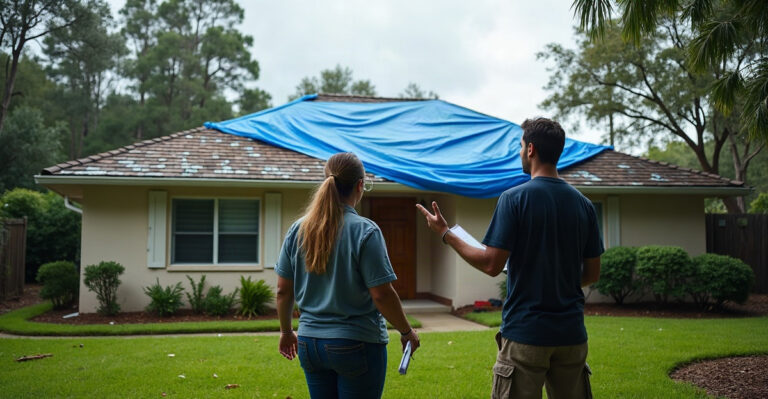
Storm damage complicates the decision. After hurricanes or high-wind events, we sometimes recommend specialized storm damage repair rather than full replacement, depending on conditions.
There are pros and cons to each approach. Repair costs less up front but may shorten the timeline to eventual replacement if the roof is aging out. A new system carries higher initial cost yet offers warranty protection, improved wind resistance, and predictable budgeting.
For commercial properties, long-term planning is essential. Coordinating work to minimize operational disruptions and choosing warranty-backed systems help control risk. We always encourage thoughtful planning instead of waiting for an emergency.
Homeowners with older systems often explore scenarios in our guide on repairing or replacing a 20-year-old roof. Numbers matter. So does peace of mind.
How to Extend the Life of Your Roof in Florida
Maintenance makes a measurable difference in how long do roofs last in Florida. A few consistent habits can add years to service life.
A simple annual checklist goes a long way:
- Schedule a professional inspection once a year.
- Arrange inspections after major storms.
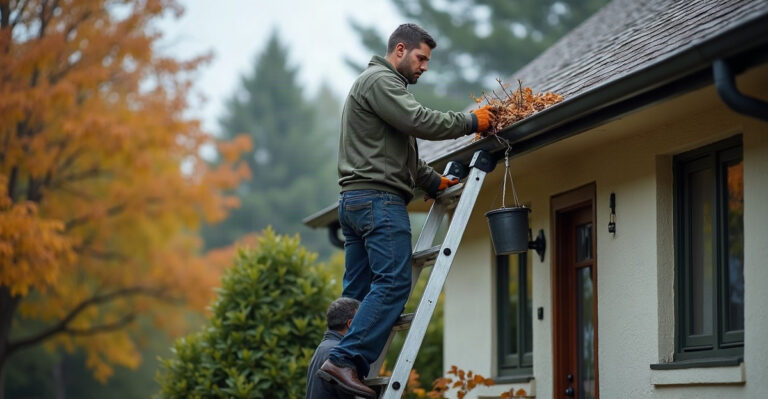
- Keep gutters and drains clear.
- Trim back overhanging tree branches.
- Fix small leaks right away.
Proper attic airflow also plays a critical role. Balanced intake and exhaust ventilation reduce heat buildup, limit moisture, and slow shingle aging. If airflow is questionable, we evaluate improvements through roof ventilation services.
Quality installation from experienced contractors is equally important. A roof installed correctly from day one simply performs better. Our roof installation team focuses on manufacturer specifications and Florida wind requirements so the system reaches its realistic lifespan.
For property managers and business owners, proactive maintenance programs provide predictable budgeting and early problem detection. Consistency pays off.
Common Questions About Roof Longevity in Florida
How long should a roof last in Florida compared to other states?
In many cases, shorter. Constant UV exposure, humidity, and storms wear materials faster than in cooler climates.
How long do commercial roofs last in Florida’s climate?
Most systems range from 10 to 25 years, depending on material and maintenance. TPO and EPDM often land in the 15–25 year range, while modified bitumen may fall closer to 10–20 years.
Does a hurricane automatically mean roof replacement?
No. Some roofs sustain minor, repairable damage. Others experience widespread uplift or structural impact that justifies replacement. A professional inspection determines the difference.
How does salt air affect coastal homes?
Salt increases corrosion on fasteners and exposed metal components. Over time, that weakens attachment points and reduces lifespan, particularly for lower-grade metals.
Will insurance require replacement after a certain age?
Some carriers limit coverage or adjust terms once roofs approach the end of their expected lifespan. Policies vary. Age and condition both factor in.
How can we tell if there’s hidden storm damage?
Hidden issues often require a hands-on inspection. Lifted shingles, compromised underlayment, and loose fasteners aren’t always visible from the ground.
How long does a roof last in Florida for our specific property?
The most accurate answer comes from a local evaluation. Each home or building faces slightly different exposure conditions.
If clarity would ease uncertainty, we can schedule a professional assessment and map out next steps. The goal is simple: clear answers, practical options, and confidence in the roof protecting our property.