How Long Do Tile Roofs Last in Florida?
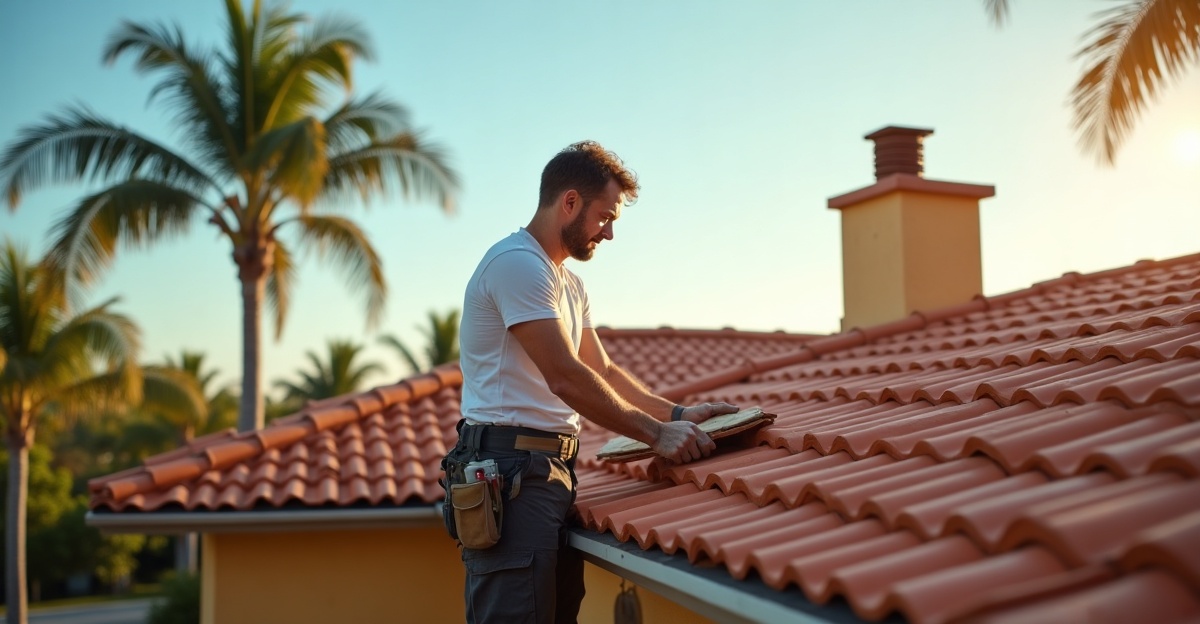
If we’re wondering how long tile roofs last in Florida, we need to look at the material, the installation quality, and the condition of the underlayment beneath the tiles. Florida’s heat, humidity, and storms put every roofing system to the test. Clay tiles often last 50–75+ years. Concrete tiles usually last 40–50 years. However, the waterproof underlayment below them often requires replacement after 20–30 years.
Key Takeaways
- Clay tile roofs in Florida commonly last 50–75+ years, while concrete tile roofs average 40–50 years with proper installation and maintenance.
- Underlayment usually lasts 20–30 years and often requires replacement before the tiles themselves wear out.
- Heat, humidity, hurricanes, salt air, attic ventilation, and installation quality all directly impact overall roof lifespan.
- Repairs make sense for isolated damage, but widespread leaks or aging underlayment often justify full replacement.
- Compared to shingles (15–25 years), tile offers longer service life, strong wind resistance, and lasting curb appeal, though with higher upfront cost and added weight.
We see clay tile as the premium long-term option. Manufacturers rate many clay products for decades of performance, and in Florida’s climate, they often meet or exceed those expectations when crews install them correctly. Concrete tile costs less upfront but still delivers impressive longevity.
Installation plays a critical role. Our team pays close attention to fastening methods, flashing details, and underlayment choice because small errors shorten roof life quickly. Even high-quality tile fails early if installers cut corners.
Florida weather drives most wear and tear. Intense UV exposure breaks down materials over time. Heavy rains test every seam and penetration. Hurricanes apply uplift pressure that reveals weaknesses fast. Coastal properties also face salt exposure, which speeds up corrosion on metal components.
Ventilation makes a major difference. When we balance intake and exhaust airflow, we reduce attic heat buildup. Lower attic temperatures help preserve underlayment and structural components. Poor ventilation traps heat and moisture, which shortens lifespan.
We often repair tile roofs successfully when damage stays isolated. Cracked or slipped tiles can be replaced. Minor flashing issues can be corrected. Once underlayment deteriorates across large sections, though, spot repairs become temporary fixes. In those cases, we recommend a full roof replacement to protect the home properly.
Tile outperforms asphalt shingles in lifespan and wind resistance. Shingles typically last 15–25 years in Florida. Tile can last two to three times longer. Homeowners pay more upfront, and the structure must support the added weight. Still, many choose tile for its durability, appearance, and long-term value.
When we evaluate a tile roof, we focus on age, leak history, visible damage, and underlayment condition. This approach gives us a clear picture of remaining service life. With proper installation, routine inspections, and timely maintenance, tile roofs in Florida can protect homes for decades.
How Long Tile Roofs Really Last in Florida: Clay vs. Concrete
Tile roofs are known for longevity, but how long do tile roofs last in Florida? In most cases, clay tile roofs last 50 years or more, and with proper installation and maintenance, some reach 75 years or longer. Concrete tile roofs typically last 40–50 years in Florida’s climate. Those numbers assume quality installation, proper ventilation, and consistent upkeep.
Florida’s heat, humidity, heavy rain, hurricanes, and salt air all play a role. The average roof life in Florida can vary widely depending on material choice, storm exposure, attic ventilation, and how well the system was installed. Tile itself is highly durable. However, overall performance depends just as much on what’s underneath it. Lifespan is always a range, not a guarantee.
Tile vs. Underlayment: The Most Common Source of Confusion
Many homeowners think a “50-year roof” means every part of the system lasts 50 years. That’s rarely the case.
- Tile lifespan: Usually 40–75+ years, depending on whether it’s concrete or clay.
- Underlayment lifespan: In Florida, most underlayments last about 20–30 years, depending on the material and installation.
Underlayment is the waterproof barrier beneath the tile. Tile sheds most of the water and protects against UV exposure, but the underlayment is what truly keeps water out of the home. Once that layer breaks down, leaks can develop even if the tiles still look good from the street.
Florida’s intense heat, strong UV radiation, and constant moisture speed up underlayment aging. Attic heat buildup makes it worse. When underlayment fails, repairs become more involved because tiles must be carefully removed and reinstalled. That process increases labor costs and requires experienced crews to avoid damaging reusable tiles.
In many cases, replacing underlayment makes sense even when the tiles remain in good shape. We often see homeowners surprised by this. The tile may still have decades of life left, but the water barrier underneath has reached the end of its service life.
Understanding that difference avoids unrealistic expectations and supports smart long-term planning.
What Shortens or Extends a Tile Roof’s Life in Florida
Tile performs well here, but Florida conditions are demanding. Several factors either shorten or extend a tile roof’s lifespan.
Climate and Environmental Stress
Our local climate adds real pressure:
- Hurricanes and tropical storms create wind uplift and flying debris that crack or dislodge tiles.
- Salt air in coastal areas accelerates corrosion of fasteners and metal flashing.
- Persistent humidity promotes mold and moisture buildup.
- Intense UV rays and attic heat dry out and age underlayment faster.
Choosing the right materials helps. Reviewing the best roofing materials for Florida homes gives helpful context about how tile compares to other Florida roofing materials. Heat reflection and ventilation also matter, especially in our climate. The right approach can improve both comfort and durability, much like what’s discussed in the best roof for withstanding heat.
Installation, Ventilation, and Maintenance
Quality installation plays a major role. Florida building codes require specific fastening methods and wind ratings. Proper flashing around chimneys, vents, and valleys prevents early leak points. Mistakes in these areas often lead to expensive repairs later.
Attic airflow is another key factor. Poor ventilation traps heat beneath the deck, which accelerates underlayment deterioration. Upgrading roof ventilation can extend system life while improving energy efficiency.
Maintenance matters just as much. Routine inspections after storms, prompt replacement of cracked or slipped tiles, and addressing small issues early all extend the life of tile systems. Many of the most common roofing problems in Florida start small and grow quietly over time.
Local experience counts. Working with a Florida-based contractor familiar with our codes and storm patterns makes a noticeable difference in long-term performance.
Repair or Replace? Signs It’s Time to Act
Tile roofs often give visible warning signs before major failure. Knowing what to look for helps avoid emergency situations.
Common indicators include cracked, broken, or slipping tiles. Rusted flashing or deteriorated metal components also signal trouble. Interior ceiling stains or active leaks mean water is already getting past the system. During inspections, soft spots in the decking can reveal moisture damage beneath the surface.
Repairs usually make sense when damage is isolated and the underlayment is still within its service life. In those cases, targeted roof repair can restore protection without a full tear-off.
Replacement often becomes necessary when the underlayment approaches 20–30 years old and shows widespread deterioration. If multiple sections leak or fastening issues appear throughout the system, a full roof replacement provides better long-term value.
Storm events add another layer. Visible damage after hurricanes or high-wind events should be addressed quickly through professional storm damage repair. Waiting can allow minor cracks to turn into structural issues.
Planning ahead is always smarter than reacting during a leak. Understanding when to replace a roof in Florida helps homeowners schedule projects during optimal seasons instead of peak storm months.
How Tile Compares to Other Roof Types in Florida
The average roof life in Florida varies widely by material. Tile is one of the longer-lasting roof types in Florida, but it’s helpful to compare options.
- Asphalt shingles: Typically last 15–25 years in Florida heat.
- Metal roofing: Often lasts 40–70 years, depending on the system and environment.
- Flat and low-slope systems (TPO, modified bitumen): Commonly last 15–30 years with proper maintenance.
Differences between materials are discussed in detail in metal vs shingle lifespan comparisons.
Tile offers several advantages, including long service life, strong wind resistance when properly installed, and excellent curb appeal that can increase property value. It also performs well in hot climates due to its thermal properties.
There are trade-offs. Tile comes with a higher upfront cost and is heavier than many roofing materials, so structural considerations matter. Underlayment replacement is also more involved than with some other systems.
For homeowners and commercial property owners alike, lifecycle cost planning is key. Budget forecasting, maintenance scheduling, and minimizing disruption all factor into the decision. Reviewing different roofing types helps clarify which material fits long-term goals.
Homeowner FAQs About Tile Roof Lifespan in Florida
Quick Answers to Common Questions
Here are straightforward answers based on what we see across Florida every day.
How long do tile roofs last in Florida compared to shingles?
Tile roofs generally last 40–75+ years depending on clay or concrete, while asphalt shingles typically last 15–25 years in Florida conditions.
Does a hurricane automatically mean full replacement?
No. Many tile roofs withstand storms well. We evaluate for cracked tiles, broken fasteners, and underlayment damage before recommending replacement.
How long does tile roof underlayment last in Florida heat?
Most underlayments last about 20–30 years in Florida. High attic heat and poor ventilation can shorten that range.
Can we replace just the underlayment and reuse existing tiles?
In many cases, yes. Crews remove and reset the tiles after installing new underlayment, provided the tiles remain in good condition.
Will insurance cover tile roof replacement due to age or storm damage?
Coverage depends on the policy and cause of damage. Storm-related damage is often covered. Age-related wear typically is not. We recommend reviewing policy details and documenting damage after major weather events.
How often should we schedule a professional inspection?
In Florida, annual inspections are wise, plus additional checks after major storms. Guidance on how often roofs should be inspected offers helpful benchmarks.
Proactive inspections protect your investment and reduce stress. Scheduling an evaluation through our contact page ensures small concerns are addressed before they turn into costly repairs.
Meta description:
How long do tile roofs last in Florida? Learn clay vs. concrete lifespan, underlayment timelines, and when to repair or replace your tile roof.