Does Insurance Cover Storm Damage Roof Repair?
Homeowners often ask whether insurance covers storm-related roof repairs. We know that understanding how a storm damage roof insurance claim works can shape the final result. In Florida, most policies cover sudden events such as wind, hail, hurricanes, and fallen debris. Coverage still depends on limits, roof age, deductibles, and documentation. These details often decide whether insurers approve repairs or full replacement.
Key Takeaways
- Most homeowners policies cover sudden and accidental storm damage such as lifted shingles, hail impacts, debris punctures, and fallen tree damage, but they exclude wear and tear or poor maintenance.
- A successful storm damage roof insurance claim requires fast action, clear photos and videos, professional inspections, and a close review of the adjuster’s estimate.
- Deductibles, ACV vs. RCV coverage, and roof age can significantly affect payout amounts, especially for older roofs nearing 20 years.
- Florida policies often include separate hurricane deductibles and specific rules about named storms and wind-driven rain coverage.
- Honest reporting, routine maintenance records, and working with a licensed local contractor help protect both the property and long-term insurability.
What Storm Damage Roof Insurance Typically Covers (And What It Doesn’t)
Most homeowners insurance policies cover sudden and accidental storm-related roof damage. In Florida, that usually includes high winds, wind-driven rain, hail impact, hurricanes, and tropical storms.
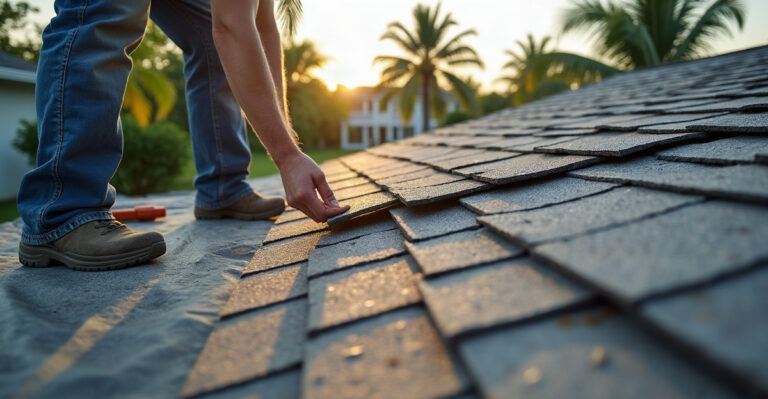
A typical storm damage roof insurance claim may apply if wind lifts or removes shingles, hail leaves impact marks, debris punctures the roofing surface, flashing tears away, or a fallen tree causes structural damage. These are unexpected events. Insurance is built to respond to that kind of loss.
Covered damage often includes:
- Missing or lifted shingles
- Punctures from flying debris
- Bent or torn flashing
- Structural impact from fallen trees
Still, coverage has limits. Insurance generally does not pay for wear and tear, lack of maintenance, pre-existing damage, improper installation, or slow deterioration. If shingles fail due to age or long-term neglect, the carrier may deny the claim.
Policies vary. Deductibles differ. Endorsements change coverage details. We always recommend reviewing the actual policy and speaking directly with the insurance carrier before assuming a claim will be approved. For deeper insight, homeowners can review this guide on does insurance cover roof damage from storms and learn how coverage applies in real situations.
Clear documentation and a professional inspection make a major difference in roofing insurance claims for storm damage. That preparation sets the tone for the entire process.
How a Storm Damage Roof Insurance Claim Works—Step by Step
Storms move fast. Claims should move carefully and in order.
First, protect the property. Temporary tarping can prevent water intrusion and additional interior damage. Avoid permanent repairs before the insurance inspection unless the carrier gives approval. Insurers need to document original storm damage.
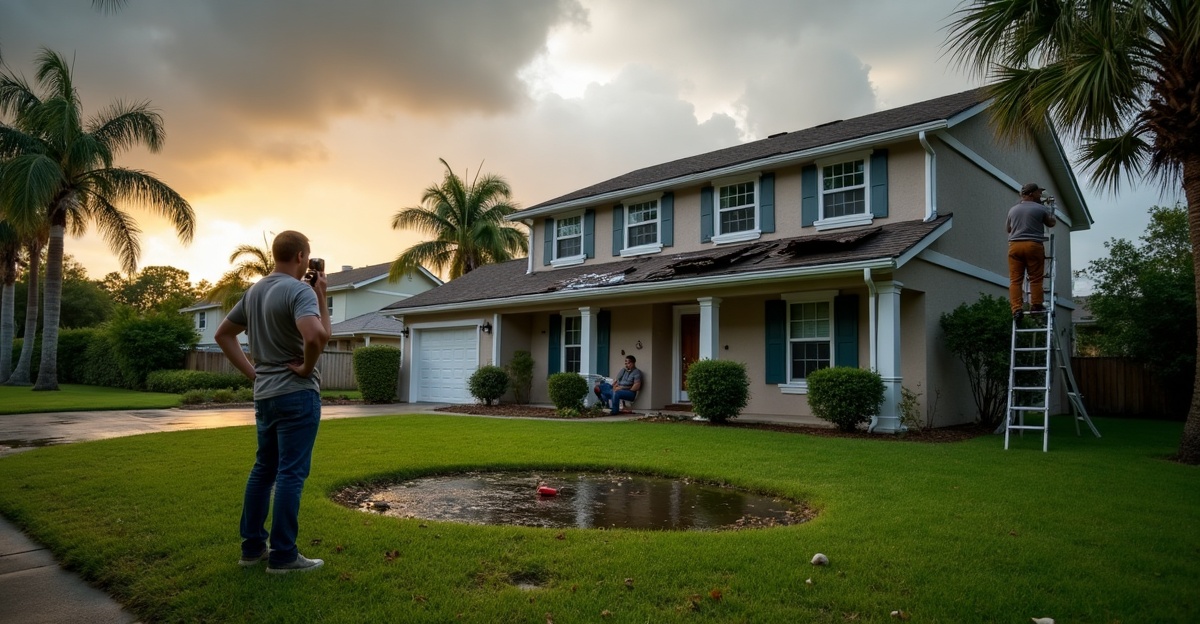
Next comes documentation. Take clear photos and videos of exterior roof areas, fallen debris, interior ceiling stains, and active leaks. Date and time stamps help strengthen a storm damage roof insurance claim.
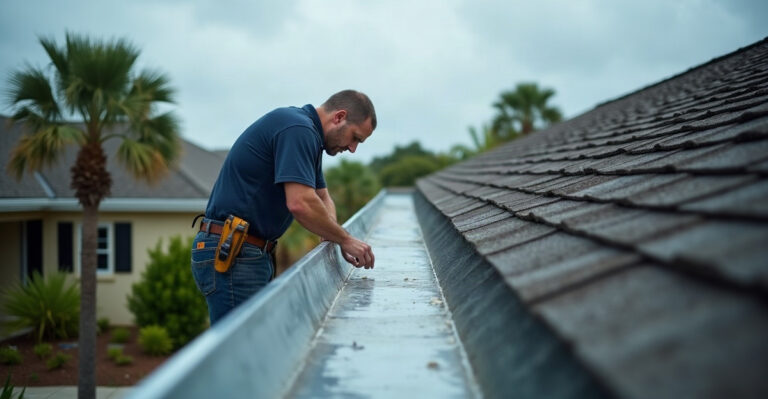
Then schedule a professional inspection. A licensed roofer can identify true storm-related damage and separate it from long-term wear. That distinction often determines whether roofing insurance claims for storm damage are approved or denied.
After inspection, file the claim promptly with the carrier. Provide documentation and inspection findings.
Once filed, an adjuster will schedule an on-site visit. Having a local roofing contractor present can help ensure no damage is overlooked. We’ve seen situations where small but significant wind damage changed the outcome of a claim.
When the estimate arrives, review it carefully. Understand three key terms:
- Deductible: The amount paid out of pocket before insurance coverage applies.
- ACV (Actual Cash Value): Replacement cost minus depreciation.
- RCV (Replacement Cost Value): Full replacement cost minus deductible, often paid in stages.
Each policy handles payment differently. Homeowners can review how to file a roof insurance claim after a storm for a broader explanation of the process.
If damage requires professional restoration, our storm damage repair services focus on proper documentation and code-compliant repairs from start to finish.
Will Insurance Cover a 20 Year-Old Roof? Age, Depreciation, and Policy Limits
Roof age plays a significant role in claim outcomes. Many asphalt shingle roofs carry expected lifespans of 20–25 years. As they near that range, insurers often apply depreciation.
Homeowners often ask, will insurance cover a 20 year-old roof? The answer depends on policy language and cause of loss. If a storm caused sudden damage, coverage may still apply. Age alone does not automatically disqualify a claim.
However, ACV coverage can reduce payouts significantly on older roofs. Under ACV vs. RCV policies, ACV accounts for depreciation. That means the insurer subtracts value based on age and condition before issuing payment. On a 20-year-old roof, that could leave a much smaller check than expected.
Some Florida carriers limit or modify coverage for roofs over 15–20 years old. Certain policies allow repair approval instead of full replacement if damage is isolated.
Coverage decisions always come down to documentation and policy details. For readers who want a Florida-specific breakdown, this guide explains will insurance cover a 20 year-old roof in Florida and how depreciation affects storm damage roof insurance claim outcomes.
No contractor should promise full replacement. We rely on inspection findings and policy language to guide next steps.
Hurricane Roof Damage Claims in Florida: What’s Different
Florida policies often include a separate hurricane deductible. Unlike standard deductibles, this amount is typically calculated as a percentage of the home’s insured value, commonly 2%–5%. On higher-value properties, that number can be substantial.
A hurricane roof damage claim usually applies only if the storm is officially named by the National Hurricane Center. If a weather event does not receive a name, the standard wind deductible may apply instead.
Damage from wind-driven rain may be covered if wind first created an opening in the roof. If rain enters without storm-created damage, coverage may be denied.
Timing matters after hurricanes. Filing deadlines can differ from standard storm events. Acting quickly protects eligibility.
Florida storm claims also reflect our climate. Roofs endure intense UV exposure, heavy rains, tropical systems, and hurricane-force winds year after year. That history can complicate adjuster evaluations.
Clear photos, prompt inspections, and organized records reduce delays. For a broader explanation of hurricane and wind coverage, homeowners can review can storm damage be covered by insurance and understand how hurricane deductibles function.
Special Considerations for Commercial Roofs and Flat Roofing Systems
Commercial properties bring added layers of responsibility. Property managers must consider tenant safety, business interruption, and lease obligations while handling roofing insurance claims for storm damage.
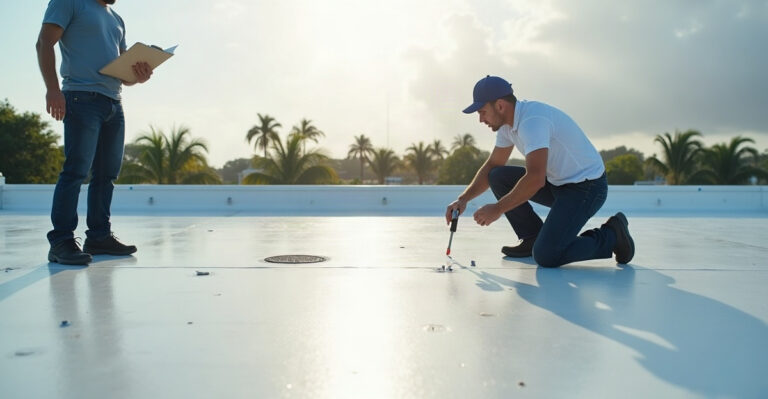
Commercial roof storm damage often appears differently than residential damage. Flat roof hurricane damage may show as membrane punctures, seam separation, displaced flashing, pooled water, or coating failures. These signs require careful inspection.
Carriers frequently request more detailed documentation for commercial work. Larger claims demand photos, moisture scans, core samples in some cases, and code compliance records.
Temporary dry-in solutions help keep operations running. Strategic tarping or membrane patching can minimize interior damage while the claim moves forward.
Coordination matters. Property manager, insurer, and licensed contractor must stay aligned on scope and code requirements. In some cases, local building codes trigger upgrades that affect insurance payout and final repair costs.
For long-term solutions, our roof replacement services address structural needs, energy performance, and compliance in one clear plan.
Smart Next Steps After a Storm—Protecting Your Property and Peace of Mind
Storm damage is not always obvious from the ground. Lifted shingles, hairline cracks, and small punctures can go unnoticed until leaks appear months later.
Scheduling a Florida roofing inspection after major weather helps identify issues early. That inspection strengthens any future storm damage roof insurance claim by establishing clear timelines.
Keep maintenance records. Save repair invoices. Document routine inspections. Responsible roof care supports roofing insurance claims for storm damage and demonstrates good faith.
Honesty matters. Never exaggerate or inflate damage. Carriers investigate thoroughly. Ethical claims protect long-term insurability.
Work with a licensed and insured Florida contractor who understands adjuster expectations and building codes. We’ve supported homeowners and commercial property managers across our Florida service areas with clear inspections, detailed documentation, and straightforward repair plans.
If a recent storm raised concerns, we can help evaluate conditions and outline practical next steps. To start the process, schedule a professional assessment through our roof inspection team. Acting early protects both property and peace of mind.