How Do Hurricanes Damage Roofs in Florida?
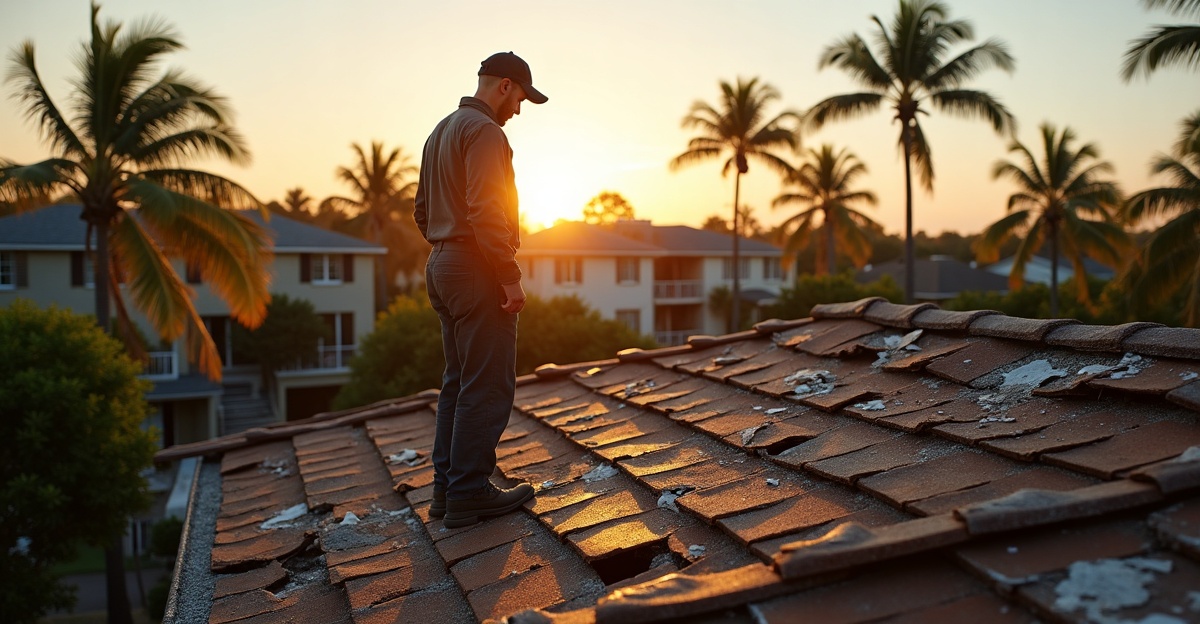
Hurricane roof damage in Florida happens when extreme winds, wind-driven rain, flying debris, and rapid pressure shifts strike the roofing system from several angles at the same time. We see wind uplift, broken seal strips, punctures, and moisture intrusion weaken shingles, tiles, metal panels, and even the roof deck. Some damage stays hidden and shows up only after the storm passes, which makes early assessment critical.
Key Takeaways
- Wind uplift creates suction that pulls shingles, tiles, and metal panels upward while internal attic pressure adds stress from below. We reinforce decking connections and attic ventilation to reduce this upward force and limit structural strain.
- Flying debris can puncture roofing materials and flashing, allowing immediate water intrusion and interior damage. We recommend impact-rated materials in storm-prone areas to reduce the risk of sudden breaches.
- Wind-driven rain forces water under loosened shingles and flashing, leading to saturated underlayment and weakened decking. Proper sealing and updated underlayment systems help block this intrusion before it spreads.
- Hurricane damage is not always visible; broken seal strips, granule loss, and trapped moisture can reduce future storm resistance. We conduct thorough inspections, including attic checks, to catch hidden issues early.
- Early inspections, proper repairs, and upgrades to current Florida Building Code standards improve long-term roof performance and storm readiness. We align every repair or replacement with these standards to strengthen protection and extend service life.
What Really Happens to Your Roof During a Florida Hurricane
Hurricane roof damage in Florida happens when extreme wind speeds, coastal exposure, wind-driven rain, high humidity, and rapid pressure changes work together against a home or commercial building. Unlike a typical thunderstorm, a hurricane attacks from multiple angles at once. Gusts exceed 100 mph in many areas, rain blows sideways, and pressure shifts stress the roof structure from above and below.
Wind uplift is one of the biggest forces at play. As wind flows over a roof, it speeds up and creates suction. That suction pulls upward on shingles, tiles, or metal panels. If the pressure inside the attic increases at the same time—because air pushes in through soffits, vents, or small openings—the roof system experiences stress from both directions. That combination leads to torn shingles, lifted panels, and damaged decking.
Florida wind zones set strict standards for how roofs must perform. After Hurricane Andrew, the Florida Building Code increased requirements for fasteners, underlayment, and uplift resistance. Today’s systems are stronger, but no material is invincible. Even properly installed hurricane roof shingles can loosen if seal strips break under extreme gusts.
We’ve also seen damage that’s less obvious. In some cases, wind doesn’t rip shingles off right away. Instead, it breaks the adhesive bond underneath. The roof might look fine from the street, yet it’s weaker and more vulnerable during the next storm.
The good news is that many issues can be repaired if caught early. A timely inspection often prevents widespread structural problems and keeps costs manageable.
Wind Uplift, Flying Debris, and Water Intrusion: The Main Causes of Damage
Hurricanes damage roofs in three primary ways, and each one brings its own risks.
1. Wind Uplift
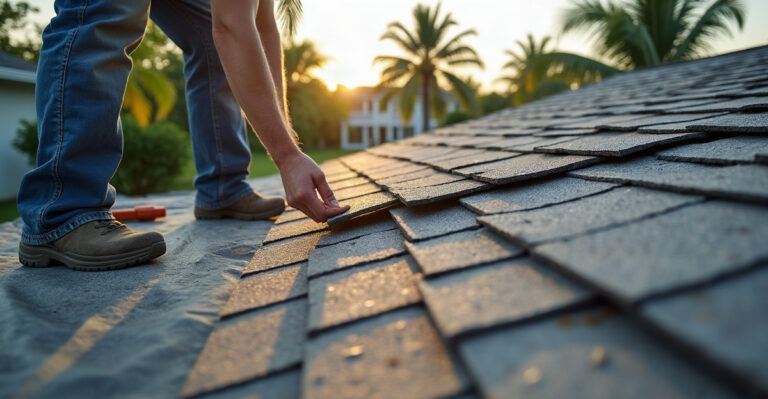
Strong gusts lift or crease shingles, break adhesive seal strips, and loosen fasteners. With shingle systems, repeated gusts flex the material until cracks form. For detailed examples specific to shingles, we’ve outlined common patterns in how hurricanes damage shingle roofs in Florida. Tile roofs can shift or crack under uplift pressure. Metal panels may loosen at the seams if edge fastening fails.
2. Flying Debris
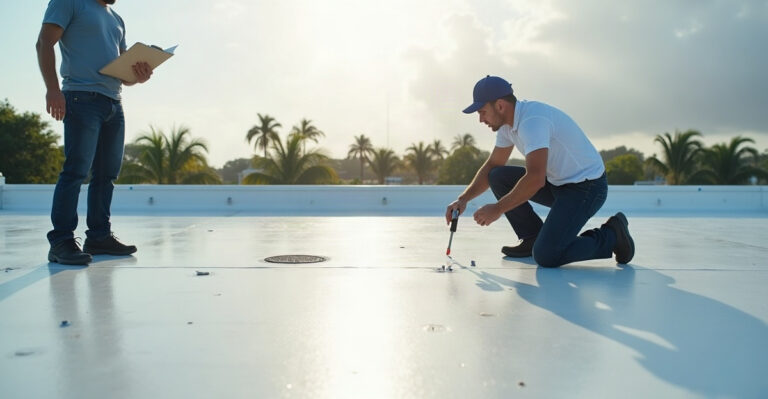
Tree limbs, fence sections, and loose yard items become airborne during major storms. Once debris punctures shingles, tile, metal, or flat membranes, water has a direct path inside. Commercial systems like TPO and modified bitumen are especially vulnerable at seams and edge metal if struck. Businesses often face interior damage, operational downtime, and even inventory loss after a single puncture.
3. Wind-Driven Rain
Hurricanes push water sideways and upward. Flashing—the thin metal pieces that seal roof edges, valleys, chimneys, and wall intersections—can loosen. When that happens, rain forces its way under shingles and underlayment. Over time, saturated underlayment and trapped moisture weaken the roof deck.
Flat roofing systems face unique risks during heavy rainfall. We’ve covered this in more detail in can flat roofs handle heavy rain in Florida, including how ponding water increases stress on seams and drainage systems.
Repeated moisture exposure doesn’t always show up immediately. It can quietly compromise insulation, decking, and interior ceilings weeks after the storm has passed.
Visible vs. Hidden Hurricane Roof Damage: What Many Florida Owners Miss
Some hurricane roof damage is obvious. Missing shingles, cracked tiles, displaced metal panels, and fallen tree limbs get attention right away.
Hidden damage is often the bigger concern. Shingles may sit flat but have broken seal strips underneath. That weak bond reduces wind resistance during the next storm. Decking can absorb moisture and soften over time. Plywood or OSB that becomes saturated may lose strength, even if the surface covering still looks intact.
Here’s what we recommend watching for after a hurricane:
- Water stains on ceilings or walls
- Dripping or active leaks during storms
- Granules in gutters or around downspouts
- Sagging roof lines
- Debris impact marks
- Higher indoor humidity after storms
Granule loss is a common issue and ties into the most common roofing problems in Florida, especially after high-wind events.
A professional evaluation helps uncover what can’t be seen from the ground. If there’s concern, scheduling a hurricane roof damage inspection early can prevent minor concerns from turning into deck replacement later.
When Repair Is Enough—and When Hurricane Roof Replacement in Palm Coast Makes More Sense
Every roof responds differently after a hurricane. Some need a focused repair. Others require broader action.
Repair is often appropriate when damage is limited to one slope or area, the roof is relatively new, and the deck remains structurally sound. In these cases, targeted roof repair can restore performance and extend service life.
Replacement may be the better option when shingles approach 15–20 years old, which is a typical lifespan in Florida’s heat and humidity. Multiple past repairs, widespread deck damage, or outdated installation methods also point to replacement. Upgrading to current Florida Building Code standards can improve storm resistance and may strengthen insurance eligibility, though coverage decisions always rest with insurance providers.
For property owners considering hurricane roof replacement in Palm Coast, we evaluate the entire system—covering, underlayment, flashing, ventilation, and decking. A full roof replacement can provide consistent protection instead of patchwork fixes.
Commercial buildings call for careful cost analysis. Short-term repairs might reopen the doors quickly, yet ongoing seam failures or edge metal issues can lead to repeated disruptions. Long-term durability and business continuity often justify upgrading materials or reinforcing the system.
We always advise documenting visible damage thoroughly and consulting licensed professionals along with insurance representatives before making final decisions.
Roof Deck Damage Prevention Florida: Practical Steps Before the Next Storm
Roof deck damage prevention in Florida starts well before hurricane season. Preparation strengthens the entire structure against high wind and heavy rain.
We recommend these practical steps:
- Install a secondary water barrier beneath shingles to reduce interior leaks if the top layer fails
- Use upgraded fasteners, including ring-shank nails, to improve uplift resistance
- Choose impact-rated hurricane roof shingles for better debris protection
- Reinforce edge metal and flashing where wind pressure is highest
- Improve attic ventilation to manage pressure changes and humidity
- Schedule inspections before and after hurricane season
- Trim trees and secure loose yard items to limit flying debris
Upgrades also depend on roof type. Homeowners may consider durable shingle roofing systems rated for higher winds. Metal roofs offer strong wind performance and long service life. For commercial properties, reinforced flat roofing systems with properly secured seams and improved drainage help manage Florida’s heavy rainfall and humidity.
Coastal salt exposure also accelerates corrosion, especially at fasteners and flashing. Routine maintenance keeps small issues from growing.
Preparation is about staying ahead. We expand on seasonal planning in how to prepare a roof for hurricane season and offer practical storm-day tips in how to protect a roof during a storm.
What to Do After the Storm: Safe, Smart Next Steps for Florida Property Owners
Safety comes first. We recommend starting with a ground-level visual inspection. Never climb onto a roof that may be structurally compromised.
Take clear photos of visible damage and document the date and time. If water enters the home or building, use safe temporary measures such as tarps or interior protection to limit further damage.
Schedule a professional inspection as soon as possible. Prompt evaluation reduces the risk of moisture spreading into insulation, decking, and framing. If active leaks are present, our storm damage repair services address urgent issues and help stabilize the structure.
Palm Coast and surrounding Central and Northeast Florida communities understand hurricane season. We do, too. Clear communication and timely action make recovery smoother and less stressful.
For a confident assessment of hurricane roof damage and straightforward guidance on next steps, we encourage scheduling an inspection through our contact page. Working together, we can protect homes and businesses and prepare for whatever the next storm brings.