Are Architectural Shingles Good for Florida Homes?
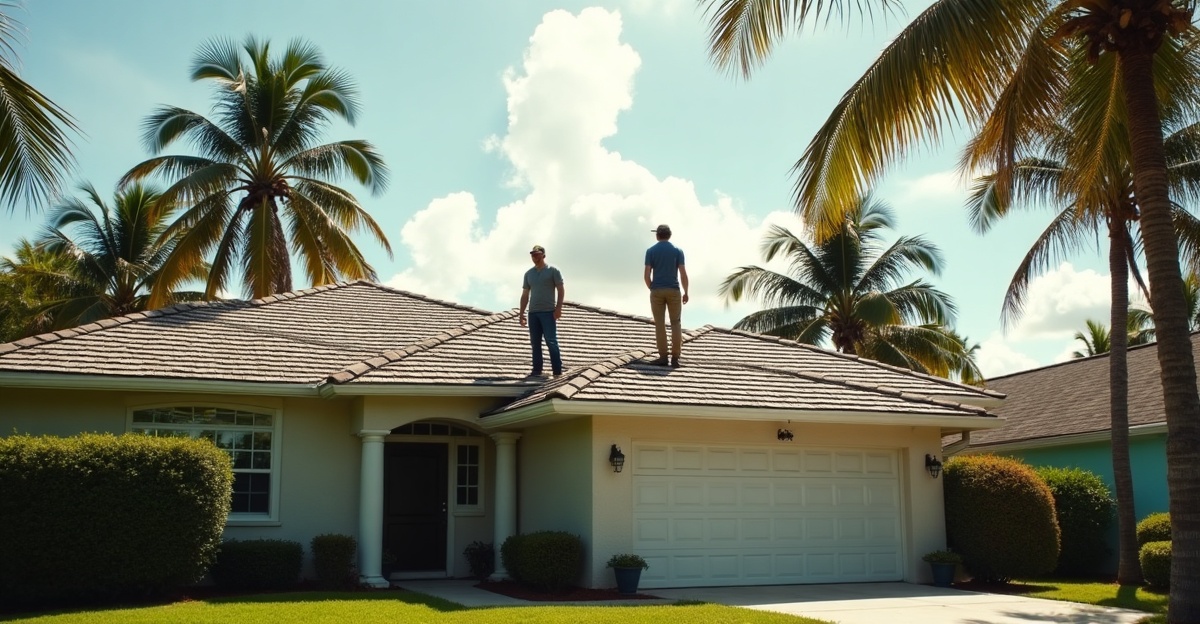
Architectural shingles remain a leading choice for Florida homes because they deliver stronger wind resistance, improved curb appeal, and a mid-range price compared to basic 3-tab shingles or premium metal and tile systems. Many homeowners ask how long architectural shingles last in Florida. Warranties often promote 30 years, yet in real conditions across the state, roofs usually last 15–25 years due to intense sun, humidity, heavy rain, and hurricanes.
Key Takeaways
- In Florida’s climate, architectural shingles typically last 15–25 years, even though many warranties list 30 years.
- Heat, UV exposure, humidity, salt air, and hurricanes all reduce roof lifespan.
- We rely on proper installation, strong attic ventilation, and high-quality underlayment to support long-term performance.
- Architectural shingles deliver greater durability and higher wind ratings than 3-tab shingles, but they do not last as long as metal or tile roofs.
- We recommend regular inspections, post-storm checks, and prompt repairs to extend roof life and maintain insurance eligibility.
Architectural Shingles in Florida: What Homeowners Need to Know First
Architectural shingles are a good option for many Florida homes, especially across Central and Northeast Florida. They offer a solid balance of durability, appearance, and cost—but Florida’s climate changes the equation.
Many homeowners ask how long architectural shingles last in Florida. While most products carry 30-year warranties, real-world lifespan in this state is usually closer to 15–25 years. Heat, humidity, UV exposure, heavy rain, and hurricanes all accelerate wear.
There’s an important difference between a manufacturer’s warranty and actual service life. Warranties often cover manufacturing defects and may be prorated over time. They typically do not guarantee that a roof will look new or perform at peak level for 30 years in extreme conditions. In Florida, the average shingle roof lifespan is typically shorter than national averages due to intense sun, high temperatures, and frequent storm activity.
Summer heat in our region is relentless. Afternoon thunderstorms roll in for months. Hurricane season brings high winds and wind-driven rain. Coastal communities in Northeast Florida also deal with salt air exposure, which increases material wear.
Architectural shingles aren’t the right fit for every home. However, they’re a practical mid-range solution for many properties. We often recommend them to homeowners who want improved wind resistance and curb appeal over basic 3-tab shingles without stepping up to the higher cost of metal or tile.
For those reviewing shingle roof options, architectural shingles are typically the most popular upgrade from entry-level materials.
What Impacts the Life Expectancy of a Shingle Roof in Florida?
The life expectancy of a shingle roof in Florida depends on much more than the label on the bundle. Climate, installation quality, and maintenance all play a role.
1. Climate and Environmental Exposure
Florida’s climate is the first major factor. Intense UV exposure gradually dries and breaks down asphalt. Prolonged high temperatures speed up aging. Humidity contributes to algae growth and moisture retention. In coastal areas, salt air can increase corrosion around fasteners and flashing. Hurricane-force winds place repeated stress on shingles and the underlayment beneath them.
2. Installation Quality
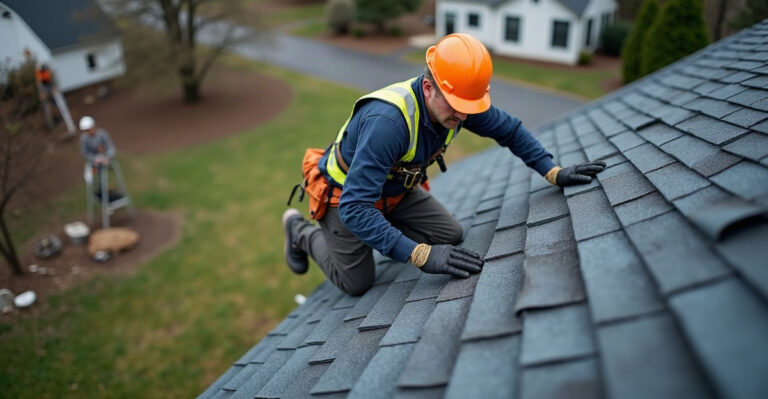
Proper nailing patterns, correct sealing, strong flashing details, and accurate placement all affect wind resistance and water tightness. Poor workmanship can shorten a roof’s lifespan by years. Underlayment choice also matters, especially in storm-prone regions where secondary water barriers provide added protection.
3. Attic Ventilation
Attic ventilation often gets overlooked. If heat gets trapped in the attic, it essentially cooks the shingles from below. Over time, that shortens service life. Balanced intake and exhaust airflow through a proper roof ventilation system helps regulate temperature and moisture.
4. Ongoing Maintenance
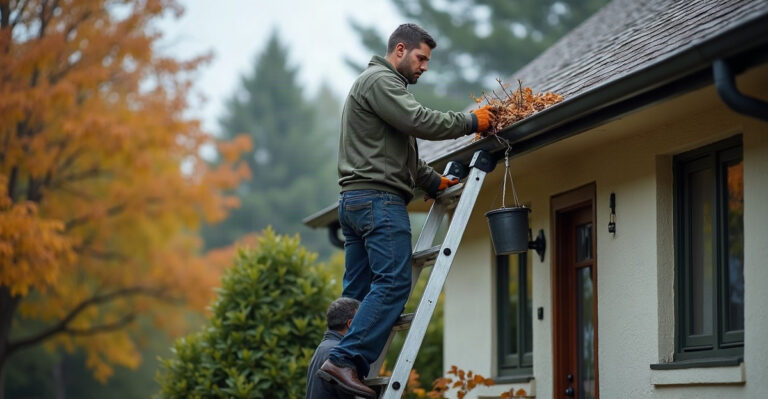
Maintenance habits round out the picture. In Florida, we recommend roof inspections at least once a year and after any major storm. Keeping gutters clean and removing debris prevents water from backing up under shingles.
In high-exposure areas—coastal homes or properties with full sun exposure—the lifespan can lean closer to 15 years. With quality installation, good ventilation, and consistent maintenance, many architectural shingle roofs reach 20–25 years. Realistic expectations help homeowners plan financially and avoid surprises.
For a deeper breakdown of timing and variables, we cover details in our guide on how long shingle roofs last in Florida.
How Architectural Shingles Compare to Other Roofing Options in FL
Homeowners often ask whether architectural shingles are the best roof shingles in FL for performance and value. The answer depends on budget, structure, and long-term plans.
Compared to traditional 3-tab shingles, architectural shingles are thicker and more dimensional. They carry higher wind ratings and generally last longer in Florida’s climate. Upfront cost is higher than 3-tab, but the added durability usually offsets that investment over time.
Metal roofing offers a different level of performance. Metal roofs often last 40 years or more and provide excellent wind resistance. They also reflect heat effectively. The tradeoff is higher upfront cost. Many homeowners considering longevity research whether metal roofs last longer than shingle roofs before making a decision. For those planning to stay in a home long-term, metal can be a strong investment.
Tile roofing delivers exceptional durability and can last decades beyond shingles. However, tile is heavier and may require structural reinforcement. Installation cost is significantly higher, and repairs can be more specialized.
Architectural shingles sit in the middle. They offer:
- Better wind resistance than 3-tab shingles
- Attractive dimensional appearance
- Moderate price point
- Easier repairs compared to tile
- Wide availability and faster installation
They don’t match the lifespan of metal or tile in Florida’s extreme conditions. Still, for many homeowners, they strike the right balance between cost, performance, and curb appeal.
We encourage homeowners exploring Florida roofing types to look at the full picture—budget, expected time in the home, and insurance considerations—before making a final decision.
Repair or Replace? When Shingles Stop Making Financial Sense
Architectural shingles age gradually, but the warning signs become clear with time. Curling edges, cracking tabs, and missing shingles often indicate advanced wear. Granules collecting in gutters signal that the protective surface layer is breaking down. Frequent leaks after storms are another red flag.
In Florida, if a roof is approaching or exceeding 15–20 years, we look closely at overall condition. Repeated patchwork repairs can cost more in the long run. An older roof can also affect insurance eligibility or premiums, as carriers in our state closely evaluate roof age and documentation.
There’s a point where investing in another repair doesn’t make financial sense. That’s when a proactive roof replacement may offer better long-term value. Replacement strengthens protection, improves energy performance, and often increases buyer confidence if selling is on the horizon.
Routine maintenance still plays a key role. We recommend:
- Safe visual checks from the ground every few months
- Documented professional inspections annually
- Additional inspections after major storms
- Prompt attention to small issues before they spread
When leaks or storm damage appear, timely roof repair can extend the remaining life of a roof and prevent costly interior damage.
We believe in straightforward guidance. If a repair makes sense, we say so. If replacement is the smarter financial move, we explain why with clear reasoning and supporting photos.
Do Architectural Shingles Hold Up in Hurricanes? Common Florida FAQs
Architectural shingles generally perform better in hurricanes than standard 3-tab shingles. Many carry higher wind ratings when installed according to manufacturer specifications. However, performance depends heavily on proper nailing, sealed edges, and the condition of the decking beneath.
Wind-driven rain is often as damaging as wind itself. Our overview of how hurricanes damage shingle roofs explains how uplift, debris impact, and water intrusion occur. Strong installation practices and quality underlayment reduce these risks.
Homeowners who want to extend the life of their shingle roof can focus on a few fundamentals:
- Maintain proper attic ventilation
- Schedule annual inspections
- Address minor repairs quickly
- Keep gutters and roof surfaces clean
Insurance considerations are another common concern. Many Florida insurers review roof age closely. Older shingle roofs may face higher premiums or coverage restrictions. Keeping records of inspections, repairs, and installation details helps support insurability.
Architectural shingles can hold up well in Florida when installed correctly and maintained consistently. They aren’t indestructible, and they won’t outlast every other material. Still, for many homes across Central and Northeast Florida, they provide dependable protection at a fair cost.
For homeowners who want clarity about current roof condition or remaining lifespan, we offer thorough inspections and straightforward recommendations. Clear information allows us to plan ahead with confidence rather than react during an emergency.