Why Are Soffit and Fascia Repairs Important?

Soffit and fascia repair offers more than cosmetic value—they protect our homes from water damage, pests, and higher energy bills, especially in Florida’s harsh climate. Handling repairs early keeps airflow consistent in the attic, strengthens gutter stability during heavy rain, and prevents expensive structural issues later.
Key Takeaways
- Soffits support airflow in the attic to reduce mold, mildew, and insulation breakdown.
- Fascia holds gutters in place and helps block moisture and pests where the roof meets the wall.
- Florida’s high humidity and frequent storms demand regular soffit and fascia checks.
- Fixing small problems early saves money by stopping widespread water damage and energy leaks.
- Keeping soffits and fascia in good shape extends roof life and strengthens home defenses every season.
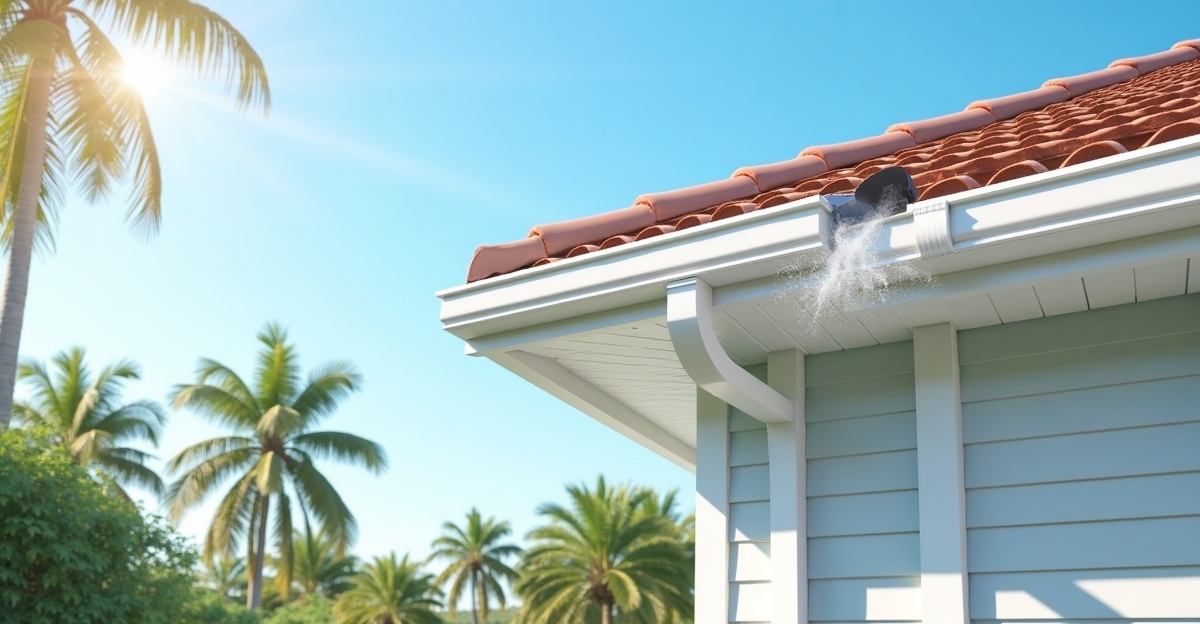
How Soffit and Fascia Protect Your Home’s Structure and Efficiency
Soffits and fascia may seem like small details, but they carry a big load in keeping a roof system working smoothly. In simple terms, soffits are the panels tucked underneath the edge of your roof, where it meets your home’s exterior walls. They close the gap between the roof eaves and the siding. Fascia, on the other hand, are the vertical boards that run along the roof’s edge, right behind the gutters.
Together, they don’t just complete the look of your roof—they play a major role in performance, ventilation, and protection, especially for homes in Florida.
How Do Soffits and Fascia Work?
Both soffits and fascia share the job of protecting your roof and attic from the kind of wear that comes with living in a hot, wet climate like ours. Each does something a little different:
- Soffits improve airflow. These panels come with small vents that allow fresh air to circulate into your attic and push out hot, damp air. This consistent movement of air is essential for preventing mold, mildew, and rot from forming in the attic space, as the U.S. Environmental Protection Agency explains in its moisture control guidance. Without this escape route, heat and moisture get trapped under the roof, potentially damaging insulation and shortening the life of your shingles. If you’re wondering more about this, our guide on roof ventilation and energy bills helps explain how proper soffit function can also lower cooling costs.
- Fascia supports your gutters. These boards serve as the mounting point for your entire gutter system. That means when heavy rains hit, the fascia has to be strong enough to hold the gutters in place while they channel water safely away from your home. Fascia also forms a barrier between the outside and the inner roof edge, blocking pests and moisture from sneaking in.
In short, soffits keep air moving, and fascia keeps water moving. Neither should be overlooked.
Why They’re Especially Important in Florida
Florida homes face intense humidity, rain, winds, and salt-laden air—conditions that test any weak spot in a roofing system. In our experience, soffit and fascia boards tend to be the first places that show signs of failure in this environment, especially if they haven’t been inspected or maintained over the years.
Neglected soffits can clog or rot, leading to poor attic ventilation. That increases risk of wood rot and insulation damage—two problems that can creep up quietly, then cost thousands in repairs. Likewise, damaged or warped fascia might not securely hold gutters, forcing water to spill over edges and soak into walls or the foundation.
That’s why staying ahead of damage makes a difference. Here are key value points that come from good maintenance or proper repair:
- Better energy performance. Good airflow keeps attic temps more stable, which helps reduce strain on your AC system.
- Stronger gutter support. Intact fascia means gutters stay firmly attached, critical during heavy storm runoff.
- Fewer moisture issues. Ventilated soffits reduce moisture buildup, limiting mold, mildew, and rot.
- Longer roof life. By keeping airflow and drainage in check, you prevent bigger structural issues that shorten overall roof lifespan.
If you notice paint peeling on the eaves, sagging gutters, or signs of mold near roof edges, it may be time for an inspection. You can learn more about the warning signs on our post about common signs your roof needs attention.
Keeping your soffits and fascia in top shape doesn’t mean starting from scratch. In many cases, professional repairs will do the trick. Our team offers specialized soffit and fascia repair services that reinforce the structural support and airflow your roof depends on.
For Florida homeowners, understanding what is soffit and fascia isn’t just a roofing detail—it’s a key piece of a healthy home. Knowing how do soffits and fascia work gives us the chance to stop minor issues before they become costly repairs. With proper planning, these often-overlooked areas can boost our roofs’ performance, improve ventilation, and keep our homes strong through every season.
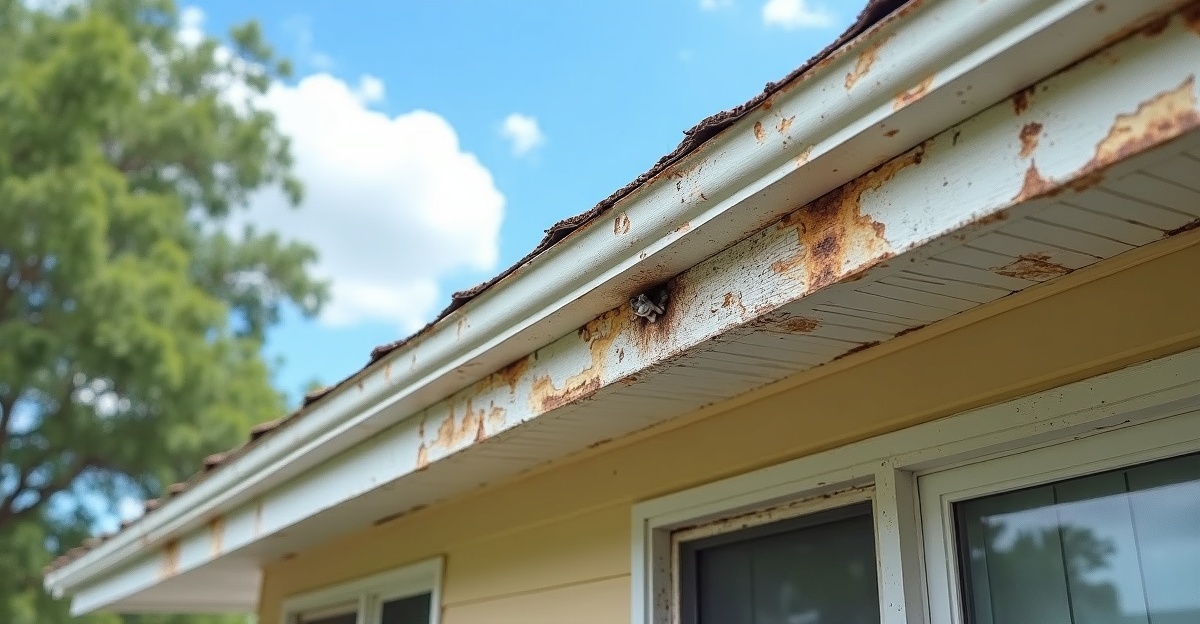
Top Warning Signs Your Soffit and Fascia Need Repair
Common Soffit and Fascia Damage Signs in Florida
Our humid, storm-prone climate brings special challenges for roof components like soffit and fascia. These elements may not grab much attention, but they play a vital role in protecting your roofline, attic, and even energy efficiency. Here are signs we watch closely across Florida homes:
- Peeling Paint or Sagging Boards
If paint is bubbling or falling off your soffit or fascia, it’s often due to water exposure. Soft or drooping sections can point to rot. These issues tend to show up after a harsh Florida summer or intense storm season. - Water Stains or Wood Rot
Dark streaks, staining, or spongy areas under the roof eaves usually mean water’s getting behind the boards. If left untreated, this can lead to widespread decay and leaks within the roof structure itself. - Pest Activity Around the Roof or Attic
Wasps nesting in soffit corners or the sound of rodents in attic spaces are signals the fascia or soffit may have gaps. These openings offer a direct path into your home for unwanted critters—a lead cause for pest issues in roofing. - Rising Cooling Bills or Poor Attic Ventilation
Damaged soffits can interfere with proper airflow under the roof. That ventilation imbalance often makes attic temperatures soar, forcing your AC to work harder. If your energy bills spike during the hottest months, fascia and soffit problems may be part of the cause. You can learn more with our breakdown on how roof ventilation affects energy bills.
Each of these signs can seem minor on their own. But together, they often indicate deeper problems beneath the surface.
Why Immediate Repairs Matter
Ignoring early soffit and fascia damage can trigger expensive repairs down the road. While these parts of the roof aren’t always in plain sight, they do a heavy load of work. They shield your rafters and roof edges from moisture, help channel air through the attic, and block pests and debris.
If we wait too long to act on things like peeling paint or minor water damage, serious issues can follow:
- Structural wood rot can set into the beams or decking below.
- Roof leaks may enter at the eaves, then spread through interior ceilings or walls.
- Mold and mildew often grow in the soft, warm areas damaged by prolonged water exposure, a risk highlighted in CDC guidance on indoor mold and moisture.
- Pest infestations can multiply quickly, creating permanent attic damage if animals chew wires or insulation.
For many of our customers, soffit and fascia repairs offer early protection against widespread roof issues. That’s why we recommend inspecting these boards during annual checkups or after any major storm.
If you’re unsure whether you can handle minor fixes like patching a board or sealing a crack, read our article on whether roof leak repairs can be performed yourself. In most cases, a trusted roofing crew should handle anything involving rot, pest risk, or ventilation problems.
When Should We Repair Soffit and Fascia?
We often hear the question: “How do I know when to repair soffit and fascia instead of replacing them?” The right answer depends on the extent of the damage and how quickly it’s caught.
Repairs are usually suitable when:
- Damage is localized—like one warped or rotted board.
- Issues are due to failing caulk, loose fasteners, or small water stains.
- Pest entry points are visible but haven’t caused structural harm.
On the other hand, a full replacement might be more cost-effective if:
- Multiple sections show signs of rot or where pests have infiltrated deeply.
- The damage traces back to older installation issues or inferior materials.
- You’re already tackling a larger roof project and want long-term protection.
Roofing inspections can help clarify whether patching or swapping full sections is the smarter move. If it’s been more than a year since your last checkup, use this guide on how often roofs should be inspected as a reference.
Even with quality roofing, Florida’s intense weather puts stress on soffit and fascia over time. That’s why we remind neighbors to stay alert for these early signs. Keeping an eye on them—and acting quickly—can save time, money, and headaches later.
For anyone already dealing with visible wear or suspect areas, our roof repair services can assess the issue and prevent small concerns from becoming serious problems.
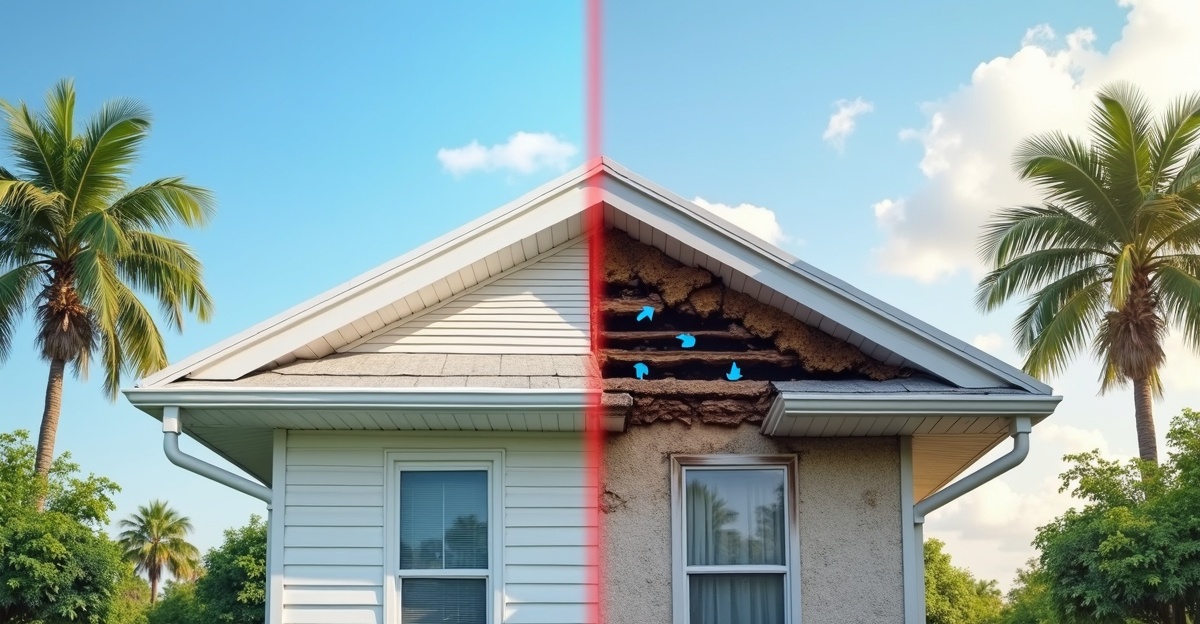
Why Timely Repairs Save You Money (and Stress)
Catching issues early makes all the difference. Soffit and fascia repair benefits go far beyond curb appeal—they actively protect your home and your wallet. Small signs of damage can spread fast, especially in Florida’s heat, humidity, and frequent storms. Acting early helps avoid more expensive repairs down the road.
Rotting fascia boards often start as water damage or insect intrusion. Left unchecked, they compromise your gutter system. When gutters pull away or sag from weakened fascia, rainwater will no longer flow safely away from your home. That can lead to pooling water at the base of your home, cracking driveways, exterior mold, or even foundation trouble, as outlined in university extension guidance on improper home drainage. All from a damaged board beneath your roof edge.
Similarly, damaged soffits often go unnoticed, but they play a major role in preventing moisture buildup in your attic. When they’re not venting correctly, warm air and humidity accumulate. That keeps insulation damp, attracts mold, and forces our HVAC systems to work harder. As a result, energy usage climbs, especially in climates like ours where staying cool is absolutely critical. Ensuring these systems function as intended is how we protect both indoor comfort and the structure itself.
How Repairs Help Cut Costs and Prevent Headaches
From lowering energy bills to staving off structural damage, the benefits of soffit and fascia replacement or repair stack up quickly:
- Avoids major structural costs: Addressing minor wood rot or pests before they spread helps us steer clear of far more expensive framing or roof deck repairs.
- Protects gutters and drainage systems: Strong fascia supports heavy Florida rainfall by holding gutters in place. Letting that fascia weaken risks gutter collapse—and the water damage that follows.
- Improves ventilation efficiency: Repaired or replaced soffits allow steady airflow in and out of your attic. That keeps moisture levels controlled and reduces strain on insulation and attic fans.
- Reduces energy costs: With proper ventilation, attic temperatures stay more stable. That means less HVAC cycling, lower utility bills, and better cooling performance during Florida’s long summers.
- Prevents mold and pest issues: Soffits help seal off attic spaces while allowing airflow. Any warping or decay opens the door to rodents, insects, and dangerous mold growth.
- Boosts home exterior value: Neat, solid fascia and soffits signal a well-maintained property—important for both resale value and peace of mind.
Preventative roof maintenance, especially on the edges where damage often begins, gives us a chance to stop small problems from snowballing into more stressful and costly repairs. If caught in time, a localized repair might be all that’s needed. Learn more about addressing damage before it spreads in our guide on whether a roof can be repaired instead of replaced.
It’s also worth keeping in mind that failing soffits can trap moisture in attic insulation. Over time, it stops doing its job—cooling becomes less effective, utility costs go up, and comfort becomes harder to maintain. That’s a common complaint we hear during hot summer months, and it’s often solved with a combination of improved roof ventilation and properly sealed soffits.
Repairing these features sooner rather than later means avoiding the domino effect that often follows roof edge damage. If we wait too long, we’re no longer repairing—we’re replacing entire sections of eaves, gutters, and sometimes even siding or structural roof components. That ramps up costs and adds stress no one wants.
Our team handles all aspects of soffit and fascia repairs, focusing on exact-fit solutions that match your home’s material and ventilation needs. We’ve seen firsthand how fast Florida weather can exploit weak spots—getting repairs done now avoids rushed decisions before hurricane season or unexpected damage after a storm.
Talk to us about how this kind of upkeep fits into your bigger roofing picture. If it’s been a while, take a look at our recommendation on how often roofs should be inspected. Regular checks paired with early repairs are key to long-term protection—and peace of mind.
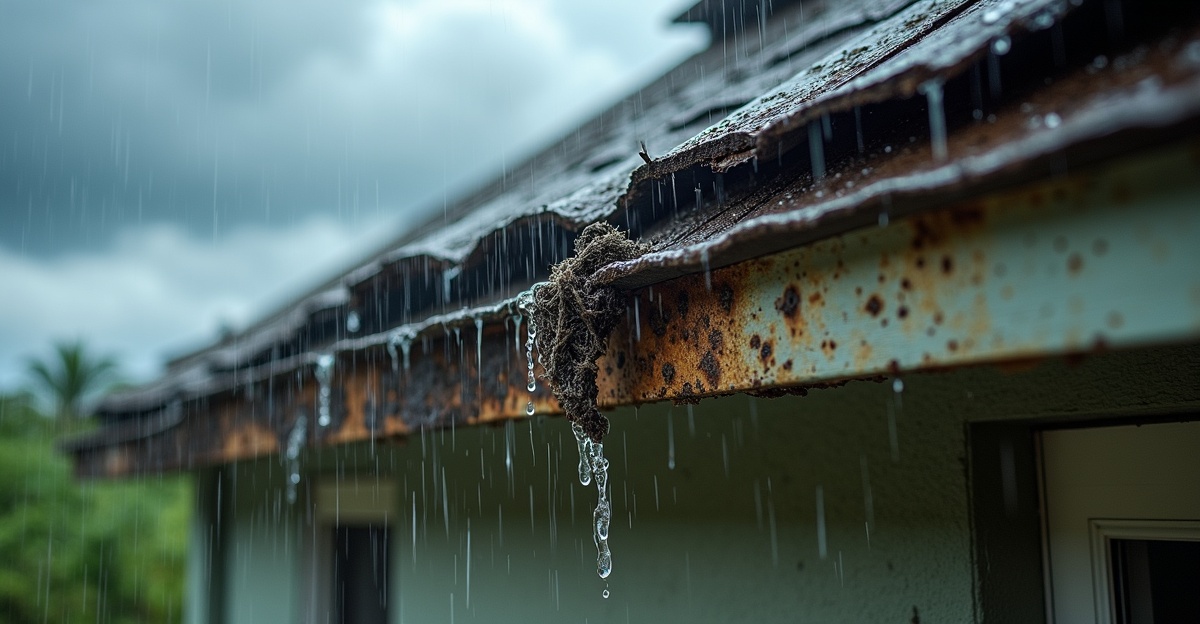
Florida Weather, Pests, and Moisture: Local Hazards That Target Soffit and Fascia
Florida’s unique climate creates the perfect storm for soffit and fascia damage. From powerful winds to persistent humidity and determined critters, these unseen troublemakers can cause more than cosmetic wear—they lead to real structural concerns if ignored.
Weather Hazards That Hit Hard
Our weather doesn’t pull punches. High winds during summer storms or hurricane season can rip or shift fascia boards and soffits, leaving gaps where water seeps in—especially in regions subject to ASCE wind load standards for residential structures. That moisture, once trapped, begins to rot the wood and rust the nails—especially dangerous near vents and eaves where water naturally collects.
Extreme humidity makes things worse. Prolonged exposure swells wood and accelerates mold, mildew, and decay. We’ve seen even newer installations start to fail after just a few seasons without proper upkeep. This is especially critical for soffits since they play a key role in providing airflow for roof ventilation in Florida homes. When vents clog or the boards deteriorate, air stops flowing and attic temperatures spike—driving up energy bills and creating an ideal spot for moisture to fester.
Unwelcome Guests and Hidden Entry Points
Gaps in soffits and fascia aren’t just a water concern—they’re open doors for Florida’s most persistent pests. We often find signs of:
- Rodents nesting behind loose boards
- Birds entering through deteriorated soffits
- Paper wasps building inside dark, humid recesses
These issues start small. But once pests access attic spaces or crawlspaces, they can chew wires, tear insulation, and carry health concerns. To prevent this, homeowners often search for Florida soffit and fascia contractors to seal and restore damaged areas before pests do.
Taking early action protects the entire roof system. Even minor cracks and separations can allow rain, bugs, or rot to travel deeper into roofing layers. If we address these weak points regularly, we can prevent the need for larger fixes like full roof replacements or pest control services.
It’s also worth checking soffits and fascia after big storms. If your home just faced heavy rain or strong wind gusts, give these areas a quick visual. Discoloration, sagging, or flaking paint usually signal moisture damage. Our team often catches issues faster during routine checkups—here’s more on how often roofs should be inspected in Florida’s climate.
Soffit and fascia work as part of a team with vents, shingles, and gutters. When they hold up strong, so does your roof. Ignoring small damage invites bigger trouble—so let’s stay ahead of it together.
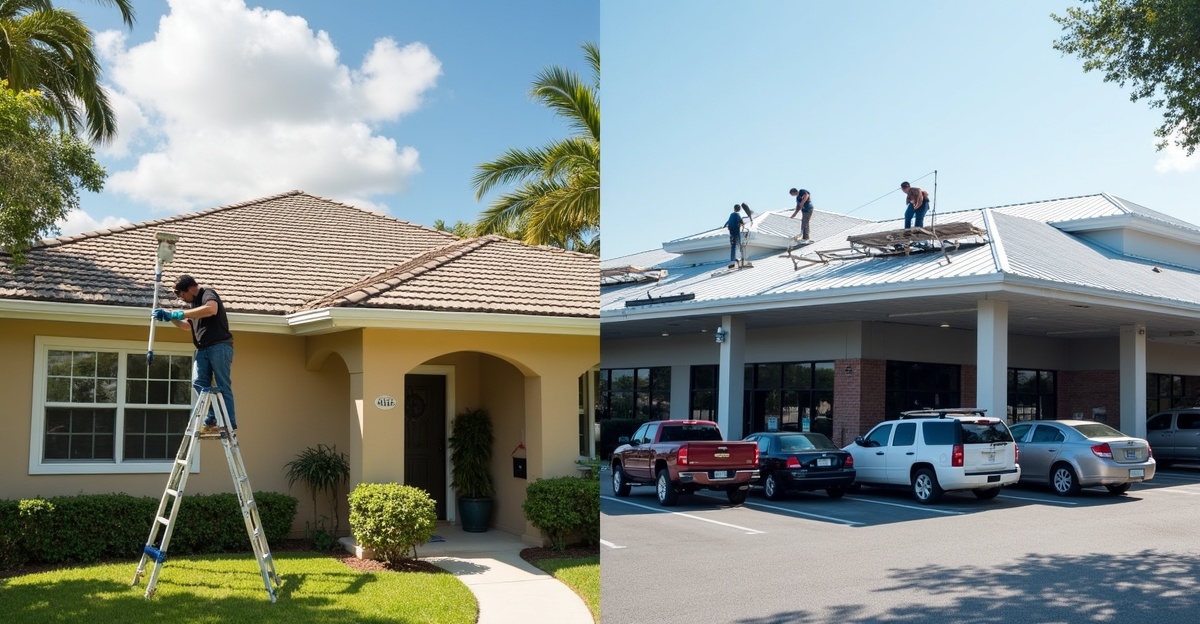
Residential vs. Commercial: Tailoring Repairs for Property Type
Soffit and fascia repair needs can differ quite a bit depending on whether we’re working on a home or a commercial building. Every property type brings its own priorities to the table, and understanding these lets us deliver smart, lasting solutions. As trusted Florida soffit and fascia contractors, we adapt our approach to fit each situation—not the other way around.
Understanding Key Differences in Soffit and Fascia Repair Needs
For residential homeowners, soffit and fascia repairs often tie directly to daily comfort and home value. These areas protect the roofline, prevent pests from getting in, and allow ventilation to regulate attic temperature. When repairs are neglected, many homeowners start to notice signs like peeling paint, rising energy bills, or even roof moisture damage. That’s why regular upkeep is a smart form of preventative roof maintenance.
Here’s why homeowners typically choose to invest in soffit and fascia repairs:
- Improve curb appeal, which directly influences resale value.
- Stop small ventilation issues from becoming expensive insulation or energy bill concerns.
- Prevent structural wood rot from water intrusion near roof edges.
On the other side, commercial property owners and managers deal with stricter expectations. Soffit and fascia issues can trigger code violations or present safety hazards for tenants and customers alike. Damage can also increase liability risks or escalate repair costs the longer they’re ignored. These buildings are often larger and more complex, requiring coordinated repairs—sometimes across multiple roof sections.
In high-traffic areas like retail centers or multifamily housing, soffit damage might go unnoticed until pests or water damage become significant. We help building managers stay ahead by offering proactive inspections along with timely repair options. Clear communication and detailed estimates support better decision-making for stakeholders and facility teams alike.
Whether we’re reinforcing a single-family home’s roofline or restoring soffits throughout a commercial apartment complex, we follow the same promise: do the job right, and make it last.
For example, a retail center in coastal Florida may face salt exposure, faster deterioration, or ventilation blockages. In contrast, a suburban home might just need spot-treating for wood rot caused by clogged gutters. Each case calls for a solution grounded in local experience and building code familiarity.
We also consult with clients on future maintenance schedules—because some damage can be avoided altogether. Learn more about how these exterior features impact your whole roofing system in our deeper dive on signs your roof needs replacement in Florida.
When soffits or fascia weaken, they can also affect ventilation and increase heat buildup. Our roof ventilation services often go hand-in-hand with fascia soffit fixes to improve efficiency.
We’re proud to serve both homeowners and commercial property managers throughout Florida. Whether you’re safeguarding a business or preserving a home, Pyramid Roofing Fla is ready with responsive service and experience that counts. Let’s make sure that damage doesn’t take root on your roofline.
Why Trust a Local Contractor Like Pyramid Roofing Fla
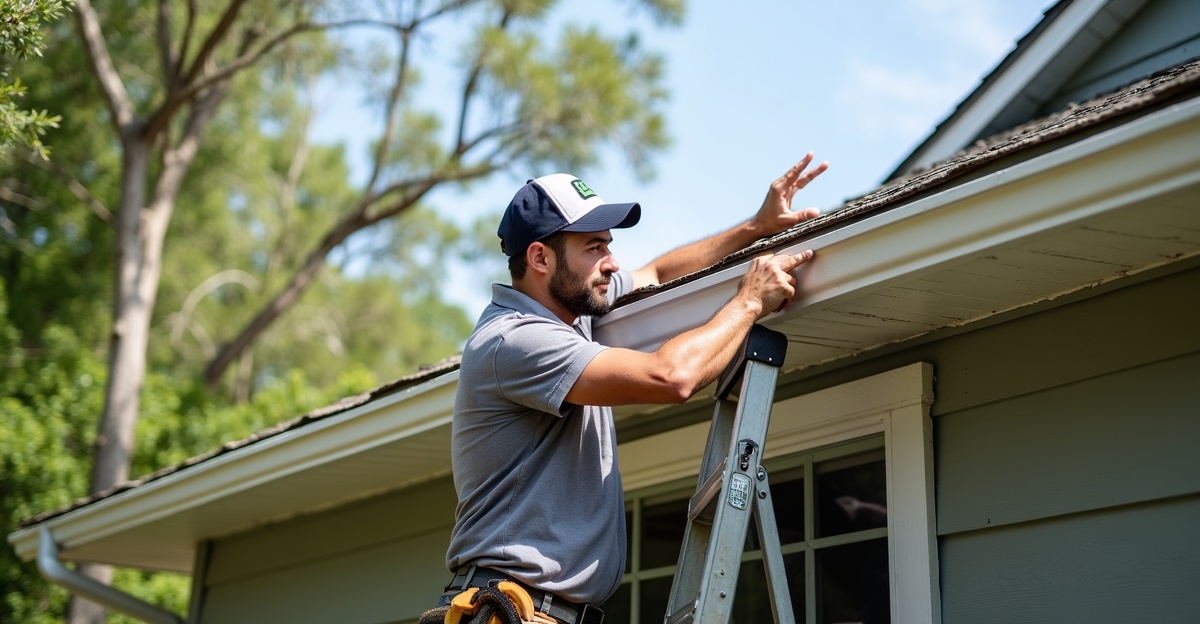
Hiring experienced Florida soffit and fascia contractors makes a big difference when protecting your home from water damage, pests, and storm-related issues. Our team at Pyramid Roofing Fla lives and works right here in Central and Northeast Florida, so we understand what local homes are up against—from severe storms and high humidity to wildlife and tough building codes.
We specialize in soffit and fascia systems that stand up to Florida’s climate. That includes options built to deter insect invasions, promote attic ventilation, and prevent rot along roof edges. We’ve repaired and replaced soffits and fascias after hurricanes, heavy rains, and poor original construction. Whether it’s vinyl, aluminum, or wood, we know how to repair each material properly the first time.
Backed by years of hands-on experience, every repair or replacement comes with a workmanship warranty, so there’s peace of mind built into the service. We also offer free inspections—that means no guesswork or hidden surprises. Just honest answers, clear pricing, and clean work.
Our neighbors know us for being prompt, respectful, and easy to work with. We make sure every homeowner gets trusted guidance—especially important when trying to decide between a simple repair and a full upgrade. We’re proud of the relationships we’ve built in the region, and we don’t take that trust lightly.
Why Local Experience Matters
When it’s your home at stake, choosing someone who understands your environment is key. Here’s what sets us apart:
- Experts in storm mitigation, helping prevent wind and rain damage before it starts
- Know-how in meeting Florida Building Code requirements for roofing components, including soffit and fascia systems
- Materials and installation methods that reduce small pest entry—especially squirrels, wasps, and bats
- Quick response after storms—we don’t leave you waiting
- Real-time assessments with local insight, not canned answers
Visible rot and soffit damage may seem minor at first, but left alone they can lead to structural decay, roof leaks, or even attic mold. Addressing issues early provides clear soffit fascia repair benefits: it extends roof life, improves attic airflow, and can help reduce energy costs.
We’re always direct about recommendations and next steps. If we find signs that tie into a wider roof issue, like poor ventilation or water trap points, we’ll walk through options without overselling. For example, check out how routine roof inspections support early fascia awareness and preventative roof maintenance.
Ready to take the next step? Concerned about a recent storm or visible rot? Schedule a free soffit and fascia inspection with Pyramid Roofing Fla—you’re welcome to ask questions, no pressure. Let’s keep your home protected and looking great.
Frequently Asked Questions
Soffit and fascia repair helps protect your home from water damage, pests, and ventilation problems. Properly functioning soffits improve attic airflow, while solid fascia supports gutters and blocks moisture at the roof edge. Together, they prevent wood rot, reduce mold risk, and help extend the life of the roof system.
Soffit and fascia repair improves attic ventilation by allowing heat and moisture to escape. Better airflow keeps attic temps more stable, which helps reduce strain on your AC system, according to the U.S. Department of Energy’s attic ventilation guidance. When insulation stays dry and effective, cooling systems work more efficiently, leading to lower energy consumption and reduced monthly utility costs.
Yes, damaged soffit and fascia can allow water to seep into roof edges and exterior walls. When fascia weakens, gutters may pull away and overflow, directing water toward siding or foundations. Over time, this moisture intrusion can cause rot, leaks, mold growth, and costly structural repairs.
Soffit and fascia repairs seal gaps and weak spots along the roofline that pests often use as entry points. Rodents, birds, and insects commonly nest in damaged areas. Repairing these components blocks access to attics and eaves while still allowing proper ventilation through designed vent openings.
Repairing soffit and fascia early is usually more cost-effective than waiting. Minor issues like small rot spots or loose boards are easier to fix before damage spreads. Early repairs prevent larger structural problems, reduce the chance of full replacement, and help maintain overall roof performance.